Perry Lake Fishing Spots in Kansas
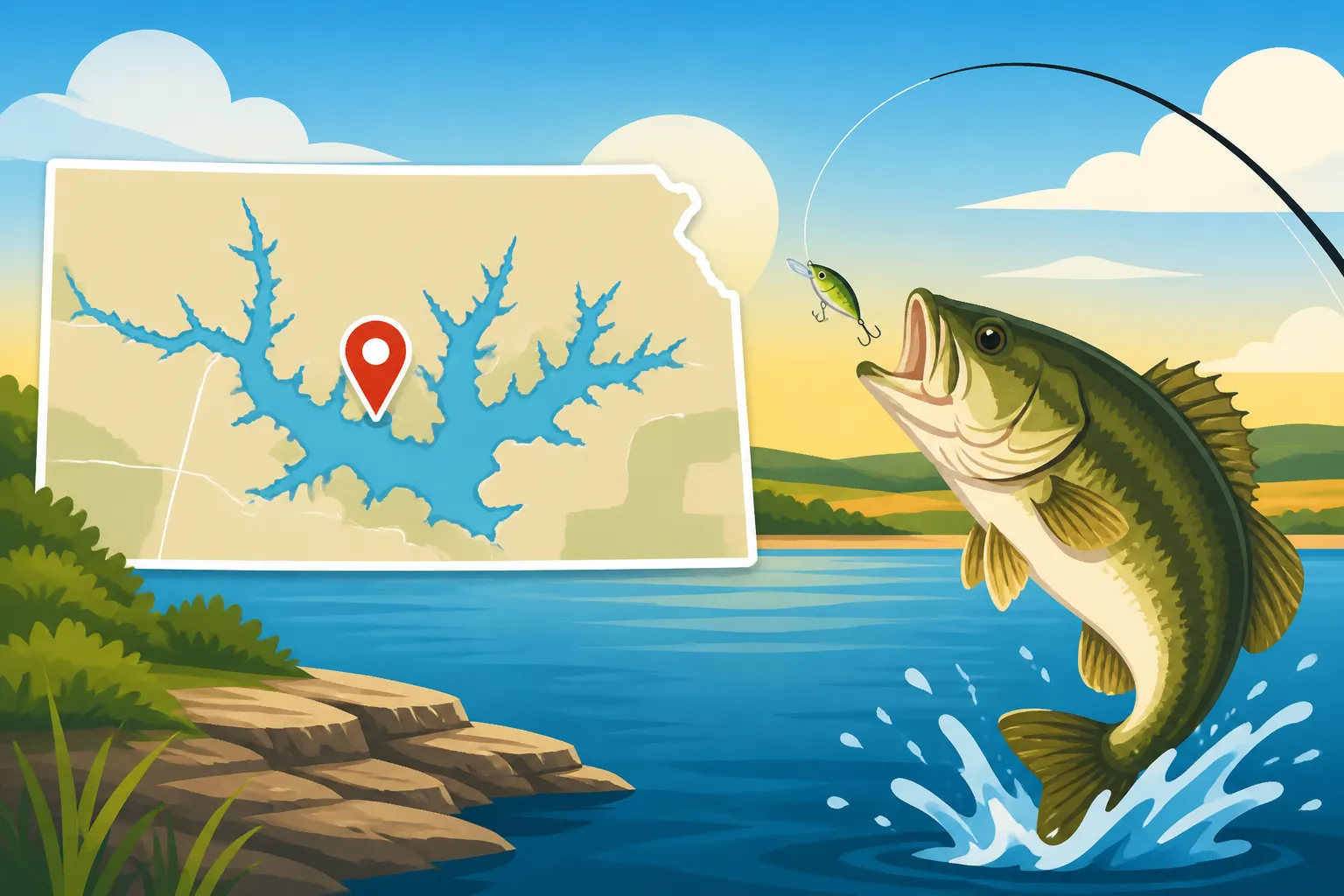
Perry Lake is a gem in northeast Kansas, sprawling across thousands of acres and offering some incredible fishing opportunities. However, like any large body of water, knowing where to drop your line can feel like searching for a needle in a haystack, especially when you're facing a massive expanse of water and aren't sure where the fish are hiding. That frustration of driving all the way out there, only to feel lost, is something every angler knows. This comprehensive guide is designed to cut through that uncertainty, pinpointing the best Perry Lake fishing spots and giving you the local insights you need for a truly successful outing.
Getting to Know Perry Lake's Fishing Potential
Before we dive into specific coordinates, it's really helpful to understand the lay of the land, or rather, the lay of the water, at Perry Lake. It’s not just a big bowl; it has distinct characteristics that draw different species to different areas throughout the year. Knowing these general zones will make all the difference in your fishing strategy.
What Makes Perry Lake a Prime Fishing Destination
Perry Lake, often called "Paradise on the Plains," isn't just a pretty face; it’s a robust fishery managed by the Kansas Department of Wildlife, Parks and Tourism (KDWPT) to ensure healthy populations of popular game fish. This lake is known for its diverse structure, which includes submerged timber, old roadbeds, rocky points, deep humps, and extensive creek channels. This variety means that no matter what kind of fish you're after, or what technique you prefer, Perry Lake likely has a spot for you. The lake's irregular shoreline and numerous coves also provide ample protection from wind, offering calmer waters on blustery days – a huge plus for comfort and fishability. Its proximity to Topeka and Kansas City makes it a popular weekend getaway, but don't let that deter you; with over 11,000 surface acres at normal pool, there's always room to find your own slice of angling heaven. Plus, the surrounding Perry State Park offers excellent amenities for anglers, from boat ramps to camping spots, making it easy to turn a day trip into a multi-day adventure.
Key Fish Species Calling Perry Lake Home
Perry Lake is celebrated for a fantastic mix of sport fish, ensuring there's always something biting. You’ll find healthy populations of:
- Walleye and Sauger: These highly sought-after cousins thrive in Perry's fertile waters, particularly around structure and river channels. They offer a fantastic challenge and even better table fare.
- Crappie (Black and White): Perry is a crappie hotspot, with both species growing to impressive sizes. They're often found around submerged timber and brush piles.
- White Bass and Hybrid Stripers (Wipers): These schooling fish provide fast-paced action, especially during their famous spring runs and summer feeding frenzies. Wipers, a cross between striped bass and white bass, offer an incredible fight.
- Catfish (Channel, Blue, and Flathead): The lake's extensive river arms and muddy flats are prime habitat for all three catfish species, with trophy-sized flatheads being a particular draw for dedicated anglers.
- Largemouth Bass: While not as renowned as some other Kansas lakes for largemouth, Perry still holds good numbers, especially in its shallower, timber-filled coves and creek arms.
- Panfish (Bluegill, Redear Sunfish): These smaller species are abundant and provide excellent opportunities for kids or anglers looking for consistent action, often found around docks, shallow cover, and brush.
Understanding which species are dominant and where they tend to hold at different times of the year is your first step to success. You might want to check out our detailed guide on Kansas Fish Species Guide for more identification tips.
Unlocking Perry Lake's Top Fishing Hotspots
Now that you know what to expect, let's get down to brass tacks: where exactly should you be fishing? Perry Lake offers a variety of environments, and each one holds potential for specific species.
The Productive Delaware River Arm
The northern arm of Perry Lake, fed by the Delaware River, is arguably one of its most productive areas, especially in spring and early summer. This area sees significant current, which attracts baitfish and, consequently, hungry game fish.
The river channel itself provides a natural highway for fish movement, and the numerous bends, submerged humps, and old oxbows along its path are excellent ambush points. During the spring, particularly when the water temperatures start to rise, the upper reaches of this arm become a prime location for the Kansas White Bass Run Timing and crappie. Anglers often find success casting small jigs or crankbaits along current breaks and rocky banks. Further down the arm, closer to the main lake, look for submerged timber and brush piles; these are crappie magnets. It's not uncommon to pull a limit of chunky crappie from a single brush pile here. If you're targeting catfish, the deeper holes and slower current areas throughout the Delaware arm are goldmines. Drifting cut bait or stink bait along the channel edges can yield impressive channel and blue catfish. Remember, fishing in current requires slightly different strategies than still water, so be prepared to adjust your weight and presentation.
Main Lake Points, Humps, and Roadbeds
The main body of Perry Lake is characterized by expansive open water but also features significant underwater structure that acts as a magnet for fish. These include rocky points, subtle humps, and old submerged roadbeds. These features are often overlooked by casual anglers, but they are absolutely crucial for finding walleye, hybrid stripers, and even some largemouth bass.
Rocky points that extend into deeper water are classic walleye haunts, especially during low light conditions or when the fish are actively feeding. Trolling crankbaits or casting jigs tipped with a minnow or soft plastic can be incredibly effective here. Areas like the points around Slough Creek and Rock Creek offer excellent opportunities. Submerged humps, which are essentially underwater hills that rise from the lake bed, concentrate baitfish and provide excellent structure for predatory species. Use your fish finder to locate these humps and then either drift over them with live bait rigs or cast crankbaits. Old roadbeds, often detectable as slight rises on your sonar or indicated on detailed lake maps, are super highways for fish. These provide distinct depth changes and cover, making them ideal for ambush predators. Trolling parallel to these roadbeds with deep-diving crankbaits can be a very productive strategy for walleye and hybrid stripers. For hybrid stripers, specifically, look for these fish to suspend over deeper water near main lake points, especially during summer mornings and evenings. They’ll often chase schools of shad to the surface, creating visible feeding frenzies you won’t want to miss.
Hidden Timber and Brush Pile Goldmines
While much of Perry Lake is open, there are numerous areas, particularly in shallower coves and creek arms, that are absolutely choked with standing timber, laydowns, and intentionally sunk brush piles. These are fish condominiums, providing cover, shade, and ambush points for a variety of species.
These timber-rich areas are prime real estate for crappie, bluegill, and largemouth bass. For crappie, focus on the edges of standing timber in 8-20 feet of water, especially during the colder months when they seek refuge. Vertical jigging small jigs or using minnows under a bobber are proven tactics. The coves in the Rock Creek and Slough Creek arms, as well as the areas near Devil's Gap and Longview, are particularly good for finding this kind of cover. When targeting largemouth bass in these areas, pitch jigs, Texas-rigged worms, or spinnerbaits into the densest cover. The bass will be waiting to ambush unsuspecting prey. Don't be afraid to work your lures slowly and thoroughly through the branches; patience is key. The KDWPT also maintains a number of public brush piles and fish attractors, and you can often find maps or GPS coordinates for these online. These are pre-made fishing hotspots that concentrate fish and are well worth seeking out. A good quality fish finder is almost essential for locating these productive structures, especially those that aren't visible above the waterline.
Strategies for Catching Perry Lake's Prized Fish
Knowing where to go is just one piece of the puzzle. Understanding how to approach each species with the right techniques and bait makes all the difference.
Mastering Walleye and Hybrid Striper Tactics
Walleye and hybrid stripers are two of Perry Lake's most popular sport fish, offering both a challenge and a thrilling fight. They often share similar habitats, especially in deeper, open water.
For walleye, early spring and late fall are prime times. In the spring, they’ll be congregating around the rocky banks and submerged humps of the main lake and the Delaware River arm, preparing to spawn. Trolling crankbaits like Berkley Flicker Shads or Rapala Shad Raps in depths of 10-20 feet is incredibly effective. Colors like chartreuse, firetiger, or pearl white often produce. As the water warms in summer, walleye move deeper, often holding on the main lake points and humps in 20-30 feet of water. Bottom bouncing with a worm harness tipped with a nightcrawler, or vertical jigging with a spoon or jig-and-minnow combo, can be productive. Don't forget the low-light hours; walleye are notorious nocturnal feeders, and night fishing with stickbaits over shallow flats can be phenomenal. You might want to brush up on specific Kansas Walleye Fishing Techniques for more advanced strategies.
Hybrid stripers, or wipers, are absolute powerhouses, and Perry Lake boasts some impressive ones. They are highly predatory and often found in large schools, chasing baitfish. Look for them in the main lake basin, particularly near the dam and along main lake points, especially when they are actively schooling on the surface. When you see gulls diving, it’s a dead giveaway that wipers are pushing shad to the surface – get there fast! Casting spoons like Kastmasters or slabs, bucktail jigs, or topwater plugs into these frenzies can lead to explosive strikes. When they're not schooling on the surface, wipers often suspend over deep water. Trolling large crankbaits or bucktail jigs is a great way to cover water and find them. Live gizzard shad are also irresistible to big wipers, especially fished on a free-line or under a bobber near main lake structure. A good resource for understanding these fish is our Kansas Striped Bass and Wiper Guide.
Cracking the Code for Crappie and White Bass
Crappie and white bass are fantastic for consistent action and are often targeted by both seasoned anglers and families. Perry Lake is well-known for both.
Crappie in Perry Lake are abundant, with both white and black crappie present. The key to crappie is finding structure. In spring, as water temperatures rise, crappie move into shallower coves and creek arms, often around standing timber, brush piles, and even submerged vegetation. Small jigs (1/32 to 1/16 oz) in chartreuse, white, or black-and-chartreuse are deadly, especially when tipped with a minnow. Look for them in the Delaware River arm, Rock Creek, and Slough Creek. As summer progresses, crappie often retreat to deeper brush piles or the edges of creek channels, typically in 15-25 feet of water. Spider rigging (slow trolling multiple poles with jigs or minnows) over these deep structures can be highly effective. During fall, they might move back shallower to feed aggressively before winter. For more specific advice, our Kansas Crappie Fishing Techniques article offers a deep dive.
White bass are the ultimate schooling fish, offering incredibly fast-paced action, especially during their spring spawning run up the Delaware River arm. When they are running, small inline spinners (like Roostertails), spoons, or small crankbaits cast into the current are incredibly effective. You can often catch them one after another. Throughout the summer, white bass will roam the main lake in large schools, chasing shad. Keep an eye on your fish finder for bait balls and active fish. Like wipers, they'll often push bait to the surface, creating visible boils. Cast small spoons, jigs, or even simply a white or silver Kastmaster into these feeding frenzies. The action can be nonstop! Our Kansas White Bass Guide has more details on their behavior and preferred baits.
Pursuing Perry Lake's Catfish and Panfish
For those who enjoy a strong tug and excellent eating, Perry Lake's catfish population is robust, and the panfish provide endless fun for all ages.
Catfish are prevalent throughout Perry Lake, with channel, blue, and flathead varieties. The Delaware River arm and the main river channel are prime territories for all three. Channel catfish are numerous and can be caught on a wide variety of baits, from stink bait and cut bait to worms and prepared baits. Focus on the edges of channels, submerged timber, and shallower flats in the evenings. Blue catfish, known for their size, prefer deeper sections of the main river channel and the lower parts of the Delaware arm. Fresh cut bait (shad or carp) is often the best offering for these monsters. Flathead catfish are ambush predators that prefer live bait, like bluegill or small perch, fished near heavy cover such as log jams or large boulders in the main channel or deeper coves. Night fishing for flatheads, slowly drifting a live bait, can be incredibly rewarding. Our guide on Best Bait for Kansas Catfish provides excellent tips for what to use.
Panfish, including bluegill and redear sunfish, are abundant in Perry Lake and are perfect for a relaxing day of fishing, especially with kids. They congregate around docks, submerged brush, shallow weed lines, and fallen trees in coves and protected areas. Small worms (red wigglers), crickets, or tiny jigs (1/64 oz) fished under a bobber are almost guaranteed to get bites. The coves in Rock Creek, Slough Creek, and the various smaller arms provide plenty of shallow, calm water for these species. While they may be small, they offer consistent action and can be fantastic table fare.
Practical Advice for Your Perry Lake Adventure
Beyond knowing the spots and the species, a few practical tips can elevate your Perry Lake fishing trip from good to unforgettable.
Seasonal Considerations and Best Times
Fishing success at Perry Lake is heavily influenced by the seasons and daily conditions. Understanding these patterns is critical for planning your trip.
Spring (March-May): This is arguably one of the best times to fish Perry Lake. Water temperatures are rising, triggering aggressive feeding and spawning patterns for many species. White bass and crappie runs in the Delaware River arm are legendary. Walleye move shallower to spawn on rocky areas. Largemouth bass begin to stage in coves. Expect variable weather, but the fishing can be red-hot. Our Kansas Spring Fishing Guide details what to expect.
Summer (June-August): Summer fishing at Perry Lake can be fantastic, especially in the early mornings, late evenings, and at night. Fish move to deeper, cooler waters during the heat of the day. Walleye and wipers suspend over open water or hold on deep humps. Catfish are very active, especially at night. Crappie will be in deeper brush piles. Consider night fishing for crappie under lights, or for catfish with glow sticks.
Fall (September-November): As water temperatures drop, fish become very active, feeding heavily in preparation for winter. Crappie often move shallower again. Walleye become aggressive on main lake points. White bass and wipers will actively chase shad. This is a great time for both quantity and quality.
Winter (December-February): While ice fishing is less common and less predictable on a large reservoir like Perry due to fluctuating water levels and winds, it can occur in very cold years in protected coves. When the ice is safe, crappie, bluegill, and even some walleye can be caught. Always check ice conditions carefully! Otherwise, cold-water fishing from a boat can still be productive for deep-holding walleye and catfish. The Kansas Fishing Seasons Guide provides a broader overview of yearly patterns.
Essential Gear and Local Insight
Having the right gear and knowing where to find local expertise can make your trip much smoother.
When it comes to gear, your specific target species will dictate your rod, reel, and tackle choices. For walleye and wipers, medium-heavy spinning or baitcasting setups with sensitive rods are ideal for detecting subtle bites. For crappie, light action rods with fast tips are preferred. Catfishing requires heavier gear, especially if you're targeting trophy flatheads. Always carry a variety of lures and baits that mimic shad, minnows, and crawfish, as these are staple forage items in Perry Lake. A good fish finder is a game-changer for locating structure, bait balls, and suspended fish, especially on a large lake like Perry. Don't forget essentials like a good pair of pliers, a net large enough for your target species, plenty of water, and sun protection. If you’re fishing from a kayak, check out our Kansas Kayak Fishing Gear Guide for specialized advice.
For local insight, there's no substitute for experience. Local bait shops around Perry Lake, like those in Ozawkie or Meriden, are invaluable resources for up-to-date fishing reports and tips. The staff there often fish the lake themselves and can tell you what's biting, where, and on what. Engaging a local fishing guide can also dramatically shorten your learning curve. Services found on platforms like FishingBooker connect you with experienced guides who specialize in Perry Lake. They know the lake like the back of their hand, have specialized equipment, and can put you on fish quickly, teaching you techniques specific to Perry's unique environment. This can be especially helpful if you're new to the area or targeting a challenging species. Always ensure you have your Kansas Fishing License Guide in order, which you can often purchase online or at these local shops.
| Fish Species | Best Season(s) | Primary Spots at Perry Lake | Recommended Baits/Lures |
|---|---|---|---|
| Walleye | Spring, Fall, Early Summer | Main Lake Rocky Points, Submerged Humps, River Channel Edges | Crankbaits, Jigs, Worm Harnesses, Nightcrawlers |
| Crappie | Spring, Fall | Delaware River Arm Timber, Deep Brush Piles, Coves | Small Jigs, Minnows, Small Spinnerbaits |
| White Bass | Spring, Summer, Fall | Delaware River Arm (Spring Run), Main Lake Open Water (Schooling) | Inline Spinners, Small Spoons, Jigs, Topwater |
| Hybrid Striper | Summer, Fall | Main Lake Basin, Dam Area, Main Lake Points (Schooling) | Spoons, Bucktail Jigs, Large Crankbaits, Live Shad |
| Channel Catfish | Spring, Summer, Fall | River Channels, Muddy Flats, Deeper Coves | Stink Bait, Cut Bait, Worms, Prepared Baits |
| Flathead Catfish | Summer (Night Fishing) | Heavy Timber, Log Jams, Deep River Channel Bends | Live Bluegill, Live Perch |
| Largemouth Bass | Spring, Summer, Fall | Timbered Coves, Shallow Weed Lines, Fallen Trees | Jigs, Texas-Rigged Worms, Spinnerbaits, Topwater |
| Panfish | All Year (open water) | Docks, Shallow Brush, Coves | Worms, Crickets, Tiny Jigs |
No matter if you're chasing trophy walleye, a cooler full of crappie, or just some family fun with panfish, Perry Lake offers incredible opportunities. Don't be intimidated by its size; with a little preparation and these tips, you'll be well on your way to a memorable Kansas fishing experience. Sometimes, the best way to get started is by simply hitting the water and exploring, or by connecting with a local expert through platforms like FishingBooker who can show you the ropes firsthand.
Disclaimer
The information provided in this guide is for general informational purposes only and is based on typical conditions and common fishing practices. Fishing conditions, regulations, and fish behavior can change rapidly. Always consult the most current Kansas Department of Wildlife, Parks and Tourism (KDWPT) regulations before fishing and prioritize safety on the water.