Kansas Ice Fishing Safety Tips
The allure of ice fishing on a frozen Kansas lake is undeniable—the quiet solitude, the crisp air, and the thrill of pulling a big walleye or crappie through a hole in the ice. But let's be honest, that serene picture can quickly turn to a nightmare if you're not fully prepared for the very real dangers that come with venturing onto frozen water. This guide is here to cut through the uncertainty and provide you with rock-solid Kansas ice fishing safety tips, ensuring your winter angling adventures are memorable for all the right reasons.
The Allure and Inherent Risks of Ice Fishing
For many anglers, ice fishing is a cherished winter ritual, a chance to escape the indoors and connect with nature in a unique way. There’s something truly magical about watching a bobber dance under a layer of ice, knowing a fish is just inches away. However, this seemingly peaceful pastime holds inherent risks that demand respect and diligent preparation. Unlike open-water fishing, where the worst outcome might be a capsized boat, ice fishing carries the immediate danger of falling through, leading to hypothermia, drowning, or even worse. It’s not just about knowing where to drill your next hole; it’s about understanding the frozen environment and how to navigate its challenges safely.
The Kansas landscape, with its many reservoirs and smaller ponds, offers diverse ice fishing opportunities, but these bodies of water can freeze and thaw unevenly throughout the winter season. One day, a lake might seem perfectly solid, and the next, a slight warm spell or underlying current could transform it into a treacherous deathtrap. Anglers often underestimate how quickly conditions can change, or they simply get caught up in the excitement of a bite and overlook critical safety precautions. Our goal here is to empower you with the knowledge and the mindset to make informed decisions every time you step onto the ice, ensuring a safe return home to share your stories and your catch.
Understanding the Fundamentals of Ice Safety
Before you even think about grabbing your auger and heading out, a solid understanding of ice characteristics is absolutely non-negotiable. Ice is not uniform; its strength can vary wildly even within a few feet, making it a dynamic and unpredictable surface. Knowing what to look for, and what to avoid, is the very first step in ensuring your safety.
Ice Thickness and Quality
The golden rule of ice fishing safety revolves around ice thickness, but it’s not just about the measurement; it's also about the quality of that ice. New, clear ice formed during a prolonged cold snap is significantly stronger than opaque, slushy, or refrozen ice, which might have air pockets or layers of snow within it. Always aim for clear, hard ice, and be incredibly wary of anything that looks discolored or suspect.
For walking out onto the ice, a minimum of 4 inches of clear, solid ice is generally recommended. This is a baseline, not a guarantee. If you're planning to use a snowmobile or ATV, you'll need at least 5 to 7 inches. And if you’re one of those brave souls considering driving a car or truck onto the ice for access (which we strongly advise against unless you are absolutely, 100% sure of the conditions, and it's explicitly permitted), you're looking at 8 to 12 inches for a small car, and even more for larger vehicles. Remember, these are bare minimums. Err on the side of caution every single time. Checking the local conditions and discussing them with experienced anglers at bait shops near Milford Lake or Cheney Reservoir can provide invaluable real-time insights into how the ice is holding up. Always remember, just because someone else went out, doesn't mean it's safe for you.
| Ice Thickness (Clear, New Ice) | Activity Level |
|---|---|
| Less than 4 inches | STAY OFF! Very unsafe. |
| 4 inches | Ice fishing on foot. |
| 5-7 inches | Snowmobile or ATV use. |
| 8-12 inches | Small car or light pickup (not recommended). |
| 12-15 inches | Medium truck (extremely risky, rarely advised). |
This table serves as a quick reference, but the nuances of ice quality, current, and recent weather patterns can significantly impact actual safety. For a deeper dive into specific requirements, you might want to read our comprehensive guide on How Thick Does Ice Need to Be to Fish?.
Never Go Alone and Share Your Plans
It might seem appealing to find a quiet corner of a frozen lake all to yourself, but ice fishing is one of those activities where the "buddy system" isn't just a good idea, it's a critical safety measure. Having at least one other person with you can literally be the difference between life and death if someone falls through. A partner can assist in a rescue, call for help, and provide moral support during a harrowing experience. Even with a partner, however, it's essential that both of you are aware of the risks and how to react in an emergency. Discuss a plan beforehand: who carries the rope, who calls for help, and what steps you'll take if someone goes into the water.
Beyond fishing with a friend, it is absolutely paramount to inform someone reliable about your ice fishing plans before you leave. This means telling a family member, a friend, or even a neighbor exactly where you’re going, when you expect to be back, and who you’re going with. Provide specific details like which lake, which access point, and even a general area you plan to fish. Should you not return at your specified time, this information provides rescuers with a vital starting point. A simple text message or phone call can be a lifesaver, ensuring that if something goes wrong, help will eventually be on its way.
Essential Gear for Safe Ice Fishing Excursions
While a good rod, reel, and tackle are crucial for catching fish, they take a back seat to the safety gear you must have with you on the ice. This isn't about luxury; it's about survival. Skipping these items to save a few bucks is a gamble you absolutely do not want to take when facing the potential of icy water.
Layered Clothing and Footwear
The cold is a constant companion during ice fishing season in Kansas, and dressing appropriately is your first line of defense against hypothermia. Think layers, and think smart. Start with a base layer of moisture-wicking material, like merino wool or synthetic fabrics, which will pull sweat away from your skin, keeping you dry and warm. Cotton is a no-go here, as it retains moisture and will make you feel colder faster if you get wet.
Your mid-layers should provide insulation, such as fleece or down. A good quality, insulated jacket and bibs or snow pants are essential for the outer layer. Look for waterproof and windproof materials to protect against the elements. You'll also need a warm hat that covers your ears, insulated gloves or mittens, and most importantly, waterproof, insulated boots with good traction. Brands like Arctic Shield, Ice Armor, and Simms offer excellent options, often available through retailers like Amazon, that are designed specifically for extreme cold and wet conditions. Remember, you can always shed layers if you get too warm from walking or drilling holes, but you can’t add warmth you don’t have if you’re underdressed.
Must-Have Safety Equipment
This is the non-negotiable list of items that must be in your possession every time you venture onto the ice. These aren't just recommendations; they are tools that will help you prevent a fall or execute a self-rescue.
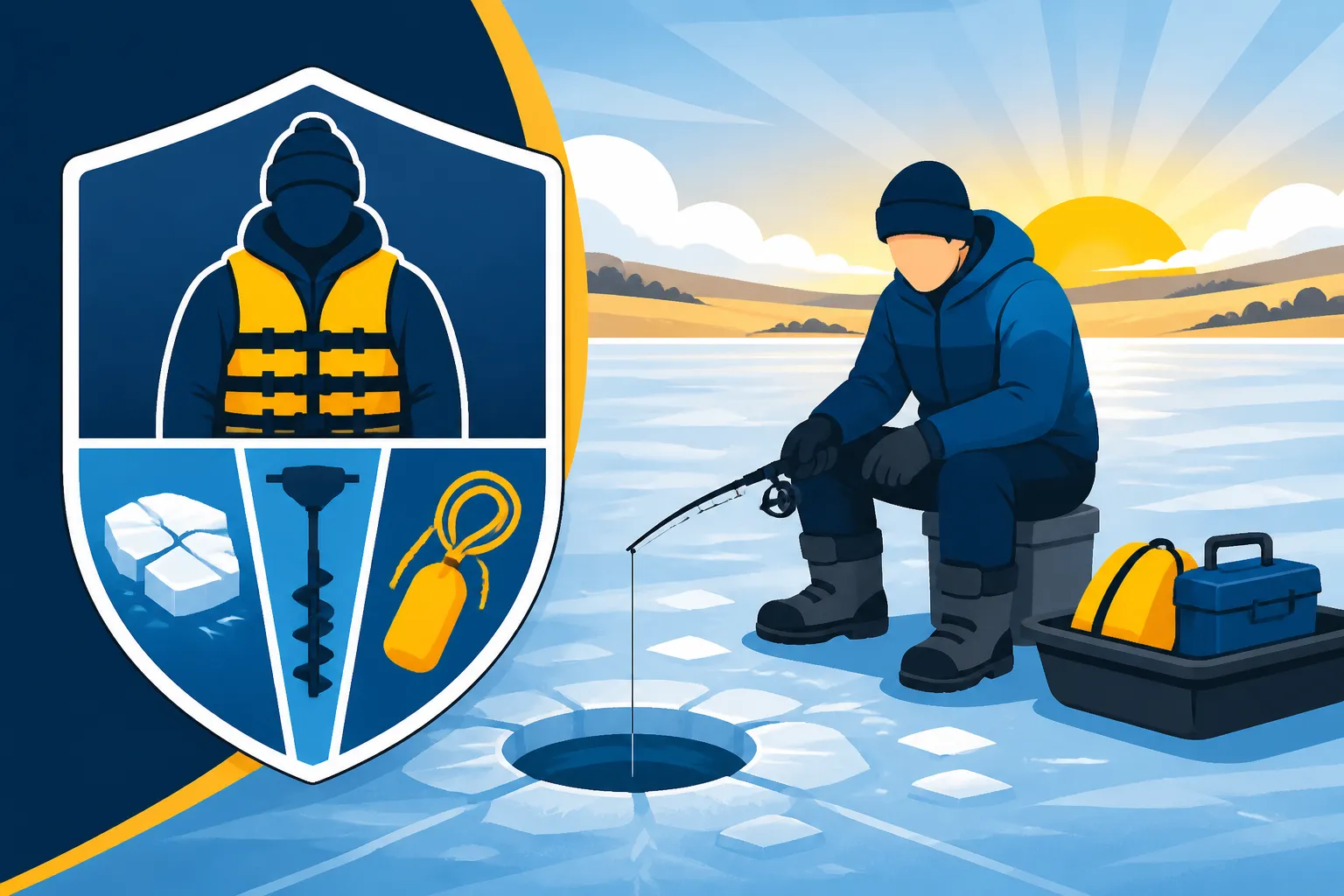
First and foremost are ice picks. These are two pointed handles connected by a cord, worn around your neck or easily accessible on your jacket. If you fall through, these picks give you grip on the slick ice edges, allowing you to pull yourself out. They are cheap, lightweight, and absolutely vital. There's no excuse not to have them. Next, a spud bar or ice chisel is crucial for checking ice thickness as you move. Don’t trust your eyes alone. Before taking another step, pound the spud bar into the ice ahead of you. If it goes through easily on one or two strikes, that ice is too thin. This simple tool allows you to test the ice without putting your full weight on it, giving you a critical heads-up before you step into danger.
A throw rope or throwable flotation device (like a buoyant cushion) is essential for assisting a companion who has fallen through. This allows you to help them from a safe distance without putting yourself in peril. Additionally, always carry a fully charged cell phone in a waterproof case or bag, along with a portable charger. Freezing temperatures can drain phone batteries quickly, and you'll need reliable communication to call for help if an emergency arises. A whistle is also a good idea to signal for attention if you're in distress and too cold to shout effectively. These items, often available at local sporting goods stores or through online platforms like Amazon, are not optional—they are life-saving tools.
Recognizing and Avoiding Dangerous Ice Conditions
Even if the overall conditions seem good, localized hazards can pop up anywhere on a frozen lake. Becoming adept at reading the ice and understanding the environmental factors that compromise its strength is a skill that comes with experience, but knowing what to look for is a powerful head start.
Identifying Unsafe Ice
Not all ice is created equal, and some types are inherently more dangerous than others. Slushy ice is a huge red flag. It forms when snow melts and refreezes, creating a weak, porous layer that offers little structural integrity. If you step on it and your boot sinks easily, turn back immediately. Discolored ice, particularly patches that appear darker or milky gray, often indicates thinner ice or areas where it has refrozen after a partial melt. Clear, blue-tinged ice is generally the strongest.
Beyond color, look for cracks and pressure ridges. Cracks can be natural formations from the ice expanding and contracting, but large, wide cracks or those that seem to be expanding rapidly are dangerous. Pressure ridges are areas where two sheets of ice have collided and pushed upwards, creating a jagged, unstable mound. These can hide very thin ice underneath or be prone to collapse. Furthermore, avoid areas around docks, bridge pilings, or any submerged structures. These objects absorb heat from the sun or conduct it from the water, causing the ice around them to melt faster and be significantly weaker. Always give these areas a wide berth.
Understanding Current and Inlets/Outlets
One of the most common mistakes ice anglers make is underestimating the power of water currents under the ice. Anywhere there’s moving water – whether it’s a river feeding into a lake, an outlet where water flows out, or even a submerged spring – the ice will be significantly thinner and more unpredictable. These areas prevent the ice from freezing uniformly or can constantly erode its underside, creating dangerous weak spots that might not be visible from the surface. For example, large reservoirs like Tuttle Creek Lake or Wilson Lake, fed by major rivers, will almost always have unstable ice near their inlets and dam areas.
Even on smaller ponds or the quiet coves of larger lakes, a hidden spring or even a submerged drain tile can create a localized current or warmer water pocket. These areas often appear as patches of open water or unusually thin ice, even when the rest of the lake seems solid. Always be extra cautious around any visible open water or areas where stream or river channels enter or exit the main body of water. Use your spud bar diligently in these zones, testing every few feet. A sudden change in ice thickness, even in an otherwise safe area, could indicate an underlying current. For specific guidance on safety near flowing water, consider looking into Ice Fishing Rules on Kansas Lakes before your trip.
Navigating Snow-Covered Ice
A fresh blanket of snow on the ice might look pristine and inviting, but it actually masks several potential dangers for the unprepared angler. The primary concern is that snow acts as an insulator, preventing the ice from thickening further, even during periods of extreme cold. If heavy snow falls early in the season, it can trap heat from the water below, stunting ice growth. This means that a foot of snow might conceal only a few inches of dangerously thin ice underneath.
Furthermore, snow obscures visual cues that help you assess ice safety. You can't see cracks, discolored patches, or areas of slush when they're hidden under a white blanket. This makes using a spud bar even more critical when navigating snowy ice. Heavy snow can also weigh down the ice, pushing it below the waterline and causing slush to form on top, which can then refreeze into a weak, layered ice. When planning your trip, consider not just the air temperature, but also recent snowfall. If in doubt, stay off the ice, or stick to areas known to have consistent, thick ice based on recent reports.
What to Do in an Emergency Situation
Falling through the ice is every angler’s worst nightmare, but having a plan and knowing the correct response can drastically increase your chances of survival. Panic is your biggest enemy; calm, deliberate actions are your best friend.
Self-Rescue Techniques
If you find yourself in the terrifying situation of falling through the ice, your immediate reaction should be to remain calm. Panicking will waste precious energy, accelerate hypothermia, and make rescue efforts harder. The most effective self-rescue technique, often referred to as the "ice pick method," goes like this:
- Don't shed your clothing immediately. While heavy, clothing initially traps air, which can provide a bit of buoyancy and insulation. Focus on getting out first.
- Turn back the way you came. The ice you just came from was solid enough to hold you a moment ago, making it the most likely path to safety.
- Use your ice picks. Jab them into the solid ice edge ahead of you. If you don't have picks, try to kick your feet vigorously to propel yourself upwards while clawing at the ice edge.
- Kick and pull. Use a strong, scissor-like kick to propel your body horizontally onto the ice. Once your chest is on the ice, continue kicking and pulling with your picks (or hands) to slide yourself out of the water.
- Roll away from the hole. Once you're out, don't stand up immediately. Roll away from the hole, spreading your weight evenly over the ice, until you reach truly solid ground.
Practicing this technique (safely, perhaps in a pool or with supervision) can build muscle memory that will serve you well in a real emergency. The ability to quickly and effectively pull yourself out significantly reduces your exposure to deadly cold water. Remember, this is why ice picks are non-negotiable!
Assisting Others Safely
Watching a friend fall through the ice is a horrifying experience, and your natural instinct might be to rush to their aid. However, this is precisely when you need to exercise extreme caution to avoid becoming a second victim. Always remember the "Reach, Throw, Row, Go" principle:
- Reach: If the victim is close enough and you can safely extend a branch, pole, or even your ice fishing rod while maintaining a stable position on solid ice, reach it out to them.
- Throw: If reaching isn't an option, throw them a rope, a life jacket, a spare tire, or any buoyant object they can grab onto. Remember that throw rope we talked about? This is its moment to shine. Aim for them to grab it, then pull them carefully towards you while remaining spread out on the ice to distribute your weight.
- Row: If you have access to a small boat, canoe, or even a large piece of plywood or a ladder, use it to push towards the victim from a safe distance. This distributes your weight and provides a stable platform for rescue.
- Go: This is the absolute last resort, only to be attempted by trained professionals with proper safety equipment. Never, ever go onto thin ice yourself to "save" someone. You will likely just make the situation worse by creating two victims instead of one.
As soon as an incident occurs, shout for help and immediately call 911 (or local emergency services) to report the situation, providing your exact location. Describe the number of people involved and any visible injuries. Time is critical when dealing with cold water immersion and hypothermia. Even if you manage to pull someone out, they will need immediate medical attention.
Dealing with Hypothermia
Hypothermia is a severe risk after cold water immersion and can set in quickly. It occurs when your body loses heat faster than it can produce it, causing a dangerously low body temperature. Recognizing the signs and knowing how to respond can be life-saving.
Symptoms of Hypothermia:
- Mild: Shivering, confusion, clumsiness, slurred speech, drowsiness, memory loss. The victim might deny they are cold.
- Moderate: Shivering stops (a critical warning sign), increased confusion, slow and shallow breathing, weak pulse, loss of consciousness.
- Severe: Unconsciousness, barely detectable vital signs, rigid muscles, blue skin.
Immediate Steps for Treatment:
- Get them out of the cold. Move the person to a warmer, sheltered location as quickly as possible. This could be a vehicle, a shelter, or even a wind-protected spot.
- Remove wet clothing. Gently remove any wet clothing and replace it with dry, warm layers. Wrap them in blankets, towels, or even a sleeping bag.
- Warm them gradually. Do not apply direct heat (like hot water or heating pads) as this can cause complications. Instead, use passive rewarming techniques: share body heat, wrap them in warm blankets, and offer warm (non-alcoholic, non-caffeinated) drinks if they are conscious and able to swallow.
- Monitor their condition. Keep a close eye on their breathing and pulse. If they become unconscious or their breathing stops, begin CPR if you are trained.
- Seek medical attention. Even if they appear to recover, anyone who has experienced significant cold water immersion or hypothermia should be medically evaluated. Call 911 as soon as possible.
Remember, every minute counts when dealing with hypothermia. Being prepared with knowledge and quick action can make all the difference.
Specific Kansas Considerations for Ice Fishing
While general ice safety rules apply everywhere, Kansas presents its own unique set of circumstances that anglers need to keep in mind. From fluctuating winter temperatures to the variety of water bodies, local knowledge is invaluable.
Variable Ice Conditions Across the State
Kansas winters can be notoriously fickle. We often experience dramatic temperature swings, with days of freezing cold followed by unseasonably warm spells, sometimes within the same week. This can lead to highly variable and often deceptive ice conditions across the state. A small farm pond in eastern Kansas might be locked up solid, while a large, deep reservoir in central Kansas, like Milford Lake or Cheney Reservoir, could have areas of open water or dangerously thin ice due to thermal currents or deeper water taking longer to cool.
Even on the same body of water, conditions can differ significantly. Areas exposed to strong winds or direct sunlight will often have weaker ice. Look for inlets and outlets of rivers, like the Republican River arm of Milford Lake, or major creek channels entering reservoirs. These areas will almost always have thinner ice due to constant water movement. Smaller, shallower lakes and ponds, particularly those managed as Kansas Community Fishing Lake Rules, tend to freeze more consistently and earlier in the season. However, even these can be unpredictable. Always assume the worst until you can verify the ice quality for yourself using a spud bar, regardless of what the calendar or local folklore tells you.
Staying Informed with KDWP and Local Reports
One of the most valuable resources for Kansas ice anglers is the Kansas Department of Wildlife, Parks and Tourism (KDWP). While KDWP does not typically provide official "ice reports" or declare ice safe, they offer invaluable information regarding Kansas Fishing Seasons and Limits and general safety guidelines. They also manage many of the lakes and ponds, and their regional offices can sometimes offer anecdotal advice on how ice is forming in specific areas.
Beyond official sources, local bait shops are truly the unsung heroes of ice fishing intelligence. Shops near popular ice fishing destinations, such as those around Clinton Lake or El Dorado Lake, often have the most up-to-date, real-time reports from anglers who have recently been on the ice. These shop owners and their customers are a fantastic source of hyper-local information, from general ice thickness to specific hazardous spots. Don't be shy; stop in, grab some bait, and chat with the folks there. Online fishing forums and local social media groups dedicated to Kansas fishing can also provide community-sourced information, but always cross-reference and apply your own judgment and safety checks. Remember, even the best report is only as good as the moment it was given; conditions can change rapidly.
The Role of Portable Shelters and Augers
While not strictly "safety gear" in the same vein as ice picks, your choice of ice fishing shelter and auger can significantly contribute to a safer, more comfortable experience on the ice. A good ice fishing shelter, especially a portable pop-up or flip-over style, provides crucial protection from the biting Kansas wind and cold. Staying warm helps you think clearly, reduces the risk of hypothermia from exposure, and makes for a much more enjoyable day. Many anglers find quality shelters on Amazon, which offers a wide selection from brands like Eskimo and Clam. Having a warm place to retreat to, even for a few minutes, is invaluable on bitter days.
As for augers, whether you opt for a manual, propane, or electric model, ensuring it's in good working order is important. A dull or malfunctioning auger makes the simple act of drilling a hole a frustrating and potentially dangerous chore. You want to be able to quickly and efficiently test ice thickness as you move, and a reliable auger is key to this. For a comprehensive look at your options, check out our guide on the Best Ice Fishing Auger for Kansas Lakes. And don't forget the proper fuel or a fully charged battery – running out in the middle of a remote lake is never a good situation.
Disclaimer
The information provided in this guide is for general informational purposes only and does not constitute professional advice. Ice fishing is an inherently dangerous activity. Always exercise extreme caution, use your best judgment, and prioritize your safety above all else. Ice conditions can change rapidly and unpredictably. Consult official Kansas Department of Wildlife, Parks and Tourism (KDWP) guidelines and local resources for the most current regulations and conditions. Neither the author nor the publisher assumes any liability for accidents or injuries sustained while ice fishing. Stay safe out there!