How to Catch Golden Rainbow Trout
Kansas anglers often dream of reeling in something truly special, something beyond the usual catch. If you’ve heard whispers of the vibrant, almost mythical golden rainbow trout and felt a pang of curiosity, you’re not alone. These stunning fish, with their distinctive radiant hue, present a unique and rewarding challenge, but they also demand a specific approach. This guide is your comprehensive roadmap to understanding, locating, and ultimately, catching these dazzling beauties in the Sunflower State.
Understanding What Makes Golden Rainbow Trout Special in Kansas
When we talk about golden rainbow trout, we're not just talking about a regular rainbow trout that got a little extra sun. These fish are a distinct variety, carefully introduced into Kansas waters to enhance the angling experience. They're a true spectacle, and understanding their unique characteristics is the first step to successfully targeting them.
The Palomino Strain and Distinctive Coloration
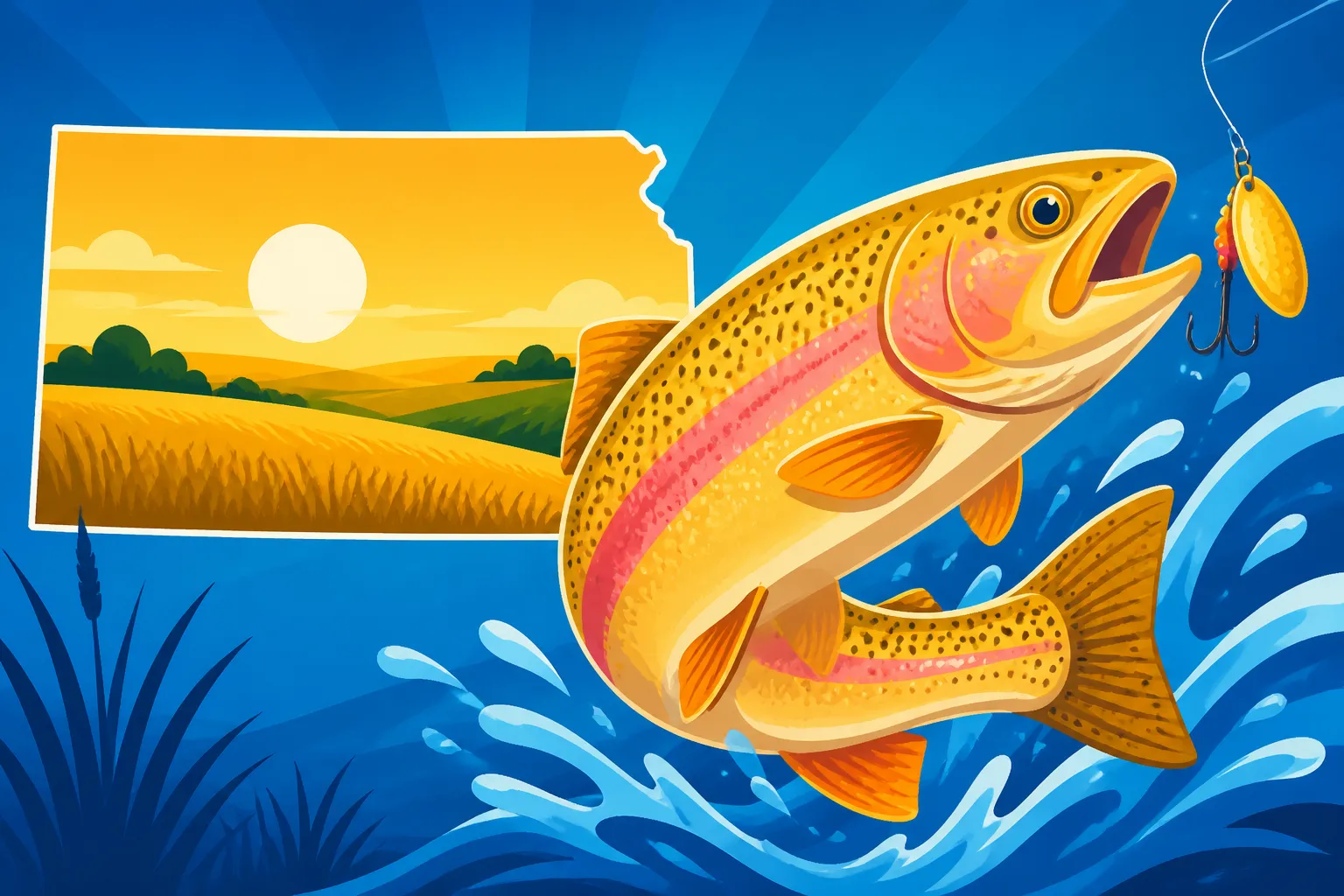
Golden rainbow trout are, in essence, a color variation of the standard rainbow trout. They belong to what’s known as the “palomino” strain, characterized by a genetic mutation that results in a striking, almost iridescent golden-yellow hue. Unlike brook trout or brown trout, which have their own unique patterns, the golden rainbow trout boasts an almost solid gold or butterscotch color, often with a vibrant red or pink stripe along its lateral line, just like its rainbow relatives. This stunning coloration makes them incredibly easy to spot in the water, a shimmering prize against the often muted tones of a winter lake.
Anglers often get a thrill just seeing one of these beauties swim by. It’s not just their looks, though; they offer a fight that many describe as spirited, adding to their allure. They respond similarly to traditional trout baits and lures, but their visibility and unique appearance make every hook-up feel like a small victory. They’re essentially a prized gem in the Kansas Department of Wildlife and Parks (KDWP) stocking program.
Origins and Introduction to Kansas Waters
The story of the golden rainbow trout in Kansas actually begins far to the east, in the hatcheries of West Virginia. This unique palomino strain was first developed there, bred for its distinct golden color. The idea was to create a trout that would stand out and excite anglers, and it certainly worked! Over time, other states, including Kansas, recognized the appeal of these beautiful fish.
The KDWP strategically introduced golden rainbow trout into its winter stocking program as a way to diversify the fishing opportunities and add an extra layer of excitement for anglers during the colder months. They are not native to Kansas, nor are they a naturally occurring variant here. Instead, they are carefully raised in hatcheries and then released into designated waters. This managed approach ensures a healthy population for anglers to enjoy, but it also means you won't find them just anywhere. You'll need to know which specific bodies of water are part of the Kansas Trout Stocking Schedule for December or other winter months to find them.
Why Kansas Stocks Golden Rainbows for Anglers
The primary reason KDWP invests in stocking golden rainbow trout is simple: to enhance the recreational fishing experience. Let’s face it, winter fishing can sometimes be a bit slower, and anything that adds a splash of color and excitement is a welcome addition. These fish serve several key purposes within the Kansas fishing landscape.
Firstly, their unique appearance makes them incredibly popular. There's a certain thrill in catching a fish that looks so different from the norm. It provides a memorable experience and often encourages more people to get out and fish, especially during the colder times of the year when other species might be less active. This boosts participation in the Kansas Winter Trout Fishing Guide program. Secondly, they act as a "trophy" fish, even if not necessarily larger than a standard rainbow trout. Their distinct color makes them feel like a special catch, something to photograph and remember. Finally, they help diversify the KDWP’s efforts to provide a wide range of fishing opportunities across the state, making sure there's something for every type of angler. It's a fantastic way to keep interest high and to provide a tangible "reward" for braving the chill.
Identifying Prime Locations and Seasons for Golden Rainbow Trout
Finding these golden gems isn't like stumbling upon a channel catfish in any old pond. You need to know where and when to look, as their presence is entirely dependent on the Kansas Department of Wildlife and Parks' stocking efforts. Being in the right place at the right time is half the battle when it comes to golden rainbow trout.
Locating Stocked Waters for Trout
The absolute most crucial piece of information for catching golden rainbow trout is knowing where they are stocked. The KDWP doesn't just put them in every lake; they have specific, designated waters, often part of their Community Fishing Lake (CFL) program or larger state park lakes, that receive trout stockings. These are almost always urban or easily accessible waters.
To find these spots, you'll want to keep a close eye on the KDWP's official website or their social media channels, especially as the colder months approach. They typically announce their stocking schedules, letting anglers know which lakes will receive trout, and often, what species (including golden rainbows) will be part of the mix. Lakes like Shawnee Mission Park Lake in Johnson County, Lake Shawnee in Topeka, and various ponds in cities like Wichita often see these stockings. These locations are chosen for their accessibility and ability to retain trout in colder temperatures. Familiarizing yourself with the Kansas Community Fishing Lake Rules will also be beneficial, as many golden rainbows end up in these easily accessible urban waters.
The Kansas Winter Trout Season
Golden rainbow trout are exclusively part of the KDWP’s winter trout program. This means you won’t be catching them year-round. The official Kansas trout season typically runs from December 1st through March 31st. This is the window when the KDWP stocks trout, including golden rainbows, in various waters across the state. The colder water temperatures during these months are ideal for trout, as they are a cold-water species.
Timing your trip is paramount. While they are present throughout the season, fishing shortly after a stocking event can often lead to the most success. These recently introduced fish are usually quite active and eager to feed as they adjust to their new environment. As the season progresses, they might become a bit more wary due to angling pressure, requiring more subtle tactics. Don't forget, to participate in this season, you'll generally need a valid Kansas fishing license and a trout permit. A quick check on the Kansas Adult Trout Permit Costs $14.50 can help you budget for this exciting season.
Ideal Conditions for Golden Rainbows
Just like any fish, golden rainbow trout respond to certain environmental conditions. While they are a cold-water species, extreme cold can make them sluggish. The sweet spot is often when water temperatures are cool but not freezing, usually in the 40s to low 50s Fahrenheit. Overcast days, or periods of stable, slightly warmer winter weather, can often be more productive than bright, sunny days with harsh winds.
Look for areas with a slight current or inflow, as these can bring in food and provide oxygen. Also, pay attention to depth. Early in the season, right after stocking, they might be found in shallower areas. As they settle in and as angling pressure increases, they'll often move to deeper holes or areas with submerged structure for cover. Understanding how the weather and water conditions affect their behavior is key to consistent success, moving beyond just luck.
Essential Gear and Techniques for Golden Rainbow Trout
Catching these magnificent golden-hued fish requires a thoughtful approach to your tackle and a nuanced understanding of presentation. You don't need highly specialized gear, but matching your equipment to the size and fighting style of trout, particularly in colder water, will significantly improve your chances.
Rods, Reels, and Line Selection for Trout
When it comes to golden rainbow trout, precision and sensitivity are far more important than brute strength. These fish, while spirited fighters, are not giants, and heavy tackle will only hinder your ability to detect subtle bites and present your bait naturally.
- Rods: Opt for a light to ultralight spinning rod, typically in the 5 to 6.5-foot range. A fast or moderate-fast action will give you the sensitivity to feel light bites and the backbone to set the hook without being overly stiff. Look for rods with a soft tip that allows for delicate presentations. Many anglers find excellent ultralight rods on Amazon that perfectly suit this kind of finesse fishing.
- Reels: Pair your rod with a small spinning reel, something in the 1000 to 2000 series. This size balances well with ultralight rods and provides a smooth drag system, which is crucial for fighting trout on light line. A good drag prevents break-offs, especially when a golden rainbow makes a sudden run.
- Line: Spool your reel with 4-6 pound test monofilament or fluorocarbon. Monofilament is a bit more forgiving with stretch and usually easier to handle in cold weather, while fluorocarbon offers greater sensitivity and is nearly invisible underwater. A popular strategy is to use 4-6 lb mono as your main line and then attach a 2-4 lb fluorocarbon leader for stealth, especially in clear water. This combination provides the best of both worlds. For more general guidance on matching gear, check out our piece on the Best Rod and Reel Combo for Crappie, as similar light tackle principles apply.
Bait and Lure Strategies for Golden Rainbows
Golden rainbow trout, like their rainbow cousins, have a varied diet and can be caught on a wide array of baits and lures. The key is often finding what they prefer on a given day and presenting it effectively.
Natural Baits and Prepared Baits
- PowerBait: This is arguably the most popular and effective bait for stocked trout in Kansas. Comes in various colors (chartreuse, orange, rainbow, white) and scents (garlic, corn, cheese). The key is to mold it onto a small hook (size 10-14) so it floats just off the bottom. Experiment with colors and scents; what works one day might not the next.
- Corn: Believe it or not, canned corn is a fantastic trout bait. It’s cheap, easy to use, and trout seem to love it. Thread a few kernels onto a small hook. Its bright yellow color and slight buoyancy make it appealing.
- Worms: Small pieces of nightcrawler or redworms can be incredibly effective, especially if the trout are feeling a bit more natural. Again, small hooks (size 10-14) are best.
- Marshmallows: Mini marshmallows can also work, especially if infused with garlic spray. They float and provide a visual target.
Artificial Lures
- Inline Spinners: Brands like Mepps, Rooster Tail, and Panther Martin in sizes #0, #1, or #2 are deadly. Silver, gold, or bright chartreuse blades often entice strikes. Cast them out and retrieve slowly and steadily.
- Micro Jigs: Small marabou jigs or plastic jigs (1/32 to 1/16 oz) in white, black, pink, or chartreuse can be jigged vertically or cast and retrieved slowly. They imitate small minnows or aquatic insects.
- Spoons: Tiny Kastmaster or Little Cleo spoons (1/16 to 1/8 oz) in silver, gold, or rainbow trout patterns can be effective. They flutter enticingly on the fall and provoke reactionary strikes.
For more detailed bait information, our guide on Kansas Trout Fishing Bait and Lures offers even more choices and rigging tips.
Mastering the Presentation for Finicky Trout
Trout, especially those that have seen some angling pressure, can be finicky. Your presentation needs to be subtle and natural.
- Still Fishing: This is a common and effective method, especially for PowerBait or corn. Use a small slip-sinker rig: thread a small egg sinker onto your main line, tie on a small barrel swivel, and then add a 12-18 inch fluorocarbon leader with your hook. This allows the bait to float naturally off the bottom, enticing bottom-feeding trout. Alternatively, a bobber rig can suspend your bait at a specific depth, which is great if fish are cruising higher in the water column.
- Slow Retrieval: When using inline spinners, spoons, or micro jigs, a slow and steady retrieve is usually best. Trout in cold water aren't typically chasing down fast-moving prey. Vary your retrieve speed slightly, adding small twitches or pauses to mimic an injured baitfish.
- Subtle Jigging: If you're using micro jigs, especially from a boat or pier, gentle vertical jigging can be incredibly effective. Lower the jig to the desired depth, then raise and drop it subtly. The action of the marabou or plastic tail is often enough to trigger a bite. When you're fishing in colder water, understanding how fish behave at different depths is critical. Our guide on How Deep to Fish for Crappie in Winter can offer some transferable insights into cold-water fish behavior.
Tips for Success and Ethical Angling
Catching a golden rainbow trout is a memorable experience, but ensuring you do so effectively and responsibly adds another layer of satisfaction. These tips will help you maximize your success while upholding the best practices of ethical angling.
Locating Productive Spots Within Stocked Lakes
Even in a stocked lake, golden rainbow trout won't be evenly distributed. They tend to congregate in certain areas, especially as they settle into their new home. Your ability to identify these productive spots will be a major factor in your success.
- Structure is Key: Look for any kind of underwater structure. This could be submerged brush piles, rock formations, fallen trees, or even abrupt depth changes (drop-offs). Trout use these areas for cover from predators and current, as well as ambush points for food. A good fish finder can be invaluable for identifying these hotspots.
- Depth Matters: Immediately after stocking, trout might be found relatively shallow. However, as angling pressure increases and water temperatures stabilize, they often retreat to deeper, cooler water. Concentrate your efforts in the deeper sections of the lake or pond, especially during midday.
- Aeration and Inflow: Areas near aerators (common in CFLs) or where fresh water flows into the lake can concentrate oxygen and baitfish, attracting trout. These can be prime locations, particularly on warmer winter days.
- Observe Other Anglers: While you don't want to crowd anyone, observe where other anglers are having success. If someone is consistently catching fish, there's a good chance that area is holding trout. However, remember to maintain a respectful distance.
The Art of the Light Bite and Hook Set
Golden rainbow trout, especially in cold water or after some fishing pressure, can have incredibly subtle bites. What might feel like a snag or a gentle tug could be a hungry trout.
- Watch Your Line: Don't just rely on feeling the bite. Watch your line where it enters the water. Any twitch, sudden slack, or slight movement to the side could indicate a bite. This is especially true when using a tight line or a bobber.
- Feel for Weight: Often, a trout will simply pick up your bait and move off, creating a feeling of added weight on your line rather than a distinct tug. If you feel anything unusual, assume it's a fish.
- Gentle Hook Set: Once you suspect a bite, a sharp but controlled sweep of the rod tip is usually all that's needed to set the hook. Overly aggressive hook sets can rip the hook out of the trout’s soft mouth or break your light line. Remember, a light hand is your friend here.
Ethical Handling and Release Practices
Golden rainbow trout are incredibly beautiful fish, and if you're not planning to keep them for dinner (always check the Kansas Fishing Regulations Explained for daily limits), practicing proper catch and release is essential for their survival.
- Minimize Handling: The less you handle a trout, the better. Try to keep the fish in the water as much as possible, especially if you plan to release it. Their slime coat is vital for protection against disease, and handling them with dry hands can remove it.
- Wet Hands Only: If you must handle the fish, wet your hands thoroughly before touching it. This helps protect their delicate slime coat.
- Barbless Hooks: Consider using barbless hooks, or crimp down the barbs on your regular hooks. This makes hook removal much easier and reduces stress and injury to the fish, significantly increasing its chances of survival.
- Quick Release: Have your camera ready if you want a photo, but make it quick. Gently support the fish in the water, facing into any current, until it swims away on its own. Don't toss it back; ensure it's strong enough to recover.
- Respect the Resource: Remember that the KDWP stocks these fish for everyone's enjoyment. Responsible angling practices ensure that these vibrant fish can provide joy to many anglers throughout the season.
| Bait/Lure Type | Recommended Use | Pros | Cons |
|---|---|---|---|
| PowerBait | Still fishing, bottom or bobber rig | Highly visible, scented, floats off bottom, many color options | Can be messy, sometimes ignored if fish are pressured, not natural looking |
| Canned Corn | Still fishing, bottom or bobber rig | Inexpensive, natural appearance, effective, easy to rig | Can fall off hook easily, not scented as strongly as PowerBait, attracts smaller fish |
| Worms (Redworms) | Still fishing, bobber rig, very slow retrieve | Natural food source, good scent trail, attracts all trout species | Requires live bait handling, can be picked apart by small fish, may not float |
| Inline Spinners | Casting & retrieving, covering water | Aggressive presentation, covers large areas, triggers reaction strikes | Less effective for finicky fish, requires active retrieve, can twist line if not used with swivel |
| Micro Jigs | Vertical jigging, slow retrieve, under a bobber | Subtle presentation, imitates insects/minnows, good for wary fish | Light tackle required, can be difficult to cast in wind, very light bites can be missed |
| Small Spoons | Casting & retrieving, vertical jigging | Flashy, mimics wounded baitfish, good for active fish | Can be heavy for ultralight gear, may snag easily in rocky areas |
Staying Informed and Prepared
The KDWP is your best friend when it comes to trout fishing in Kansas. They provide essential information on stocking dates, locations, and any changes to regulations. Always double-check their resources before heading out. Beyond that, remember to have your Kansas Fishing License Guide and trout permit readily available.
Being prepared for the elements is also crucial for winter fishing. Dress in layers, wear waterproof outerwear, and don't forget warm gloves and a hat. Cold hands and feet can quickly cut a productive fishing trip short. A thermos of hot coffee or soup can be a real game-changer on a chilly Kansas morning. With the right information and preparation, those stunning golden rainbow trout are well within your reach!
Disclaimer
Fishing conditions and regulations in Kansas are subject to change. Always consult the most current Kansas Department of Wildlife and Parks (KDWP) fishing regulations before planning your trip to ensure compliance with all laws and to obtain the necessary licenses and permits. The information provided in this guide is for general informational purposes only and should not be considered legal advice.