How to Catch Redear Sunfish
It can be incredibly frustrating to hit your favorite Kansas pond or lake, hoping to fill a stringer with delicious panfish, only to find you're consistently catching everything but those elusive Redear Sunfish, often called "shellcrackers." These feisty panfish offer a thrilling fight and make for excellent table fare, but they demand a specific approach. This guide will dive deep into everything you need to know to consistently hook into more Redear Sunfish.
Understanding the Redear Sunfish, Kansas's Shellcracker
Often overlooked or misidentified, the Redear Sunfish is a true gem in Kansas waters, known for its tenacious fight and succulent flesh. To successfully target these unique panfish, it’s crucial to first understand who they are and where they prefer to hang out. They're not just another sunfish; they have specific habits that, once learned, can dramatically improve your catch rate.
Identifying Redear Sunfish
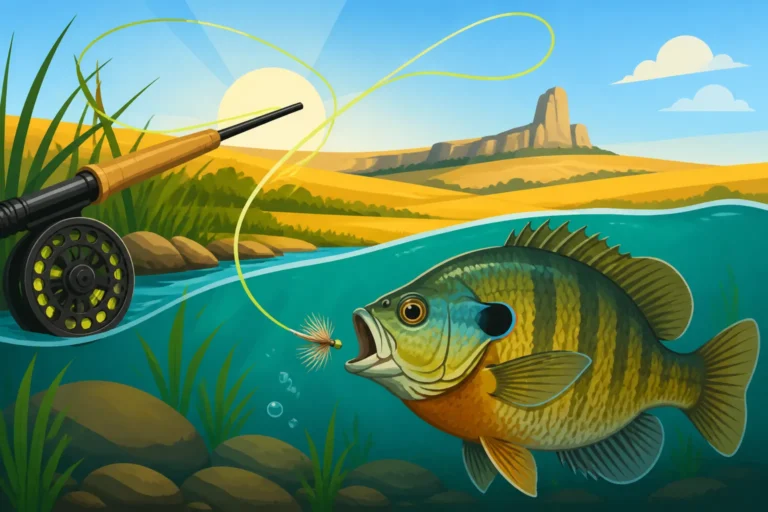
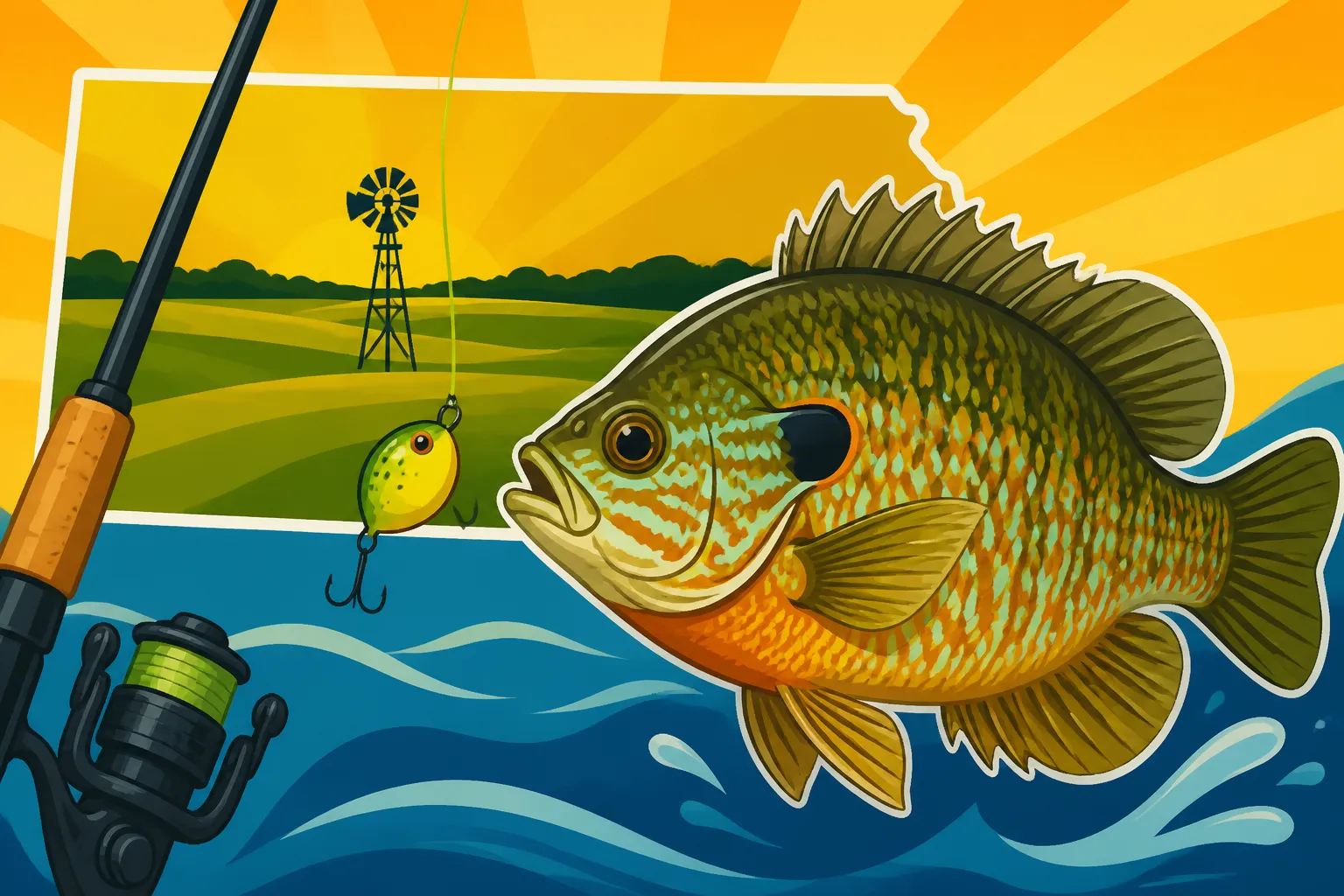
Many anglers in Kansas mistakenly identify Redear Sunfish as oversized bluegill or another type of sunfish, but these "shellcrackers" have distinct features once you know what to look for. The most obvious, of course, is the vibrant red or orange margin on the opercular flap (the "ear" flap) of the male fish. Females will have a paler, more orange or yellowish-orange margin, but it's still present. Their body shape tends to be more compressed and somewhat deeper than a typical bluegill, and they often have a brassy or olive-green coloration, sometimes with faint vertical bars. This unique color on the "ear" is truly what sets them apart and gives them their common "redear" name.
Unlike bluegill, Redear Sunfish don't have the dark spot at the base of their dorsal fin, which is a common characteristic of their bluegill cousins. Their mouths are also noticeably smaller and positioned slightly downward, which is a tell-tale sign of their bottom-feeding, snail-crushing habits. When you're pulling in a panfish and it doesn't quite look like a bluegill or crappie, take a moment to examine these specific features. Observing these physical traits closely when you make a catch will quickly help you distinguish them from other panfish species you might encounter in the same waters, such as the common bluegill or even the feisty green sunfish. Knowing what you're targeting is always the first step to successful fishing, and identifying a true Redear will help you refine your approach. If you're looking for a more general overview of panfish, check out our Kansas Panfish Guide.
Redear Habitat Preferences in Kansas Waters
Redear Sunfish aren't just called "shellcrackers" for fun; their diet primarily consists of snails, aquatic insects, and other invertebrates they find on the bottom. This preference heavily dictates their choice of habitat. They use their unique throat teeth, called pharyngeal teeth, to crush the shells of snails, which is why they earned their "shellcracker" nickname. This specialized feeding habit means they'll be found where these food sources are abundant.
In Kansas, you'll typically find Redear in clear, warm waters with abundant aquatic vegetation, submerged timber, and hard, sandy, or gravely bottoms where snails thrive. They absolutely love areas with lily pads, cattails, bulrushes, or dense weed beds, as these offer both food and protection from predators. Think about the calmer, less turbid parts of smaller state fishing lakes, larger farm ponds, or quiet coves on some of the bigger reservoirs like Clinton Lake or El Dorado Lake. If you're fishing a pond or lake with good water clarity and patches of vegetation, especially areas with some rock or gravel, you're likely in a prime Redear zone.
They generally avoid muddy, silty areas where their food source is less prevalent. Instead, they prefer areas where light can penetrate, encouraging the growth of aquatic plants and the invertebrates they feed on. Keep an eye out for submerged brush piles, old stumps, or any structure that provides shelter and a surface for invertebrates to cling to. Understanding their preferred underwater real estate is key to locating them and presenting your bait effectively. A good starting point for learning about various fish species in the state is our Kansas Fish Species Guide.
The Right Tools and Baits for Shellcrackers
Fishing for Redear Sunfish doesn't require overly specialized or expensive gear, but choosing the right tackle and bait can make a world of difference. Since their bites can be subtle and they often inhabit areas with light cover, a sensitive setup is key. The goal is to feel those delicate nibbles and present your bait as naturally as possible.
Recommended Rods, Reels, and Line for Finesse Fishing
When targeting Redear Sunfish, finesse is the name of the game. These aren't tackle busters, but they can put up a surprisingly good fight on light gear, especially the larger specimens. You'll want an ultra-light or light action spinning rod, typically in the 5 to 6.5-foot range. This length gives you enough casting distance for bank fishing but maintains the crucial sensitivity needed to detect those subtle bites. A fast or moderate-fast action tip will allow for quick hooksets while still protecting lighter lines.
Pair your rod with a small spinning reel, generally a 500 or 1000 size. These reels are lightweight and perfectly balanced for ultra-light rods, allowing for comfortable, all-day fishing. Spool your reel with 4 to 6-pound test monofilament or fluorocarbon line. Monofilament offers good knot strength and some stretch, which can be forgiving when a Redear makes a sudden run. Fluorocarbon, on the other hand, is nearly invisible underwater and sinks, which can be an advantage when trying to keep your bait on the bottom in clear water. Some anglers even opt for a very light braided line (e.g., 6-pound test) with a 4-pound fluorocarbon leader for maximum sensitivity, especially when fishing deeper water or in windy conditions. The key is balance – a setup that allows you to feel the slightest nibble while still having enough backbone to haul a respectable shellcracker out of cover. You can find a fantastic selection of ultra-light combos and various line types on Amazon. Don't underestimate the impact of a sensitive setup; Redear bites can be very light, feeling more like a slight pressure than a distinct thump. If you're interested in general rod selections, check out our guide on the Best Rod and Reel Combo for Crappie, many of which apply to Redear.
The Ultimate Natural Baits for Redear
If there's one secret weapon for Redear Sunfish, it's natural bait. These fish are opportunists, but they have a strong preference for what they naturally forage for, which primarily means invertebrates.
- Worms, Worms, Worms: Red wigglers and small nightcrawlers (pinched in half or thirds) are absolute dynamite. Their scent and wriggling action are irresistible to a cruising Redear. The Redear's downturned mouth is perfectly designed for sucking up worms from the bottom. Many experienced anglers swear by red wigglers above all else; they just seem to have that special appeal for shellcrackers. For convenience, you can often purchase these from local bait shops. Sometimes, even ordering live bait, like red wigglers, from Amazon can ensure freshness right to your door.
- Crickets and Grasshoppers: While often associated with bluegill, a live cricket or small grasshopper can also entice a curious Redear, especially if they are foraging near the surface or in weed beds. Present these under a small bobber for a natural drift, particularly in spring or early summer when insects are abundant.
- Mealworms and Waxworms: These are also excellent choices, particularly for smaller Redear or when you want a compact bait that stays on the hook well. They offer a good protein punch and are easy to store and use, making them a great option for a day of panfishing.
The presentation of your bait is just as important as the bait itself. Redear are often found near the bottom, so ensure your bait gets down to their strike zone. A small split shot or two above your hook will help achieve this. Fresh, lively bait always outperforms stale or dead offerings, so keep your bait lively in a good bait container. Need ideas for bait? Our Best Bait for Kansas Crappie guide has some crossover options that work for Redear too.
Effective Artificial Lures and Jigs
While natural baits often outproduce artificials for Redear, there are times and situations where lures can be incredibly effective, especially if you're looking for a more active fishing experience or if live bait is scarce. The key with artificials for Redear is small, subtle, and slow. You're mimicking their natural prey, so think tiny insects or small invertebrates.
- Tiny Jigs: Micro jigs, typically 1/64 to 1/32 ounce, tipped with a small plastic grub, tube, or even a piece of real worm, are fantastic. Colors like white, chartreuse, black, or natural insect patterns work well. Work these slowly along the bottom with gentle twitches, or jig them gently near submerged structure. The small profile and subtle action are perfect for enticing a Redear.
- Small Spinnerbaits/In-line Spinners: Very small inline spinners, like a #0 or #1 Mepps or Rooster Tail, can attract Redear, especially if they are actively feeding or competing in open water near cover. The flash and vibration can trigger a bite, particularly when fish are aggressive. Again, slow retrieves are usually best to keep the lure in their strike zone.
- Soft Plastics: Tiny soft plastic baits, such as two-inch grub tails, small creature baits (like micro worms or insect imitations), or even miniature worms, rigged on a small jig head, can be effective. Try letting them sink to the bottom and twitching them subtly. Often, a simple slow drag along the bottom can be enough to get a Redear's attention.
The trick with artificials is patience and observation. Pay attention to what colors and retrieve speeds are getting bites on a given day, as it can vary. Experimentation is your friend when trying to crack the code on a particular body of water.
Mastering Techniques for Consistent Redear Catches
Successfully catching Redear Sunfish consistently boils down to understanding their habits and presenting your bait or lure in a way that appeals to their natural feeding instincts. This means focusing on their preferred locations and using rigs that get your offering right in front of them without spooking them.
Finesse Presentations Near Structure
Redear Sunfish, being bottom feeders that love vegetation and structure, respond incredibly well to finesse presentations. This means light tackle, subtle movements, and getting your bait precisely where they live. These fish are often shy, so a stealthy approach pays dividends.
- Targeting Weed Lines and Lily Pads: Cast your bait right up to the edge of lily pad fields, cattail stands, or submerged weed beds. Let your bait slowly sink down through the cover. Redear will often be lurking just beneath these plants, waiting for a meal to drop from above or emerge from the vegetation. A small float can help you suspend your bait just above the thickest weeds, preventing snags while keeping it in the fish's zone. Fish these areas methodically, making sure to hit every pocket and opening in the cover.
- Fishing Docks and Submerged Timber: Docks, piers, and fallen trees provide excellent shade, cover, and a substrate for snails and insects, making them prime Redear hangouts. Gently drop or cast your bait around the pilings, under the dock, or alongside submerged logs. These areas can hold surprisingly large concentrations of Redear, especially during the brighter parts of the day when they seek refuge from intense sunlight. Remember, the fish are often right against the structure, so accuracy in your cast or drop is vital.
- Working Drop-Offs and Contours: If you have access to a fish finder or know the bottom contour of the lake, target the edges of drop-offs where deeper water meets shallower flats. Redear will often cruise these transition zones, moving between feeding grounds and deeper holding areas. A slow drag along the bottom here with a weighted bait can be very productive. They use these contour changes as highways, so setting up your presentation along these paths increases your chances.
Remember, Redear can be skittish. A quiet approach, minimal disturbance (avoid loud noises or splashing), and gentle bait presentation will significantly increase your success rate. Patience is a virtue, and thoroughness in working an area will often reveal where the fish are hiding. Many of these techniques are great Kansas Fishing Techniques for Beginners.
Effective Bottom Fishing Rigs
Given their bottom-feeding nature, setting up your rig to effectively present bait on or near the lakebed is paramount. This ensures your offering is exactly where Redear are looking for food, increasing your chances of a hookup.
- The Classic Slip-Sinker Rig: This is perhaps the most effective rig for Redear. Thread a small egg sinker or bullet weight (1/8 to 1/4 ounce, depending on depth and current) onto your main line, then tie on a barrel swivel. To the other end of the swivel, tie a 6 to 12-inch leader of fluorocarbon or monofilament, and finally, a small, sharp hook (size 8 or 10 Aberdeen or Octopus hook). The slip sinker allows the fish to pick up the bait and swim off without feeling the weight, giving you a better chance to set the hook firmly. This rig is perfect for presenting worms, mealworms, or waxworms right on the bottom, mimicking their natural food source.
- Simple Split-Shot Rig: For shallower water (under 5 feet) or when you want a more natural, subtle fall of your bait, a simple split-shot rig works wonders. Tie your hook directly to your main line and crimp one or two small split shots (typically #7 or #5) about 6-12 inches above the hook. This keeps your bait down but offers minimal resistance to the fish. It’s a very stealthy presentation for cautious Redear. For specific bank fishing insights, consider our article on the Best Rod Length for Bank Fishing.
- Bobber and Split-Shot Rig (for shallow cover): When fishing dense cover like lily pads or over a weed bed where bottom fishing is prone to snags, a small slip bobber or fixed float can suspend your bait just above the vegetation. Use a tiny split shot or two to get your bait down to the desired depth beneath the bobber. This prevents your bait from getting snagged in the thick stuff while still putting it in the Redear's feeding zone. This setup is particularly effective when you observe fish actively feeding in or around surface cover.
Always use the lightest weight possible to get your bait down, as it enhances sensitivity and makes for a more natural presentation. The less resistance the fish feels, the more likely it is to commit to the bite.
Optimal Times and Conditions
Timing can make a huge difference in your Redear Sunfish success. Knowing when they are most active can help you plan your trips for maximum productivity.
- The Spring Spawn: Without a doubt, the absolute best time to catch Redear is during their spawning season. In Kansas, this typically occurs from late April through June, when water temperatures range from 68-75°F. During this period, Redear move into shallower, hard-bottomed areas (often 2-5 feet deep) to build their circular nests. They become aggressive, territorial, and are easily caught with small baits presented near these spawning beds. Look for patches of clean gravel or sand near weed lines or submerged timber. This is the time when you can often catch multiple fish from a single area. For more seasonal insights, our Kansas Spring Fishing Guide offers additional tips.
- Early Morning and Late Evening: Like many panfish, Redear are often most active during the cooler parts of the day, particularly at dawn and dusk. The low light conditions make them feel safer to move and feed more aggressively, and they're less likely to be spooked by shadows or commotion from above. The first few hours after sunrise and the last few hours before sunset often provide the most consistent action.
- Calm, Sunny Days: While they can be caught on overcast days, Redear seem to prefer calm, sunny weather. On bright days, they will often seek refuge in shaded areas or deeper water, making structure fishing even more important. However, on calm days, they can be more visible near vegetation and will readily pick up baits. Always keep an eye on the weather patterns and adjust your fishing strategy accordingly. Heavy winds can make it difficult to feel subtle bites and present light baits effectively. Generally, understanding the full Kansas Fishing Seasons Guide can help you plan your trips.
Top Spots and Local Knowledge for Kansas Redear
Finding the right water body and then identifying key hotspots within that water body are critical steps to successfully catching Redear Sunfish in Kansas. While they might not be as widespread as bluegill, their specific preferences make them predictable once you understand where to look.
Ideal Water Bodies for Redear Sunfish
Kansas has a surprising number of great spots for Redear Sunfish if you know where to look. They aren't found in every body of water, but they thrive in many of the state's smaller, clearer impoundments.
- Kansas State Fishing Lakes: Many of these lakes, managed by the Kansas Department of Wildlife, Parks and Tourism (KDWPT), are ideal. They are often smaller, well-maintained, and have the clear water and diverse aquatic vegetation that Redear love. Lakes like Brown County State Fishing Lake, Shawnee State Fishing Lake, or McPherson State Fishing Lake are often good bets. The KDWPT regularly stocks these lakes and provides detailed fishing reports, which can often indicate the presence and abundance of Redear. You can usually find information on specific species present at these lakes on the KDWPT website or through local KDWPT offices.
- Community Fishing Lakes: Several Kansas Community Fishing Lake Rules are perfect for Redear. These urban and semi-urban ponds are often stocked and managed for family fishing, and many have good panfish populations, including Redear. These lakes are typically designed for easy public access, often with fishing piers and cleared bank access, making them convenient for a quick trip. Again, checking local KDWPT reports or visiting the KDWPT website can provide specific stocking information and recent catch reports for these community lakes.
- Private Ponds: If you have access to well-managed private ponds with good water clarity, diverse aquatic plants, and natural structure, these can be absolute Redear goldmines. Private waters often receive less fishing pressure than public lakes and can grow some truly impressive shellcrackers. Always remember to obtain explicit permission from the landowner before fishing private property. It's also important to confirm the Is a License Required to Fish Farm Ponds in Kansas? rules, as exemptions often apply if you are the landowner or a guest with permission. These ponds, especially those with minimal disturbance and healthy ecosystems, can produce some of the largest Redear in the state.
Key Structures and Hotspots to Explore
Once you're on a promising body of water, narrowing down your search to specific areas can make all the difference. Redear are creatures of habit and will often congregate around specific underwater features.
- Weed Edges and Lily Pad Fields: This is prime Redear territory. Focus your efforts along the inside and outside edges of emergent vegetation. The fish use these areas for ambush points and to find food, especially snails clinging to the plant stems. Pay close attention to thicker patches where the vegetation offers more cover.
- Submerged Brush Piles and Timber: These offer excellent cover, protection from predators, and attract baitfish, which in turn attract panfish. Look for old tree stumps, submerged logs, or intentionally placed brush piles by local fisheries management. Your boat's fish finder or even just careful observation from shore can reveal these hotspots. These areas are magnets for invertebrates, providing a consistent food source for shellcrackers.
- Docks, Piers, and Overhanging Trees: Any structure that casts shade or provides overhead cover can be a Redear magnet, especially on bright, sunny days when they seek refuge from intense sun. Fish around and under these structures carefully. The pilings and submerged sections often host algae and invertebrates, making them ideal feeding grounds.
- Transition Areas: Look for spots where a hard bottom transitions to a soft bottom, or where shallow flats drop off into deeper channels. Redear will often congregate along these edges. For instance, on a larger reservoir, the edges of submerged creek channels or old roadbeds can be fantastic. Using a good fish finder, like those readily available on Amazon, can help you identify these subtle underwater changes and pinpoint productive areas. If you’re looking for bait shops near some popular locations, our Best Bait Shops Near Milford Lake might provide some useful leads.
When you find one Redear, you're often close to more, so thoroughly work an area before moving on. Redear often school together, so if you catch one, keep fishing the immediate vicinity. Patience and persistence are rewarded with these unique and fun-to-catch Kansas panfish.
| Redear Sunfish vs. Bluegill Comparison | Redear Sunfish (Shellcracker) | Bluegill |
|---|---|---|
| Opercular Flap ("Ear") | Red/Orange margin (prominent on males) | Solid black/dark blue (no colored margin) |
| Diet Preference | Snails, aquatic insects, bottom foragers | Insects, small crustaceans, surface feeders |
| Mouth Position | Slightly downturned, smaller | Terminal, slightly larger |
| Body Coloration | Brassy/olive green, sometimes faint bars | Dark olive, often with distinct vertical bars |
| Dorsal Fin Spot | Absent | Present (dark spot at base) |
| Preferred Habitat | Clearer water, abundant vegetation, hard bottom | Wide range of habitats, often near cover |
| Fight Characteristics | Strong, deliberate pull | Zippy, often broadside |
Disclaimer
Fishing conditions and regulations in Kansas can change, so always ensure you check the latest KDWPT guidelines before heading out. This guide is for informational purposes only and should not replace official regulations.