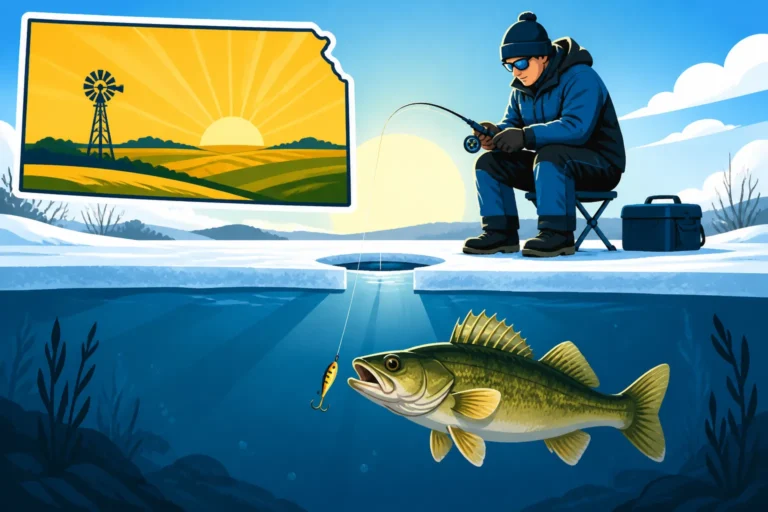
Best Time to Ice Fish
It can be incredibly frustrating to bundle up, trek out onto the ice, drill countless holes, and then… nothing. You might wonder if you're hitting the hard water at the wrong time, and honestly, timing truly is everything when it comes to ice fishing in Kansas. This comprehensive guide is here to shed light on when to plan your outings for the absolute best chances of reeling in a good catch, ensuring your next adventure on the frozen lakes and ponds of Kansas is a memorable one.
Understanding Optimal Ice Conditions and Safety
Before we even talk about when the fish are biting, we absolutely have to talk about ice safety. There’s no point in knowing the perfect time to fish if you can’t get out there safely. Kansas winters can be fickle, so the ice conditions can change rapidly. Always prioritize safety above all else.
The Critical Importance of Early Ice
Those first few weeks when the ice finally sets are often a magical time for dedicated ice anglers. The fish haven't seen much pressure, and they're often still quite active, sometimes holding in similar areas they did during late fall. This is typically when you'll find shallower action, as fish haven't yet settled into their deeper winter patterns. They're still cruising weed lines and patrolling shallow breaks, making them accessible to those willing to venture out.
However, "early ice" also means exactly that – the ice is early in its formation. It’s often thinner and less stable than later in the season. This is when the most caution is needed. You might hear whispers of anglers getting out on 2-3 inches of ice, but that’s an extreme risk. We really need to stress that early ice conditions demand constant vigilance. Always use a spud bar to check thickness as you go, especially in unfamiliar areas, and never fish alone. Many experienced anglers won't even consider stepping on anything less than 4 inches of clear, solid ice for individual foot travel, and even then, they're extremely careful. For a great resource on the specifics, check out our guide on How Thick Does Ice Need to Be to Fish?.
Navigating Mid-Season Stability
Once January and often much of February roll around, Kansas typically sees its most stable and thickest ice conditions. This is when you can often feel more confident venturing further out and bringing along more gear, like a portable ice shelter or an ATV (if allowed and safe). The prolonged cold has had ample time to create a solid, dependable sheet of ice over most bodies of water.
During this mid-season period, fish patterns can shift significantly. They've likely moved off shallower structures and into deeper water, often suspending over basins or holding tight to bottom structure like humps, submerged points, and channel edges. This means you'll spend more time drilling holes and relying on electronics to locate those subtle changes in depth or concentrations of baitfish. The sheer stability of the ice during this time allows for a more relaxed approach, but it also means the fish have become more accustomed to the overhead noise and pressure, potentially making them a bit harder to tempt.
The Challenges and Rewards of Late Ice
As winter starts to give way to spring, usually in March, we enter the "late ice" period. This can be one of the most productive times of the ice fishing season, but it's also incredibly dangerous. The longer days and warming temperatures start to melt the ice from the top down, and the sun's angle can cause it to become "honeycombed" – appearing thick from above but lacking structural integrity underneath. What might have been 8 inches of solid ice in February could be a mere 4 inches of unsafe, decaying ice by March.
However, the rewards can be huge. Fish, especially crappie and bluegill, start to become incredibly active as they sense the approaching spawn. They move shallower, often congregating near historical spawning grounds or areas with good sun penetration. Walleye can also be on a pre-spawn feed, making them aggressive. Always check conditions hourly during late ice, and don't be afraid to call it a day if things feel unsafe. Understanding Is Ice Fishing Safe on Lakes? is paramount during this volatile time.
Essential Ice Safety Protocols
No discussion about ice fishing can be complete without hammering home safety. Beyond checking ice thickness, there are some non-negotiable rules. Always carry a spud bar to test ice ahead of you, especially when moving into new areas. Invest in a pair of ice picks worn around your neck; they could be your lifesaver if you go through. A rope or throw bag is also crucial for helping others (or being helped). Consider a floatation suit, easily found on Amazon, which can significantly increase your survival time in frigid water. Never fish alone, and always tell someone where you're going and when you expect to return. The Kansas Department of Wildlife, Parks and Tourism (KDWPT) often issues advisories, so stay informed about local conditions before heading out.
Best Times of Day for Ice Fishing Success
Just like open water fishing, the time of day plays a massive role in your success when ice fishing. Fish don't just bite whenever; they have preferred feeding windows influenced by light, temperature, and their natural predatory instincts.
The Magic of Dawn and Dusk Bites
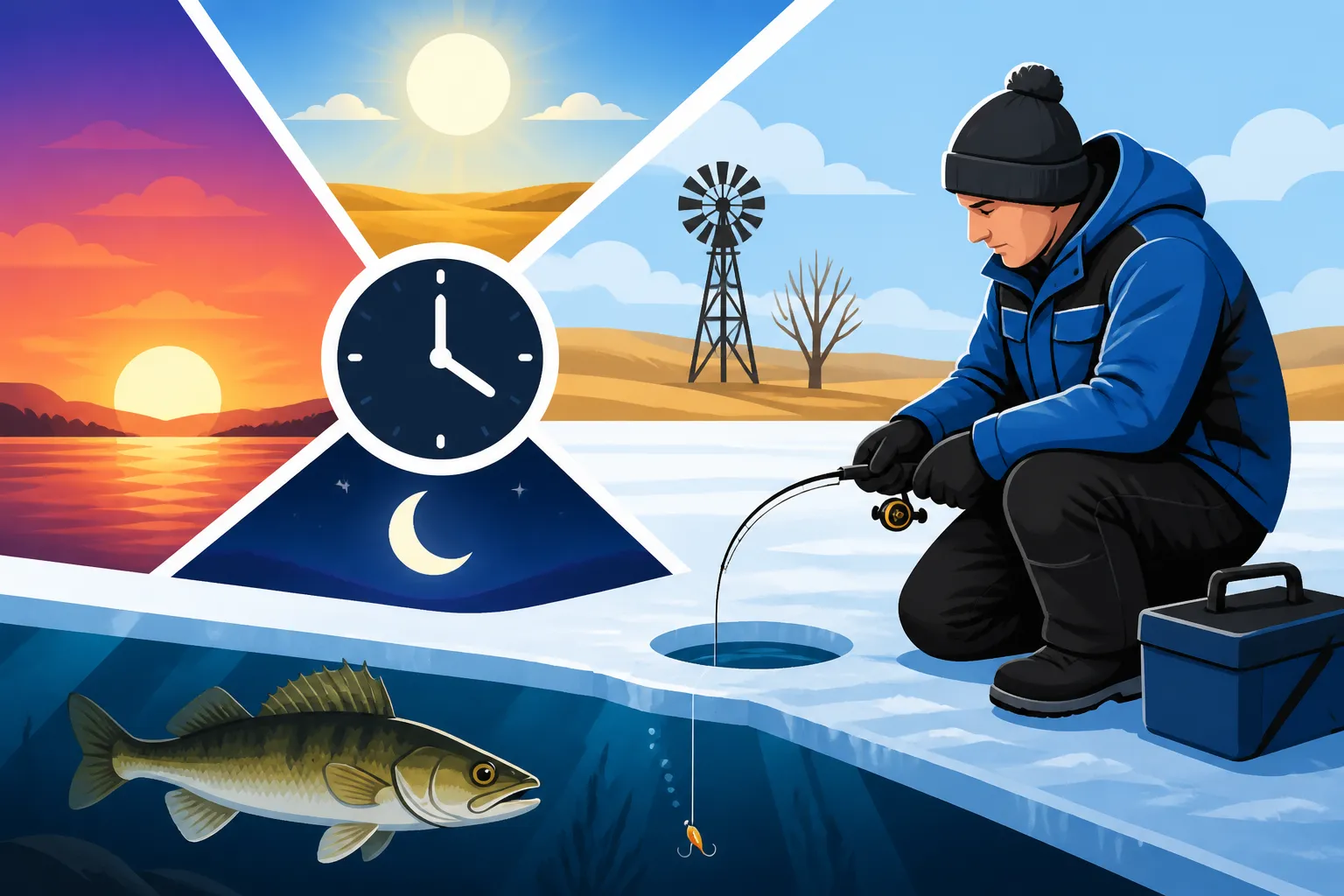
Hands down, for many popular species like walleye and crappie, the periods around dawn and dusk are often the most productive. These low-light conditions trigger feeding frenzies. Walleye, known for their light-sensitive eyes, move shallower and become more active as the sun dips below the horizon or before it fully rises. Similarly, crappie often school up and actively feed during these twilight hours.
To truly capitalize on these windows, you need to be set up before the prime time hits. That means getting to your spot well before sunrise or staying on the ice until after sunset. Bring a good headlamp, like those available on Amazon, to help with visibility. For walleye, vertical jigging with spoons or small swimbaits can be highly effective during these periods. For crappie, tiny jigs tipped with a wax worm or minnow, suspended just above them on your fish finder, often do the trick.
Midday Lulls and Strategies
Don't despair if you can only get out during the middle of the day; it's not always a "dead" period. While the sun is high and bright, many fish tend to become less aggressive, often retreating to deeper water or holding tighter to cover. This is when the bite can slow significantly, and you might experience what feels like a "lull."
However, smart anglers adapt. During midday, it's often effective to downsize your bait and lighten your line. Slower, more subtle presentations become key. Think small tungsten jigs with a single wax worm, or a tiny spoon gently fluttered. This is also a good time to become a "hole hopper," drilling a series of holes and quickly checking each one with your flasher or fish finder. Don't linger if fish aren't showing interest; keep moving until you find active fish. Panfish like bluegill and perch can sometimes be more active during midday, especially if you find them schooling up near weed edges or drop-offs that still offer some cover.
Night Fishing for Predatory Species
If you're truly dedicated to chasing walleye and crappie, then night fishing can be incredibly rewarding. These species are often even more active after dark, especially in lakes with clearer water. The darkness provides them with a significant advantage over their prey, and they'll actively hunt.
The key to successful night fishing is attracting baitfish. Many anglers use underwater lights or even powerful lanterns set up over their holes to draw in zooplankton and small minnows, which in turn attract the larger game fish. Once the baitfish are concentrated, the predators usually aren't far behind. Again, safety is crucial here – extra layers, reliable lighting, and the buddy system are non-negotiable. Night fishing can also be a more peaceful experience, with fewer anglers on the ice, making it a unique and often productive adventure. Just remember to check Kansas Fishing Regulations Explained to ensure night fishing is permitted in your chosen location.
Prime Periods Within the Kansas Ice Fishing Season
Kansas doesn't have an official "ice fishing season" like some states, but generally, the period from late December through early March offers opportunities. Within this broader window, certain periods tend to be more productive than others, depending on the species you're targeting and the overall weather conditions.
Early Season Excitement: December
Assuming consistent cold temperatures, safe ice typically starts to form in late December, particularly on smaller ponds and shallower state fishing lakes. This initial freeze offers some of the most exciting fishing of the year. Fish haven't been pressured by anglers for long, and they're still carrying over some of that aggressive feeding behavior from the late fall. Look for them around remaining green vegetation, submerged points, and shallow breaklines.
This is also a prime time for the KDWPT's winter trout stocking program. Many community lakes and ponds across the state receive a fresh batch of rainbow trout (and sometimes even golden rainbow trout) in December, creating fantastic fishing opportunities. These trout are often actively feeding and can be caught on a variety of small jigs, PowerBait, or corn. If you're targeting these finicky eaters, be sure to have your Kansas Trout Permit Guide ready, as it's required in addition to your regular fishing license for anglers 16 and older. Our Kansas Winter Trout Fishing Guide provides even more detailed insights into this popular early-season pursuit.
Peak Winter Action: January and February
These are the core months for ice fishing in Kansas. The ice is usually at its thickest and most stable, allowing for greater mobility and often access to larger reservoirs. While the fish might have settled into more defined winter patterns, the sheer abundance of safe ice means you have more opportunities to explore and locate them.
During January and February, target deeper structures on large bodies of water like Milford Lake, Cheney Reservoir, or Wilson Lake. Walleye will often be found hugging rocky points, humps, or main lake points in 15-30 feet of water. Crappie will suspend over deep basins, relate to standing timber, or stack up on brush piles. Investing in a good portable fish finder, readily available on Amazon, can make a huge difference in locating these schools of fish quickly. This is also the time you'll want to review Fish You Can Catch Ice Fishing in Kansas to maximize your multi-species approach. Remember, layering clothing is essential for comfort during these colder months.
The Thrill of Late Season: March
As discussed earlier, late ice in March can be incredibly productive, but it comes with significant risks. The longer days and warming water temperatures cause fish to become more active, often moving shallower in preparation for the upcoming spring spawn. Crappie and bluegill will start staging in shallower bays and protected coves, making them easier to target. Walleye, too, can be on a strong pre-spawn bite, especially around traditional spawning areas.
However, the quality of the ice rapidly deteriorates. What was safe one day can be treacherous the next. Always pay attention to the ice color, texture, and listen for sounds. Honeycomb ice, slush, and areas of open water are all signs to heed. While the fishing can be fantastic, always err on the side of caution. Consider fishing from shore in areas where open water is beginning to form, or stick to smaller, shallower ponds that melt off completely rather than breaking up dangerously on larger reservoirs.
Key Factors Influencing Ice Fishing Timing
Beyond the general season and time of day, several other factors can significantly impact your ice fishing success. Ignoring these can lead to those frustrating "skunk" days we all try to avoid.
Impact of Weather Patterns
Weather plays a massive role in fish activity, even under a sheet of ice. Stable weather patterns, especially those with consistent high barometric pressure, generally lead to more active fish. Sudden cold fronts, on the other hand, can shut down the bite almost immediately. A sharp drop in air temperature or a sudden shift in pressure can send fish to deeper water, making them lethargic and less willing to bite.
Snow cover on the ice is another factor. A light dusting of snow can actually insulate the ice and make it less transparent, which can be good as fish feel less exposed. However, heavy snow can block out sunlight, reducing weed growth and potentially making fish less active. It also makes travel on the ice much harder. On warmer, sunny days, fish might move to shallower, sun-exposed areas where the water warms slightly. Keep an eye on the forecast, and if possible, plan your trips around stable, favorable conditions.
Tailoring Your Trip to Target Species
Different fish species have different preferences for feeding times and locations under the ice. Understanding these nuances is key to timing your trip for specific targets.
- Walleye: These toothy predators are notoriously active during low-light periods – dawn, dusk, and even well into the night. They'll often cruise rocky points, humps, and drop-offs. Early and late ice periods can be particularly good for aggressive walleye.
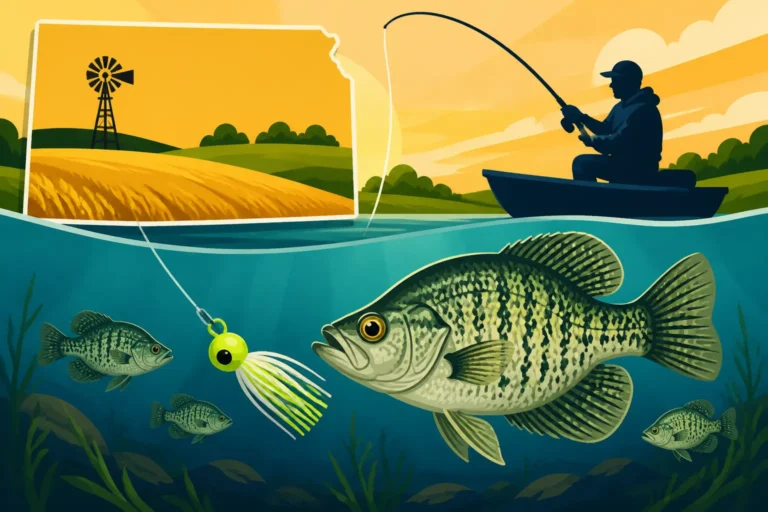
- Crappie: Another low-light lover, crappie will often bite best during dawn, dusk, and after dark, especially if you're using lights to attract them. They tend to school up around brush piles, standing timber, or suspend over deep basins. Our guide on How Deep to Fish for Crappie in Winter offers specific depth insights.
- Bluegill and Perch: These panfish are often more tolerant of brighter midday conditions. They relate to weed edges, subtle depth changes, and can be found schooling in shallower water (5-15 feet). They’re a great target for beginners or for keeping busy during slower periods.
- Trout: Stocked rainbow trout are often quite active during the middle of the day, making them a fantastic target for a family outing. They typically cruise shallower depths in the upper water column of community lakes.
- Catfish: While less commonly targeted through the ice, channel catfish can be caught, often preferring deeper channels or areas with softer bottoms. They might be more active at night or during warmer spells.
Locating the Best Kansas Ice Fishing Spots
Kansas boasts a variety of fantastic ice fishing opportunities, from large reservoirs to smaller state fishing lakes and urban community ponds. Your choice of location should align with your target species and preferred fishing style.
Larger reservoirs like Milford Lake, Cheney Reservoir, or Wilson Lake offer opportunities for walleye, crappie, and even wipers, but require more diligent ice safety checks and often more extensive travel to find fish. They also have specific Ice Fishing Rules on Kansas Lakes you'll want to be familiar with. Smaller Kansas State Fishing Lakes and community ponds often freeze up earlier and offer more consistent action for panfish and stocked trout, making them ideal for family trips or those new to ice fishing. Always check local regulations, as some community lakes might have unique rules regarding ice fishing. Our comprehensive Kansas Ice Fishing Guide provides a wealth of information on regulations and popular spots across the state.
Knowing the prime times to hit the hard water in Kansas can drastically improve your success rate and make those cold days much more rewarding. It's a combination of paying attention to ice safety, understanding daily fish behaviors, and recognizing seasonal patterns.
| Species | Best Time of Day | Best Season Period | Typical Depth (Winter) | Key Factors |
|---|---|---|---|---|
| Walleye | Dawn/Dusk/Night | Early & Late Ice | 15-30 feet | Rocky points, humps, stable weather, electronics |
| Crappie | Dawn/Dusk/Night | Early & Late Ice | 10-25 feet | Brush piles, standing timber, baitfish |
| Bluegill/Sunfish | Midday | Mid-season | 5-15 feet | Weed edges, drop-offs, sunny days, light tackle |
| Rainbow Trout | Midday | Early & Mid-season | 5-10 feet | Stocked ponds, consistent feeding |
| Catfish | Night | Mid-season | 15-30 feet | Deeper channels, softer bottoms, robust baits |
Once you're confident in your timing and location, having the right gear is the next step. Whether you prefer a hand auger for portability or a powerful electric one you can order from Amazon, having the right tool to get through the ice is essential. A quality ice fishing shelter, often found with great reviews on Amazon, provides much-needed warmth and protection from the Kansas wind, making those longer waits for the fish much more comfortable. For specific gear recommendations, check out our guides on Best Ice Fishing Auger for Kansas Lakes and Best Ice Fishing Shelter for Kansas. Getting your Kansas Ice Fishing License Requirements sorted before you go is also crucial! By combining thoughtful planning, the right gear, and understanding the nuances of fish behavior, you'll be well on your way to a successful and enjoyable day on the ice. Also, diving into How to Catch Fish Under the Ice in Kansas can really boost your angling skills and help you bring home more fish.
Disclaimer
Please be aware that fishing conditions and regulations can change. Always consult the latest Kansas Department of Wildlife, Parks and Tourism (KDWPT) regulations before heading out. Safety on the ice is paramount; no fish is worth risking your life.