How to Troll for Walleye on Rocky Points
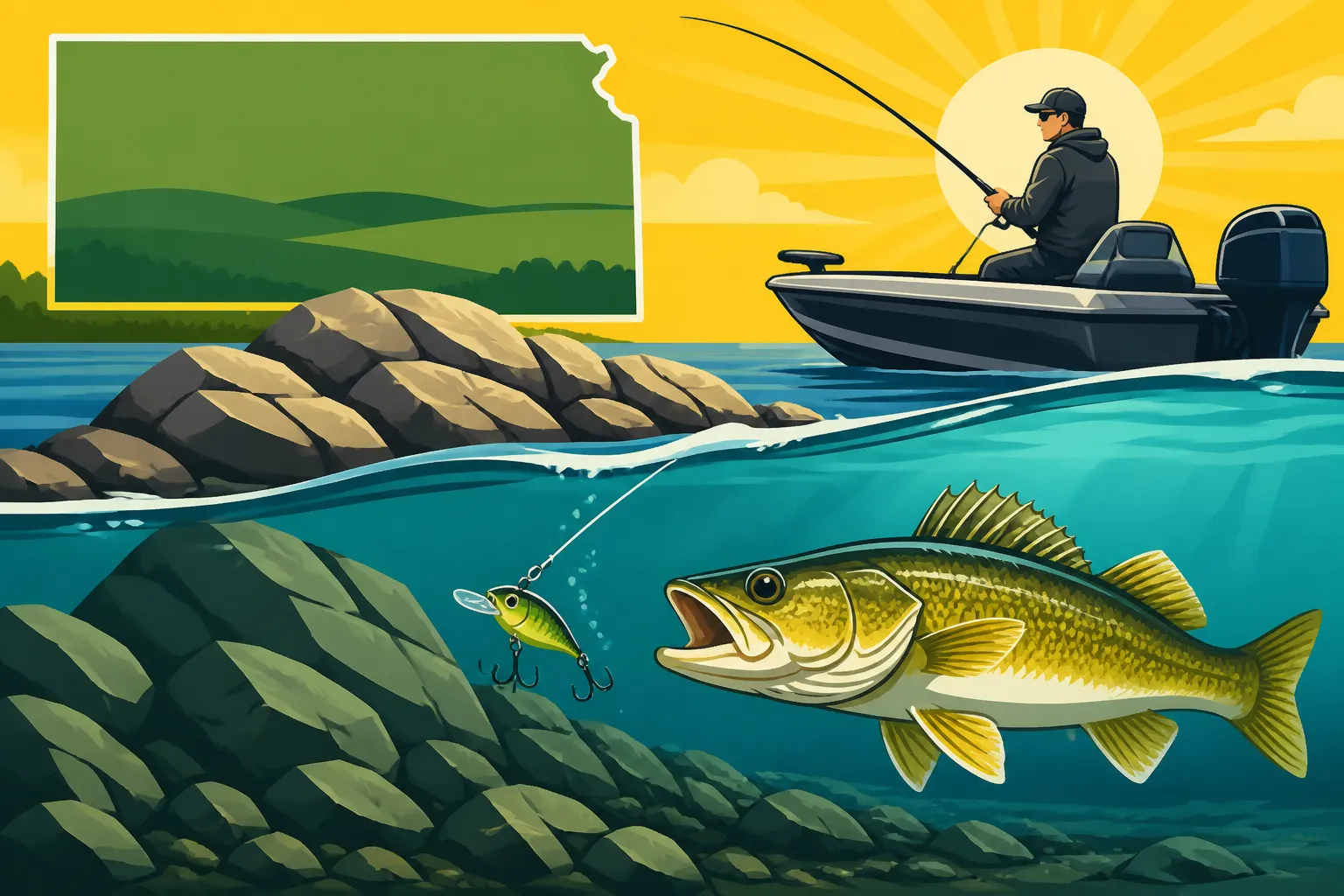
There’s nothing quite as frustrating as heading out to your favorite Kansas reservoir, full of hope, only to spend hours casting without a single bite, especially when you know those elusive walleye are lurking somewhere beneath the waves. Trolling rocky points can feel like a secret handshake among experienced anglers, a technique that promises to unlock those hidden schools of fish. This guide is all about demystifying that process, walking you through everything you need to know to effectively troll for walleye on rocky points, turning those frustrating days into successful catches.
Understanding Walleye Behavior on Rocky Points
Rocky points in Kansas lakes are prime real estate for walleye, but understanding why and when they use them is the first step to consistent success. These fish are ambush predators, and rock structures provide the perfect environment for them to hide, hunt, and even spawn.
Why Walleye Gravitate Towards Rocky Structures
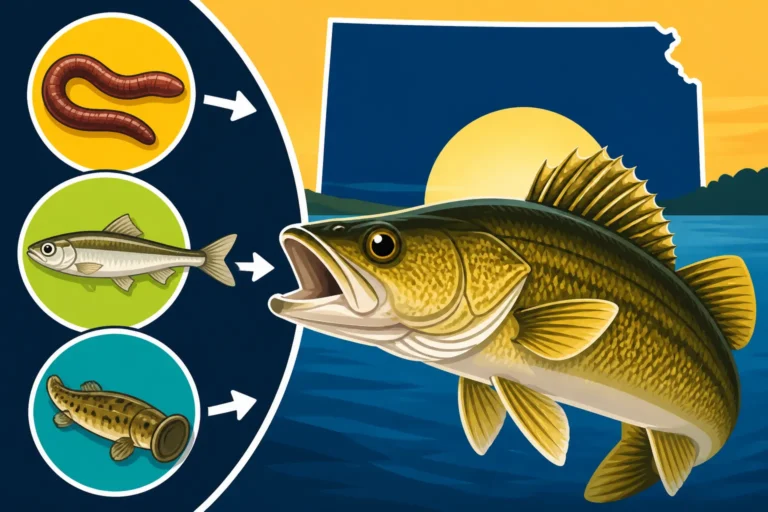
Walleye are masters of camouflage and leverage their environment to their advantage. Rocky points offer a smorgasbord of benefits for them. First, the rocks themselves provide cover from predators and harsh sunlight, which walleye, with their light-sensitive eyes, particularly appreciate. Second, these structures often create current breaks and eddies, concentrating baitfish like shad and juvenile perch, making it an easy feeding ground. Imagine a buffet line set up just for them! When the wind blows across a point, it can push baitfish against it, creating a natural feeding frenzy opportunity.
Beyond just cover and food, rocky points are also crucial during spawning season. Walleye prefer hard-bottom areas like gravel and rock to lay their eggs, typically in shallower waters where currents help oxygenate the eggs. While you won't be trolling during the spawn, knowing these areas are critical reproductive zones helps you understand the long-term patterns of walleye. Throughout the rest of the year, these points act as transition zones – places where walleye move between deep, cool water and shallower feeding grounds, especially during low light conditions or when weather patterns shift. This makes them ideal targets for anglers seeking to intercept these moving fish.
Identifying Productive Rocky Points
Not all rocky points are created equal. A simple hump might hold a few fish, but a truly productive point often has specific characteristics that scream "walleye hangout." Look for points that extend far out into the main lake or channel, especially those with sharp drops, ledges, or underwater humps adjacent to them. These features create diverse depth contours, allowing walleye to position themselves precisely at their preferred depth, whether they're shallow and feeding aggressively or deep and resting.
Another key indicator is the presence of baitfish on your fish finder. If you mark schools of baitfish holding tight to the structure, you can bet walleye are nearby. Pay attention to points near creek channels, old roadbeds, or submerged timber, as these additional structures create even more complexity and ambush points. On large bodies of water like Milford Lake or Wilson Lake, these key points can stretch for hundreds of yards. Don't just focus on the tip of the point; explore the entire length, looking for subtle changes in depth or rock composition. Understanding Kansas Walleye Fishing Guide can help you dial in on these locations.
Essential Gear for Trolling Rocky Points
Equipping yourself correctly is paramount when trolling rocky points. This isn't just about having any rod and reel; it's about having the right tools to present your lure effectively, detect subtle bites, and withstand the inevitable encounters with jagged rocks.
Rods, Reels, and Line Selection
For trolling walleye on rocky points, you'll want a rod that offers a good balance of sensitivity and backbone. A medium-light to medium power rod, typically 6'6" to 8'6" in length, is ideal. The longer rod helps spread your lines if you're running multiple, and the moderate action absorbs shock from snags and powerful fish surges. Brands like Ugly Stik or St. Croix offer great options. Pair this with a reliable baitcasting reel that has a smooth drag system and a line counter. A line counter is crucial for replicating successful depths once you find them.
When it comes to line, a good fluorocarbon or braided line is often preferred. Fluorocarbon, like Seaguar InvizX, is nearly invisible underwater and has less stretch than monofilament, giving you better feel for what your lure is doing and increased sensitivity to light bites. Braid, such as PowerPro, offers incredible strength and zero stretch, making it excellent for detecting subtle hits and powering through snags. If you opt for braid, consider adding a 10-20 foot fluorocarbon leader to maintain stealth. The optimal line weight for walleye trolling is typically 10-15 lb test for fluorocarbon and 20-30 lb test for braid. This allows for solid hook sets and enough abrasion resistance against the rocky bottom. You might find a great selection of these on Amazon. Check out the Best Rods and Reels for Kansas Fishing for more specific recommendations.
Lures and Terminal Tackle
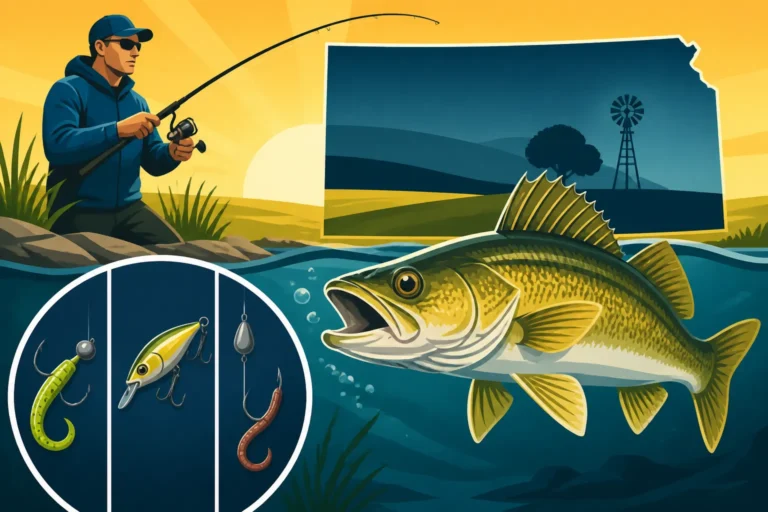
The right lure can make all the difference. When trolling rocky points, crankbaits are king. Look for crankbaits that are designed to dive to specific depths and have a good "hunting" action, meaning they wobble or dart erratically. Popular choices include:
- Diving Crankbaits: Rapala Shad Raps, Berkley Flicker Shads, and Storm Original ThunderSticks are classic walleye baits. Choose sizes and colors that mimic local baitfish.
- Bottom Bouncers: These are invaluable when the fish are tight to the bottom in extremely rocky areas. A bottom bouncer, paired with a snell rig and a nightcrawler or minnow, allows your bait to stay near the bottom without constantly snagging.
- Crawler Harnesses: Often used with bottom bouncers, these multi-hook rigs adorned with beads and blades are incredibly effective, especially when tipped with a live nightcrawler. The flash and vibration can draw in walleye from a distance.
Keep a variety of colors and sizes on hand. Natural colors like silver, perch, and shad patterns are always good, but don't shy away from brighter, more aggressive colors like firetiger or chartreuse, especially in stained water or low light. For terminal tackle, always use high-quality swivels to prevent line twist and sharp hooks. Consider upgrading the treble hooks on your crankbaits to stronger, sharper ones right out of the box.
| Lure Type | Ideal Depth Range | Trolling Speed (MPH) | Advantages | Best Conditions |
|---|---|---|---|---|
| Diving Crankbait | 5-25 feet | 1.5-2.5 | Mimics baitfish, good for suspended fish, varied action | Clear to stained water, active fish, varying depths |
| Bottom Bouncer | Bottom-hugging | 0.8-1.5 | Excellent for precise depth control, avoids snags | Very rocky bottom, lethargic fish, deep structure |
| Crawler Harness | Bottom-hugging to 10 feet | 0.8-1.5 | Attracts with flash/vibration, live bait presentation | All conditions, especially effective with slow speeds |
Boat Control and Electronics
Modern boat control and electronics have revolutionized walleye trolling. A good GPS-enabled fish finder is non-negotiable. Look for units with side-imaging or down-imaging capabilities, which allow you to literally "see" the rocky structure, individual rocks, and even fish holding tight to it. Brands like Humminbird and Lowrance offer excellent fish finders that can display detailed contour maps, crucial for identifying those subtle depth changes. Being able to pinpoint structure and baitfish on your screen is a game-changer. For advice, check out a Kansas Fish Finder Buying Guide.
Your trolling motor is your silent partner. An electric trolling motor, especially one with GPS anchoring capabilities (like Minn Kota's Spot-Lock or Garmin's Force), allows you to precisely control your boat's speed and direction, even in windy conditions. This is vital for following contour lines around rocky points and presenting your lure exactly where the fish are. Having a quiet, efficient trolling motor means you can sneak up on fish without spooking them. Remember, Kansas Boat Registration Guide ensures you're legally ready to hit the water, and a good Kansas Trolling Motor Guide can help you pick the right one.
Mastering the Trolling Technique
Trolling isn't just dragging a lure behind a boat. It's a nuanced dance between boat speed, lure depth, and reading the water to present your bait in the most enticing way possible.
Optimal Trolling Speed and Depth
The "perfect" trolling speed for walleye can vary greatly depending on water temperature, lure type, and fish activity. Generally, a speed between 1.5 to 2.5 miles per hour (MPH) is a good starting point. However, always experiment. Sometimes, a slight increase or decrease in speed can trigger bites. If the water is cold or the fish are lethargic, slower speeds (1.0-1.5 MPH) might be more effective. In warmer water or during active feeding periods, you might speed up to 2.5-3.0 MPH. Watch your rod tips – a good lure action is key.
Depth control is perhaps the most critical aspect of trolling rocky points. Walleye are often found relating tightly to structure, so your lure needs to be right in their strike zone. Use your line counter on your reel to precisely determine how much line you're letting out, and consult dive charts for your specific crankbaits. A good rule of thumb is to aim for your lure to occasionally "tick" the bottom or bump off rocks. This contact often triggers a reaction strike and helps you stay in the productive zone. If you're constantly snagging, you're either going too deep or too slow. Adjust your speed, line length, or switch to a shallower diving lure. Pay attention to How Deep to Fish for Walleye in Summer and other seasons affect their patterns.
Reading Structure and Contour Lines
Your fish finder is your best friend when trolling rocky points. Learn to interpret the sonar readings:
- Bottom Hardness: Hard returns usually indicate rock or gravel, prime walleye habitat. Soft returns might be mud or silt, less productive.
- Depth Changes: Identify distinct contour lines on your map. Walleye often hold right on the edge of a drop-off or a breakline where shallow water meets deeper water.
- Baitfish and Arches: Look for clouds of baitfish or distinct arches, which indicate game fish. If you see fish sitting right on the bottom near a rocky transition, that’s where you want your lure.
Focus on trolling along contour lines rather than directly over them. This keeps your lure in the same depth zone for longer, increasing your chances of a strike. If you troll perpendicular to contours, your lure will quickly move in and out of the strike zone. Use your GPS and trolling motor to precisely follow those underwater contours. This takes practice, but it's a skill that will dramatically improve your success. On a windy day on Cheney Reservoir, using your trolling motor's GPS anchor to hold your boat while you precisely follow a rocky ledge can be incredibly effective.
Boat Positioning and Patterning Fish
Your boat's position relative to the rocky point matters. Often, walleye will be on the sides of the point rather than directly on top, especially where the point drops off into deeper water. Start by making wide passes around the point, gradually tightening your turns until you start getting bites. Once you get a strike, immediately mark the spot on your GPS. This allows you to return and make repeated passes over that productive area.
Pay close attention to what triggered the bite: Was it a specific depth? A change in speed? A particular lure color? This is called "patterning" the fish. Walleye often group by similar preferences, so if you catch one fish doing something, you're likely to catch more doing the same. Don't be afraid to experiment with different lures, depths, and speeds until you find what works. Also, consider the time of day. Walleye are often more active during low-light conditions like dawn, dusk, or even Best Time of Day to Catch Walleye at night, making these prime times to work those rocky points.
Troubleshooting and Advanced Tips
Even with the right gear and technique, you'll encounter challenges. Learning to troubleshoot and employ advanced strategies will elevate your walleye game.
Dealing with Snags and Break-Offs
Trolling rocky points inevitably means getting snagged. It's frustrating, but it's part of the game. Here's how to minimize and manage them:
- Lure Retrieval: When you feel a snag, immediately stop the boat, reverse direction, and let some slack in the line. Sometimes, the lure will float free. If not, try slowly pulling from different angles. A telescopic lure retriever can be a lifesaver, allowing you to slide a weight down your line to free the snagged lure. These are widely available on Amazon.
- Line Choice: As mentioned, braided line with a fluorocarbon leader offers excellent abrasion resistance. The braid's strength helps you pull free from many snags that would snap monofilament.
- Hook Upgrades: Replace cheap factory hooks with stronger, sharper treble hooks. While they might get snagged more often, they're less likely to bend or break off in the fish or on a light snag, saving you frustration and lost fish.
- Bottom Bouncers: For extremely gnarly bottom, bottom bouncers are your best friend. Their design helps them "walk" over obstacles with fewer snags than a diving crankbait. You can often find a wide array of options when looking for Best Lures for Kansas Walleye.
Prevention is key: watch your fish finder constantly. If you see extremely dense rock fields or thick brush, either pull your lure up slightly or steer around it. It's better to miss a potential fish than to spend valuable fishing time retrieving or re-tying.
Seasonal Adjustments and Environmental Factors
Walleye behavior on rocky points shifts with the seasons and environmental conditions:
- Spring (Post-Spawn): After spawning, walleye will often move from shallower spawning grounds to nearby rocky points to recover and feed. They might be in shallower water (5-15 feet) during this time, actively feeding on baitfish. Focus on points close to known spawning flats.
- Summer: As waters warm, walleye tend to move deeper, often concentrating on offshore rocky points and humps during the day. They'll relate to deeper structure (15-30+ feet) and might only move shallow during low-light hours. During this time, look for points with access to deep water.
- Fall: As water temperatures drop, walleye become very active and aggressive. They'll move back onto main lake rocky points, feeding heavily in preparation for winter. This is often a fantastic time for trolling, with fish spread across a variety of depths.
- Winter (Ice Fishing): While not trolling, walleye will still relate to rocky points under the ice, often positioning themselves on deep points or humps near main lake channels.
Beyond seasons, pay attention to weather. Overcast days or choppy water can scatter walleye, making them more active and willing to chase. Calm, bright days might push them deeper or tighter to cover. Wind can also concentrate baitfish and therefore walleye on the wind-blown side of a point. Understanding Kansas Fishing Seasons Guide provides a broader context for these changes.
Using Planer Boards for Spreading Lines
If you're serious about covering water efficiently on larger Kansas reservoirs, planer boards are a fantastic tool. These small devices clip onto your line and carry your lure away from the boat, allowing you to spread out multiple lines and cover a much wider swath of water. This is especially useful when walleye are spread out over a wide rocky flat or along a long point.
Planer boards help you present lures in undisturbed water, away from the boat's shadow and motor noise. They also allow you to run multiple lures at different depths and distances from the boat, increasing your chances of finding the fish's preferred presentation. You can run shallow-diving crankbaits closer to the boat and deeper divers further out on the boards, covering a vast depth range. Keep an eye on your boards, as a sudden dip or pull indicates a fish or a snag. When a fish hits, the board releases, allowing you to fight the fish directly. Learning to use planer boards takes a little practice, but it's an invaluable skill for serious walleye anglers.
Disclaimer
Fishing conditions and regulations in Kansas can change frequently. Always consult the latest Kansas Department of Wildlife, Parks and Tourism (KDWPT) regulations before heading out. This guide is for informational purposes only and does not supersede official KDWPT rules and guidelines. Be safe and practice ethical angling.