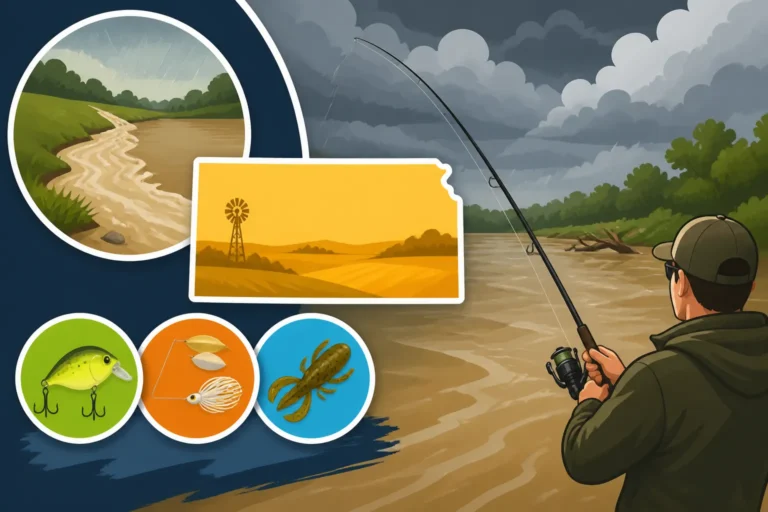
Does Barometric Pressure Affect Kansas Fishing?
We've all been there: you head out to your favorite Kansas fishing spot, the weather looks perfect, and yet the fish just aren't biting. Or maybe, against all odds, you have an incredible day just before a big storm rolls in. It's frustrating when you can't pinpoint why some days are magic and others are a bust. One of the biggest, often overlooked, factors influencing fish activity is barometric pressure, and understanding it can completely change your approach to fishing in Kansas. This guide will demystify barometric pressure, explain how it impacts our beloved fish species, and give you actionable strategies to improve your catches no matter what the forecast brings.
Understanding Barometric Pressure and Its Role in Fishing
Before we dive into how fish react, let's get a handle on what barometric pressure actually is. It might sound like something only meteorologists should worry about, but for us anglers, it's gold.
What Exactly Is Barometric Pressure?
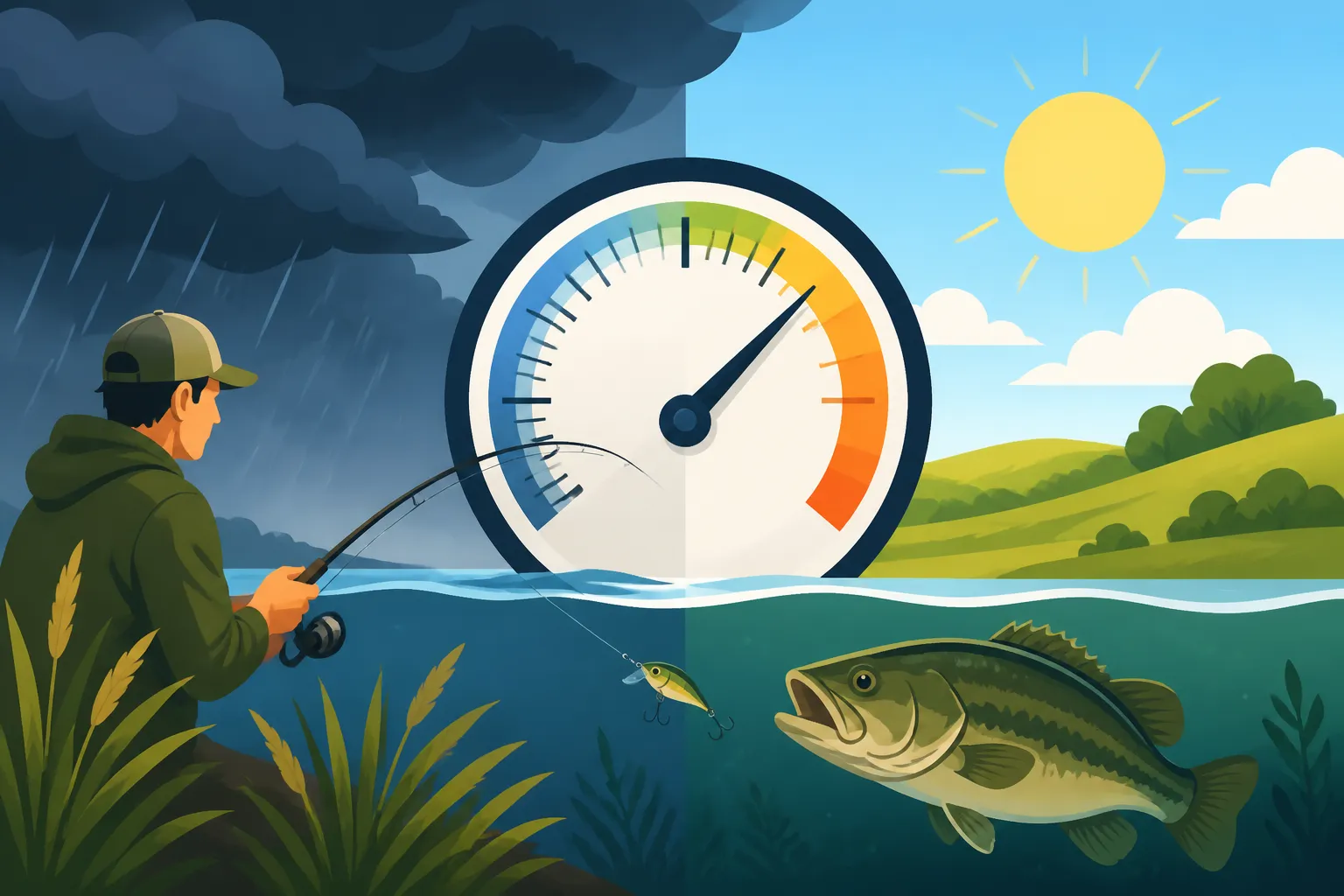
Think of barometric pressure as the weight of the air pressing down on everything, including our Kansas lakes and rivers. Our atmosphere is a giant blanket of air, and that air has weight. When weather systems move through, this weight can change. High pressure means the air is heavy and pushing down more, often bringing clear, stable weather. Low pressure means the air is lighter, pushing down less, and it usually signals unsettled weather like clouds, wind, and even storms. These changes aren't just happening far above our heads; they're happening right on the surface of the water, and fish feel every bit of it. It's like living in a house where the ceiling keeps moving up and down; you'd certainly notice!
Understanding these shifts is key. You can often see barometric pressure readings on many common weather apps or even dedicated handheld devices you can find on sites like Amazon. Knowing if the pressure is rising, falling, or stable gives you a huge advantage. It's not just about sunshine or rain; it's about the invisible force affecting the water column.
The Direct Impact on Fish Behavior
Now, why do fish care so much about this invisible air pressure? It all comes down to their swim bladder. Most fish species have a gas-filled organ called a swim bladder that helps them maintain buoyancy in the water. It's like their internal ballast tank. When barometric pressure changes, it directly affects the pressure on that swim bladder.
Imagine you're in a submarine. If the external pressure increases, you'd feel it squeeze your sub. Fish feel a similar effect. When the barometric pressure is high, it puts more pressure on the water, and consequently, on the fish's swim bladder. This can make them feel uncomfortable, akin to us feeling a headache or general sluggishness. They might need to expend more energy to stay at a comfortable depth, which often means they'll move deeper to find more stable conditions or simply become less active and less inclined to feed aggressively. Conversely, when the pressure drops, their swim bladder expands slightly, making them feel more energetic and often prompting them to move shallower and feed. It's a natural reaction to their environment that dictates their mood, depth, and willingness to strike.
Decoding Pressure Changes: High, Low, and Stable Conditions
Knowing the science is one thing, but translating it into actual fishing success is what we're after. Let's break down how different pressure conditions typically influence fish behavior and what you can do about it.
High Pressure: Clear Skies, Tougher Bites
Ah, the dreaded "bluebird day." We've all experienced them in Kansas – crystal clear skies, bright sunshine, barely a ripple on the water. While these days might be beautiful for a picnic, they often mean tough fishing. This is typically a stable high-pressure system dominating the area. When the pressure is high and stable, fish often feel that increased pressure on their swim bladders, making them uncomfortable.
They tend to move deeper, seeking refuge where the water pressure equalizes the atmospheric pressure on their bodies, or they might simply become less active, hugging tight to cover like submerged brush piles or deep rock ledges. Their metabolism can slow down, and they become much more selective in their feeding. You might find that species like walleye, known for being sensitive, become incredibly finicky. For these days, don't expect aggressive strikes. Instead, focus on slower presentations, smaller baits, and precise placement. A subtle twitch or a slow crawl might be the only way to entice a reluctant bite. Many anglers find success by targeting structure in deeper water when the pressure is high, where fish feel more secure and less exposed.
Falling Pressure: The Pre-Front Bite
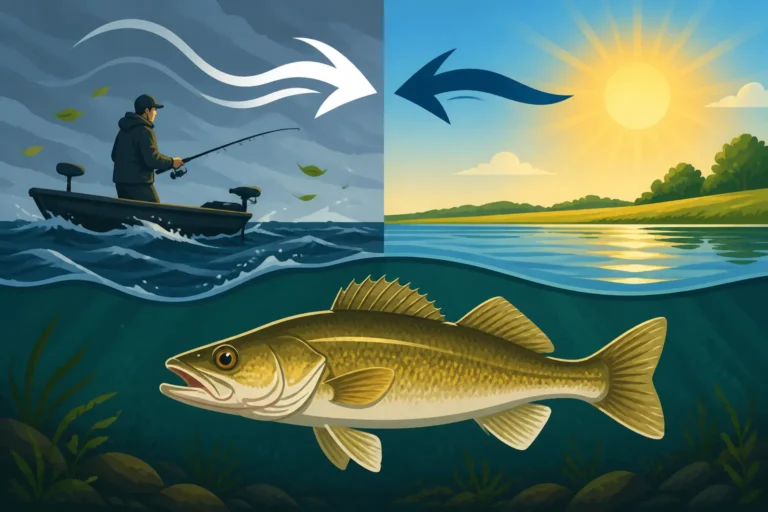
This is the holy grail for many anglers, the period just before a storm front moves in. When the barometric pressure starts to fall, indicating an approaching low-pressure system, fish often sense this change and respond with a burst of activity. As the pressure lessens, their swim bladders expand, giving them a feeling of relief and making them feel more buoyant and energetic.
They know a change is coming – often strong winds, rain, or even thunderstorms – which can stir up the water and make feeding more difficult. So, they seize the opportunity to feed aggressively while the conditions are still relatively stable but changing in their favor. This is when you can experience incredible fishing, with fish moving shallower, becoming less cautious, and striking at a wider variety of baits. Think about those legendary white bass runs on the Republican River when a storm is brewing, or aggressive crappie bites on Milford Lake. This pre-front window is often short-lived, so when you see that pressure dropping, drop everything and get to the water! Speed up your presentations, try larger or more flashy baits, and explore shallower feeding zones where fish are actively hunting. This is often the best time to target active predators like walleye, crappie, and even catfish.
Low Pressure: Post-Front Doldrums
After the storm has passed and the low-pressure system settles in, fishing can get tough again. Just like how a stable high-pressure system can shut fish down, a prolonged stable low-pressure system can also lead to lethargic fish. The initial drop in pressure that triggered the feeding frenzy is gone, and now the environment is simply… different. The water might be murky from rain, temperatures might have dropped, and the fish might simply be recovering from their pre-front feast or adjusting to the new, lower, stable pressure.
Often, post-front conditions mean scattered fish that are difficult to locate and convince to bite. They might be disoriented, less inclined to chase, and generally in a state of flux. This can be particularly challenging for species sensitive to environmental shifts. Don't despair, but do adjust your expectations. This is the time for patience, finesse, and trying to locate small pockets of active fish. Revert to slower presentations, focus on natural baits, and target areas with plenty of cover where fish might be resting. Sometimes, waiting a day or two for the pressure to stabilize again, or ideally, start to rise, is your best bet if you have the luxury of time.
Practical Strategies for Anglers in Kansas
Knowing why fish react to pressure is useful, but the real benefit comes from knowing how to apply this knowledge to your Kansas fishing trips. It’s all about adapting.
Reading the Forecast Beyond Temperature
Most of us check the weather for temperature and chance of rain, but you need to go a step further. Many modern weather apps and even dedicated handheld barometers (which you can easily find online, perhaps from a selection on Amazon, to keep in your tackle box or boat) will give you barometric pressure readings and indicate whether it's rising, falling, or stable. Make it a habit to check this before you head out. Look for the actual millibar or hectopascal readings, not just an icon.
A falling barometer, even if it's still sunny, often signals a good bite. A rising barometer, especially after a period of low pressure, can also spark some activity as fish adapt and become more comfortable. Pay attention to the rate of change. A sharp, rapid drop in pressure usually indicates a significant weather change and can trigger an aggressive bite. A slow, steady rise or fall might have a more subtle impact. Local Kansas forecasts are your best friend here, as microclimates around our large reservoirs like Cheney Reservoir or Wilson Lake can sometimes have slightly different pressure patterns than a general regional forecast.
Adjusting Your Approach to Barometric Swings
This is where the rubber meets the road. Your strategy needs to be dynamic.
- Falling Pressure (Pre-Front): This is your cue to get aggressive!
- Lures: Break out the reaction baits. Faster retrieves, larger baits, and brighter colors can trigger strikes. Think crankbaits for walleye, spinnerbaits for bass, or flashy spoons for white bass during their run.
- Depth: Fish will often move shallower. Target points, humps, and weed edges that are typically productive but might be too shallow during stable conditions.
- Species: Walleye, crappie, white bass, and wipers are often incredibly active.
- Internal Link Idea: If you're targeting those active walleye, understanding specific Kansas Walleye Fishing Techniques will give you an edge.
- High & Stable Pressure (Bluebird Days): Time for finesse and patience.
- Lures: Downsize your baits. Slower presentations like soft plastics on a jig head, small finesse worms, or live bait (minnows, worms, crawlers) can be more effective.
- Depth: Fish deeper. Look for structure in deeper water, contour lines, and channel breaks where fish can find comfort and security. This is a good time to explore methods like drop-shotting or slow-trolling deep diving crankbaits.
- Species: Catfish can sometimes be an exception to this rule, as they often feed regardless of pressure, though they might move deeper. Bottom-dwelling species might be less affected.
- Internal Link Idea: For those deeper presentations, particularly if you're targeting catfish, understanding Kansas Catfish Fishing Techniques can make a huge difference.
- Low & Stable Pressure (Post-Front): Patience is paramount, and adapting to slower fish is key.
- Lures: Similar to high pressure, finesse and natural baits are often best. Try smaller jigs, slip bobbers with live bait, or slow-moving swimbaits.
- Depth: Fish can be scattered. They might be deep, or they might be holding tight to cover in shallower water, but they won't be actively cruising. Use your electronics to find them.
- Species: This can be tough for all species. Persistence and covering water slowly are key.
- Internal Link Idea: If you find yourself facing tough conditions, exploring different Kansas Fishing Techniques for Beginners can help you find basic, reliable methods that still produce.
Here's a quick summary table to keep handy:
| Barometric Pressure Condition | Typical Fish Behavior | Recommended Fishing Tactics |
|---|---|---|
| Falling | Highly active, aggressive, move shallower | Fast retrieves, larger/flashier lures, reaction baits (crankbaits, spinnerbaits), target points/humps. |
| High & Stable | Less active, move deeper, finicky | Slow presentations, finesse baits, live bait, downsize lures, target deep structure/cover, subtle movements. |
| Low & Stable | Lethargic, scattered, disoriented | Patience, very slow presentations, natural baits, target heavy cover, focus on resting areas, sometimes a total shutdown. |
| Rising | Increased activity after stable low, adapting | Gradually increasing retrieve speed, slightly larger baits, start exploring mid-depth ranges, fish may start moving from deep cover. |
Remember, your gear plays a role too. Having a variety of rods rigged with different lines and lure types can make switching tactics seamless. You can find robust, portable tackle boxes and gear organizers that help you stay prepared for any condition on sites like Amazon. For example, a medium-light rod with lighter line is perfect for finesse presentations, while a medium-heavy rod is better for throwing those bigger reaction baits when the pressure is falling.
Common Misconceptions and Nuances
While barometric pressure is a powerful factor, it’s not the only thing influencing your success. Fishing is a complex dance between many variables, and overlooking them can lead to frustration.
It's Not the Only Factor
It’s easy to get fixated on one piece of the puzzle. Barometric pressure is a huge piece, but it interacts with so many other elements. Water temperature is absolutely critical; fish are cold-blooded and their metabolism is directly tied to it. The Best Time of Year for Catfish or when Crappie Spawn Start are directly related to water temperature, regardless of pressure. Moon phase, time of day, available forage, clarity of the water, and wind direction all play a significant role. For instance, a falling barometer might encourage fish to feed, but if the water temperature is too cold for that species, their activity might still be limited. Or, if there's an abundance of baitfish, competition might override some of the pressure effects.
Think of it as a symphony where barometric pressure is the conductor, setting the overall tempo, but water temperature, light conditions, and available food are all instruments playing their part. A truly successful angler learns to listen to all of them. Don't be afraid to experiment, even if the barometer says the bite should be off. Sometimes a stubborn fish just wants that one particular lure presented in just the right way.
Local Variations and Microclimates
Kansas is a big state with diverse fishing environments, from the vast expanses of Milford Lake to smaller state fishing lakes and winding rivers like the Kansas River. What works in one spot might not work exactly the same way in another, even under similar barometric conditions. A large, deep reservoir like Wilson Lake, for example, offers more stable deep-water refuges for fish during high pressure than a shallow farm pond.
Wind, in particular, can greatly modify how fish react to pressure. A strong, consistent wind can create current, push baitfish, and oxygenate the water, sometimes making fish active even when the barometer isn't ideal. Conversely, dead calm conditions on a bluebird day can exacerbate the negative effects of high pressure, making fish even more lethargic. Understanding how Weather Patterns and Kansas Fishing Success intersect with barometric pressure is vital. Always consider the specific body of water you're fishing, its depth, structure, and the presence of cover. A sudden cold front can plunge water temperatures, regardless of pressure, making fish hunker down. Your best bet is to combine your knowledge of barometric pressure with real-time observations of the water and fish behavior.
Disclaimer
This article is for general informational purposes only and does not constitute professional advice. Laws, prices and regulations vary by location and change over time. Consult a qualified professional for guidance on your specific situation.