How to Catch Fish in Early Spring in Kansas
There’s nothing quite like that first whisper of spring in Kansas, when the ice finally melts away and the thought of open water fishing starts to really sink in. But let's be real, early spring fishing can be notoriously tricky, with unpredictable weather and fish that are still shaking off their winter sluggishness. This guide is all about helping you understand those fickle early spring conditions and arming you with the strategies to find and catch fish, even when the season is just finding its footing.
Understanding Early Spring Conditions in Kansas
When we talk about early spring in Kansas, we're not just talking about a date on the calendar. We're talking about a transitional period that often brings wildly fluctuating weather and, consequently, equally fluctuating fish behavior. It’s a time when you might be shedding layers one day and bundling up the next, and the fish feel those changes just as acutely as we do. Trying to fish this time of year without understanding the nuances is like trying to drive blindfolded.
Water Temperature and Fish Metabolism
The biggest factor influencing fish behavior in early spring is, without a doubt, water temperature. As the sun gets higher and the days grow longer, the shallow waters in our Kansas lakes and rivers start to warm up first. This slight increase in temperature is absolutely critical because it directly impacts a fish's metabolism. Cold water means sluggish fish; warmer water means they start to become more active and, crucially, more willing to feed.
Think of it like this: fish are cold-blooded creatures, so their body temperature mirrors the water around them. In the dead of winter, their metabolism slows way down, and they don't need to eat as often. When spring arrives, and the water starts to creep up into the 40s and 50s (Fahrenheit), their internal systems kick into gear. This is why targeting warmer pockets of water, even if it's just a few degrees, can make all the difference. These warmer areas might be sun-baked shallow flats, dark-bottomed coves, or protected areas out of the main wind. These subtle changes are what drive the fish to move and become more catchable.
Weather Swings and Their Impact
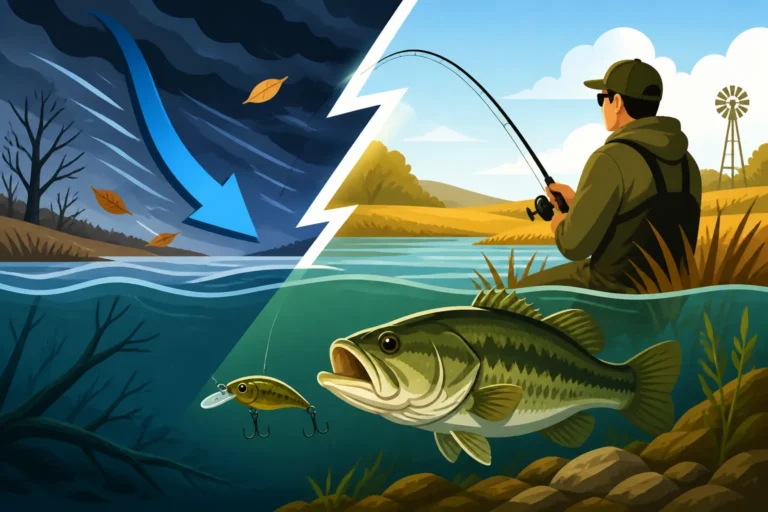
Kansas weather in early spring is famously—or infamously—unpredictable. One day it might be sunny and warm, pushing water temperatures up, and the next could bring a cold front, dropping temperatures and making fish lockjaw. These drastic weather swings can be incredibly frustrating for anglers. A strong cold front, especially one accompanied by clear, bright skies, often pushes fish deeper or makes them incredibly lethargic, hugging tight to cover.
On the flip side, a few consecutive days of stable, warming weather, especially if it’s overcast, can really turn the bite on. Cloud cover helps retain heat in the water and makes fish feel more comfortable moving into shallower areas to feed. Rain can also play a role, washing new nutrients into the water and creating current that can trigger feeding, though too much cold rain can also drop temperatures rapidly. You really have to be a bit of a meteorologist yourself this time of year, constantly checking the forecast and understanding how recent conditions might have affected the water.
Target Species and Their Early Spring Behavior
While many species are available, focusing on a few key players in early spring will generally give you the best chances of success. These are the fish that are either preparing for their spawn or are simply more tolerant of the fluctuating conditions. Knowing what each species is up to helps you anticipate their movements and choose the right approach. For a general overview of what's active when, you might find our Kansas Fishing Seasons Guide helpful.
Crappie: Shallow Water Seekers
Crappie are often one of the first species to become truly active in early spring, and they're a favorite target for many Kansas anglers. As water temperatures begin to climb into the mid-40s and low 50s, crappie start making their move from deeper wintering holes towards shallower spawning grounds. They’re looking for those warmer, protected coves, creek channels, and areas with submerged brush, standing timber, or docks.
Their goal is to stage up, feed, and eventually spawn. During this pre-spawn period, they can be found in large schools, making them incredibly fun to catch once you locate them. They'll often hold just outside of the shallowest areas, waiting for conditions to be just right. Pay close attention to wind-blown banks that collect warmer surface water or areas with dark bottom compositions that absorb more sunlight. You'll find more specific insights in our Kansas Spring Crappie Fishing Tips article.
Walleye: Pre-Spawn Aggression
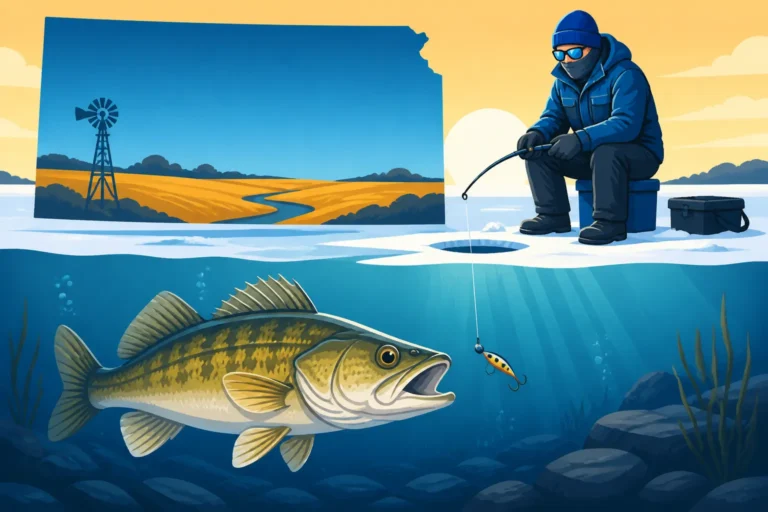
Walleye are another fantastic target in early spring, especially for those looking for a true challenge and a delicious meal. These toothy predators are driven by their spawning instincts this time of year. As water temperatures climb into the low 40s and 50s, walleye will begin to stage near rocky points, dam faces, causeways, and riverine areas that offer current and hard bottom for spawning. They often migrate up rivers or into tributary arms of larger reservoirs.
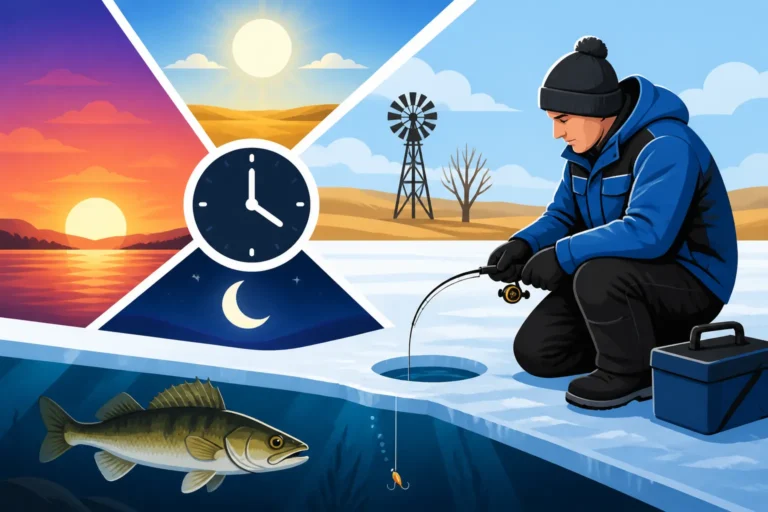
During this pre-spawn period, walleye can be incredibly aggressive as they feed heavily to build up energy for the upcoming spawn. They'll often be found in relatively shallow water for walleye standards – sometimes as little as 5-15 feet – particularly during low light conditions or on cloudy days. Locating these staging areas, especially those with access to deeper water nearby, is key. Check out Kansas Spring Walleye Fishing Tips for even more detailed advice.
Catfish: Waking Up Slowly
While crappie and walleye are often the stars of early spring, don't overlook our whiskered friends, the catfish. Channel catfish, blue catfish, and flathead catfish are all starting to wake up, though often at a slower pace than other species. As water temperatures begin to rise into the high 40s and 50s, they become more active, moving out of their deeper winter haunts.
Channel catfish are usually the first to get going, often moving into shallower flats, creek channels, and the mouths of tributaries to feed on whatever unfortunate baitfish or invertebrates they can find. Blue catfish might still be a bit deeper, but they’ll also start looking for food. Flatheads, being ambush predators, are typically the last to really get active, often preferring slightly warmer water. Look for them around logjams, rocky structure, and deeper bends in rivers or main lake points. Patience is definitely a virtue when targeting catfish in early spring. Our guide on Best Bait for Kansas Catfish offers excellent advice for this time of year.
Essential Techniques and Baits for Early Spring
The name of the game in early spring is often "slow and deliberate." Fish are still adjusting to changing conditions, and their metabolism isn't always at full throttle. Rushing your presentation or using baits that are too aggressive can easily spook them or simply not trigger a bite. Slowing down your approach and using the right baits can dramatically increase your success.
Slow and Steady Presentation
When the water is still chilly, fish aren't usually in a mood to chase down fast-moving baits. Their metabolism is slower, meaning they're not expending a lot of energy unnecessarily. This is why a slow, subtle presentation is often the most effective. Think about suspending your bait, letting it sit, or moving it with extremely slow retrieves and long pauses.
For crappie, a tiny jig under a bobber, fished very slowly or even dead-sticked, can be deadly. For walleye, slow-trolling crankbaits or even jigging vertically with minimal movement can elicit strikes. Even for catfish, letting your cut bait or worms soak on the bottom for extended periods is often the best approach. The goal is to keep the bait in the strike zone for as long as possible, making it an easy meal for a somewhat sluggish fish. Don't be afraid to experiment with how long you pause or how slow you retrieve; sometimes, the subtle difference is key.
Best Baits and Lures to Entice Bites
Choosing the right bait or lure for early spring can make all the difference. Natural baits often outperform artificials when fish are finicky, but certain lures are also very effective when presented correctly.
For crappie, live minnows are king. Hooked lightly through the back or lip and suspended under a small bobber, they offer irresistible natural action. Small jigs (1/32 to 1/16 ounce) in neutral colors like white, chartreuse, or black, tipped with a small minnow or scented soft plastic, are also excellent. When Does Crappie Spawn Start?, minnows become even more effective as they begin to aggressively feed.
Walleye in early spring often respond well to live bait, particularly shiner or chub minnows, fished on a jig or a slip-sinker rig. Jerkbaits that suspend or slowly float can also be very effective, allowing you to pause them right in a walleye's face. Blade baits, slowly lifted and dropped, can also trigger strikes. Our guide to the Best Lures for Kansas Walleye has more ideas.
Catfish will hit a variety of baits, but early spring can be a great time for cut bait (shad, sunfish) or fresh shrimp. Nightcrawlers or stink baits can also be effective, especially for channel catfish. Remember, they are still waking up, so strong scents can help them locate your offering.
| Species | Preferred Water Temperature (F) | Recommended Baits/Lures | Presentation Tips |
|---|---|---|---|
| Crappie | 45-55 | Live Minnows, Small Jigs (1/32-1/16 oz), Soft Plastics | Slow retrieve, suspended under bobber, dead-sticked |
| Walleye | 40-50 | Live Minnows, Suspending Jerkbaits, Blade Baits | Slow retrieve, vertical jigging, long pauses |
| Catfish | 48-60 | Cut Bait, Shrimp, Nightcrawlers, Stink Bait | Bottom fishing, long soaks, strong scent preferred |
This table provides general guidelines; always observe local conditions and fish behavior.
Locating Fish in Transitional Zones
Finding fish in early spring often means understanding those "transitional zones" – areas where deeper water meets shallow, or where warmer water collects. These are the highways and rest stops for fish moving from their wintering areas to their spawning grounds.
For crappie, look for the mouths of creeks, shallow coves, and areas with submerged timber or brush that transitions from 15 feet to 5 feet. They'll stage on that deeper edge and move up when conditions are right. Walleye will often be on rocky points, humps, or the upstream side of submerged features where current is present but not overpowering, giving them an ambush point. Catfish might be found in deeper holes adjacent to flats, or in the deeper bends of rivers where they can slowly move up to feed.
Using a good fish finder can be invaluable this time of year to locate these structures and the fish holding tight to them. Pay attention to contour lines on your maps and look for those subtle breaks that create an edge. Sometimes even a single log or a small cluster of rocks can hold a whole school of fish. Knowing How to Find Crappie in the Fall can sometimes give you clues to where they might stage in spring as well, just in reverse.
Gear and Safety Considerations for Early Spring Angling
Early spring fishing isn't just about what you catch; it's also about staying comfortable and safe. The weather can be wildly unpredictable, and cold water presents unique hazards. Being prepared with the right gear and knowledge is paramount, whether you're fishing from the bank or a boat. For a complete guide to rigging up, consider reading Best Rods and Reels for Kansas Fishing.
Appropriate Gear for Chilly Conditions
Layering is your best friend when fishing in early spring in Kansas. Start with a moisture-wicking base layer, add insulating layers like fleece, and top it off with a waterproof and windproof outer shell. A good hat and gloves are also essential, especially during early morning hours or on windy days. Remember, it's easier to remove layers than to wish you had more.
Don't forget warm, waterproof footwear. There’s nothing that will cut a fishing trip short faster than cold, wet feet. For bank anglers, a good pair of waterproof boots or even waders might be necessary to access those prime spots or simply stay dry from morning dew. Bringing a thermos of hot coffee or soup can also do wonders for morale and core temperature on a chilly day. Best Bank Fishing Gear Setup offers some great suggestions specific to shore-bound anglers.
Boating and Bank Fishing Safety
Safety is absolutely non-negotiable in early spring. The water is often still dangerously cold, meaning that accidental immersion can quickly lead to hypothermia. Always wear a life jacket, even if you’re a strong swimmer. Modern inflatable life jackets are comfortable and don’t impede casting, so there’s really no excuse. Make sure your boat's safety equipment is up to date, including throwable flotation devices, a working horn, and navigation lights if you're out at dawn or dusk.
If you’re bank fishing, be mindful of slippery banks, especially near water lines where ice might have recently melted or where there’s mud. Let someone know where you’re going and when you expect to return. Mobile phone service can be spotty in some remote areas, so having a plan is crucial. Carrying a dry bag with spare clothes, a first-aid kit, and a fully charged phone is also a smart move. For more on staying safe on the water, refer to our Kansas Life Jacket and Boating Safety Guide. Also, if you're looking for gear, you can find a wide selection of fishing equipment and safety items on sites like Amazon, ensuring you're well-prepared for any spring outing.
Remember, early spring fishing can be a true test of patience and adaptability, but the rewards—a fresh catch and the joy of being back on the water—are well worth the effort.
Disclaimer
This article is for general informational purposes only and does not constitute professional advice. Laws, prices and regulations vary by location and change over time. Consult a qualified professional for guidance on your specific situation.