Kansas Summer Fishing Guide
Ah, summer in Kansas! While the thought of long, sunny days on the water sounds idyllic, any seasoned angler knows that the scorching heat can turn a promising fishing trip into a frustrating exercise in futility if you're not prepared. Fish behavior changes dramatically as water temperatures soar, making those familiar spring hotspots barren and the midday bite all but disappear. It's a common challenge that leaves many wondering how to find success when the mercury climbs. But don't you fret! This comprehensive guide is here to equip you with the knowledge, techniques, and insider tips to unlock some fantastic summer fishing opportunities across the Sunflower State.
Understanding Kansas Summer Fishing Challenges
Summer fishing in Kansas isn't just about throwing a line in; it's about understanding the unique environmental shifts that come with the season. The intense heat, fluctuating water levels, and even algal blooms all play a significant role in how fish behave and where they can be found. Ignoring these factors is a sure recipe for a slow day on the water.
The Scorch of Summer Heat and Its Impact on Fish
When the Kansas sun beats down relentlessly, water temperatures can climb rapidly, especially in shallower areas of lakes and ponds. This isn't just uncomfortable for us anglers; it profoundly impacts the fish themselves. Warmer water holds less dissolved oxygen, which is crucial for fish respiration. Think of it like trying to run a marathon in thin air – it's just harder. Fish become more lethargic, their metabolism slows, and they're less inclined to chase baits with the same vigor they show in cooler temperatures.
Predatory fish, like walleye, bass, and crappie, will seek out cooler, more oxygenated water. This often means moving to deeper pockets, congregating around submerged springs, or tucking themselves into dense shade offered by standing timber or thick aquatic vegetation. They'll also become less active during the peak heat of the day, conserving energy and waiting for more favorable conditions to feed. For anglers, this means adjusting your tactics and expectations. Fishing midday is often a bust unless you're specifically targeting species known to tolerate warmer water, like certain catfish, or you've found a deep-water sanctuary.
Low Water Levels and Algae Blooms
Kansas summers can often bring periods of drought, leading to significantly lower water levels in many reservoirs, rivers, and even farm ponds. This reduction in water volume can shrink fish habitat, concentrating fish into smaller areas. While this might sound like it makes them easier to find, it also increases competition for food and puts more stress on the fish. Lower water levels also expose previously submerged structures, making navigation tricky for boats and altering familiar fishing grounds. What was once a productive submerged point might now be a barren shoreline.
Compounding this issue, warm, shallow, and nutrient-rich waters are prime breeding grounds for algae, including harmful algal blooms (HABs). These blooms can reduce water clarity to frustrating levels, making it difficult for sight-feeding fish to hunt. More critically, as algae die and decompose, they consume vast amounts of oxygen, creating "dead zones" where fish cannot survive. It's a real bummer when you arrive at your favorite spot only to find a thick, green scum covering the surface, and knowing that the fishing will likely be terrible, or even worse, unsafe for the fish you catch. Always check advisories from the Kansas Department of Wildlife and Parks (KDWP) before heading out, especially for lakes known to have issues with HABs.
Changing Fish Behavior and Feeding Patterns
As a direct result of the heat and environmental changes, fish species across Kansas fundamentally alter their behavior and feeding patterns in summer. No longer are they cruising shallow flats in broad daylight, gorging themselves after the spring spawn. Instead, they become creatures of comfort and opportunity.
Most game fish will seek refuge in deeper, cooler water during the day. This could be in the main lake channels, around deep humps and ledges, or in the shade of overhanging trees, docks, or thick stands of lily pads. Their feeding windows shrink dramatically, often confined to the cooler parts of the day: dawn, dusk, and throughout the night. During these times, they'll often venture shallower to feed before retreating to their deeper sanctuaries as the sun rises. Understanding this shift is paramount. Instead of casting haphazardly, you need to think like a fish: "Where would I go to stay cool and safe, and when would I feel comfortable enough to eat?" This usually means adjusting your fishing schedule and focusing your efforts on specific types of cover or structure that offer respite from the summer sun.
Essential Gear for Summer Anglers in Kansas
Successfully tackling Kansas summer fishing means more than just knowing where the fish are; it means having the right tools for the job. From your rod and reel setup to the clothes on your back, every piece of gear plays a crucial role in maximizing your comfort and your chances of success in the heat.
Rods, Reels, and Line for Summer Success
When the bite gets tough in summer, having the right rod and reel can make all the difference. You're often dealing with fish that are less aggressive, potentially deeper, and sometimes more line-shy.
- For Catfish: If you're targeting those big summer blue cats or flatheads, you'll want a stout setup. A medium-heavy to heavy-action casting rod, typically 7 to 8 feet long, paired with a robust baitcasting reel spooled with 20-30 lb monofilament or 30-65 lb braided line, is ideal. The strength is needed to muscle fish out of snags and handle the heavy weights often used in river currents or deep lake channels. Braided line, available on platforms like Amazon, offers superior strength-to-diameter ratio and sensitivity, which can be a huge plus when feeling those subtle catfish bites in deep water. You can find more specific recommendations in our guide on the Best Rods and Reels for Kansas Fishing.
- For Walleye and Wipers: Precision and sensitivity are key here. A medium-action spinning or casting rod, 6'6" to 7'6" long, is versatile for trolling, jigging, or casting crankbaits. Pair it with a smooth-drag spinning reel in the 2500-3000 size or a low-profile baitcaster. Spool up with 10-15 lb braided line with a 10-12 lb fluorocarbon leader for stealth, or straight 8-12 lb fluorocarbon. Fluorocarbon's low stretch and invisibility underwater are beneficial for wary fish.
- For Crappie and Panfish: When fishing light for panfish under docks or in brush piles, a light to ultralight spinning rod, 5 to 6.5 feet long, is perfect. Match it with a small spinning reel (1000-2000 size) spooled with 4-6 lb monofilament or a very light braid. This delicate setup allows for subtle presentations and maximizes the fun of fighting smaller fish.
Remember, a good drag system on your reel is crucial, especially when a big summer fish makes a strong run. Proper line selection also impacts your success – braided line for strength and sensitivity, monofilament for stretch and shock absorption, and fluorocarbon for stealth and abrasion resistance.
Sun Protection and Personal Comfort Gear
The Kansas summer sun is no joke, and protecting yourself is just as important as protecting your catch. Heatstroke and sunburn can quickly ruin a fishing trip and pose serious health risks.
- Headwear: A wide-brimmed hat offers superior protection for your face, ears, and neck compared to a baseball cap. Look for hats made from quick-drying, breathable materials.
- Clothing: Long-sleeved shirts and pants made from lightweight, breathable, and UPF-rated fabric are your best friends. These materials actively block harmful UV rays and wick away sweat, keeping you cooler and more protected. Many brands offer great options on Amazon.
- Sunscreen: Apply a broad-spectrum sunscreen with an SPF of 30 or higher liberally and reapply every few hours, especially after sweating or getting wet. Don't forget often-missed areas like the tops of your ears and the back of your neck.
- Polarized Sunglasses: These are absolutely essential. They protect your eyes from harmful UV rays and, perhaps even more importantly for fishing, cut through the glare on the water's surface, allowing you to see submerged structure, transitions, and sometimes even fish.
- Hydration: Always bring plenty of water, and consider electrolyte-rich drinks to replenish what you lose through sweat. A good insulated cooler filled with ice will keep your beverages (and your lunch) cold all day.
Staying comfortable directly contributes to your ability to stay focused and fish effectively for longer periods. Don't underestimate the power of a cool, hydrated body.
Boating and Kayaking Essentials for Summer
Whether you're in a bass boat, a pontoon, or a kayak, summer fishing on Kansas waters demands specific considerations for your vessel and its accessories.
- Reliable Boat Engines & Trolling Motors: For those venturing onto large reservoirs like Milford Lake or Cheney Reservoir, a well-maintained outboard engine is crucial for covering vast distances and getting to those deep-water spots quickly. A reliable trolling motor, especially one with GPS anchoring capabilities, is a game-changer for holding position over deep structure or along ledges without constantly having to re-anchor. Brands like Minn Kota and MotorGuide offer excellent options.
- Anchoring Systems: Beyond trolling motors, having a robust anchor system is vital, especially for catfishing in current or holding over a specific spot. Consider a mushroom anchor for muddy bottoms or a fluke anchor for sandy areas. Don't forget plenty of anchor rope!
- Safety Gear: Regardless of your vessel type, safety should always be paramount. Ensure you have properly fitting personal flotation devices (PFDs) for everyone on board. In Kansas, children under 13 must wear a PFD when on a moving vessel. Also, carry a fire extinguisher, signaling devices (whistle, horn, flares), and navigation lights if you'll be out before dawn or after dusk. Our Kansas Life Jacket and Boating Safety Guide has more detailed requirements.
- Kayak Specifics: For kayak anglers, stability is key. Look for wider, sit-on-top kayaks designed for fishing. Essential accessories include paddle leashes, rod holders, dry bags for electronics and personal items, and a comfortable seat for those long hours on the water. A good kayak cart is also incredibly helpful for transporting your boat from your vehicle to the launch, especially if you're exploring smaller ponds or less accessible areas. Check out our Kansas Kayak Fishing Gear Guide for an in-depth look at what you'll need.
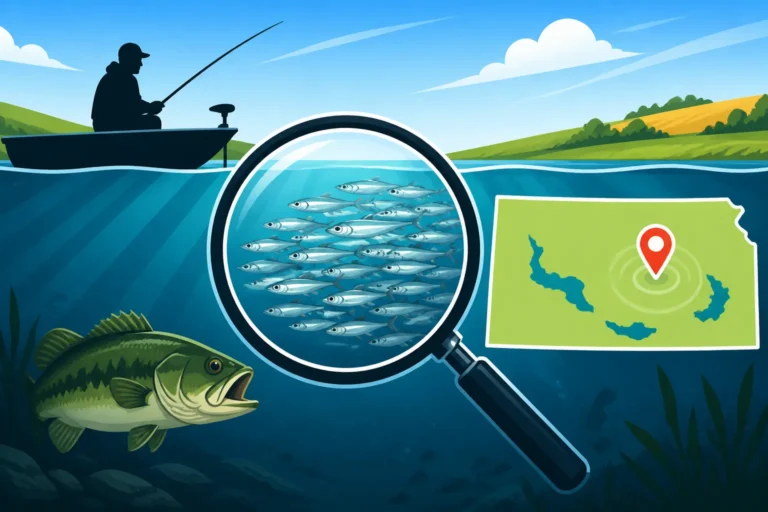
- Electronics: A quality fish finder is almost indispensable for summer fishing, allowing you to locate deeper thermoclines, submerged structure, and schools of baitfish and game fish. Side imaging and down imaging technologies can reveal hidden cover that would otherwise be missed.
Having your vessel properly equipped not only enhances your fishing experience but also ensures your safety and compliance with Kansas boating regulations.
Top Kansas Fish Species to Target in Summer
While some species slow down in summer, others really shine, especially if you know where and when to find them. Focusing your efforts on these heat-tolerant or deep-water dwellers will drastically improve your summer fishing success in Kansas.
Chasing Catfish: Channel, Blue, and Flathead Tactics
Hands down, summer is prime time for catfishing in Kansas. These powerful, hard-fighting fish thrive in warmer water and become incredibly active, especially during low-light hours. Whether you're after the abundant channel cats, the massive blue cats, or the elusive flatheads, summer offers fantastic opportunities. You can dive deeper into these species in our Kansas Catfish Species Guide.
- Channel Catfish: These are the most widespread and readily available catfish in Kansas. In summer, they'll move to deeper channels, current breaks in rivers, and creek channels in lakes. They'll also patrol shallow flats and shorelines at night.
- Bait: They aren't picky! Cut bait (shad, carp), chicken livers, stink baits, nightcrawlers, and even hot dogs work wonders. For a real treat, try punching bait or prepared dough baits.
- Techniques: Bottom fishing with a slip sinker rig is classic and effective. Cast your bait near structure, current seams, or over deep holes. When fishing at night, try fishing shallower flats or along weed lines where channels might be foraging. Our Kansas Catfish Fishing Techniques offers more detailed methods.
- Blue Catfish: Known for their massive size and incredible fighting power, blue cats are river-dwelling giants, though they can be found in some large reservoirs like Milford Lake and Tuttle Creek Lake. In summer, they congregate in deep river channels, scour holes, and around submerged timber in the main lake.
- Bait: Fresh cut bait is king for blue cats. Shad, carp, drum, or even large chunks of sunfish are excellent choices. The fresher the better!
- Techniques: Heavy tackle is a must. Anchor upriver of a deep hole or current break and present large cut baits on the bottom. Pay attention to your fish finder for schools of baitfish, as big blue cats won't be far behind.
- Flathead Catfish: The most elusive of the big three, flatheads are ambush predators that prefer live bait and chunky cover. You'll find them lurking in log jams, submerged trees, rock piles, and deep undercut banks in rivers and larger lakes.
- Bait: Live bait is absolutely essential. Green sunfish, bluegill, or small bullheads, hooked through the back or lips, are irresistible to a hungry flathead.
- Techniques: Fishing live bait on heavy tackle, often right in the middle of a log jam, is the ticket. This is a game of patience and brute force. Night fishing is particularly effective for flatheads, as they become more active hunters under the cover of darkness.
Walleye and Wiper: Deep Water Strategies
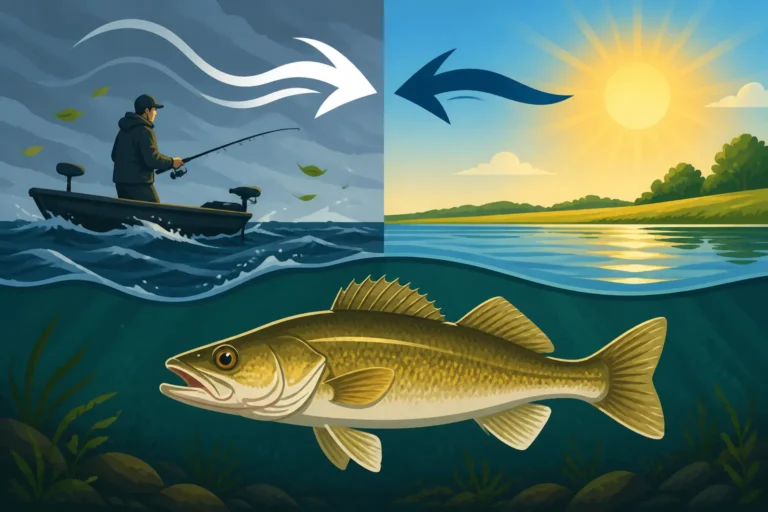
While walleye and wiper (hybrid striped bass) can be challenging in the summer heat, they are absolutely catchable if you adapt your approach to their deep-water habits. These species will seek out the cooler, more oxygenated waters of Kansas's large reservoirs. For a deeper understanding of these fish, check out our Kansas Walleye Fishing Guide and Kansas Wiper Fishing Techniques.
- Walleye: These delicious fish often move to the main lake basin, congregating around deep points, humps, ledges, and the dam face. They are light-sensitive, so low-light conditions are prime.
- Techniques: Trolling is a highly effective method for covering water and finding active walleye in summer. Use deep-diving crankbaits that can reach depths of 15-30 feet or more, depending on the thermocline. Pay close attention to your electronics to identify bait schools and structure. Bottom-bouncing with a crawler harness or jigging spoons over deep structure can also be very productive. Early morning and late evening are the best times, but night fishing for walleye can be lights out!
- Lures: Rapala DownDeep Husky Jerks, Berkley Flicker Shad, or spoons like the Johnson Silver Minnow are great choices for trolling. For jigging, try a ½ oz to 1 oz jigging spoon or a blade bait.
- Wiper (Hybrid Striped Bass): These powerful hybrids are built for speed and thrive in open water. In summer, they often school up and chase baitfish in large reservoirs like Cheney Reservoir and El Dorado Lake. They'll move in and out of deeper water, often feeding aggressively near the surface during low light or when baitfish are concentrated.
- Techniques: Look for "jumps" – schools of wipers pushing baitfish to the surface, creating a feeding frenzy. Cast topwater lures, spoons, or swimbaits into the chaos. If they're not actively busting, troll deep-diving crankbaits or large spoons in open water, especially over humps and along deep channels. Vertical jigging spoons or heavy swimbaits can also entice wipers holding deep.
- Lures: Topwater poppers, Whopper Ploppers, or Spooks for surface action. For trolling or casting, try large crankbaits like a Storm ThunderStick or a Sassy Shad swimbait.
Crappie and Panfish: Finding Shade and Structure
While crappie fishing can be challenging in summer compared to their spring spawning frenzy, they are still catchable if you locate their preferred summer haunts: deep, shady structure. Other panfish like bluegill and redear sunfish also gravitate towards similar cover. Our Kansas Crappie Fishing Guide offers a comprehensive overview.
- Crappie: In summer, crappie retreat from shallow waters and seek out cooler temperatures and protection. They'll congregate around submerged brush piles, standing timber, deep docks, bridge pilings, and creek channels, often holding at specific depths related to the thermocline.
- Techniques: Vertical jigging directly over identified structure is highly effective. Use small jigs (1/16 to 1/8 oz) tipped with a minnow, plastic grub, or tube. Spider rigging (slow trolling multiple rods with jigs or minnows) can also cover more water and help locate schools. A slip bobber rig, set to suspend your bait at the depth where crappie are holding, works well around docks or timber. Night fishing for crappie under lights can be incredibly productive, as the lights attract baitfish, which in turn attract crappie.
- Lures/Bait: Small minnows are always a top choice. Soft plastic crappie tubes, grubs, and spider jigs in chartreuse, white, or black/chartreuse are reliable.
- Bluegill and Redear Sunfish: These feisty panfish are often found in similar areas as crappie, especially around aquatic vegetation, lily pads, submerged timber, and deep weed lines. They are fantastic targets for families and beginners.
- Techniques: A simple bobber and worm setup is hard to beat for bluegill. Cast near cover and wait for the bobber to dip. For redear, which are known for eating snails, try fishing small worms or crickets directly on the bottom near weed beds. Fly fishing with small poppers or wet flies can also be very productive for panfish in summer.
- Bait: Crickets, wax worms, small red worms, and even pieces of corn or bread work well.
Best Summer Fishing Techniques for Kansas Waters
Adapting your techniques to the summer conditions is paramount. Gone are the days of leisurely casting in the shallows during midday. Summer fishing in Kansas demands strategic timing, careful presentation, and often, a willingness to embrace the darkness.
Early Morning and Late Evening Bites
These are often referred to as the "golden hours" of summer fishing, and for good reason. As the sun rises or sets, air and water temperatures are at their coolest, encouraging fish to move out of their deep-water sanctuaries and into shallower feeding grounds.
- Sunrise Strategies: Get on the water before the sun even peeks over the horizon. This period, roughly an hour before and an hour after sunrise, is often when predatory fish like bass, walleye, and even crappie are most active.
- Bass: Try topwater lures (poppers, walk-the-dogs, frogs over lily pads) along weed lines, shallow points, and around boat docks. As the sun gets higher, switch to spinnerbaits, crankbaits, or soft plastics fished slightly deeper.
- Walleye: Cast shallow-running crankbaits or stickbaits to points, flats, and rocky shorelines that drop off into deeper water. They might be up chasing baitfish before the light gets too intense.
- White Bass: If there's a white bass run happening on a river arm, the early morning is often when they'll be most aggressive, chasing baitfish on the surface.
- Sunset Strategies: The period from late afternoon through dusk offers a similar window of opportunity. As the sun's intensity wanes, fish once again become more comfortable venturing into shallower areas.
- Catfish: This is a fantastic time to start setting up for an evening or night of catfishing. Channel and blue cats will begin to move onto shallower flats and creek channels to feed.
- Crappie: Look for crappie moving up into the lower portions of brush piles or under docks as the light fades. Vertical jigging or using slip bobbers with minnows can be very effective.
The key is to be present during these brief, but often highly productive, windows and to fish actively with baits that mimic fleeing forage.
Mastering Night Fishing in Kansas
For many Kansas anglers, night fishing isn't just an alternative in summer; it's the preferred method. The cooler temperatures are a welcome relief for both angler and fish, and the cover of darkness emboldens many species to feed more aggressively and in shallower water. If you're looking to dive deep into this topic, our Kansas Night Fishing Guide has all the details.
- The Appeal of Darkness: With the sun gone, surface temperatures drop, and the entire water column begins to cool. This increases oxygen levels, making fish more comfortable. The reduced light also provides a natural ambush advantage for many predatory species.
- Target Species:
- Catfish: Night fishing is arguably the best time for all three major species of Kansas catfish. They use their keen sense of smell to locate baits in the dark. Focus on creek mouths, river bends, and main lake points.
- White Bass: The white bass bite under lights can be phenomenal. Submerge a submersible fishing light (LED or halogen) near your boat or dock, and within minutes, baitfish will be drawn to it, followed by hungry white bass. Cast small jigs, spoons, or minnows into the illuminated area.
- Walleye: While often associated with daytime activity, walleye can be caught at night, especially by trolling crankbaits or jigging over deep structure. They'll often move shallower under cover of darkness to feed.
- Essential Night Fishing Gear:
- Headlamp/Lantern: Crucial for tying knots, baiting hooks, and navigating your boat or shoreline. Consider a red light setting on your headlamp to preserve night vision.
- Submersible Fishing Lights: As mentioned for white bass, these lights can be a game-changer for attracting fish.
- Bug Spray: Don't forget this! Kansas mosquitoes can be relentless after dark.
- Layers of Clothing: Even though it's summer, evenings can cool down, especially on the water. Bring a light jacket or sweatshirt.
Night fishing requires a bit more preparation and attention to safety, but the rewards—cooler temperatures and often larger, more active fish—are well worth the effort.
Deep Water Presentations and Structure Fishing
When fish aren't biting in the shallows during the day, they're almost certainly holding in deeper water, relating to structure that provides both cover and cooler temperatures. This is where your fish finder and knowledge of lake topography become invaluable.
- Understanding the Thermocline: In many Kansas reservoirs, a thermocline forms in summer—a layer of water where the temperature changes rapidly with depth. Above it, the water is warm and oxygen-rich. Below it, the water is cold but often low in oxygen. Fish will typically hold right at or just above the thermocline, where temperatures are comfortable and oxygen levels are adequate. Your fish finder can help you locate this crucial depth.
- Locating Deep Structure:
- Humps and Ledges: Underwater humps, especially those with rock piles or timber, are magnets for walleye, wipers, and sometimes crappie. Ledges and sharp drop-offs along old creek channels or riverbeds are also prime ambush points.
- Standing Timber/Brush Piles: Many Kansas lakes feature submerged timber, either naturally occurring or intentionally placed brush piles. These provide excellent vertical cover for crappie, bass, and even catfish. Use your electronics to pinpoint these structures.
- Dam Faces and Riprap: The rocky faces of dams and long stretches of riprap can hold good numbers of walleye, bass, and catfish, as these areas often have deeper water access and current.
- Effective Deep Water Techniques:
- Vertical Jigging: For fish suspended over structure, vertical jigging with spoons, blade baits, or heavy jigs can be deadly. Drop your lure directly down to the fish you see on your screen and work it with short, sharp lifts.
- Drop-Shotting: This technique excels for finicky bass or walleye holding tight to structure. The weight is at the bottom, and the hook (with a soft plastic bait) is tied a foot or two above it, keeping your bait in the strike zone.
- Deep Cranking: Large, deep-diving crankbaits can be cast or trolled to reach fish holding in 15-30+ feet of water. Experiment with different retrieve speeds and colors until you find what the fish prefer.
- Carolina Rig: Another excellent bottom-bouncing technique, the Carolina rig allows you to present a soft plastic worm or creature bait a foot or two behind a heavy sinker, allowing it to drift naturally over submerged structure.
Mastering deep water techniques requires patience, a good understanding of your electronics, and the willingness to explore different depths and presentations until you crack the code.
Prime Kansas Fishing Spots for Summer Angling
Kansas boasts an impressive array of lakes, reservoirs, and rivers, each offering unique opportunities for summer anglers. Knowing which spots typically produce during the warmer months can save you a lot of time and frustration. For a broader overview, check out our Best Fishing Lakes in Kansas.
Reservoir Hotspots: Milford, Cheney, Wilson, and More
Kansas's large reservoirs are the jewels of summer fishing, offering vast expanses of water and diverse habitats.
- Milford Lake: As the largest lake in Kansas, Milford is a perennial favorite. In summer, focus your efforts on the main lake basin, particularly the numerous submerged humps and ledges for walleye and wipers. The deep-water channels, especially those associated with the old Republican River bed, are excellent for blue catfish. Don't overlook the expansive standing timber in the upper reaches of the lake for crappie and flathead catfish, but be prepared to fish deep. During significant rainfall events, the Republican River arm can see a fantastic Milford Lake White Bass Run, offering fast action near river bends and current breaks. Our Milford Lake Fishing Guide provides more in-depth insights.
- Cheney Reservoir: Known for its fantastic walleye and wiper fishing, Cheney offers excellent summer opportunities if you know where to look. Target the deep humps, main lake points, and the riprap along the dam face for both species. Trolling deep-diving crankbaits or vertical jigging spoons are popular and effective methods here. Look for wipers schooling and chasing baitfish in open water, especially early mornings or late evenings. Our Cheney Reservoir Fishing Guide is a great resource.
- Wilson Lake: Often called the "clearest lake in Kansas," Wilson is renowned for its striped bass, smallmouth bass, and walleye. In summer, the clear water pushes fish deeper. For stripers, target the main lake points and humps, often trolling large swimbaits or spoons. Smallmouth bass will relate to the abundant rock piles and ledges, hitting deep crankbaits, jigs, or drop-shotted worms. The dam face also holds good walleye. The clear water here means fluorocarbon leaders are almost essential for wary fish. For more details, see our Wilson Lake Fishing Guide.
- Other Noteworthy Reservoirs:
- Tuttle Creek Lake: Excellent for catfishing, especially large blue cats in the deep river channels. Also good for crappie in the extensive standing timber.
- El Dorado Lake: Offers good opportunities for wipers and white bass in open water, and largemouth bass around submerged vegetation and timber.
- Clinton Lake: Known for its crappie and walleye. In summer, fish the deeper brush piles and creek channels for crappie, and troll for walleye on main lake points.
River Systems: Kansas, Arkansas, and Smaller Tributaries
While lakes get a lot of attention, Kansas's river systems offer some of the most consistent and exciting summer fishing, particularly for catfish. The constant flow of water often means better oxygenation and a more consistent bite than stagnant lake waters. For more information on river fishing, consult our Kansas River Fishing Guide.
- Kansas (Kaw) River: This river is a powerhouse for trophy channel, blue, and flathead catfish. In summer, focus on deeper holes, current seams, log jams, and bridge pilings. The water flow helps keep fish active.
- Techniques: Bottom fishing with cut bait, live bait, or prepared stink baits is highly effective. Anchor upcurrent of a promising spot and let your bait drift into the strike zone.
- Access: Numerous public access points exist along the Kaw, especially near cities like Topeka, Lawrence, and Manhattan. Look for boat ramps and bank access points.
- Arkansas River: In its journey through Kansas, the Arkansas River can also provide good catfishing, particularly for channel cats and some flatheads. Focus on deeper bends and areas with structure.
- Smaller Tributaries (e.g., Marais des Cygnes, Neosho, Verdigris): These smaller rivers and their oxbow lakes can be hidden gems for summer catfishing and sometimes even bass or crappie. Look for deep pools, undercut banks, and fallen trees. They often offer a more secluded fishing experience away from the crowds of the larger reservoirs.
When river fishing in summer, always be aware of current conditions, especially after heavy rains, as water levels and currents can change rapidly. Safety, as always, is paramount.
Community Lakes and Farm Ponds: Local Gems
Don't overlook the smaller, often closer-to-home options that Kansas offers. Community fishing lakes and private farm ponds can provide some fantastic, convenient summer fishing, especially for families or those looking for a quick outing.
- Kansas Community Fishing Lakes: The KDWP manages numerous Community Fishing Lakes (CFLs) across the state, many of which are regularly stocked. In summer, these often have good populations of channel catfish, bluegill, and largemouth bass.
- Strategies: Focus on fishing early morning or late evening. For catfish, use prepared baits or nightcrawlers on the bottom. For bluegill, a small worm under a bobber near submerged vegetation or docks is almost guaranteed to produce. Bass will hit plastic worms, jigs, or topwater lures during low light. Check the KDWP website for stocking schedules and specific regulations for each CFL. Our Kansas Community Lake Fishing Spots offers more details.
- Accessibility: Many CFLs are designed with accessibility in mind, offering fishing piers, paved trails, and easy bank access, making them great for all ages and abilities.
- Farm Ponds: Kansas is dotted with thousands of private farm ponds, many of which hold impressive populations of largemouth bass, channel catfish, and panfish. Gaining permission from landowners is key, but the reward can be unpressured fish and a peaceful fishing experience.
- Strategies: In summer, focus on deeper areas of the pond, especially those with standing timber, brush, or submerged weed beds. Bass will hit plastic worms, spinnerbaits, or topwater lures (early/late). Catfish will readily take worms, cut bait, or stink baits. Panfish are usually abundant and easy to catch with small baits. For tips on how to fish these smaller waters, see our Kansas Farm Pond Fishing Tips.
- Environmental Factors: Smaller ponds can heat up rapidly, so concentrate your efforts on early morning, late evening, or night fishing. They can also be more susceptible to oxygen depletion if heavily vegetated, so pay attention to fish activity.
These smaller waters can offer surprising catches and are perfect for honing your skills or introducing new anglers to the sport without the complexities of navigating large reservoirs.
Important Summer Fishing Regulations and Safety
Having a successful and enjoyable summer fishing experience in Kansas means more than just catching fish; it also means adhering to regulations and prioritizing safety for yourself, your fellow anglers, and the environment.
Understanding Summer-Specific Regulations
While most fishing regulations in Kansas are year-round, it's crucial to be aware of them, especially during peak fishing seasons when enforcement is more common. Ignorance of the law is not an excuse, and penalties can range from fines to loss of fishing privileges. A comprehensive overview can be found in our Kansas Fishing Regulations Explained guide.
- Fishing License: Always ensure you have a valid Kansas fishing license. The requirements vary by age and residency, but almost everyone 16 and older needs one. You can purchase them online through the KDWP website or at various vendors like Walmart and local bait shops.
- Length and Creel Limits: These are perhaps the most critical regulations for summer anglers. Each species has specific length limits (minimum or slot limits) and daily creel limits (how many you can keep). These are designed to protect fish populations and ensure sustainable fishing for future generations.
- Walleye: Many lakes have a minimum length limit for walleye, often 15 or 18 inches, with a daily creel limit of 5. Some lakes may have special regulations, like a 21-inch minimum with a daily limit of two for walleye in certain areas to promote trophy fisheries.
- Crappie: A common minimum length limit for crappie is 10 inches, with a generous daily creel limit, often 20 or even 50 in some community lakes to help manage populations.
- Catfish: Channel catfish usually have no length limit, with a daily creel limit of 10. Blue catfish and flathead catfish may have different limits depending on the water body.
- Specific Lake Regulations: Beyond statewide rules, many individual lakes and reservoirs have their own unique regulations regarding length limits, daily creel limits, or even allowed fishing methods. Always check the KDWP fishing regulations summary for the specific water body you plan to fish before heading out. This information is readily available online. Our guide on Kansas Daily Creel Limits by Species is an excellent resource to review.
Taking a few minutes to review the rules can prevent a costly and embarrassing encounter with a game warden.
Boating Safety and Heatstroke Prevention
Summer heat and increased activity on the water mean that boating and personal safety are paramount. Don't let a fun day turn into a dangerous situation.
- Boating Safety:
- Life Jackets (PFDs): Ensure every person on your boat has a properly fitting PFD. Kansas law requires children 12 and under to wear a PFD when on board any vessel. For kayakers, wearing a PFD at all times is highly recommended.
- Designated Operator: Never operate a boat under the influence of alcohol or drugs. Have a sober, experienced operator at the helm.
- File a Float Plan: Before heading out, especially for longer trips or in remote areas, tell someone where you're going, who's with you, and when you expect to return.
- Check Weather: Summer storms can pop up quickly in Kansas. Check the forecast before you leave and monitor conditions while on the water. Be prepared to seek shelter if thunderstorms or strong winds develop.
- Navigation: Be aware of other boaters, swimmers, and hazards like submerged timber or shallow areas, especially in lower water conditions.
- Heatstroke Prevention: The risks of heat-related illnesses are very real during a Kansas summer.
- Hydration: Drink plenty of water or electrolyte-rich fluids throughout the day, even if you don't feel thirsty. Avoid excessive alcohol or sugary drinks, as they can contribute to dehydration.
- Shade: Seek shade whenever possible. A boat's Bimini top, a shoreline tree, or even an umbrella can provide crucial relief from direct sun exposure.
- Dress Appropriately: Lightweight, light-colored, loose-fitting clothing with UPF protection is your best defense.
- Recognize Symptoms: Be aware of the signs of heat exhaustion (heavy sweating, cold/clammy skin, nausea, weakness) and heatstroke (hot/red/dry skin, throbbing headache, dizziness, confusion, high body temperature). If someone shows signs of heatstroke, call 911 immediately and try to cool them down.
- Take Breaks: Don't push yourself too hard. Take breaks, get off the water during the hottest parts of the day if needed, and give your body a chance to cool down.
Dealing with Algae Blooms and Water Quality
As mentioned earlier, harmful algal blooms (HABs) are a summer concern in some Kansas waters. These naturally occurring phenomena can pose risks to humans, pets, and fish.
- Check KDWP Advisories: The Kansas Department of Health and Environment (KDHE) and KDWP regularly monitor major Kansas reservoirs for HABs and issue advisories when levels are unsafe. Always check these advisories before planning your trip. They are typically posted on the KDWP and KDHE websites.
- Visual Cues: If you arrive at a lake and notice a thick, green, paint-like scum on the water, especially in calm coves, or if the water has a strong musty or earthy odor, it's best to avoid contact and consider fishing elsewhere.
- Precautions with Fish: If you do fish in waters with minor algal presence (below advisory levels), take precautions:
- Clean fish thoroughly.
- Remove skin and guts, as toxins can accumulate in internal organs.
- Avoid eating fish from waters with official HAB advisories.
- Pet Safety: Keep pets away from water with visible algal blooms, as they are highly susceptible to ingesting toxins, which can be fatal.
Being informed and cautious about water quality not only protects your health but also contributes to responsible angling practices.
| Species | Best Summer Times | Typical Summer Locations | Recommended Baits/Lures |
|---|---|---|---|
| Channel Catfish | All day, peak at dawn/dusk/night | Deep holes, current breaks, creek channels, shallow flats (night) | Cut bait, stink bait, nightcrawlers, chicken liver |
| Blue Catfish | All day, peak at night | Deep river channels, scour holes, main lake channels, submerged timber | Fresh cut bait (shad, carp, sunfish) |
| Flathead Catfish | Nighttime | Log jams, submerged trees, rock piles, undercut banks | Live bait (sunfish, bullheads) |
| Walleye | Dawn, dusk, night | Deep points, humps, ledges, dam face, rocky main lake basin | Deep-diving crankbaits, jigging spoons, crawler harnesses |
| Wiper (Hybrid Striper) | Dawn, dusk, "jumps" | Open water, deep humps, main lake points, chasing baitfish on surface (low light) | Topwater lures, large spoons, deep-diving crankbaits, swimbaits |
| Crappie | Dawn, dusk, night | Deep brush piles, standing timber, deep docks, bridge pilings, creek channels (often near thermocline) | Small minnows, crappie jigs (tubes, grubs) |
| Bluegill/Redear Sunfish | Daytime (shade), dawn/dusk | Aquatic vegetation, lily pads, submerged brush, deep weed lines, shaded docks | Crickets, wax worms, small red worms |
Disclaimer
Fishing conditions and regulations in Kansas can change rapidly due to weather, water levels, and management decisions by the Kansas Department of Wildlife and Parks (KDWP). This guide provides general information based on typical summer patterns. Always consult the official KDWP website or regulation pamphlet for the most current rules, advisories, and site-specific information before heading out on your fishing trip. Stay safe and fish responsibly.