Best Stringer for Kansas Crappie
Every Kansas crappie angler knows the thrill of a productive day on the water, watching those slabs come over the side of the boat or onto the bank. But there's nothing quite as frustrating as landing a beautiful stringer of fish, only to find them lifeless or in poor condition by the time you're ready to head home. This guide dives deep into choosing and using the best stringer for your Kansas crappie, ensuring your catch stays fresh, healthy, and ready for the dinner table.
Why Your Crappie Stringer Matters More Than You Think
It might seem like a simple piece of equipment, just a means to hold your fish, but the right crappie stringer plays a crucial role in your overall fishing experience. From preserving the quality of your catch to adhering to ethical angling practices, a good stringer is an unsung hero of a successful fishing trip. Don't underestimate its importance; it's often the last line of defense between a lively catch and a disappointing end to your day.
Keeping Crappie Fresh and Alive
The primary purpose of any stringer is to keep your fish alive and as fresh as possible until you're ready to clean them. Crappie, like many other panfish, are delicate. If they're not handled properly or kept in an environment that allows them to breathe and recover, they can quickly stress out, leading to a decline in their meat quality. A poorly designed stringer can cause undue stress, gill damage, or even suffocation, especially if you've got a busy day with many fish on the line. Imagine bringing home a haul of beautiful Kansas Crappie Fishing Guide only to find they've lost their firmness and flavor because they couldn't survive the trip from the water to your cooler. It's a common scenario that the right stringer can help you avoid entirely.
The goal isn't just to keep them alive, but to keep them healthy. Fish that remain active and strong on the stringer will yield much better fillets. This means the stringer needs to allow for good water flow over their gills, keep them separated enough to prevent excessive rubbing or fin damage, and ideally, place them in cooler, oxygenated water. This is particularly vital on those warm Kansas summer days when water temperatures can rise quickly and diminish a fish's chances of survival.
Ethical Angling Practices
Beyond freshness, using an appropriate stringer is also a matter of ethical angling. We all want to be responsible stewards of our natural resources, and that includes minimizing harm to fish, even those we intend to keep. A stringer that's too short, too flimsy, or has hooks that are difficult to manage can lead to unnecessary injury or prolonged suffering for the fish. For instance, some older, less refined stringers might puncture vital organs or gills, causing immediate and irreversible damage.
Consider the "catch and release" scenario, even if only temporarily. Sometimes you might catch a crappie that's just under the legal Kansas Crappie Length and Bag Limits, or perhaps you're targeting a Best Technique for Trophy Crappie and want to release smaller ones. While a stringer isn't for release, the principles of minimizing harm apply. When you're keeping fish, treating them humanely until the point of processing is a sign of respect for the fish and the sport. A good stringer reflects this commitment, ensuring the fish you keep are treated well.
Avoiding Fish Loss
Let's be honest, losing a fish off a stringer is infuriating. You've worked hard to catch it, fought it in, and carefully placed it on your stringer, only for it to slip away due to a weak clasp, a frayed rope, or a bendable hook. This isn't just a loss of dinner; it's a ding to your pride and a waste of the fish's life. Kansas waters, especially large reservoirs like Milford Lake or Cheney Reservoir, can have currents, submerged brush, or even curious aquatic critters that might test the integrity of your stringer.
A robust stringer provides peace of mind. It means you can focus on fishing, confident that your earlier catches are securely held. This is especially true if you're Bank Fishing Techniques in Kansas where you might not have a livewell readily available, or if you're navigating through brushy areas in a kayak. The financial investment in a slightly better stringer pales in comparison to the value of the fish you might lose with a subpar one.
Types of Crappie Stringers: Pros and Cons
When it comes to keeping your crappie fresh, you've got a few options, each with its own set of advantages and disadvantages. What works best for one angler might not be ideal for another, so it's worth understanding the different types before you make a choice. Factors like convenience, durability, and fish welfare all play a part in deciding which stringer is truly the "best" for your Kansas crappie adventures.
Rope Stringers
Rope stringers are probably what most people picture when they think of a fish stringer. They consist of a length of durable rope with metal clips or pins attached along its length. You simply push the metal pin through the gill plate and out the mouth of the fish, securing it to the rope. They are often the most affordable and widely available option, found everywhere from local bait shops to big retailers like Bass Pro Shops.
Pros:
- Affordability: They are typically the cheapest option, making them accessible to every angler, especially beginners or those on a tight budget.
- Simplicity: Very straightforward to use. Just clip the fish on, toss it in the water, and you're good to go.
- Lightweight and Portable: Easy to roll up and stuff into a tackle box or backpack. They don't take up much space and add minimal weight to your gear.
- Good for Bank Fishing: Excellent for anglers fishing from shore or docks, as they can be easily anchored.
Cons:
- Fish Stress and Mortality: The biggest drawback. The metal pin often passes through sensitive gill tissue, causing significant stress and potential damage. This can lead to higher mortality rates and impact meat quality.
- Limited Capacity: Depending on the length, they can only hold so many fish without crowding them. Overcrowding exacerbates stress and injury.
- Tangling Issues: Fish can easily tangle around each other or the main rope, especially if they're still lively, leading to scales rubbing off or fin damage.
- Durability Concerns: The rope can fray over time, and the metal pins, if not made of stainless steel, can corrode, making them difficult to open and close.
Chain Stringers
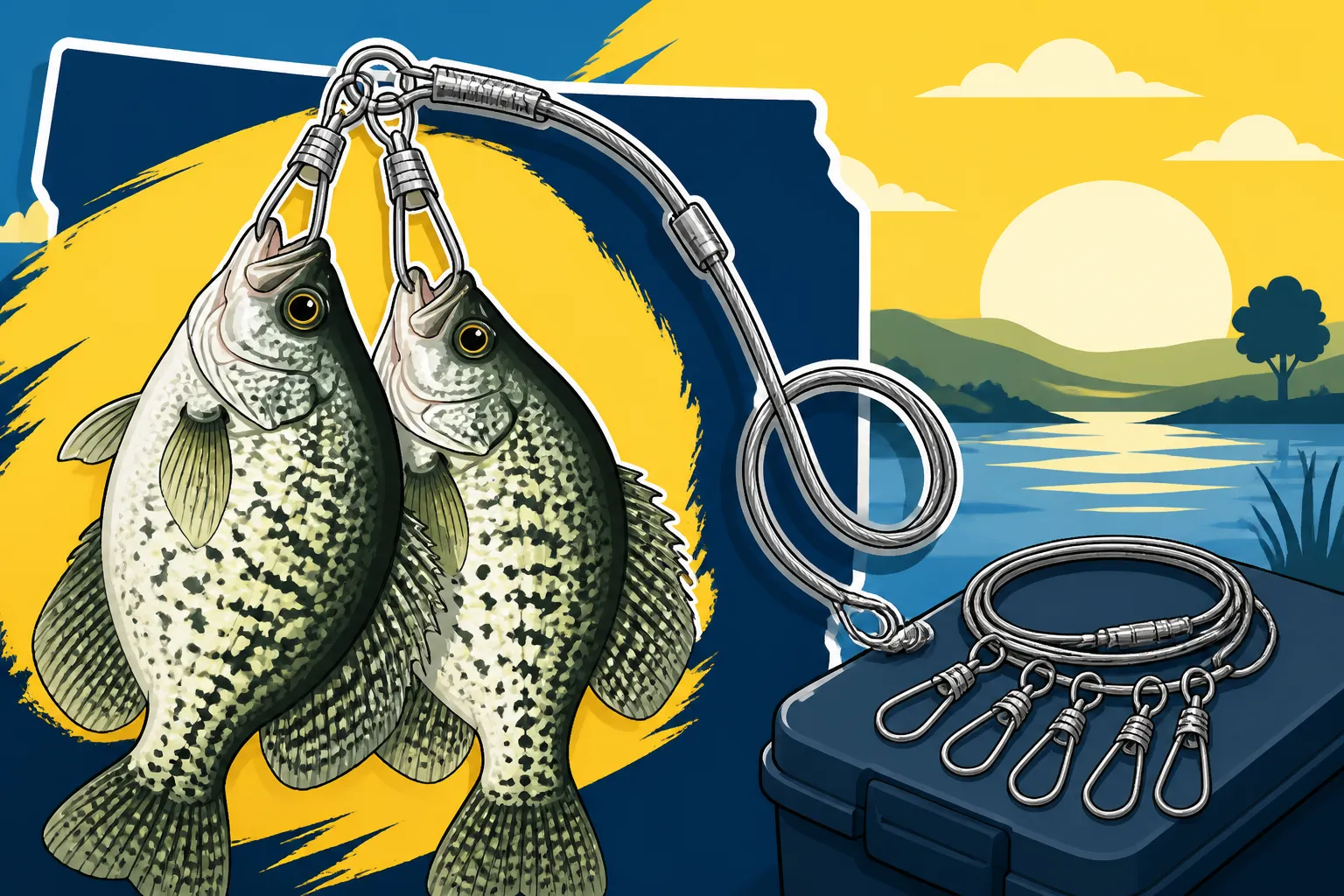
Chain stringers offer a more robust alternative to rope stringers. They are usually made of a sturdy metal chain with individual safety-pin style clips that secure through the fish's lower jaw or gill plate. These are a step up in terms of perceived durability and security. You can find many options on Amazon with different chain lengths and clip designs.
Pros:
- Enhanced Security: The metal chain is far less likely to break or fray than rope, offering a more secure hold, especially against strong currents or predatory animals.
- Durability: Made from metal, they are generally more resistant to wear and tear, and if stainless, corrosion. This means they'll last longer with proper care.
- Individual Fish Management: Each fish is attached to its own clip, which can reduce tangling compared to rope stringers.
- Better for Larger Catches: Can often handle heavier loads of fish without sagging or breaking.
Cons:
- Increased Weight and Bulk: Metal chains are heavier and bulkier than rope, making them less convenient for highly mobile anglers or those with limited storage.
- Potential for Injury: While often passed through the lower jaw, which is less damaging than the gills, improper placement can still cause stress or injury to the fish.
- Corrosion: If not made from quality stainless steel, chain links and clips can rust, become stiff, and eventually fail.
- Cost: Generally more expensive than basic rope stringers.
Livewells and Keeper Nets as Alternatives
While not strictly "stringers," livewells and keeper nets are important alternatives, especially for boat anglers or those prioritizing fish health above all else. A livewell is an integrated tank on a boat that circulates fresh, oxygenated water, keeping fish active and healthy. Keeper nets (or collapsible fish baskets) are submerged mesh cages that hold fish in the water without piercing them.
Livewells:
- Pros: Best for fish health, as they maintain a controlled environment with fresh, oxygenated water. Excellent for catch and release or for keeping tournament fish alive. Essential for anglers practicing Best Technique for Trophy Crappie.
- Cons: Expensive, bulky, only practical for boats with the necessary plumbing and power. Not an option for bank anglers.
Keeper Nets:
- Pros: Keeps fish entirely in the water, minimizing physical damage. Can hold a decent number of fish without individual piercing. Lightweight and collapsible, good for small boats or kayaks.
- Cons: Can be cumbersome to deploy and retrieve, especially in dense vegetation. Still prone to tangling if too many fish are crammed in. Less secure than a chain stringer against predators or strong currents.
| Stringer Type | Key Advantage | Key Disadvantage | Best Use Case |
|---|---|---|---|
| Rope Stringer | Affordable, lightweight | High fish stress, tangling | Budget-conscious bank anglers |
| Chain Stringer | Secure, durable | Heavier, potential for corrosion | Anglers needing security, boaters without livewell |
| Livewell | Optimal fish health | Expensive, boat-only, complex | Tournament anglers, dedicated boat fishermen |
| Collapsible Net | Minimal physical damage | Less secure, can be bulky when full | Kayak anglers, calm waters |
Key Features to Look for in a Quality Crappie Stringer
Choosing the best stringer for your Kansas crappie involves more than just picking the cheapest or most readily available option. Thoughtful consideration of specific features can significantly impact the health of your fish, the longevity of your gear, and your overall fishing experience. From the materials it's made from to how easy it is to use, every detail contributes to a superior stringer.
Material Durability and Corrosion Resistance
Kansas waters, whether it's a giant reservoir or a local community lake, can be tough on gear. Constant exposure to water, sunlight, and the occasional knock against a boat or dock means that durability is paramount. When looking at stringers, pay close attention to the materials.
- Stainless Steel: This is the gold standard for metal components (clips, chains, swivels). Stainless steel offers excellent corrosion resistance, meaning your stringer won't rust and seize up after a few trips. Cheaper metals might initially look fine but will quickly corrode, making clips difficult to open and weakening the overall structure. Imagine trying to attach a prize Kansas White Crappie Identification to a rusty, stubborn clip!
- Heavy-Duty Rope/Cable: For rope stringers, look for high-test nylon or similar synthetic fibers that resist rot, abrasion, and UV degradation. Some modern stringers even incorporate plastic-coated wire cables for enhanced durability, preventing fraying and cutting. These will last much longer than thin, untreated cotton ropes.
- Robust Fasteners: Ensure that any snaps, clips, or rings are heavy-duty and securely attached. A flimsy snap is just an invitation for your hard-earned catch to escape.
Investing a little more upfront in a stringer made from quality, corrosion-resistant materials, like those often found at a well-stocked Bass Pro Shops or through reputable sellers on Amazon, will save you money and frustration in the long run.
Length and Capacity Considerations
The "right" length and capacity depend heavily on your fishing style and anticipated catch size.
- Length: A longer stringer allows you to space out your fish more, reducing crowding and improving water circulation, which is crucial for keeping fish alive. For bank fishing, a longer stringer also means your fish can reach deeper, cooler water, which is a major benefit on hot days. If you're fishing from a kayak or a small boat, you might prefer a slightly shorter, more manageable length that doesn't drag excessively or get caught on obstacles.
- Number of Clips/Pins: This determines the stringer's capacity. Consider how many crappie you typically keep in a session. If you're consistently hitting the Kansas Crappie Daily Limit of 50 Fish, a stringer with ample clips or pins is essential. However, remember that capacity isn't just about fitting fish on; it's about giving them enough room to survive comfortably. Overcrowding, even with many clips, defeats the purpose.
A stringer that's too short will force you to stack fish too closely, stressing them out. One that's excessively long might be difficult to manage. Think about the size of the crappie you expect to catch. Kansas crappie can range from small pan-sized fish to impressive slabs, and a stringer should accommodate their varying sizes without causing undue stress.
Ease of Use and Fish Safety
A good stringer should be easy to operate, even with cold, wet hands, and it should prioritize the well-being of the fish.
- Clip Design: For metal stringers, look for clips that are easy to open and close but secure enough that they won't accidentally release a fish. Smooth, rounded edges on the clips are important to minimize tearing or damage to the fish's mouth or gills. The best designs allow you to quickly string a fish without fumbling, especially when the bite is hot.
- Fish-Friendly Attachment: The ideal stringer allows you to attach the fish with minimal harm. Clips that go through the lower jaw (rather than the gill plate) are generally considered less damaging. For rope stringers, ensure the pins are sharp enough to pierce easily but not so sharp that they cause excessive tearing.
- Floatation: Some stringers come with a built-in float. This is a simple but incredibly useful feature. It prevents your stringer (and all your hard-earned fish!) from sinking to the bottom if it accidentally comes unattached from your boat or the bank. This added peace of mind is invaluable, especially if you're fishing over deep water or areas with snags.
When you're trying to quickly get that crappie off the hook and onto the stringer, fumbling with a difficult clip can cost you precious seconds and potentially stress the fish more. Look for intuitive designs that streamline the process while protecting your catch.
Best Practices for Using Your Crappie Stringer in Kansas
Having the right stringer is only half the battle; knowing how to use it effectively is just as important. Proper technique and care can make all the difference in keeping your crappie fresh, ensuring their survival, and extending the life of your gear. From how you attach your fish to how you maintain your stringer, these practices will elevate your angling game in Kansas.
Proper Attachment and Deployment
The way you attach a crappie to your stringer can significantly impact its survival and the quality of its meat. Many anglers mistakenly push the stringer pin through the fish's gills, which severely damages them and reduces the fish's ability to breathe, leading to quicker mortality.
- Through the Lower Jaw: For both rope and chain stringers, the best practice is to pass the pin or clip through the lower jaw of the fish. Gently lift the gill plate, expose the lower jaw, and push the pin through the soft tissue near the tip of the jaw. This keeps the mouth closed and allows water to flow freely over the gills, keeping the fish much healthier. It's a quick, relatively painless method that minimizes stress.
- Avoid Overcrowding: Give each fish ample space. While a stringer might have ten clips, if you're trying to keep larger Kansas Black Crappie Identification, you might only comfortably fit five or six. Overcrowding leads to fish bumping into each other, scraping off scales, and further stressing them out.
- Deep and Shady Water: Once your fish is on the stringer, deploy it into the coolest, most oxygenated water available. On sunny days, look for shady spots near docks, submerged brush, or under overhanging trees. If fishing from a boat, dangle the stringer over the side into deeper water. Avoid shallow, warm water, especially in summer, as this can quickly suffocate fish. Consider fishing areas like Milford Lake Crappie Fishing where deeper, cooler waters are readily accessible.
Maintaining Fish Health While on the Stringer
Your job isn't done once the fish is on the stringer. You want to give your crappie the best chance to stay lively until you're ready to clean them.
- Check Frequently: Periodically check on your stringer. Are the fish lively? Is anyone tangled? Are they getting enough water flow? Sometimes a quick adjustment can prevent a stressed fish from expiring.
- Avoid Dragging: If you're moving your boat or kayak, always pull the stringer out of the water. Dragging fish behind a moving vessel can cause severe damage, especially to their eyes and fins, and will greatly reduce their chances of survival.
- Temperature Management: On really hot days, even deep water can warm up. If you notice your fish becoming lethargic, it might be time to put them in a cooler with ice (if you intend to keep them) or consider ending your session if you're planning to release them. This applies to methods like Kansas Summer Fishing Guide where water temperatures are higher.
- Handle with Care: When adding or removing fish, handle them gently. Use wet hands to avoid removing their protective slime coat, which can lead to infection if released.
Cleaning and Storage for Longevity
Taking care of your stringer after each trip will ensure it lasts for many seasons of Kansas Spring Crappie Fishing Tips and beyond.
- Rinse Thoroughly: After every use, especially if you've been in murky or muddy water, rinse your stringer thoroughly with fresh water. This removes fish slime, dirt, and any lake residue that can lead to odor or corrosion. Pay special attention to the clips and chain links.
- Dry Completely: Hang your stringer to dry completely in a well-ventilated area before storing it. Storing a wet stringer, especially a rope stringer, can lead to mildew, rot, and an unpleasant smell. For metal stringers, thorough drying prevents rust and extends the life of the components.
- Inspect for Wear and Tear: Regularly check your stringer for signs of damage. Look for frayed ropes, bent clips, or rust on metal parts. It's much better to replace a weak clip at home than to discover it's failed when you're on the water with a stringer full of fish. A quick check after rinsing can save you a lot of headache later.
- Proper Storage: Store your clean, dry stringer in a cool, dry place, away from direct sunlight. This prevents material degradation and keeps it ready for your next outing. Some anglers keep their stringers neatly coiled in a dedicated compartment of their Best Tackle Box Setup for Kansas Anglers or in a small mesh bag to keep it separate from other gear.
By following these best practices, you'll not only preserve the quality of your crappie but also ensure your stringer remains a reliable piece of equipment for countless fishing adventures in Kansas.
Disclaimer
This article is for general informational purposes only and does not constitute professional advice. Laws, prices and regulations vary by location and change over time. Consult a qualified professional for guidance on your specific situation.