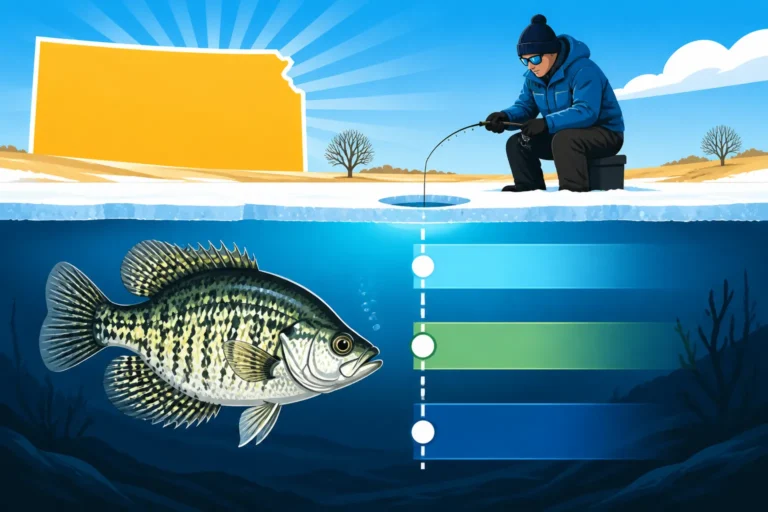
Best Water Temperature for Crappie Spawn
Trying to nail down the best time to chase crappie in Kansas can feel like a game of chance, especially when you hear different advice about when they're really "on." It’s frustrating to put in the time and effort, only to find the fish aren't where they should be. This guide is all about cutting through that confusion, focusing on the single most critical factor for a successful crappie spawn bite: water temperature. We'll dive deep into understanding what makes these fish tick during their most active period, so you can stop guessing and start catching.
Understanding the Crappie Spawn in Kansas
The crappie spawn is like a secret code for anglers, signaling one of the most exciting times to be on the water. It’s when these popular panfish move from their deeper wintering haunts into shallower areas, making them more accessible to anglers. But it’s not just a calendar date that triggers this movement; it's a very specific environmental cue, and temperature leads the charge. Ignoring this crucial detail is often why anglers miss out on prime opportunities.
The Golden Temperature Range
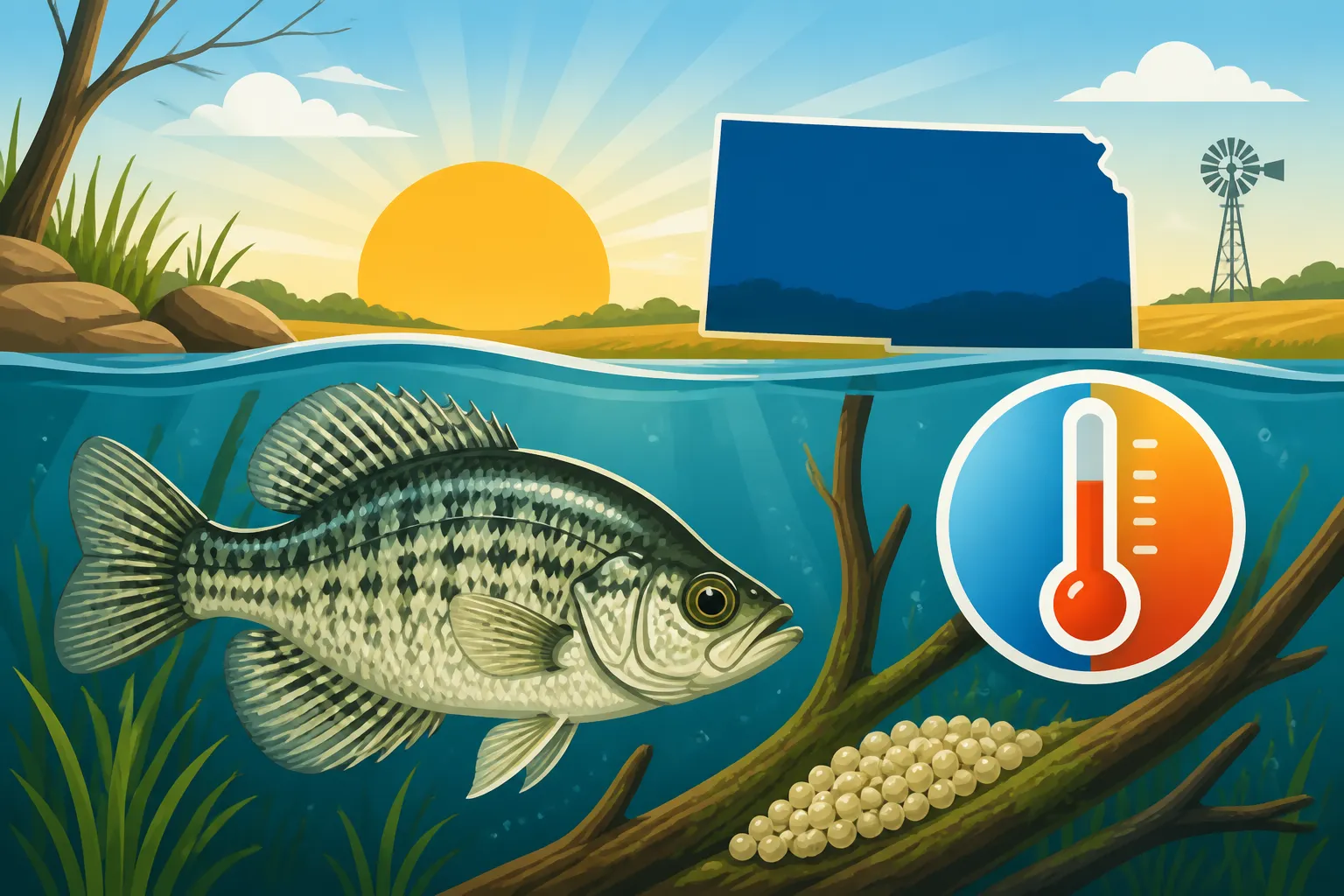
When we talk about the "best" water temperature for crappie to spawn, we're really looking at a sweet spot that typically falls between 58 and 68 degrees Fahrenheit. This isn't just a random range; it's the biological prime time when crappie instinctively know conditions are right for reproduction. Once water temperatures consistently settle into this zone, usually starting in late April through May in many Kansas lakes like Clinton Lake or Hillsdale Lake, the crappie really start to get active. Below this range, they might be staging, but not actively spawning. Above it, they’ve often finished up and are beginning to disperse.
Think of it like this: If the water is too cold, say in the low 50s, the crappie are still sluggish. They might be thinking about moving shallower, but they’re not fully committed. As the water warms, their metabolism picks up, and the urge to reproduce kicks in. Once it gets too warm, past the upper 60s, their biological clock tells them it's time to move on and recover from the strenuous activity of spawning. Knowing this specific range allows you to focus your efforts when the fish are most vulnerable and concentrated.
Why Temperature is Key
Water temperature is the ultimate maestro, orchestrating the crappie's entire spring movement and spawning ritual. It dictates not just when they spawn, but also where they'll decide to build their nests. As the sun warms the shallow waters of coves, creeks, and protected bays, these areas become crappie magnets. The warmer water helps the eggs develop and also supports the growth of plankton and small insects, providing vital food for newly hatched fry.
A gradual warming trend is ideal. If the water warms up too quickly, crappie might rush their spawn, making for a shorter, less predictable bite. Conversely, a sudden cold snap, often called a "cold front," can push crappie back into deeper water temporarily, halting the spawn until temperatures stabilize again. This sensitivity means that consistent monitoring of water temperature isn't just a suggestion; it's practically a requirement for serious crappie anglers. Understanding this profound link helps you anticipate their movements and adjust your tactics, making your time on the water far more productive. You can often find some of the best fishing by keying in on these temperature shifts, knowing that the fish will follow suit.
Tracking Water Temperature for Peak Action
Knowing the ideal temperature range is one thing, but actually finding and monitoring it while you're out on the water in Kansas is another. This is where modern tools and a bit of local knowledge truly come into play. You don't need to be a meteorologist, but having reliable methods to check water temperature will drastically improve your chances of hitting the spawn just right.
Essential Tools for Anglers
The most straightforward tool for tracking water temperature is a quality water thermometer. There are several types, from simple floating thermometers you can toss out and retrieve, to more advanced digital models integrated into fish finders. For accuracy and ease of use, a digital thermometer built into your depth finder or a dedicated portable unit like those available on Amazon can be a game-changer. These devices often provide real-time readings, allowing you to quickly identify warmer pockets of water where crappie might be congregating.
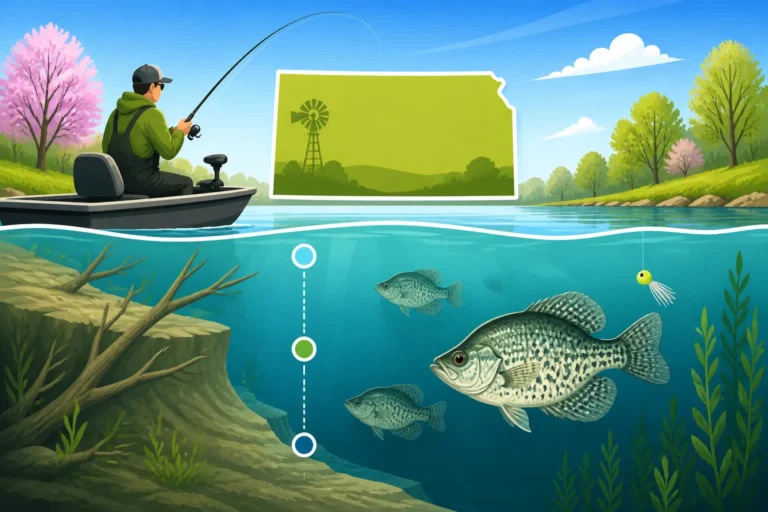
Beyond thermometers, having a reliable depth finder with a temperature sensor is incredibly beneficial. Most modern units, even entry-level ones, include this feature. It allows you to see the water temperature at different depths, which can be critical when crappie are staging just outside of their spawning areas. For example, if you're marking fish at 10 feet in a cove, and your surface temp is 55 degrees but it's 58 degrees at 8 feet, those crappie are likely staging and will move shallower as the surface warms. Using these tools effectively helps you pinpoint where the fish are in their spawning cycle and adjust your presentation accordingly.
Finding Water Temperature Information
You don't always have to be on the water to get an idea of the current conditions. Many resources exist to help Kansas anglers stay informed. The Kansas Department of Wildlife and Parks (KDWP) often provides general fishing reports that might include surface water temperatures for popular reservoirs like Milford Lake or El Dorado Lake. Local bait shops are also goldmines of information; the folks working there often have their fingers on the pulse of local lake conditions and can tell you where the bite has been hot.
Online fishing forums and social media groups dedicated to Kansas fishing are another excellent way to gather real-time intel. Anglers are often eager to share their experiences, including water temperatures they’ve observed. However, always take online reports with a grain of salt and use your own judgment. The most accurate way to know the temperature of your specific fishing spot is to measure it yourself. Combine broader reports with your personal observations, and you'll build a much clearer picture. Understanding Kansas Fishing Seasons Guide can also help you generalize the timing, but actual water temps are the precise trigger.
Crappie Behavior During the Spawn
Understanding the progression of crappie behavior throughout the spawning period is just as important as knowing the temperature. Crappie don’t just suddenly appear on beds and then vanish; it's a phased process, and each phase requires a slightly different approach from the angler. Missing these nuances can mean the difference between a full livewell and an empty one.
Pre-Spawn Movements
Before the water hits that ideal 58-degree mark, crappie are usually in a "pre-spawn" phase. This is when they start migrating from their deeper wintering areas towards the shallow bays, coves, and creek channels where they intend to spawn. During this time, the water temperature might be in the low to mid-50s. They're often found staging in slightly deeper water adjacent to the spawning grounds, perhaps around 10-20 feet deep, holding near submerged brush piles, creek channel bends, or ledges.
During this pre-spawn period, crappie are actively feeding to bulk up for the energy-intensive spawning process. This can be an incredibly productive time to fish, as they are often aggressive. Look for them concentrated in these transition areas. Your tactics should focus on vertical jigging or slow-trolling jigs or minnows in these staging zones. Understanding how and when they move shallow can give you a significant advantage, often leading to bigger, fatter fish before they commit to the beds.
Spawning Bed Locations
Once the water temperature consistently hits that 58-68 degree range, crappie will move onto their spawning beds. They seek out shallow, protected areas with firm bottoms, typically in 2-5 feet of water, though sometimes shallower in stained water or deeper in clear water. These areas often have some form of cover like submerged brush, laydowns, cattails, or even old tires. Male crappie will fan out small depressions on the bottom to create nests, which they then guard.
This is the stereotypical "crappie spawn" fishing that most anglers envision. The fish are concentrated, often visible, and relatively easy to catch if you can locate their beds. Focus your efforts on these shallow, protected zones. Light jigs tipped with minnows or soft plastics, fished under a bobber or slowly retrieved, are highly effective. Stealth is key here; approach quietly to avoid spooking fish. This is when you can really put some numbers in the boat, as the fish are very protective of their nests. For more detailed information on specific techniques during this period, check out our guide on Jigging Techniques for Kansas Crappie. Knowing Kansas Crappie Length and Bag Limits is also crucial during this productive time.
Post-Spawn Recovery
After the rigors of spawning, which can last a few weeks depending on the size of the lake and the consistency of the water temperatures, crappie enter a post-spawn recovery phase. The water temperature will often be above 68 degrees, climbing into the low 70s. Both male and female crappie will begin to disperse from the spawning beds, moving back towards deeper water. The females, especially, will be thin and lethargic, needing time to recuperate.
Fishing during the immediate post-spawn can be challenging, as the fish are scattered and less aggressive. However, as they recover, they will start to feed again, often returning to structures in slightly deeper water – channel edges, submerged humps, or standing timber. The key here is patience and adapting your tactics to find these scattered, recovering fish. Don't expect to find large concentrations like during the peak spawn. Instead, focus on structure fishing in deeper transition areas, moving slowly and thoroughly. Sometimes, they'll congregate in shaded areas or deeper brush piles to escape the warmer surface temperatures.
Beyond Temperature: Other Factors for Spawn Success
While water temperature is undeniably the most critical trigger for the crappie spawn, it's not the only factor influencing their behavior. A truly successful crappie angler in Kansas pays attention to a suite of environmental cues that, when combined with ideal temperatures, can make for an unforgettable day on the water. Think of these as supporting actors that enhance the main performance.
Light and Day Length
The increasing day length in spring works hand-in-hand with warming water temperatures to signal to crappie that it's time to reproduce. As the days grow longer, the amount of sunlight reaching the shallow water increases, contributing to the warming trend and influencing the crappie's biological clock. This photoperiod change is a fundamental trigger for many fish species to begin their reproductive cycles.
While you can't control day length, understanding its role helps you anticipate the spawn even before the water fully warms. It's why crappie tend to spawn around the same general time each year, even if the exact dates shift due to unusual weather. For example, a late cold spring might delay the spawn, but the increasing sunlight is still pushing them in that direction. This sustained light exposure also impacts the growth of plankton, which are the base of the food chain for crappie fry, further signaling favorable conditions for survival. This is why paying attention to the calendar in conjunction with real-time temperature is so vital.
Water Clarity and Depth
Water clarity plays a significant role in where and how crappie will spawn. In clearer lakes, like Wilson Lake, crappie often spawn a bit deeper to feel more secure from predators. They might still be in that 2-5 foot range, but they’ll prioritize thicker cover or slightly deeper pockets. In contrast, on murkier or stained lakes, like many smaller community lakes or the lower ends of larger reservoirs after a rain, crappie may spawn much shallower, sometimes in less than a foot of water. The reduced visibility provides them with enough cover even in very shallow conditions.
The depth also influences your presentation. In clear water, a subtle, natural presentation might be necessary, and you might need to back off your target to avoid spooking fish. In stained water, you can often get closer, and brighter colors or baits that create more vibration might be more effective. Always consider the clarity of the water you're fishing and adjust your approach and chosen depths accordingly. You can get a general idea of clarity from state fishing reports or simply by observing the water.
Weather Patterns
We've already touched on how cold fronts can temporarily halt the spawn, but broader weather patterns also significantly impact crappie behavior. Stable weather, with consistent sunshine and light winds, is ideal for a strong, prolonged crappie spawn. This allows the shallow water to warm steadily and stay within that golden temperature range, keeping the fish active and on their beds.
Conversely, unstable weather – frequent cold fronts, heavy rains that cause muddy run-off, or strong winds – can make crappie fishing during the spawn notoriously difficult. Heavy rains can drop water temperatures, increase current, and cloud up the water, all of which disrupt the crappie's spawning rhythm. Strong winds can make boat control difficult and scatter fish from shallow, exposed areas. It's not just the temperature, but how the temperature is achieved and maintained, that influences the quality of the spawn. Always check the forecast before you head out, and if a major weather change is predicted, consider adjusting your plans or targeting more protected areas.
| Spawn Phase | Water Temperature Range | Typical Location | Crappie Behavior | Suggested Techniques |
|---|---|---|---|---|
| Pre-Spawn | 50-57°F | Deeper channels, creek bends, brush adjacent to bays | Staging, actively feeding, moving shallow | Vertical jigging, slow-trolling minnows/jigs |
| Peak Spawn | 58-68°F | Shallow coves, protected bays, firm bottoms, cover | Guarding nests, aggressive, concentrated | Jigs under bobbers, minnows, soft plastics |
| Post-Spawn | 69°F+ | Dispersing from beds, returning to deeper structure | Recovering, scattered, less aggressive initially | Structure fishing, slower presentations |
Essential Gear for Crappie Spawn Success
Having the right gear won't just make your crappie spawn experience more comfortable, but it can genuinely improve your success rate. While you don't need the most expensive equipment, a few key items will help you capitalize on those prime water temperatures and active fish. Don't overlook the importance of having your tackle dialed in, especially during this fast-paced time of year.
Rods, Reels, and Line
For crappie fishing during the spawn, a light to ultralight spinning rod is ideal. Something in the 5-foot to 7-foot range with a fast or moderate-fast action will give you the sensitivity to feel subtle bites and the backbone to handle decent-sized crappie. Pair this with a small spinning reel (e.g., a 1000 or 2000 series) spooled with 4-6 pound test monofilament or fluorocarbon line. Monofilament offers a bit of stretch, which can be forgiving with lighter hooks and soft crappie mouths, while fluorocarbon offers more sensitivity and less visibility. For deeper water or when casting further, a thin braided line with a fluorocarbon leader can offer excellent feel and casting distance. You can find some fantastic combos for various budgets on Amazon, ensuring you have the right setup.
Many anglers prefer a specific setup for their Best Rod and Reel Combo for Crappie. The sensitivity is paramount, as crappie bites can be incredibly light, often feeling like just a slight tick or the line going slack. A good, responsive rod helps you detect those subtle takes, especially when they're guarding beds and just "thumping" the bait rather than aggressively striking it.
Baits and Lures
When crappie are on the beds, they can be surprisingly aggressive. Small jigs (1/32 to 1/16 ounce) tipped with soft plastic bodies are incredibly effective. Popular colors vary by water clarity, but chartreuse, white, black, and natural shad patterns are always good starting points in Kansas. Experiment with different tail actions – curly tails, paddle tails, or tube jigs – until you find what the fish prefer on that particular day. For more insights into specific lures, dive into our Best Lures for Kansas Crappie guide.
Live minnows, suspended under a small bobber, are also deadly, especially for finicky crappie or when you're looking for larger fish. Use a small hook (size 4 or 6 light-wire Aberdeen hook) to avoid hindering the minnow's action. Remember, crappie are often defending their nests, so presentations that hover near the bed for an extended period are often most successful. Carrying a variety of jigs, soft plastics, and a bait bucket for minnows will ensure you're ready for whatever the crappie are biting on.
Other Handy Accessories
Beyond rods and bait, a few other items can make your crappie spawn fishing trip more efficient and enjoyable.
- Small Landing Net: Crappie can have delicate mouths, and a soft-mesh landing net helps ensure you get your fish in the boat without tearing lips or losing them at the last second.
- Pliers/Forceps: Essential for safely removing hooks, especially when fish are hooked deep.
- Sun Protection: Sunglasses, a hat, and sunscreen are crucial for long days on the water.
- Livewell or Cooler: If you plan on keeping your catch, a good livewell or a cooler with ice will keep your crappie fresh.
- GPS/Map: Especially on larger reservoirs, a good map or GPS unit on your fish finder can help you mark productive areas and navigate effectively. Many anglers use their fish finder to mark brush piles or submerged cover that consistently hold crappie.
Having your gear organized and ready before you hit the water saves valuable fishing time. A well-stocked tackle box, perhaps purchased through Amazon, with a variety of crappie jigs, hooks, sinkers, and bobbers, will ensure you're prepared for different conditions and crappie moods. This attention to detail can drastically improve your odds during the often-fickle spawn bite.
Disclaimer
Always remember to check the current Kansas Department of Wildlife and Parks (KDWP) regulations before heading out on the water. Fishing rules, limits, and license requirements can change, and it's every angler's responsibility to stay informed and comply with state laws.