Camping Near Milford Lake for Anglers
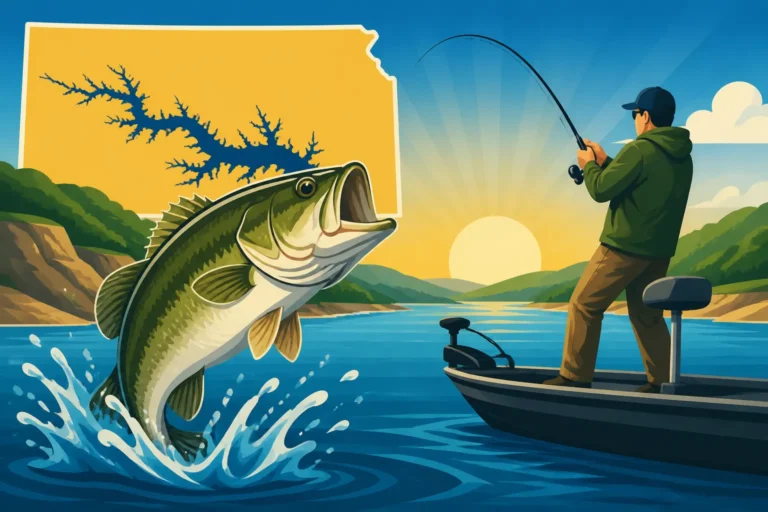
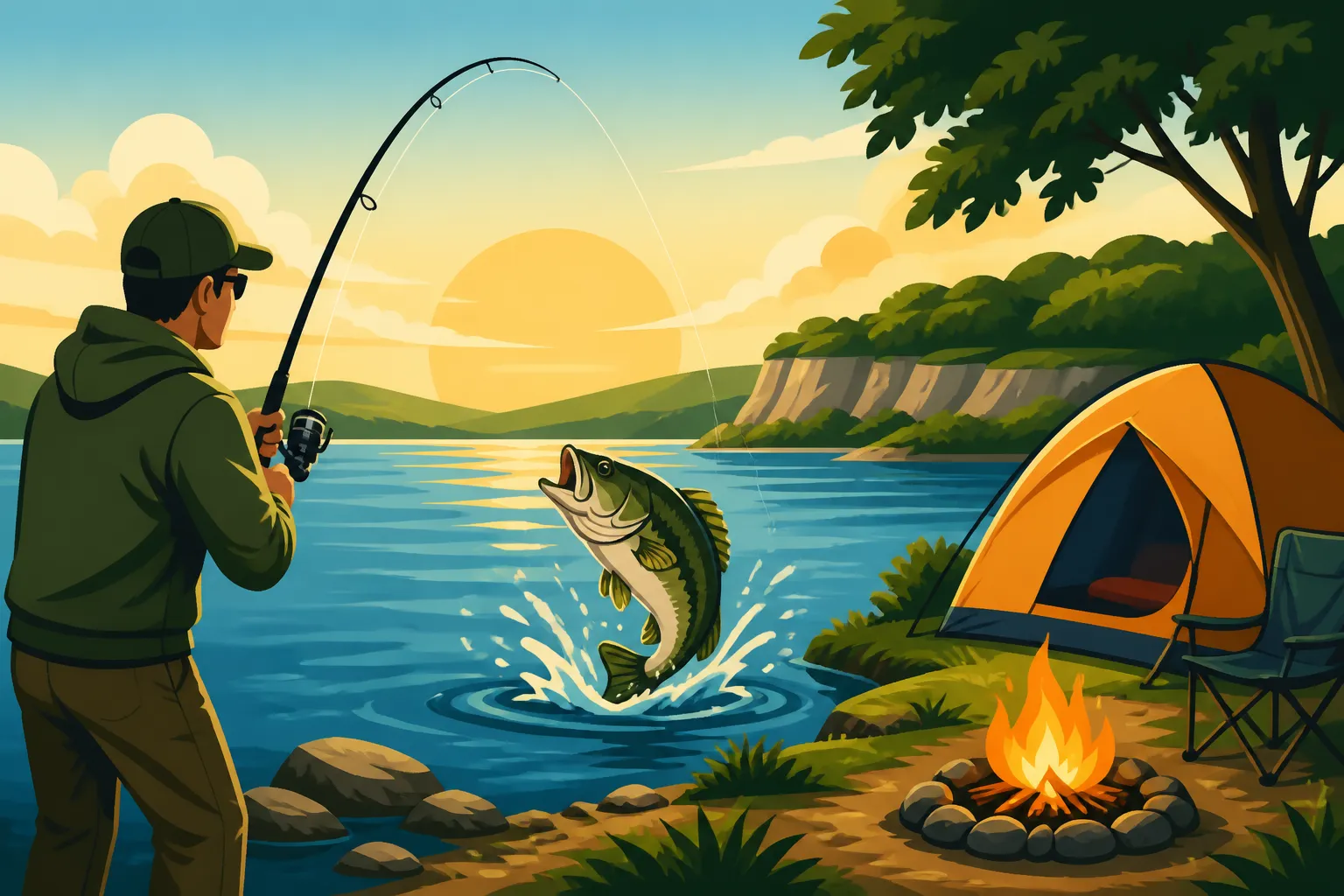
There’s nothing quite like waking up with the morning mist still clinging to the water, the smell of coffee brewing, and the knowledge that prime fishing grounds are just steps away. For many anglers in Kansas, the thought of a dedicated fishing trip often involves hours of driving, only to then spend more time launching a boat or finding a good bank spot. But what if you could combine the tranquility of camping with the thrill of reeling in a trophy catch? That's exactly the dream that camping near Milford Lake offers, providing unparalleled access to some of the state's best fishing right from your doorstep.
Why Camping Near Milford Lake is a Dream for Anglers
Milford Lake, often touted as the "Walleye Capital of Kansas," isn't just a body of water; it's an entire ecosystem teeming with opportunities for serious anglers and casual fishing families alike. Combining a camping trip with your fishing ambitions here elevates the entire experience, transforming a simple outing into a memorable adventure. Imagine less time packing up your gear in the morning and more time with a line in the water.
Unpacking Milford Lake's Fishing Appeal
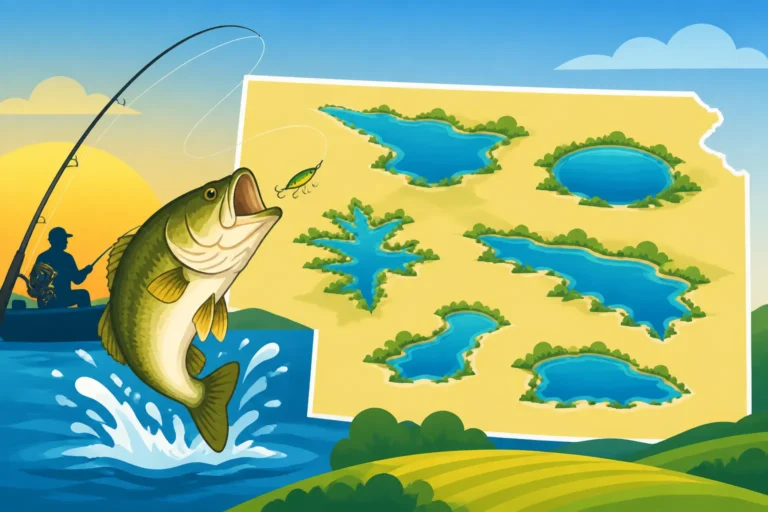
Milford Lake is renowned for its diverse fishery, making it a hotspot for various species that cater to different angling preferences. The lake's structure, with its numerous coves, points, submerged timber, and rocky areas, provides ideal habitats for a wide range of fish. When you set up camp nearby, you’re not just close to water; you're immersed in a prime fishing environment.
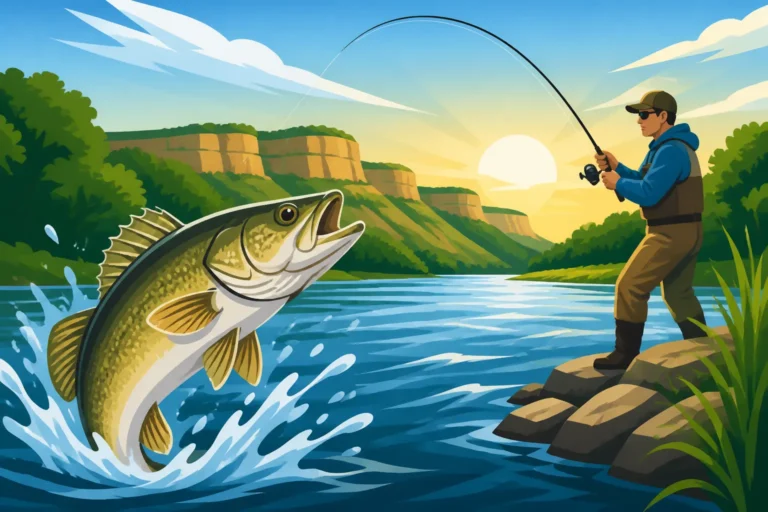
Walleye are undoubtedly the star of the show at Milford. Anglers flock here specifically for the chance to land these elusive, delicious fish. The lake's deep, clear waters and abundant forage base make it an excellent walleye fishery, with many anglers reporting significant catches, especially during spring and fall. But it’s not just walleye. The lake also boasts a fantastic population of channel catfish, blue catfish, and flathead catfish, offering thrilling battles for those who prefer whiskerfish. Imagine cooking up fresh catfish fillets over a campfire – it doesn't get much better than that!
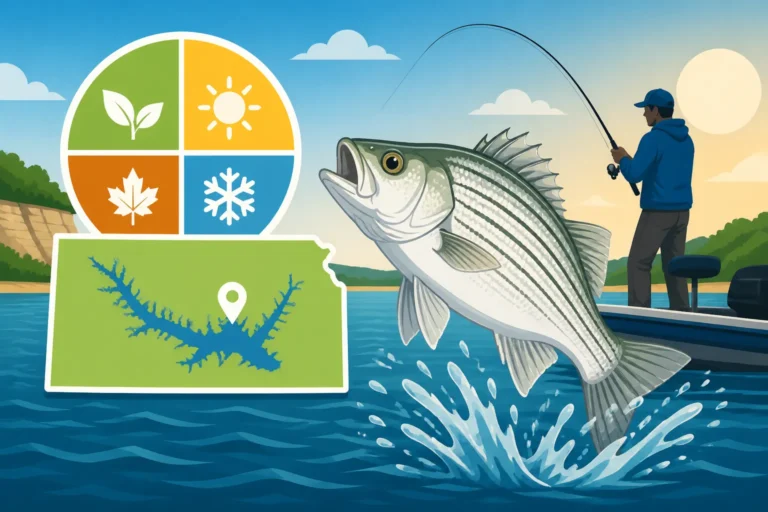
Crappie fishing is another major draw, particularly in the spring when these panfish move into shallower waters for their spawn. Numerous submerged brush piles and standing timber provide excellent cover, making them a relatively easy target for those looking to fill a stringer. White bass also put on a spectacular show during their annual runs, especially up the Republican River arm of the lake, offering fast-paced action. For those interested in tracking seasonal patterns, our guide on Milford Lake White Bass Run can provide excellent insights. Milford Lake truly is a comprehensive fishing destination, and camping nearby means you can capitalize on these varied opportunities without the daily grind of travel.
The Convenience Factor for Early Risers
Any seasoned angler knows that the best fishing often happens during the "golden hours" – dawn and dusk. These are the times when many fish species are most active, feeding aggressively as light conditions change. The monumental advantage of camping near Milford Lake is the sheer convenience it offers for accessing these prime fishing windows.
Instead of setting your alarm for 3 AM to drive an hour or two to the lake, you can simply roll out of your tent or RV, grab your rod, and be on the water or at your bank fishing spot within minutes. This means more sleep, less stress, and ultimately, more time with your line in the water during those crucial periods. Think about it: when the walleye are hitting hard at first light, you’re already there, not stuck in traffic. When the evening bite for catfish kicks in, you’re perfectly positioned to enjoy it, and your cozy campsite is waiting for you just a stone's throw away. This uninterrupted access maximizes your fishing potential and makes for a much more relaxed and enjoyable trip overall. It’s about more than just fishing; it’s about embracing the entire lifestyle that comes with it, from the early morning mist to the evening campfire stories.
Top Camping Spots Tailored for Anglers at Milford Lake
When you’re planning a fishing trip to Milford Lake, choosing the right campsite can be almost as important as picking the right bait. You want a spot that offers convenience, access, and the amenities that make an angler's life easier. Thankfully, Milford Lake has a fantastic array of options, from well-equipped state park campgrounds to more secluded, rustic sites and even private RV parks.
Milford State Park Campgrounds: The Go-To Choice
Milford State Park is undoubtedly the jewel in the crown for anglers looking to camp near the lake. The park offers multiple campgrounds, each with its own character and proximity to prime fishing areas and essential facilities. Being within the state park means you get immediate access to the lake's resources, often including boat ramps and, crucially, fish cleaning stations.
Fancy Creek Campground is a popular choice, known for its spacious sites and proximity to excellent fishing spots. It features electric and water hookups, making it suitable for both RVs and tent campers. The nearby Fancy Creek Boat Ramp provides easy access to the main body of the lake, and several coves offer good bank fishing opportunities. Many anglers appreciate the comfort and convenience, especially when dealing with gear.
Farnum Creek Campground is another fantastic option. Situated along the lake's eastern shore, it provides a more secluded feel while still offering electric hookups and water. Its location is excellent for accessing the southern portions of the lake, which are known for good crappie and white bass fishing, particularly during their respective seasons. You'll often see fellow anglers sharing tips here.
School Creek Campground, located on the northwestern side of the lake, offers beautiful views and direct access to areas known for walleye and catfish. Like the others, it provides various amenities, including utility hookups, showers, and restrooms. Its boat ramp is perfect for launching smaller craft or kayaks directly into productive fishing waters. For comprehensive information on accessing these prime locations, our guide on Milford State Park Fishing Access delves deeper into the specifics of each area. The ability to launch your boat within minutes of waking up, fish all morning, come back to camp for lunch, and head back out in the afternoon without any significant travel time is an angler's paradise.
Private Campgrounds and RV Parks for Extra Comfort
While Milford State Park offers fantastic facilities, sometimes you might be looking for something a bit different, perhaps with more amenities or a slightly different atmosphere. Milford Lake also has several excellent private campgrounds and RV parks scattered around its perimeter that cater specifically to the angling crowd. These can be particularly appealing for those with larger RVs or who desire additional creature comforts during their trip.
One such example is the Thunderbird Marina & RV Park, located conveniently near the main body of the lake. This private park often features full hookups (water, electric, and sewer), which can be a huge bonus for longer stays, especially if you're planning to clean a lot of fish and need a reliable water source. They often have their own boat ramps, fuel docks, and even bait and tackle shops on-site, making it a true one-stop shop for anglers. Some private parks also offer cabins for rent, which can be a great option if you prefer a solid roof over your head but still want that close-to-the-water experience.
Another popular choice is Acorn Acres RV Park & Campground. These types of establishments often provide amenities like Wi-Fi, laundry facilities, and sometimes even a small convenience store, which can be invaluable when you're spending multiple days fishing and camping. The atmosphere at private parks can sometimes be a bit more communal, with fellow anglers sharing stories and tips around a central gathering area. While these spots might come with a slightly higher price tag than state park campgrounds, the added conveniences, often including dedicated fish cleaning stations and ample space for boat parking, can be well worth the investment for a comfortable and productive fishing vacation. To help you plan, services like FishingBooker can sometimes offer insights into local guides operating out of these areas, or even provide reviews of the parks themselves from other anglers.
| Campground/Park | Type | Location | Key Angler Amenities | Hookups Available | Notes |
|---|---|---|---|---|---|
| Fancy Creek Campground | State | Milford State Park, East Side | Boat Ramp, Fish Cleaning Station | Electric/Water | Popular, spacious sites, good for larger boats. |
| Farnum Creek Campground | State | Milford State Park, East Side | Boat Ramp Access, Hiking Trails | Electric/Water | More secluded, good for crappie/white bass. |
| School Creek Campground | State | Milford State Park, NW Side | Boat Ramp, Fish Cleaning Station | Electric/Water | Excellent walleye access, scenic views. |
| Thunderbird Marina & RV Park | Private | West of Lake, near Wakefield | Private Boat Ramp, Fuel, Bait Shop | Full Hookups | Convenient, full service, ideal for RVs. |
| Acorn Acres RV Park | Private | Near Milford, just off lake | Wi-Fi, Laundry, Convenience Store | Full Hookups | Comfort-focused, good for longer stays. |
Essential Gear and Tips for a Successful Camp-and-Fish Trip
Embarking on a combined camping and fishing adventure at Milford Lake requires a bit more foresight than just packing your tackle box. To truly maximize your enjoyment and success, you need to consider how your camping gear supports your fishing goals and vice-versa. After all, a comfortable camp makes for a more focused angler!
Must-Have Camping Gear for Kansas Weather
Kansas weather, especially around the expansive waters of Milford Lake, can be notoriously unpredictable. A beautiful, sunny morning can quickly give way to a blustery afternoon or a sudden thunderstorm. Being prepared for anything will make your trip much more enjoyable.
First and foremost, a reliable tent is crucial. Look for a tent that’s genuinely waterproof, with a good rainfly and strong zippers. Don't skimp on this, as a leaky tent can quickly ruin a trip. For RV campers, ensure your seals are good and awnings are secure. A sturdy sleeping bag appropriate for the forecasted nighttime temperatures, plus an insulating sleeping pad or air mattress, will ensure you get proper rest after a long day of casting. Believe me, a good night's sleep makes all the difference when you're trying to hit that early morning bite.
Beyond shelter, consider portable cooking equipment. A camp stove is essential for heating water for coffee or cooking meals, especially if you plan to fry up your fresh catch. Don't forget a cooler – and preferably a good quality one like a YETI or an RTIC – to keep your food fresh and your drinks cold. For anglers, a separate, perhaps smaller, cooler specifically for keeping bait alive or your catch on ice throughout the day is highly recommended. And always, always pack rain gear. A good waterproof jacket and pants are non-negotiable, even if the forecast looks clear. You never know when a quick shower will roll through, and staying dry keeps you comfortable and on the water longer. Finally, bring plenty of layers. Kansas temperatures can swing widely from day to night, even in the summer, so having options allows you to adapt.
Angler-Specific Camping Hacks
Beyond the general camping essentials, there are several angler-specific hacks that can significantly enhance your Milford Lake experience. These are the little tricks that experienced fishing campers learn over time, making their trips smoother and more productive.
One of the biggest game-changers is an organized tackle station at your campsite. Instead of rummaging through a messy tackle box in the dark, set up a small folding table where you can lay out your frequently used lures, tools, and terminal tackle. This makes re-rigging quicker and less frustrating, especially during those low-light hours. If you’re bringing a boat, make sure you know the locations of the Public Boat Ramps at Milford Lake beforehand and have your boat registration in order.
For bait storage, especially live bait like minnows or worms, consider a dedicated bait cooler or a live bait bucket with a battery-powered aerator. Keeping your bait lively is key to attracting fish. If you're going after catfish, which often involves cut bait or stink bait, make sure you have sealed containers to minimize odors around camp. Our guide on Best Bait Storage for Summer Fishing offers more ideas for keeping your bait fresh.
When it comes to your fishing rods, consider portable rod holders that can stick into the ground near your campsite or attach to your cooler. This keeps your rods safe, organized, and out of the way when not in use. If you're planning on kayak fishing, a quality kayak cart can save your back when transporting your boat from your campsite to the water, especially if your site isn't directly waterfront. Also, think about your lighting. A good headlamp with a red light setting is invaluable for tying knots or navigating camp after dark without ruining your night vision or disturbing fellow campers. And don't forget the importance of proper fishing licenses and knowing the latest Kansas Fishing Regulations Explained before you even cast a line.
Planning Your Milford Lake Angling Adventure
A successful fishing and camping trip isn't just about showing up with gear; it's about preparation and understanding the environment you're entering. Milford Lake, being the largest lake in Kansas, offers vast opportunities, but knowing how to approach it will make all the difference.
Understanding Lake Conditions and Best Fishing Times
Milford Lake is a dynamic body of water, and its conditions can change based on weather, season, and even time of day. For walleye, the spring spawn often sees them moving to shallower, rocky areas, while summer pushes them deeper. Fall can bring another excellent bite as they feed heavily before winter. For crappie, spring is prime time as they move into the brushy coves. Catfish are generally more active in warmer months and can be targeted day or night. For detailed insights into seasonal patterns, our guide on Kansas Fishing Seasons Guide can be a huge asset.
Monitoring weather forecasts, water temperatures, and lake levels is crucial. The Kansas Department of Wildlife, Parks and Tourism (KDWPT) often provides regular fishing reports for Milford Lake, which can offer current insights into what's biting and where. Additionally, talking to local bait shop owners or fellow anglers at the boat ramp can provide invaluable real-time information. Don't be shy; most anglers love to share a tip or two!
For those who want to really dial in their strategy, consider hiring a local fishing guide. Services like FishingBooker can help you find experienced guides who know Milford Lake like the back of their hand. A guide can help you understand the lake's nuances, pinpoint hotspots, and even teach you techniques specific to the local fishery, giving you a huge leg up on your trip. They can often provide a much more focused experience than trying to figure out a new lake on your own.
Licensing, Regulations, and Local Etiquette
Before you even think about casting a line, ensure you have the proper licenses and understand the local rules. Every angler 16 years of age and older needs a valid Kansas fishing license. If you plan on catching trout, you'll need an additional Kansas Trout Permit Guide. It's always best to get your license before you head out, either online through the KDWPT website or from a licensed vendor. You can find more details in our Kansas Fishing License Guide.
Beyond licenses, familiarize yourself with Milford Lake’s specific regulations regarding length limits and daily creel limits for different species. These can vary not only by species but sometimes by specific bodies of water within Kansas, so always double-check the current regulations handbook. For example, walleye often have minimum length limits to protect the breeding population, while crappie may have higher bag limits.
Finally, practice good angling and camping etiquette. This means packing out everything you pack in, leaving no trace, and being respectful of other campers and anglers. Be mindful of noise levels, especially during quiet hours. At boat ramps, be efficient with your launch and retrieval to avoid holding up others. On the water, give other boats and bank anglers plenty of space. We're all out there to enjoy nature and the sport, so a little courtesy goes a long way to ensure everyone has a fantastic time. Remember to properly dispose of any fishing line and bait containers, as litter harms wildlife and detracts from the beauty of the lake we all share.
Disclaimer
Please remember that fishing regulations, license requirements, and park amenities can change. Always check the official Kansas Department of Wildlife, Parks and Tourism (KDWPT) website or contact them directly for the most current information before planning your trip. Fishing and outdoor activities carry inherent risks; always prioritize safety and be prepared for changing weather conditions.