How Many Reservoirs Does Kansas Have for Fishing?
It’s a common misconception that landlocked states like Kansas don't offer much in the way of large-scale fishing. Many anglers new to the state, or even long-time residents, often wonder just how many significant bodies of water are truly available beyond the local pond. If you're pondering the scope of fishing opportunities and asking, "How many reservoirs does Kansas have for fishing?", you're in the right place. This guide will dive deep into the impressive number of reservoirs gracing our beautiful state and unveil the incredible angling experiences they offer.
The Abundance of Kansas Reservoirs for Anglers
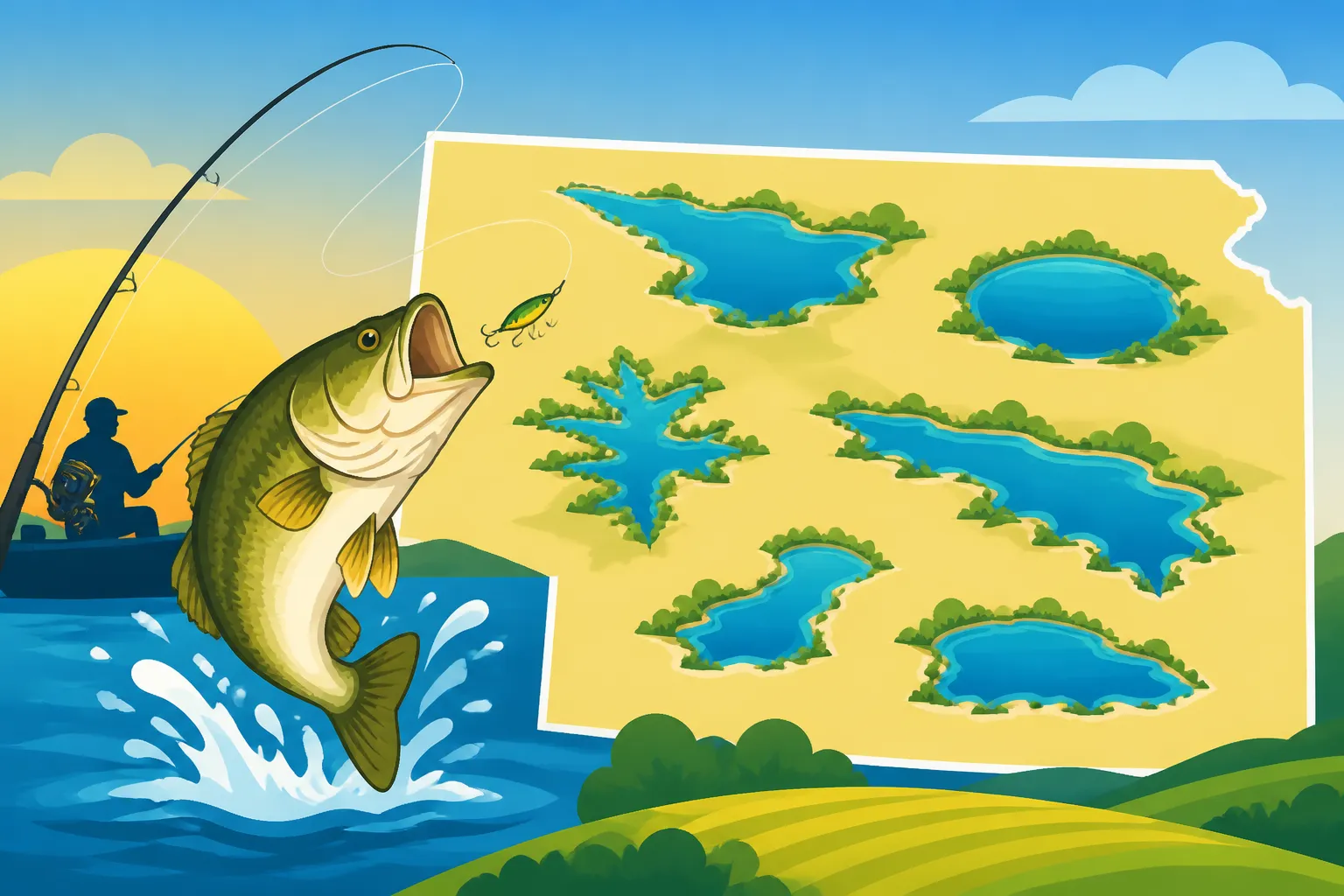
You might be surprised to learn that Kansas is home to a robust system of large reservoirs, specifically 24 major federal reservoirs that are managed by the U.S. Army Corps of Engineers or the Bureau of Reclamation, often in cooperation with the Kansas Department of Wildlife, Parks and Tourism (KDWP). This impressive number makes Kansas a true fishing destination, contradicting the arid image some might have. These aren't just glorified farm ponds; many are sprawling bodies of water covering thousands of acres, carved out of the landscape primarily for flood control, water supply, and yes, recreation.
These massive impoundments represent a significant commitment to water management and public access, a testament to thoughtful planning dating back decades. They transform the Kansas landscape, offering vast aquatic playgrounds where anglers can escape the everyday and pursue a wide variety of fish species. It's a fantastic feeling to pull up to one of these lakes, see the expanse of water, and know that you're in for a serious day of fishing.
More Than Just "Ponds" – Understanding Major Reservoir Designations
When we talk about Kansas fishing, it's important to distinguish between the various types of public waters. While we have numerous community fishing lakes and smaller state fishing lakes, the 24 federal reservoirs stand in a league of their own due to their sheer size and ecological complexity. These federal reservoirs are typically much deeper, with extensive shoreline miles, diverse underwater structures, and open water expanses that support different fish species and fishing techniques.
For instance, a community lake might be a few dozen acres, perfect for a quick evening trip or taking the kids. But a federal reservoir like Milford Lake, the largest in Kansas, spans over 15,000 acres, providing endless coves, points, deep channels, and vast flats. These differences mean that the fishing tactics, the gear you'll need, and the fish you're likely to encounter can vary dramatically, offering a different challenge and reward compared to smaller water bodies.
A Haven for Diverse Fish Species
The sheer size and varied habitats within these 24 federal reservoirs create ideal conditions for a wide array of game fish. The deep, open waters, submerged timber, rocky shorelines, and expansive mudflats provide excellent environments for different species to thrive. KDWP actively manages these fisheries through stocking programs and habitat improvements, ensuring healthy populations. This makes these reservoirs not just large, but also highly productive fishing grounds.
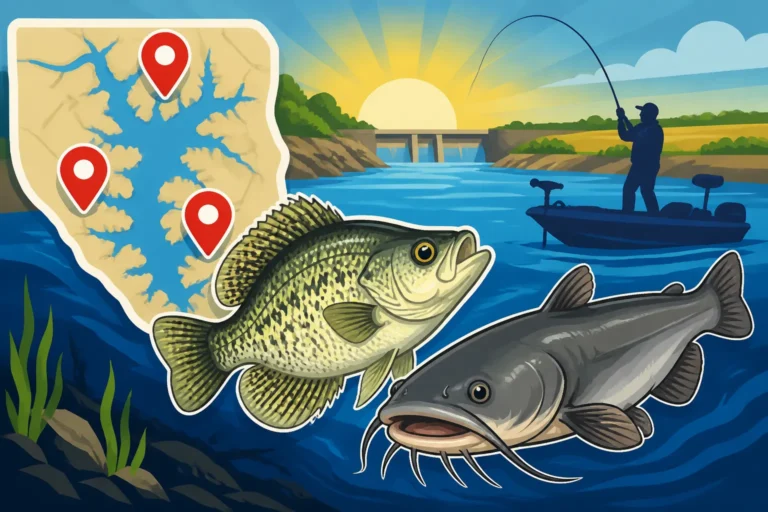
You'll find everything from aggressive sport fish like Walleye and White Bass to formidable predators like Catfish – including Channel, Blue, and Flathead. Crappie, both white and black, are abundant, offering fantastic panfishing opportunities, especially in spring and fall. Additionally, many reservoirs boast strong populations of Largemouth Bass, Smallmouth Bass, and the hard-fighting Hybrid Striped Bass (Wipers). Whether you're a beginner or a seasoned pro, these reservoirs offer an incredible diversity of fish, making every trip a unique adventure. If you're curious about what swims beneath the surface, our in-depth Kansas Fish Species Guide can give you a comprehensive overview.
A Closer Look at Kansas's Premier Fishing Reservoirs
With 24 major federal reservoirs, you might be wondering which ones are the true gems for fishing. While every reservoir has its unique charm and angling opportunities, a handful consistently stand out for their size, fish populations, and overall angling experience. Let's cast a line into some of Kansas's most popular and productive fishing reservoirs, scattered across the state.
Western Kansas Gems
Even in the western, often drier, parts of Kansas, you'll find impressive fishing reservoirs that rival those in more water-rich regions. These western lakes often feature clearer water, which can make for some exciting sight fishing opportunities and presents a different challenge compared to the typically murkier eastern waters. They truly prove that Kansas has fishing everywhere.
- Wilson Lake: Nestled in Russell and Lincoln counties, Wilson Lake is often touted as one of Kansas's most beautiful lakes, sometimes even called the " clearest lake in Kansas." Its striking limestone bluffs and crystal-clear water are perfect for those who enjoy a scenic backdrop to their fishing. Wilson is famous for its thriving population of Striped Bass, offering anglers a chance to hook into some truly powerful fish. It's also a fantastic spot for Walleye, White Bass, and a good mix of Catfish. If you're planning a trip there, our Wilson Lake Fishing Guide provides all the details you’ll need.
- Webster Reservoir: Further west, near Stockton, lies Webster Reservoir. This lake is well-regarded for its consistent Walleye and Crappie fishing. Its expansive flats and submerged timber create ideal habitats for these species, and anglers often find success trolling crankbaits or jigging spoons. Webster also offers solid opportunities for Channel Catfish, particularly during the warmer months when they patrol the shallower bays and creek channels.
Central Kansas Hotspots
The central region of Kansas is home to some of the state's largest and most heavily fished reservoirs, drawing anglers from all corners of the state and beyond. These lakes are true powerhouses, offering diverse fishing experiences and often yielding trophy-sized catches.
- Milford Lake: As the largest lake in Kansas, Milford Lake near Junction City is an absolute angler’s paradise. Covering over 15,000 acres, it's a massive body of water known for its exceptional Walleye fishery, especially around the dam and rocky points. Beyond walleye, Milford excels for Crappie, White Bass, and all three species of Catfish. The spring White Bass run on the Republican River arm of Milford is legendary, attracting hordes of anglers eager to fill their coolers. For comprehensive details on fishing this giant, check out our Milford Lake Fishing Guide and specifically, insights into the Milford Lake White Bass Run.
- Cheney Reservoir: Southwest of Wichita, Cheney Reservoir is another central Kansas titan, recognized as one of the state's premier Walleye and Wiper fisheries. Its vast open waters and numerous submerged structures make it ideal for trolling for these hard-fighting fish. Cheney also offers excellent opportunities for Crappie and Channel Catfish. The sheer size of Cheney means there’s always a new spot to explore, and the challenge of finding those active fish is part of its appeal. Our Cheney Reservoir Fishing Guide can help you navigate its extensive waters.
Eastern Kansas Angling Opportunities
Closer to the population centers of Topeka, Kansas City, and Wichita, the eastern Kansas reservoirs are highly accessible and incredibly popular. While some may experience more fishing pressure, they remain incredibly productive due to consistent management and stocking efforts.
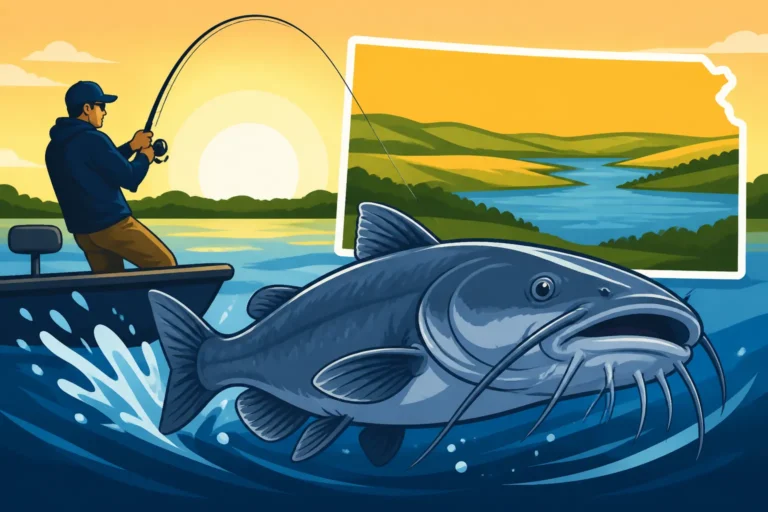
- Tuttle Creek Lake: Just north of Manhattan, Tuttle Creek Lake is a massive reservoir known for its exceptional Catfish populations. While the water can often be turbid, especially after heavy rains, the Channel, Blue, and Flathead Catfish thrive in these conditions. Anglers frequently target them using trotlines, jug lines, or traditional rod and reel methods with cut bait or stink bait. Beyond catfish, Tuttle Creek offers good White Bass fishing, especially during their spring spawning migrations. If you're a fan of whiskers, our Tuttle Creek Lake Catfish Fishing guide is a must-read.
- Clinton Lake: Located just southwest of Lawrence, Clinton Lake is a popular choice for anglers seeking Walleye, Crappie, and Largemouth Bass. Its diverse underwater topography, including standing timber and creek channels, provides excellent habitat. The lake is also home to a healthy population of Channel Catfish. Clinton Lake offers excellent bank fishing access in many areas, making it convenient for those without a boat. Discover more fishing spots and tactics in our Clinton Lake Fishing Spots article.
- El Dorado Lake: Situated near El Dorado, this reservoir is a fantastic destination for Largemouth Bass, Striped Bass, and White Bass. Its clear waters and extensive cover, including submerged brush piles and rock structures, create an ideal environment for bass. Anglers often find success targeting the numerous points and coves. The lake's healthy populations of wiper and striped bass also provide thrilling open-water action. Planning to visit? Our El Dorado Lake Bass Fishing guide has valuable insights.
Planning Your Reservoir Adventure: Tips for Success
Venturing out onto one of Kansas's vast reservoirs is an exciting prospect, but it also requires a bit more preparation than fishing a small local pond. To make the most of your trip and ensure a successful outing, here are some key considerations.
Navigating Regulations and Permits
Before you even think about putting a line in the water, the first and most crucial step is to ensure you have the proper documentation. A valid Kansas fishing license is required for most residents and all non-residents aged 16 and older. It's not just a formality; these licenses fund the vital conservation and management efforts that keep our fisheries healthy and abundant. You can easily purchase one online through the KDWP website or from numerous vendors across the state. For all the essential details on obtaining your permit, be sure to consult our comprehensive Kansas Fishing License Guide.
Beyond the general license, some specialized fishing, such as targeting trout during designated seasons, might require an additional permit. For instance, if you plan to visit a trout-stocked location like those in certain community lakes or streams, you'll need a Kansas Trout Permit Guide in addition to your standard fishing license. Always double-check the current Kansas Fishing Seasons and Limits for the species you intend to target, as these can vary by water body and help maintain sustainable fish populations.
Gear Up for Reservoir Fishing
Fishing on large reservoirs often calls for a different approach and heavier tackle than what you might use in smaller ponds or streams. The fish tend to grow larger, the winds can be stronger, and you’re often covering more water. A good quality rod and reel setup, capable of handling stronger lines and heavier lures, is a wise investment. For many reservoir anglers, a medium-heavy spinning or baitcasting combo is a versatile choice.
Perhaps one of the most critical pieces of equipment for reservoir fishing is a good fish finder. These electronic devices can literally transform your fishing success by helping you locate structure, identify baitfish schools, and even mark individual fish suspended in the water column. Understanding what’s beneath your boat or kayak is half the battle on these vast waters. Take a look at our Kansas Fish Finder Buying Guide to help you choose the right one. Furthermore, if you plan to cover significant distances or hold your position against the wind, a reliable trolling motor is indispensable for boat control. Having the right boat for the job can also make a huge difference, whether it's a nimble bass boat or a sturdy pontoon; our Best Boats for Kansas Reservoirs can help you decide.
Finding the Fish and Maximizing Your Catch
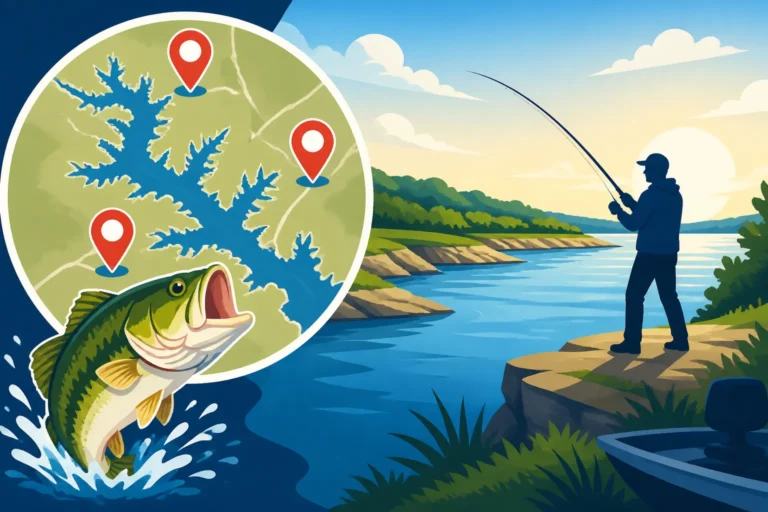
Locating fish in a massive reservoir can feel like searching for a needle in a haystack, but with a bit of knowledge and the right tools, you can dramatically improve your odds. Start by studying maps of the reservoir to identify key structures like creek channels, old riverbeds, submerged timber, rock piles, and points. Fish are often associated with these features, using them for cover, ambush points, or migration routes. Pay attention to water temperature, clarity, and current, as these environmental factors heavily influence fish behavior.
Beyond doing your own research, leveraging local knowledge is invaluable. Check KDWP fishing reports, visit local bait and tackle shops for current conditions and hot spots, or even consider hiring a local fishing guide, especially if you're new to a particular lake or targeting a specific species. Services like FishingBooker can connect you with experienced, licensed guides who know these Kansas reservoirs intimately and can provide invaluable insights into the best techniques, baits, and locations for that day. A seasoned guide can save you hours of searching and significantly increase your chances of a successful and memorable day on the water.
When you're out there, experiment with different baits and lures. What works one day might not work the next, and conditions can change rapidly. Live bait like shad, minnows, or worms are always effective, but artificial lures such as crankbaits, jigs, spinnerbaits, and soft plastics can also be incredibly productive depending on the species and time of year. Don't be afraid to try different depths and presentations until you find what the fish are biting on.
| Reservoir Name | Location (Counties) | Primary Fish Species Targeted | Approximate Surface Area (Acres) | Key Features |
|---|---|---|---|---|
| Milford Lake | Clay, Geary, Riley | Walleye, Crappie, White Bass, Catfish | 15,700 | Largest lake, diverse structure, excellent Walleye |
| Cheney Reservoir | Kingman, Reno, Sedgwick | Walleye, Wiper, Crappie, Catfish | 9,500 | Premier Walleye/Wiper, vast open water |
| Wilson Lake | Russell, Lincoln | Striped Bass, Walleye, White Bass, Catfish | 9,000 | Clear water, limestone bluffs, trophy Stripers |
| Tuttle Creek Lake | Pottawatomie, Riley | Catfish (Channel, Blue, Flathead), White Bass | 12,500 | Catfish haven, riverine characteristics |
| Clinton Lake | Douglas | Walleye, Crappie, Largemouth Bass, Catfish | 7,000 | Good bass, accessible from Lawrence |
| El Dorado Lake | Butler | Largemouth Bass, Striped Bass, White Bass, Catfish | 8,000 | Strong bass fishery, good striper action |
| Webster Reservoir | Rooks | Walleye, Crappie, Catfish | 3,700 | Consistent Walleye/Crappie, western gem |
Disclaimer
The information provided in this guide is for general informational purposes only and is not intended as legal advice. Fishing regulations, license requirements, and other rules can change frequently. Always consult the most current regulations published by the Kansas Department of Wildlife, Parks and Tourism (KDWP) or other relevant authorities before engaging in any fishing activities. Adherence to all local, state, and federal laws is the responsibility of the individual angler.