El Dorado Lake Bass Fishing
For many anglers in Kansas, cracking the code to consistent bass fishing can feel like chasing a phantom. You hear stories of monster largemouth, but finding them consistently, especially on big reservoirs, can be a real head-scratcher. This guide is dedicated to unlocking the secrets of El Dorado Lake, revealing why it's a prime destination for bass enthusiasts and how you can dramatically improve your chances of landing that bucketmouth you've been dreaming about.
The Allure of El Dorado Lake for Bass Anglers
El Dorado Lake, nestled in Butler County, isn't just a pretty face; it's a formidable fishing destination, particularly for those passionate about bass. With its diverse underwater topography, varying water clarity, and abundant forage, it presents a compelling challenge and reward for anglers. Understanding what makes this lake tick is the first step toward a successful bass fishing adventure.
Lake Characteristics and Why Bass Thrive Here
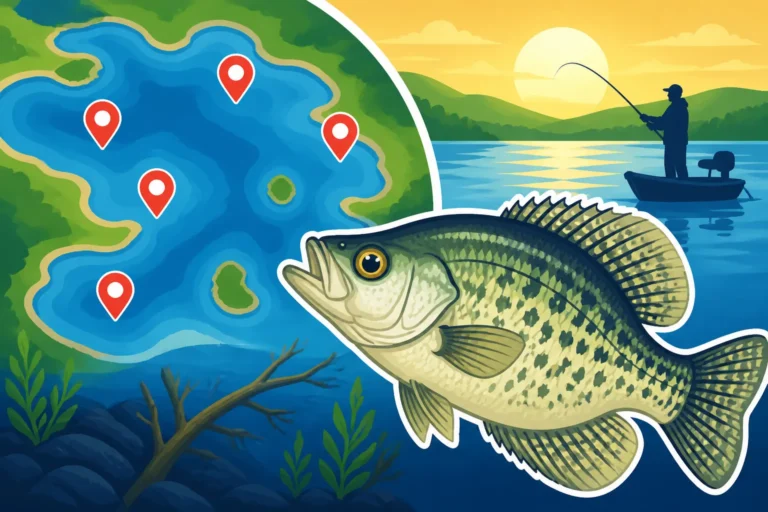
Spanning over 8,000 acres, El Dorado Lake boasts a sprawling layout with numerous coves, creek arms, points, and vast main lake expanses. The lake's character changes as you move from the clearer, rockier upper end near the dam to the more stained, timber-filled stretches of the Walnut River arm. This variety is precisely why largemouth bass flourish here. They have a smorgasbord of habitats to choose from, whether they prefer hiding in submerged timber, ambushing prey off rocky points, or cruising shallow flats. The mix of clear and turbid water allows bass to adapt and find their comfort zone, providing year-round opportunities for anglers willing to explore.
Furthermore, the lake's health is consistently managed by the Kansas Department of Wildlife and Parks, ensuring a robust population. The shoreline offers a mix of natural rock, riprap from bridges and causeways, and areas with standing timber and brush piles. These features are critical structure for bass, offering protection, ambush points, and vital spawning grounds. It's a complex ecosystem that truly caters to the diverse needs of a healthy bass population, making it one of the Best Fishing Lakes in Kansas for many species, including our beloved largemouth.
Forage Base and Its Impact on Bass Behavior
A thriving bass population needs a robust pantry, and El Dorado Lake delivers in spades. The lake is teeming with various baitfish, including gizzard shad, threadfin shad, sunfish, and even juvenile crappie. This abundance means the bass here are generally well-fed and grow to impressive sizes. Understanding the primary forage is key to selecting the right lures and presentation.
When shad are schooling in open water, bass will often suspend and chase these bait balls, making reaction baits like crankbaits or swimbaits effective. Conversely, when bass are hunkered down in cover, waiting to ambush a passing bluegill, jigs, and Texas-rigged worms become more productive. The presence of larger prey items also contributes to the potential for trophy-sized bass. Anglers who pay attention to what the bass are eating at any given time will significantly increase their strike rates. This diverse diet allows bass to sustain themselves through all seasons, contributing to their robust numbers and size throughout El Dorado Lake.
Understanding Largemouth Bass in El Dorado Lake
To truly excel at bass fishing on El Dorado Lake, it's not enough to just know where to cast; you need to understand the fish themselves. Largemouth bass are fascinating creatures with distinct behaviors that change dramatically with water temperature, light conditions, and available cover. Delving into their life cycle and habits here will give you an invaluable edge.
Spawning Patterns and Post-Spawn Recovery
Spring on El Dorado Lake is all about the spawn, a critical period for bass reproduction and often a fantastic time for anglers. Typically, when water temperatures climb into the mid-50s Fahrenheit, bass begin to move from their deeper winter haunts to shallower staging areas. Once the water consistently reaches the 60-68 degree range, usually from late April through May, the main event begins. Bass will seek out protected coves, shallow flats with gravel or sand bottoms, and areas with submerged brush or laydowns to build their nests.
During the pre-spawn, female bass are gorging themselves to build energy, making them aggressive and susceptible to larger baits. Once on the beds, males are highly protective, striking anything that approaches their territory. This is when sight fishing for bass can be very effective in the clearer sections of the lake. Post-spawn, the fish are often lethargic, recuperating from the rigors of spawning. They'll scatter to nearby cover, often holding in slightly deeper water but still close to the shallow spawning flats. This transition period requires a more subtle approach, focusing on finesse baits or slower presentations to entice a bite from weary fish. Understanding these phases is crucial for success during the Kansas Spring Fishing Guide season.
Seasonal Movements and Habitat Preferences
Largemouth bass are creatures of habit, yet their habits are constantly dictated by the seasons and the corresponding changes in water temperature and forage availability.
- Spring: As mentioned, bass move shallow for the spawn. They'll be found in protected coves, on northern banks that warm faster, and around shallow timber or brush.
- Summer: Once water temperatures soar, bass seek refuge from the heat and intense sunlight. They move to deeper structures like offshore humps, ledges, creek channels, and the shady sides of standing timber. Early morning and late evening, or even night fishing, can be highly productive when bass move shallower to feed.
- Fall: As water temperatures cool, baitfish begin to school up in open water and move into creek arms. Bass follow suit, embarking on a feeding frenzy to put on weight for winter. This is a time when bass can be found almost anywhere – shallow, deep, main lake, or in the backs of creeks – making it one of the most exciting times to fish.
- Winter: Bass activity slows considerably. They'll typically hold in deep water, often near vertical structure, rock piles, or deep timber. Their metabolism drops, and they become less aggressive, requiring slower presentations and finesse tactics.
Knowing these general movements allows you to narrow down your search and pick the right spots. If you're planning a trip and need local insights or even want to book a guide to help navigate these seasonal changes, platforms like FishingBooker can be an excellent resource for finding experienced local pros.
Key El Dorado Lake Bass Fishing Spots
El Dorado Lake offers a smorgasbord of potential bass hideouts, each with its unique charm and challenges. While bass can be found throughout the lake, certain areas consistently produce better results due to their structure, depth, and proximity to forage. Knowing these hotspots can dramatically cut down your search time.
Main Lake Points and Creek Channel Swings
Main lake points are absolute magnets for bass, especially during transitional periods like spring and fall, but they can hold fish year-round. These underwater extensions of land provide bass with quick access to both shallow feeding grounds and deeper escape routes. Look for points that have a gradual slope on one side and a sharp drop-off on the other, often indicating an old creek channel running nearby. Bass will position themselves on these drops, waiting to ambush baitfish moving up onto the point.
The creek channel swings, particularly in the lower lake and the Walnut River arm, are also prime real estate. These are areas where the old river or creek bed makes a sharp turn, creating deeper pockets and ledges. Bass will often stack up on the outside bends of these channels, especially if there's standing timber, rock piles, or brush present. Jigging spoons, deep-diving crankbaits, and Carolina rigs are excellent choices for targeting these deeper, channel-related fish. Pay close attention to your electronics here; identifying baitfish or subtle depth changes can make all the difference.
Coves, Flats, and Standing Timber
When the bass are thinking shallow, protected coves and vast flats become the focus. These areas, particularly those in the upper lake and the arms, offer warmer water in spring and ample cover. Look for coves with a mix of submerged vegetation (if present), isolated brush piles, or flooded timber. These provide excellent cover for bass to spawn, feed, and seek refuge. Shallow crankbaits, spinnerbaits, and Texas-rigged plastics are highly effective when working these areas.
El Dorado Lake is also famous for its extensive standing timber, especially in the Walnut River arm. This flooded forest provides a labyrinth of cover that bass absolutely adore. The timber offers shade, protection from predators, and countless ambush points. Fishing here requires patience and a willingness to get snagged occasionally, but the rewards can be substantial. Flipping and pitching jigs or heavy Texas-rigged creature baits into the densest parts of the timber are proven tactics. Bass will often relate to the specific depth of the timber, so adjust your presentation accordingly. This standing timber is one of the key El Dorado Lake Largemouth Bass Spots that anglers flock to.
Seasonal Bass Fishing Strategies on El Dorado Lake
Bass fishing on El Dorado Lake isn't a one-size-fits-all endeavor. The techniques that land you a lunker in spring will likely leave you empty-handed in summer. Adapting your approach to the seasonal patterns of the bass is paramount, transforming a frustrating day into a memorable one.
Spring Fling: Pre-Spawn and Spawn Tactics
Spring is often considered the holy grail for many bass anglers, and for good reason. As the lake wakes up from winter, so do the bass, moving with purpose towards their spawning grounds.
- Pre-Spawn Aggression: In early spring, as water temperatures creep into the low to mid-50s, bass are hungry and on the move. They'll stage on points and secondary channels leading into major spawning coves. This is an excellent time for reaction baits like lipless crankbaits, jerkbaits, and spinnerbaits. Fish these baits aggressively around rocky banks, submerged humps, and the edges of creek channels. A Rapala Rippin' Rap or a Norman Deep Little N can be incredibly effective when bass are chasing bait in cooler water. Focus your efforts on the northern banks, as they tend to warm up faster.
- The Spawn and Post-Spawn: Once the water hits that magic 60-68 degree range, bass will be on their beds in the shallow, protected coves. If the water clarity allows, sight fishing with soft plastics like wacky-rigged Senkos or creature baits can be deadly. Cast beyond the bed and slowly work your bait into the strike zone. After the spawn, bass are often exhausted. They'll move to nearby cover in slightly deeper water. Finesse techniques such as drop-shotting, shaky heads, or small jigs pitched to isolated brush piles and laydowns can coax bites from these recuperating fish. Remember, while the thrill of catching spawning bass is undeniable, practicing catch-and-release during this sensitive period helps ensure the future of the fishery.
Summer Deep Dive: Adapting to Heat
When the Kansas summer sun beats down, El Dorado Lake bass typically move deep, seeking cooler, more oxygenated water. This doesn't mean the fishing stops; it just means you need to adjust your depth and tactics.
- Offshore Structure: The primary focus shifts to main lake humps, deep points, ledges, and creek channels. Look for areas with hard bottom, rock piles, or isolated timber in 15-30 feet of water. Electronics become indispensable here for locating these subtle structures and identifying schools of baitfish or bass. Deep-diving crankbaits like a Strike King 6XD, large Texas-rigged worms (10-12 inches), and football jigs are excellent choices. Slow-dragging these baits across the bottom can trigger bites from sluggish summer bass.
- Early Morning, Evening, and Night Fishing: During the low light hours of dawn and dusk, bass will often move shallower to feed. Topwater baits like Frogs, Whopper Ploppers, or buzzbaits can provide explosive action around shallow cover like lily pads, emergent vegetation, or flooded timber. Night fishing, especially under a full moon, can be incredibly productive for larger bass. They become much more active and less wary in the dark. Large worms, jigs, or slow-rolled spinnerbaits are effective when fished along deeper docks, riprap, or main lake points under the cloak of night.
Fall Frenzy: The Chase is On
Fall on El Dorado Lake can be an incredible time for bass fishing as cooling water temperatures ignite a feeding frenzy. Bass are actively chasing baitfish, fattening up for the lean winter months.
- Following the Bait: As shad and other baitfish school up and move into the lake's creek arms and major coves, bass will follow closely. This creates fantastic opportunities for anglers. Look for schooling activity on the surface, often indicated by diving birds. Spinnerbaits, swimbaits, jerkbaits, and crankbaits that mimic shad are your best friends during this period. Covering water quickly is key to locating active schools.
- Structure and Cover: Don't neglect main lake points and rocky areas, particularly those with a strong wind blowing into them. Wind can concentrate baitfish and bass. Flipping and pitching jigs or creature baits to isolated timber, rock piles, and brush will also produce bites from bass that aren't actively chasing open-water bait. As water temperatures continue to drop, bass will begin to relate more to deeper structure, similar to early summer patterns, but often with more aggression. Keep an eye on the water temperature; this dictates how long the "frenzy" lasts before winter patterns set in. If you're struggling to locate fish, consider booking a trip with a local guide through platforms like FishingBooker, as they'll have up-to-the-minute knowledge of where the fish are holding.
Winter Patience: Slow and Deep
Winter bass fishing on El Dorado Lake demands patience and a slow, methodical approach. Bass are cold-blooded, and their metabolism slows significantly in cold water, making them less aggressive.
- Deep Water Dwellers: Bass will typically move to the deepest, most stable water they can find. This usually means main lake creek channels, deep points, steep bluffs, and extensive standing timber in 25-40 feet of water. Look for humps or irregularities on the bottom using your electronics. Vertical jigging spoons, slow-rolled football jigs, and drop-shot rigs are the go-to techniques. The key is to present your bait slowly and keep it in the strike zone for an extended period. Don't be afraid to let your bait sit motionless for several seconds.
- Sunny Days and Small Windows: On particularly sunny days, bass might move up onto shallower, sun-baked rock banks or bluffs for short periods to warm up. These small windows of activity can offer a chance to catch a few fish on jerkbaits or small crankbaits. However, generally speaking, winter fishing is about grinding it out in deep water. You might not get many bites, but the ones you do get often come from larger, healthier bass. Remember to dress warmly and prioritize safety when fishing in cold conditions.
Essential Gear and Techniques for El Dorado Bass
Having the right tools for the job can make a significant difference in your El Dorado Lake bass fishing success. Beyond just rods and reels, understanding the best lures, baits, and how to effectively use modern electronics will elevate your game.
Rod and Reel Setups
Just like a golfer has a different club for every shot, a serious bass angler often has multiple rod and reel setups tailored to specific techniques.
- Versatile Spinning Combo: A 7-foot medium-heavy fast-action spinning rod paired with a 2500-3000 size spinning reel spooled with 10-15 lb braided line (with a fluorocarbon leader) is a workhorse. This setup is perfect for finesse techniques like drop-shotting, shaky heads, Ned rigs, and even lighter Texas rigs, especially when bass are finicky or in clear water. Brands like Shimano, Daiwa, or St. Croix offer reliable options.
- All-Around Baitcasting Combo: For power fishing, a 7-foot to 7-foot 3-inch medium-heavy fast-action baitcasting rod with a 7.1:1 or 7.5:1 gear ratio reel is indispensable. Spool it with 15-20 lb fluorocarbon or 30-50 lb braided line. This is your go-to for spinnerbaits, crankbaits, jigs, and heavier Texas rigs. For deeper diving crankbaits, a moderate-action rod (often fiberglass or composite) can improve casting distance and keep fish hooked better. Many anglers find the best rod and reel combo for bass involves a balance of sensitivity and power.
- Flipping and Pitching Setup: If you plan to target the dense standing timber or heavy cover, a longer (7-foot 6-inch to 8-foot) heavy or extra-heavy power baitcasting rod with a fast action, paired with a high-speed reel (8.1:1 or faster) and 50-65 lb braided line, is essential. This allows for quick hooksets and enough backbone to pull big bass out of thick cover.
Top Lures and Baits for El Dorado Bass
The tackle box of an El Dorado Lake bass angler should be diverse, covering a range of presentations and mimicking the lake's abundant forage. Here’s a breakdown of some must-have categories, building on general advice about Best Lures for Kansas Bass.
- Soft Plastics: These are arguably the most versatile baits.
- Worms: Zoom Trick Worms, Berkley Power Worms, or Yamamoto Senkos in green pumpkin, black and blue, or junebug colors, rigged Texas-style, wacky style, or on a shaky head, are highly effective.
- Creature Baits: Strike King Rage Bugs or Zoom Brush Hogs are perfect for flipping and pitching into heavy cover, resembling crawfish or other aquatic creatures.
- Swim Baits: Keitech Swing Impact FAT or Gulp! Minnows can be rigged on a jig head or as a trailer for a spinnerbait, mimicking shad.
- Jigs: Essential for targeting bass in cover or on the bottom.
- Football Jigs: In shades of brown or green pumpkin, weighing 1/2 oz to 3/4 oz, with a matching chunk or craw trailer, are excellent for dragging on deep rocky points and ledges.
- Flipping Jigs: Black and blue or green pumpkin, 3/8 oz to 1 oz, with a compact trailer, for probing dense timber and brush.
- Crankbaits: Great for covering water and triggering reaction strikes.
- Shallow Divers: For fishing depths up to 8 feet, consider square bills (like a Strike King KVD 1.5) around riprap and laydowns, or smaller lipless crankbaits (like a Bill Lewis Rat-L-Trap) for covering shallow flats.
- Deep Divers: For targeting bass 10-20+ feet deep, baits like the Rapala DT-16 or a Berkley Dredger 25.5 can be incredibly effective when worked along channel edges and deep points.
- Topwater Baits: Pure excitement when bass are willing to strike on the surface.
- Walking Baits: Heddon Super Spooks or Lucky Craft Sammy for open water points and flats, especially in low light.
- Frogs: LiveTarget Frogs or SPRO Bronzeye Poppin' Frogs for fishing over mats of vegetation or dense lily pads.
- Buzzbaits: For covering water quickly over shallow cover.
- Spinnerbaits: Classic search baits for stained water or breezy conditions. 3/8 oz to 1/2 oz models with Colorado/Willow blade combinations in white, chartreuse, or natural baitfish patterns.
| Lure Type | Best Conditions/Location | Preferred Retrieve | Target Depth (Approx.) |
|---|---|---|---|
| Texas-Rigged Worm | Brush, timber, weeds, rocky bottoms (any depth) | Slow drag, hop, twitch | Bottom |
| Football Jig | Deep rocky points, ledges, humps | Slow drag, crawl | Deep (10-30 ft) |
| Deep-Diving Crank | Channel edges, open water points, main lake structure | Steady retrieve, occasional pause | Mid-Deep (8-25 ft) |
| Square Bill Crank | Riprap, shallow rock, laydowns, stumps | Erratic retrieve, deflections | Shallow (2-8 ft) |
| Spinnerbait | Stained water, windy conditions, scattered cover | Steady roll, stop-and-go | Shallow-Mid (2-15 ft) |
| Topwater Frog | Heavy vegetation mats, lily pads | Walk-the-dog, pop | Surface |
| Drop Shot Rig | Clear water, suspended fish, finicky bass, deep water | Subtle shakes, dead stick | Any (vertical) |
Utilizing Electronics for Bass Location
In a large reservoir like El Dorado Lake, good electronics are no longer a luxury, they're a necessity. Modern fish finders, especially those with Down Imaging, Side Imaging, and Live Sonar capabilities, can drastically reduce your search time and show you what's beneath the surface.
- Sonar (2D): The traditional sonar still provides excellent information on depth, bottom composition (hard vs. soft), and can mark fish arches. Learning to interpret these arches is fundamental.
- Down Imaging/Side Imaging: These technologies offer photographic-like views of the bottom and structure. Down Imaging shows you what's directly under your boat, while Side Imaging scans out to the sides, revealing brush piles, submerged timber, rock veins, and even schools of baitfish that you might have missed with traditional sonar. Use Side Imaging to scan large areas quickly, then pinpoint targets with Down Imaging.
- GPS and Mapping: Detailed lake maps (like those from Lowrance, Humminbird, or Garmin) are critical for navigating El Dorado Lake and marking productive spots. Use your GPS to save waypoints on humps, points, and cover you find. This allows you to return to these spots precisely, regardless of the weather or time of day. Combining your map with sonar data helps you understand how fish relate to contours and structure. Many anglers use apps like Navionics or C-MAP on their phones or tablets in conjunction with their boat electronics.
Learning to effectively use your electronics, whether on your own boat or if you've booked a guide through FishingBooker, will give you a profound advantage in locating and catching El Dorado Lake bass.
Conservation and Responsible Angling on El Dorado Lake
As stewards of our natural resources, responsible angling practices are crucial for maintaining El Dorado Lake's excellent bass fishery for generations to come. Adhering to regulations and practicing ethical fishing methods helps ensure a healthy, thriving ecosystem.
Kansas Fishing Regulations and El Dorado Lake Specifics
Before heading out, it's vital to familiarize yourself with the current Kansas Fishing Regulations Explained. These regulations are designed to protect fish populations and ensure fair chase. For largemouth bass on El Dorado Lake, there are typically statewide length and creel limits. Currently, the daily creel limit for black bass (largemouth, smallmouth, spotted) is 5 fish, with a minimum length limit of 13 inches. However, always check the most current Kansas Fishing Regulations Summary, as these can change.
Beyond the general regulations, be aware of any specific rules for El Dorado Lake itself. This might include special speed limits, no-wake zones, or restrictions around certain areas, especially during specific seasons. Following these rules helps protect the fishery and ensures a safe, enjoyable experience for everyone on the water. Violations, even accidental ones, can lead to penalties, so it's always better to be informed.
Practicing Catch and Release for Future Generations
While it's perfectly fine to keep a few fish for a meal within the legal limits, many bass anglers on El Dorado Lake practice catch and release, especially for larger, older fish. These bigger bass are often the most prolific spawners and contribute significantly to the lake's genetics and trophy potential.
If you choose to release your catch, do so carefully:
- Minimize Handling Time: Keep the fish in the water as much as possible.
- Wet Hands: Always wet your hands before touching the fish to protect its slime coat, which is vital for disease prevention.
- Support the Fish: Support the fish horizontally, especially larger ones. Avoid holding them vertically by the jaw, as this can damage their spine and internal organs.
- Remove Hooks Gently: Use a de-hooking tool or pliers to quickly and gently remove hooks. If a fish is deeply hooked, cut the line as close to the hook as possible.
- Revive If Needed: If the fish seems stressed, hold it gently in the water, facing into any current, until it regains strength and swims away on its own.
By being mindful of these practices, you play an active role in conserving El Dorado Lake's precious bass population, ensuring that the thrill of catching a quality Kansas bass remains for years to come. Remember, a healthy ecosystem benefits everyone, from the fish to the fellow anglers and even those simply enjoying the beauty of the lake.
Disclaimer
Fishing conditions and regulations in Kansas can change. Always consult the latest Kansas Department of Wildlife and Parks (KDWP) regulations before fishing. This guide is for informational purposes only and should not replace official KDWP publications.