Keith Sebelius Lake Fishing Spots
There's nothing quite like the feeling of anticipation as you head out for a day of fishing, only to be met with unfamiliar waters and a nagging doubt about where the fish might actually be hiding. It can be incredibly frustrating to spend hours casting without a single bite, especially when you're looking for that perfect spot. This guide is dedicated to helping you unlock the secrets of Keith Sebelius Lake, providing you with detailed insights into its prime fishing spots, the best times to visit, and the techniques that will put more fish in your net, making your next angling adventure a true success story.
Unveiling Keith Sebelius Lake's Angling Potential
Keith Sebelius Lake, often simply called Norton Lake by locals, is a fantastic fishery nestled in the rolling plains of northwest Kansas. This reservoir is a hidden gem for anglers, offering a diverse range of species and a serene environment that feels a world away from the hustle and bustle. While it might not always grab the headlines like some of the state's larger reservoirs, its consistent fishing opportunities and beautiful surroundings make it a destination well worth exploring. It’s managed by the Kansas Department of Wildlife, Parks and Tourism (KDWPT) and is known for its healthy fish populations, particularly walleye and catfish.
A Jewel in Northwest Kansas
Located near the town of Norton, Keith Sebelius Lake is formed by the Prairie Dog Creek and serves as a vital water source for the region. What makes this lake so special for fishing isn't just its size—it's roughly 2,200 surface acres at conservation pool—but its unique blend of features. You'll find everything from rocky points and submerged timber to deep channels and shallow bays, all creating ideal habitats for various fish species. The surrounding Norton State Park offers additional amenities, making it easy to turn a fishing trip into a full family outing with camping, picnicking, and hiking opportunities. It’s truly a testament to the diverse angling experiences Kansas has to offer, even in its more remote corners.
Many anglers might initially overlook lakes in western Kansas, assuming they lack the productivity of their eastern counterparts. However, Keith Sebelius Lake consistently proves this assumption wrong, often producing excellent catches for those who know where to look. Its relatively consistent water levels, fed by Prairie Dog Creek, contribute to a stable ecosystem that supports robust fish populations year after year. The quieter atmosphere compared to larger, more heavily trafficked lakes also means less pressure on the fish, often leading to more relaxed and productive fishing experiences.
Understanding the Lake's Geography and Structure
To truly excel at fishing Keith Sebelius Lake, it's crucial to understand its underwater geography. The lake's structure is a mosaic of different habitats, each attracting specific types of fish. The main lake body features deeper channels, especially near the dam, which are prime for suspending walleye and cruising catfish. As you move upstream into the arms of the lake, you'll encounter shallower flats, submerged creek beds, and timber, creating perfect ambush points for crappie and aggressive white bass.
One of the most defining features of Keith Sebelius Lake is its numerous rocky points and submerged humps. These structures act as magnets for baitfish, which in turn attract predators like walleye and wipers. Anglers often find success by slowly trolling crankbaits or drifting jigs along these contours. The presence of old creek channels, visible on a good contour map or fish finder, also provides crucial travel routes and holding areas for larger fish, especially during transitions between seasons. Knowing how to interpret these underwater features is key to consistently finding fish, regardless of the time of year. Don't underestimate the power of a good depth finder here; it can truly be your best friend in locating these hidden gems beneath the surface.
Key Species and Where to Find Them at Keith Sebelius
Keith Sebelius Lake is a multi-species angler's dream, offering excellent opportunities for several popular game fish. Knowing which species thrive here and understanding their preferred habitats is the first step to a successful outing.
Walleye Hotspots and Patterns
Walleye are undoubtedly one of the star attractions at Keith Sebelius Lake, drawing anglers from all over the state. These elusive fish are highly sought after for their delicious table fare and challenging fight. When targeting walleye, the dam area is almost always a top choice, especially around the riprap and deeper ledges. Here, the current and deeper water provide ideal conditions for walleye to ambush baitfish. Trolling crankbaits like Berkley Flicker Shads or Rapala Shad Raps along the face of the dam or around nearby rocky points can be incredibly effective, particularly during low-light conditions at dawn or dusk.
Another excellent area for walleye is the main lake basin, especially any defined humps or underwater points that rise from the lake bed. These structures act as congregation points for walleye that are actively feeding. Pay close attention to your fish finder to locate schools of baitfish, as walleye will often be lurking nearby. Vertical jigging with a jig-and-minnow combination or a spoon can produce strikes when fish are holding tight to the bottom structure. During the spring spawn, walleye will often move shallower, congregating on rocky shorelines and submerged reefs in preparation for breeding. Understanding these patterns, as detailed in our guide on Kansas Walleye Fishing Techniques, is crucial for consistent success. Remember, early mornings and late evenings are often the most productive times for walleye, but don't rule out finding them in deeper water during the midday heat of summer.
Chasing Channel Catfish and Flatheads
If you're after whiskered warriors, Keith Sebelius Lake delivers excellent fishing for both channel catfish and flathead catfish. Channel cats are abundant throughout the lake and can be caught using a variety of methods. The shallower, warmer bays and the river arms, particularly where Prairie Dog Creek feeds into the lake, are prime spots for channel catfish. Look for areas with submerged timber, brush piles, or even just soft, muddy bottoms. Using cut bait, stink bait, or even chicken livers cast near the bottom can yield fantastic results. Night fishing for channel catfish can be particularly productive during the warmer months, as they move into shallower water to feed under the cover of darkness. For more tips on what tempts these fish, check out our guide on the Best Bait for Kansas Catfish.
Flathead catfish, the true giants of the lake, prefer live bait and often inhabit deeper, snaggier areas. The main river channel and larger submerged timber are key areas to target flatheads. They are ambush predators, so placing a large live sunfish or perch near heavy cover can be your best bet. While you might not catch as many flatheads as channel cats, the reward of hooking into a truly massive flathead makes the effort worthwhile. For insights into their habits and how to specifically target these big fish, our Kansas Catfish Fishing Techniques article offers valuable advice. Keith Sebelius is definitely a lake where you stand a good chance of catching a trophy-sized flathead, especially if you're patient and fish through the night in known deep-water haunts.
Discovering White Bass and Crappie Havens
Keith Sebelius Lake is also a fantastic destination for white bass and crappie, providing fast-paced action that's perfect for anglers of all skill levels. White bass are schooling fish, and when you find them, the action can be non-stop. The key to finding white bass is often locating their food source – schools of shad. Look for active feeding frenzies on the surface, especially near the dam or in the main lake basin during the warmer months. Casting small spoons, Kastmasters, or white jigs into these boils can result in multiple hookups. During the spring, white bass will make their spawning runs up the Prairie Dog Creek arm, offering incredible bank fishing opportunities for anglers. This is a time when even beginner anglers can have a blast reeling in fish after fish.
Crappie, both white and black, are another popular target, particularly in the spring and fall. They love structure, so seek out submerged timber, brush piles, and fallen trees in the calmer bays and coves. The north and east arms of the lake, with their abundant cover and shallower waters, are often productive crappie grounds. Jigging with small jigs tipped with minnows or soft plastics around these structures is a tried-and-true method. Keep an eye on your fish finder for schools of crappie suspended around brush, and don't be afraid to move around until you find a concentration of fish. Our guide on Kansas Crappie Fishing Techniques can help you refine your approach. For both crappie and white bass, remember that these fish often relate to the same kinds of cover and baitfish, so if you find one, the other might not be far behind.
Optimizing Your Fishing Strategy: Techniques and Seasons
Having the right bait and knowing the prime spots is only half the battle. To truly maximize your success at Keith Sebelius Lake, you need to align your techniques with the changing seasons and understand which presentations trigger bites from different species.
Seasonal Approaches for Different Species
Fishing success at Keith Sebelius Lake is heavily influenced by the seasons. Each time of year presents unique opportunities and challenges that require adjustments to your strategy.
-
Spring: This is prime time for many species. As water temperatures rise, walleye move shallow for their spawn, making them accessible to bank anglers and boaters alike on rocky points and along the dam. White bass make their annual run up the Prairie Dog Creek arm, offering incredible action. Crappie also become very active, moving into shallow, brushy coves to spawn. A good understanding of the Kansas Fishing Seasons Guide will serve you well here. For spring walleye, slow trolling shallow-diving crankbaits or casting jigs with plastic tails can be highly effective. For crappie, small jigs under a bobber or slow-trolled minnows around submerged timber are key.
-
Summer: The heat of summer pushes many fish deeper, but it also opens up fantastic night fishing opportunities. Walleye can be found on deep humps and ledges, often biting better at night on crankbaits or jigging spoons. Catfish, especially channel cats, become incredibly active, feeding aggressively in the evenings and throughout the night. Focus on the river arms and larger bays for catfish, using strong-smelling baits. White bass will often school up in open water, creating exciting surface boils that are great for casting spoons or small topwater lures. The key during summer days is to target shaded areas, deeper water, or go out during dawn and dusk.
-
Fall: As water temperatures cool, fish become more active again, stocking up for winter. Walleye will move shallower once more, feeding aggressively on baitfish, making trolling crankbaits along main lake points and flats very effective. Crappie fishing also heats up, as they school tightly around submerged cover, often in slightly deeper water than in spring. They can be found in 8-15 feet of water, still relating to timber. Catfish remain active, particularly blue and channel cats, as they continue their fall feeding binge. The cooler temperatures make for more comfortable fishing, and the fish are often very cooperative.
-
Winter (Ice Fishing): When the lake freezes over, Keith Sebelius transforms into an excellent ice fishing destination. Walleye, crappie, and yellow perch are popular targets. Walleye can be found on structure, often near drop-offs into deeper water, responding well to jigging spoons or blade baits. Crappie will suspend in schools over deeper basins, and small jigs tipped with wax worms or minnow heads are deadly. While ice fishing, always prioritize safety by checking ice thickness, and be aware of specific local rules. Always remember to consult the KDWPT for specific regulations, as ice conditions can vary widely and safety should be your top priority.
Effective Baits and Lures for Keith Sebelius
Having the right selection of baits and lures can make all the difference in connecting with fish at Keith Sebelius Lake. Different species, and even different conditions, will dictate what's most effective.
-
Walleye: For walleye, crankbaits are a perennial favorite, especially those that mimic shad or perch. Brands like Berkley, Rapala, and Strike King produce reliable options. Colors that include chrome, blue, silver, or firetiger are often productive. Jigs, especially 1/4 to 3/8 ounce, tipped with a live minnow, plastic grub, or a scented soft plastic, are excellent for vertical jigging or casting on points. For those targeting walleye, our guide on Best Lures for Kansas Walleye provides an even deeper dive into popular choices.
-
Catfish: For channel catfish, the smellier, the better! Prepared stink baits, chicken livers, cut shad, and nightcrawlers are all fantastic choices. For flathead catfish, live bait is king. Small sunfish, bluegill, or perch between 4-7 inches are ideal. Rig these on sturdy circle hooks to ensure a solid hookset and minimize harm to the fish. When fishing for these powerful species, having the right setup is crucial, from your rod and reel combo to your line.
-
White Bass: Small, flashy lures are the ticket for white bass. Chrome or white spoons, inline spinners, and small crankbabaits in silver or white are highly effective. When they are schooling on the surface, a Kastmaster spoon or a small white Rooster Tail spinner can be irresistible. Many anglers also find success with small white or chartreuse jigs.
-
Crappie: For crappie, small jigs, typically 1/16 to 1/8 ounce, are the go-to. Tipping these jigs with a small minnow, or using soft plastic crappie tubes or curly-tail grubs in colors like chartreuse, white, or black-and-chartreuse, works wonders. When crappie are finicky, a simple bobber and minnow rig can often outperform artificial lures.
It's always a good idea to bring a variety of options. Fish can be unpredictable, and what worked yesterday might not work today. Being prepared to switch baits or lure types based on fish activity and conditions will significantly increase your chances of success.
Mastering Bank and Boat Fishing Tactics
Whether you prefer the freedom of a boat or the simplicity of fishing from shore, Keith Sebelius Lake offers fantastic opportunities for both.
-
Boat Fishing: For boat anglers, Keith Sebelius Lake provides access to the full spectrum of fishing opportunities. Trolling is a highly effective method for covering water and locating active walleye, especially along the dam, main lake points, and humps. Using your fish finder to locate schools of baitfish and prominent structure is paramount. Drift fishing with jigs or live bait over deep flats can also be productive for walleye and catfish. When targeting crappie or white bass, using your trolling motor to slowly navigate through submerged timber or alongside drop-offs allows for precise bait placement. A good understanding of local boating rules and safety, as well as knowing the Best Boat Ramps on Kansas Reservoirs, will ensure a smooth day on the water.
-
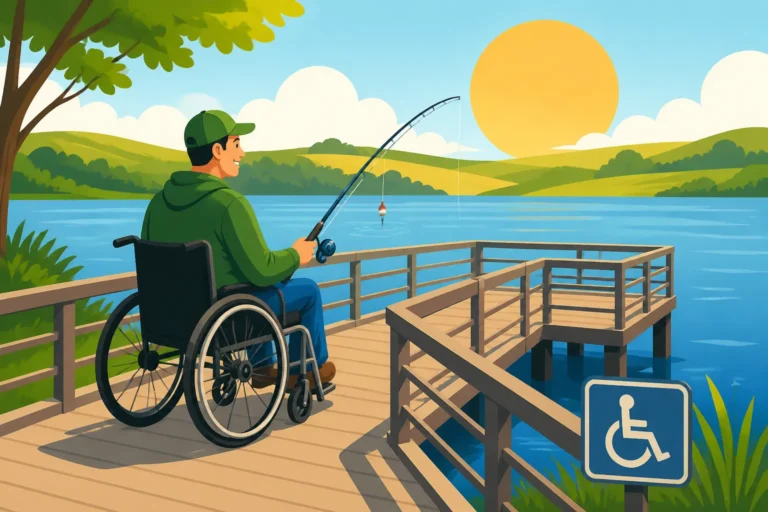
Bank Fishing: Don't have a boat? No problem! Keith Sebelius Lake still offers plenty for bank anglers. The riprap along the dam provides excellent access for casting for walleye, white bass, and catfish. During the spring white bass run, the upper reaches of the Prairie Dog Creek arm, particularly near bridge crossings or accessible shorelines, become incredibly productive. Various designated fishing piers and accessible shoreline areas are available within Norton State Park. For catfish, target the shallower coves and river embayments, especially in the evenings. Using a slip sinker rig with cut bait or stink bait cast out into deeper pockets from shore can yield impressive results. Always remember to check Kansas Fishing Regulations Explained to ensure you're fishing legally and responsibly.
Navigating Keith Sebelius: Access and Amenities
Getting to and around Keith Sebelius Lake is straightforward, with good access points and facilities designed to enhance your fishing trip, whether you're staying for a day or a whole weekend.
Boat Ramps and Shoreline Access Points
Access to Keith Sebelius Lake is generally excellent, making it easy for boaters and bank anglers alike to get to their preferred spots. The lake is well-equipped with several public boat ramps, mostly managed by Norton State Park and the KDWPT.
-
Norton State Park Ramps: Within Norton State Park, you'll find multiple concrete boat ramps that provide easy access to the main body of the lake. These ramps are typically well-maintained and suitable for various boat sizes, from small jon boats to larger walleye boats. The ramp closest to the dam often provides direct access to deeper water and the popular walleye grounds. These ramps usually have ample parking, including designated spaces for trailers, which is a huge plus when you're trying to get on the water quickly, especially during peak fishing times. It's a good idea to scout these out beforehand, perhaps through a platform like FishingBooker, which can sometimes provide details on local access points.
-
Upper Lake Access: For those looking to fish the river arms and shallower upstream sections, there may be additional access points or less developed ramps, particularly on the Prairie Dog Creek arm. These can be ideal for smaller boats, kayaks, or canoes, allowing you to explore the timber-filled coves and river channels that are harder to reach from the main lake ramps. Bank anglers will find numerous spots along the state park shoreline, especially around picnic areas and designated fishing spots. The riprap areas near the dam are also very popular and easily accessible by foot. Always double-check current lake maps or contact Norton State Park for the most up-to-date information on ramp conditions and any temporary closures.
Facilities for Anglers and Families
Keith Sebelius Lake isn't just a place to fish; it's a destination designed to make your entire trip enjoyable. The amenities available ensure that you and your family can have a comfortable and memorable experience.
-
Camping and Lodging: Norton State Park offers a range of camping options, from primitive sites to those with electrical and water hookups, perfect for RVs. Many sites are lakeside, allowing you to stay close to the action. There are also cabins available for rent, providing a more comfortable lodging option if you prefer not to rough it. Nearby the town of Norton offers additional motels and restaurants, giving you more choices for food and accommodation. Having these options makes it much easier to plan a multi-day fishing adventure without needing to pack up everything each night.
-
Picnic Areas and Restrooms: Throughout Norton State Park and around the lake, you'll find well-maintained picnic areas, many with tables and grills, making it easy to enjoy a meal outdoors. Clean restroom facilities are also available, which is always a relief during a long day on the water. These amenities are particularly important for families or those planning an extended stay, ensuring basic comforts are always within reach.
-
Fish Cleaning Stations: A major convenience for anglers, some state park areas often provide fish cleaning stations. These stations typically include running water and cleaning tables, making the chore of processing your catch much easier before heading home. This is a small detail that can make a big difference, especially after a successful day of catching crappie or walleye, saving you from a messy cleanup at home. When planning a trip, looking up fishing guides on platforms like FishingBooker can sometimes help identify services like fish cleaning stations offered by local operations.
Essential Regulations and Responsible Angling at Keith Sebelius
To ensure the sustainability of Keith Sebelius Lake's fishery and to protect its natural beauty, it's vital for all anglers to understand and adhere to the specific regulations set forth by the KDWPT. These rules are in place for a reason – to maintain healthy fish populations for everyone to enjoy, now and in the future.
Understanding Lake-Specific Rules
While a general Kansas Fishing License Guide provides an overview, specific regulations often apply to individual bodies of water like Keith Sebelius Lake. These lake-specific rules usually pertain to length limits, creel limits (the number of fish you can keep), and sometimes even tackle restrictions. It’s absolutely critical to consult the most current KDWPT Fishing Regulations Summary for Kansas, as these rules can change annually. You can usually find this information online or at any KDWPT office or license vendor.
For example, walleye at Keith Sebelius Lake may have specific length limits, such as a slot limit designed to protect a certain size class of fish, or a minimum length limit like the Kansas Walleye Length Limits found in other reservoirs. Similarly, crappie might have particular daily creel limits or minimum length restrictions to ensure the population remains robust, as highlighted in the Kansas Crappie Length and Bag Limits article. Not knowing these details could lead to penalties, but more importantly, it could negatively impact the fishery itself. Always double-check before you cast your line. These specific regulations are put in place by biologists who study the lake's ecosystem and tailor rules to keep the fishery balanced and thriving.
Practicing Conservation for Future Generations
Responsible angling goes beyond simply following the rules; it's about adopting practices that contribute to the long-term health of the lake and its fish populations. Catch and release, especially for larger breeding fish, is a practice many anglers embrace to help sustain trophy fisheries. If you plan to release fish, handle them gently, minimize their time out of water, and use proper de-hooking tools. Avoid stressing fish unnecessarily.
Also, be mindful of your impact on the environment. Pack out everything you pack in, and avoid leaving any trash, fishing line, or bait containers behind. Monofilament fishing line, in particular, can be incredibly harmful to wildlife if left in the water or on shore. Adhering to bait restrictions, such as not introducing non-native species as bait, is also crucial to prevent the spread of invasive species that could devastate the lake's ecosystem. Every angler has a role to play in protecting these precious natural resources. By being a thoughtful steward of Keith Sebelius Lake, you ensure that future generations can enjoy the same fantastic fishing experiences you do, perhaps even with the help of a local expert found through a platform like FishingBooker, who can teach these practices first-hand.
Markdown Table: Keith Sebelius Lake Target Species Overview
Here's a quick reference guide for some of the main species you'll encounter at Keith Sebelius Lake:
| Species | Best Season | Primary Location | Recommended Bait/Lure | Notes |
|---|---|---|---|---|
| Walleye | Spring/Fall | Dam, Rocky Points, Deep Humps | Crankbaits, Jigs (minnow/plastic) | Early morning/late evening, deeper in summer. |
| Channel Catfish | Summer/Fall | River Inlets, Shallow Bays, Submerged Timber | Cut bait, Stink bait, Nightcrawlers | Excellent night fishing. |
| Flathead Catfish | Summer | Main River Channel, Heavy Submerged Timber | Live sunfish/perch | Target deeper, snaggier areas. |
| White Bass | Spring (Run), Summer | Prairie Dog Creek Arm, Open Water Schools, Dam | Small Spoons, White Jigs, Inline Spinners | Look for surface activity, especially during the spawn. |
| Crappie | Spring/Fall | Submerged Brush, Fallen Trees, Timbered Coves | Small Jigs (minnow/plastic) | Structure is key, can be found suspending in deeper water in winter. |
Disclaimer
Please note that fishing conditions, regulations, and fish populations can change. Always consult the official Kansas Department of Wildlife, Parks and Tourism (KDWPT) website or publications for the most current regulations and information before planning your fishing trip to Keith Sebelius Lake. This guide is for informational purposes only and should not replace official state resources.