Do You Need a Boat to Fish Milford Lake?
The idea that you absolutely need a boat to fish Milford Lake is a common hurdle for many anglers, often leading to frustration or feeling left out of a great fishing experience. This guide is here to bust that myth wide open, showing you exactly how you can enjoy one of Kansas's premier fishing destinations, whether you prefer to keep your feet on solid ground, paddle quietly, or even charter a boat for a day without owning one yourself.
The Myth of Needing a Boat for Milford Lake
It’s easy to look at a massive body of water like Milford Lake and automatically assume that without a fancy bass boat or a decked-out pontoon, you’re simply out of luck. This mental block stops a lot of people from even trying, which is a real shame because Milford has so much to offer, regardless of your equipment. Let’s talk about why this idea persists and then dismantle it piece by piece.
Why Anglers Often Assume a Boat is Essential
Milford Lake isn't just a lake; it's practically an inland sea for Kansas. Standing as the largest lake in Kansas by surface area, its sheer scale can be intimidating. When you picture fishing on such a vast expanse, your mind probably conjures images of powerful outboard motors, sophisticated fish finders, and anglers zipping across miles of water to hit secret spots. It’s the kind of fishing you see on TV, and it can make anyone without a similar setup feel like they're at a disadvantage. There's a certain allure to the idea of "going where the fish are" that seems to inherently require a vessel.
The truth is, while a boat certainly offers unparalleled access to many parts of the lake, it's not the only ticket to success. Milford's reputation for species like walleye, wipers, and striped bass, which are often found in deeper, open water or specific submerged structures, further contributes to the belief that a boat is non-negotiable. People imagine these fish are only in the middle of the lake, far from any shoreline, making boat ownership seem like a prerequisite for a productive trip.
The Reality: Plenty of Productive Shoreline Access
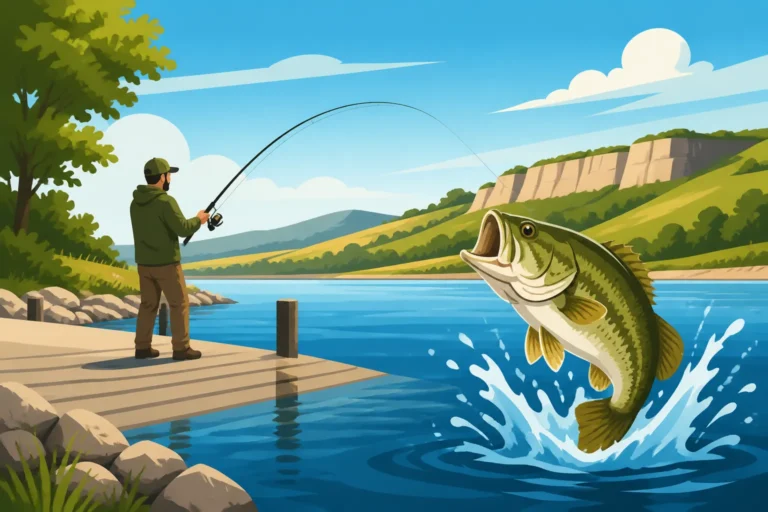
Despite its immense size, Milford Lake boasts an impressive amount of public shoreline that is surprisingly accessible and productive for anglers. Managed by the U.S. Army Corps of Engineers and featuring Milford State Park, there are numerous coves, points, and recreational areas designed with public access in mind. These areas aren't just for picnicking; many are fantastic fishing spots. The lake's irregular shoreline, punctuated by various rocky outcrops, submerged timber, and brush piles, creates diverse habitats that hold fish close to the bank.
Think about it: fish don't always hang out in the deepest parts of the lake. During certain seasons, and especially at dawn and dusk, many species migrate to shallower waters to feed. Crappie will move into brushy coves in spring, catfish patrol muddy banks, and white bass chase baitfish close to points. You don't need a boat to intercept these patterns. In fact, sometimes the quiet approach of a bank angler or a kayaker can be more effective in these shallower, more sensitive zones. The key is knowing where to go and when.
Excellent Bank Fishing Opportunities at Milford Lake
For those who love the simplicity of fishing with their feet firmly planted on the ground, Milford Lake truly shines. You might be surprised at the quality and quantity of fish you can catch without ever leaving the bank. It's not just about convenience; it's a completely different, often more peaceful, fishing experience.
Prime Locations for Shoreline Anglers
Milford Lake is peppered with fantastic bank fishing spots. One of the most popular and easiest to access is Milford State Park, particularly around the areas near the dam and the various camping loops. These spots offer paved access, picnic areas, and often brush piles or rocky ledges within casting distance. The Custer and School Creek areas also provide excellent bank fishing opportunities, especially for catfish and crappie, with plenty of natural cover. Another great option is the stretch of shoreline below the dam on the Republican River. This area can be fantastic during certain times of the year, particularly during the white bass run. You can find detailed information on these and other spots by checking out our guide on Best Bank Fishing Spots on Milford Lake.
Beyond the state park, the Corps of Engineers manages numerous public access points and recreation areas around the lake that provide ample shoreline to explore. Look for areas with a mix of rock and brush, as these often hold various species. Points that extend out into the main lake or into larger coves are also prime real estate for bank anglers, as they offer access to deeper water and act as natural travel lanes for fish. For instance, the fishing piers and designated shore access points within Milford State Park Fishing Access are meticulously maintained and offer some of the best land-based fishing on the lake.
Essential Gear and Techniques for Bank Fishing
You don't need a truckload of specialized gear to have a successful bank fishing trip at Milford Lake. A couple of medium-action spinning rods, around 7 to 9 feet in length, will cover most situations. A longer rod, like those discussed in Best Rod Length for Bank Fishing, helps with casting distance and keeping your line off submerged snags. Pair these with reels spooled with 8-15 lb test monofilament or braided line, and you're good to go.
For bait, simplicity often wins. Live nightcrawlers, cut bait (like shad or chicken liver), and prepared stink baits are perennial favorites for the plentiful channel and blue catfish that cruise the Milford shores. If you're targeting crappie, a small jig under a bobber with a live minnow or a soft plastic grub can be deadly. White bass are suckers for small inline spinners or spoons cast and retrieved from points. For a robust setup that handles the bigger fish, our article on Best Bank Fishing Setup for Catfish offers excellent advice. Don't forget essentials like a good pair of pliers, a stringer or cooler, and insect repellent, especially during warmer months.
Seasonal Considerations for Shore Anglers
Understanding the seasons is crucial for maximizing your success from the bank at Milford. Spring, typically April and May, is a phenomenal time. As water temperatures rise, crappie move into shallow coves to spawn, making them highly accessible to bank anglers using small jigs or minnows. You can really hit the jackpot during the Milford Lake Crappie Spawn Timing in May. It's also when the famous Milford Lake White Bass Run on the Republican River kicks off, with thousands of white bass migrating upstream to spawn, offering incredible action for shore anglers.
Summer brings warmer water, pushing some fish to deeper haunts, but it also opens up fantastic night fishing opportunities for catfish along the banks. Anglers often set up multiple rods with cut bait or stink bait, enjoying the cooler evening air. Fall sees fish moving back to shallower depths as they feed heavily before winter, presenting another great window for crappie and walleye from the shore. Even in winter, if ice conditions allow, certain areas can provide good hard-water fishing, though bank fishing is less common then.
Kayak and Other Non-Motorized Watercraft Options
If you’re looking to expand your reach beyond the immediate shoreline but aren't ready to invest in a full-sized boat, non-motorized watercraft like kayaks, canoes, and stand-up paddleboards are fantastic alternatives at Milford Lake. They offer a unique blend of quiet stealth and enhanced accessibility, allowing you to explore many hidden gems.
The Benefits of Kayak Fishing on Milford
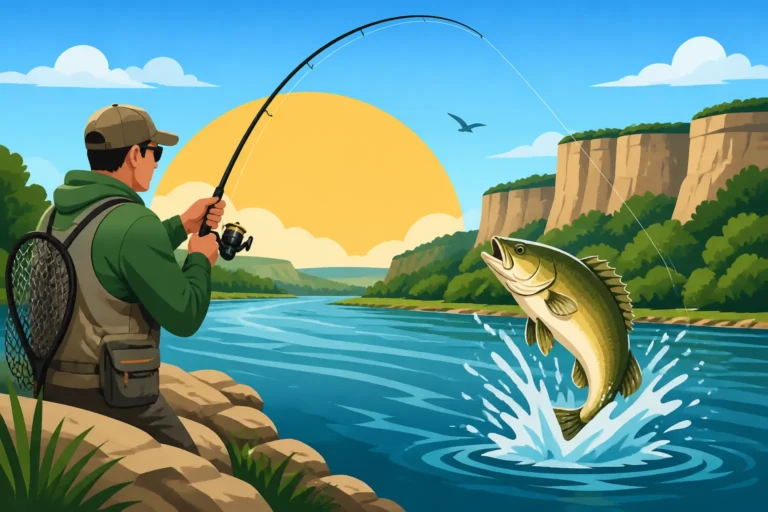
Kayak fishing has exploded in popularity, and for good reason. On a large reservoir like Milford, a kayak allows you to silently slip into coves, creeks, and shallow backwaters that larger boats simply can’t access. This stealth can be a huge advantage, as you can approach wary fish without spooking them. Imagine paddling silently along a brushy shoreline, casting into pockets where big bass or crappie are hiding – it’s a game-changer. Plus, kayaks are incredibly cost-effective compared to motorboats, both in terms of initial purchase and ongoing maintenance, fuel, and storage.
Beyond accessibility and stealth, kayak fishing offers an intimate connection with the water and the environment. It's a great workout and allows you to enjoy the natural beauty of Milford Lake in a truly immersive way. You can cover more water than bank fishing, giving you the ability to target multiple spots or follow fish movements more effectively. For a deeper dive into equipping yourself, check out our Kansas Kayak Fishing Gear Guide.
Key Gear and Safety for Kayak Anglers
When it comes to kayak fishing on a big lake like Milford, safety and appropriate gear are paramount. Choose a stable, fishing-specific kayak, often wider and with more storage than recreational models. Sit-on-top kayaks are generally preferred for fishing due to their stability and ease of entry/exit. Essential safety gear includes a properly fitted personal flotation device (PFD) – yes, even experienced swimmers need one – a whistle, and bright lights if you plan to be on the water around dawn, dusk, or at night. Our guide on Best PFD for Kayak Fishing in Kansas can help you choose the right one.
Beyond safety, consider basic fishing accessories: flush-mount or rail-mounted rod holders, a small anchor with a trolley system to hold your position, and a dry bag for electronics and valuables. A small cooler for drinks and your catch, and maybe a modest fish finder, can also enhance your trip. And remember, while kayaks typically don't require registration if they're purely paddle-powered, there are specific rules. Always be sure to clarify, "Do Kayaks Need to Be Registered in Kansas?" with the Kansas Department of Wildlife and Parks.
Planning Your Kayak Fishing Trip
Successful kayak fishing on Milford Lake requires careful planning. Always check the weather forecast before heading out, paying particular attention to wind speed and direction. Milford is a large lake and can get rough quickly, making paddling difficult and potentially dangerous. High winds can turn a pleasant trip into a survival exercise. Plan your launch points strategically – look for boat ramps or designated kayak launches that offer easy access and minimize your paddle distance to your desired fishing spots.
Consider your target species and the time of year. For instance, in spring, target shallower coves for crappie, while in summer, you might focus on deeper points or submerged structure accessible by kayak. Having a general idea of where you want to fish can help you choose the best launch site. If you're new to kayak fishing on a large reservoir, or want to learn the ropes from a pro, consider hiring a guide. A professional guide, perhaps found through platforms like FishingBooker, can also provide valuable insights into navigating the lake by kayak and finding the best spots. They can help you understand currents, potential hazards, and where the fish are hiding, making your first few trips much more successful and enjoyable.
When a Boat Does Offer Advantages (and how to find one)
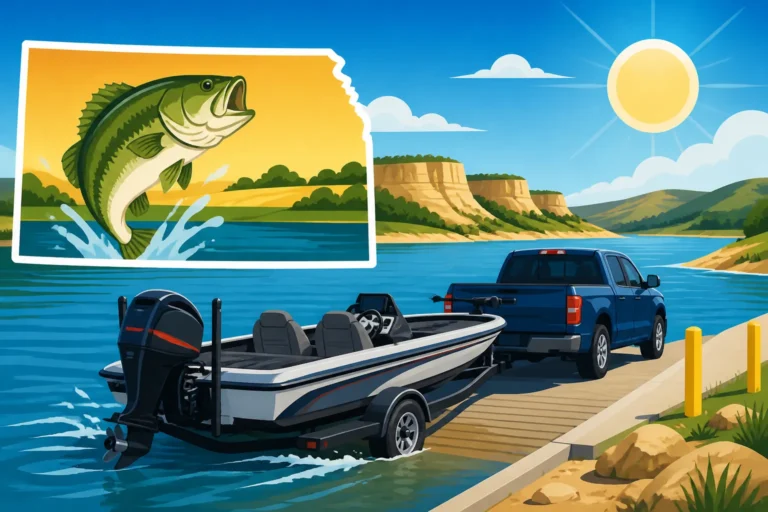
While bank and kayak fishing at Milford Lake are incredibly rewarding, it’s true that a motorized boat offers distinct advantages for certain types of fishing and for covering the lake's vast expanse efficiently. It’s not about necessity for all fishing, but rather about optimizing for specific goals.
Exploring Deeper Waters and Structure
If your primary target is trophy walleye, deep-water crappie, or the hard-fighting wipers that roam the open expanses of Milford, a boat can be a significant asset. These species often relate to deeper offshore structures like humps, submerged roadbeds, creek channels, and rock piles that are simply out of casting range from the bank or too far to reach comfortably in a kayak. Fishing with a boat allows you to effectively use electronics – like a fish finder – to locate these structures and the fish holding on or around them.
Trolling crankbaits for walleye or dropping jigs to suspended crappie in the middle of a channel become viable and productive strategies when you have a boat. Knowing How Deep Is Milford Lake? in various sections is key here, and a boat allows you to navigate and fish those depths directly. For instance, the areas near the dam, known for holding larger fish, are most effectively fished from a boat, as discussed in our Milford Lake Walleye Fishing Near the Dam guide. These scenarios are where the investment in a boat truly pays off by expanding your fishing horizons.
Accessing Remote Arms and Bays
Milford Lake is massive, with numerous long arms and expansive bays. While some of these are accessible from shore, many of the most productive and less-pressured areas are only reachable by boat. Imagine wanting to fish a specific river arm during the spring white bass run, or explore a secluded, timber-filled cove for largemouth bass that's miles from the nearest road. A boat makes these journeys quick and easy, allowing you to spend more time fishing and less time traveling.
This also applies to following fish migrations. Species like white bass and wipers are known to move across large sections of the lake, often following baitfish. A boat gives you the mobility to pursue these active schools, dramatically increasing your chances of finding hot action, especially in areas like the upper Republican River arm during peak season.
How to Experience Milford Lake from a Boat Without Owning One
Just because a boat offers advantages doesn't mean you have to buy one. There are fantastic ways to experience Milford Lake from a boat without the commitment of ownership. One of the most popular options is hiring a professional fishing guide. Milford Lake has many experienced guides who know the lake inside and out, from the best spots to the most effective techniques for various species. They provide the boat, all the necessary gear, and invaluable expertise, making it a perfect option for both beginners and experienced anglers looking to learn the lake.
You can easily find a fantastic guide for Milford Lake on platforms like FishingBooker. They list numerous local guides, complete with reviews, pricing, and availability, making it simple to book an unforgettable trip. These guides, often found through services like FishingBooker, specialize in putting clients on fish and navigating the nuances of the lake, ensuring you have a productive and enjoyable day. While boat rentals specifically for fishing might be limited for serious rigs, some marinas around the lake may offer pontoon boats or smaller craft suitable for a leisurely day of fishing or exploring. Exploring options on FishingBooker is highly recommended for anyone keen on a guided experience. For more insights into these services, check out Milford Lake Fishing Guide Services.
Comparing Milford Lake Fishing Options
To help you decide the best way for you to tackle Milford Lake, here’s a quick comparison of the three main approaches:
| Feature | Bank Fishing | Kayak/Non-Motorized | Motorized Boat Fishing |
|---|---|---|---|
| Cost | Lowest (Gear, bait, maybe park entry) | Moderate (Kayak, PFD, paddle, minimal gear) | Highest (Boat, motor, trailer, fuel, maintenance, gear) |
| Accessibility | Limited to public shorelines and piers | Good (Can access more remote shores, shallow coves) | Excellent (Accesses entire lake, deep water, offshore) |
| Stealth | High (No motor noise) | Very High (Silent approach, minimal disturbance) | Low (Motor noise, but can drift/troll quietly) |
| Range/Speed | Very Limited (Walking distance) | Moderate (Paddles longer distances than walking) | Very High (Covers vast distances quickly) |
| Target Species | Catfish, Crappie, White Bass (seasonal) | Crappie, Bass, Catfish, some White Bass | Walleye, Wipers, Striped Bass, Deep Crappie, Catfish |
| Complexity | Low (Simple setups, easy to learn) | Moderate (Paddling skills, safety, basic navigation) | High (Boating rules, navigation, electronics, maintenance) |
| Best For | Relaxed outings, families, beginners, budget | Exploring, quiet solitude, specific shallow water targets | Efficiency, covering water, offshore species, tournaments |
Disclaimer
Please remember that fishing regulations, license requirements, and lake rules can change. Always check the latest Kansas Department of Wildlife and Parks (KDWP) regulations before heading out on any fishing trip to ensure you are compliant with all current laws.