Cheney State Park Fishing Access
It can sometimes feel overwhelming trying to pinpoint that perfect fishing spot in Kansas—a place that offers not only abundant fish but also easy access, diverse opportunities, and amenities that make the whole experience enjoyable for everyone, from seasoned anglers to families with young kids. This guide is dedicated to shedding light on Cheney State Park, a true gem in the heart of Kansas, providing you with all the ins and outs of how to make the most of its incredible fishing access and what you need to know before you cast your line.
Navigating Cheney State Park for Anglers
Cheney State Park, surrounding the massive Cheney Reservoir, isn't just a place to launch a boat; it's a meticulously managed recreation area designed with anglers in mind. With its sprawling shores and numerous access points, finding your ideal fishing spot here is more about choosing your adventure than struggling to find an opening. It’s a place where the convenience of well-maintained facilities meets the wild appeal of a productive fishery.
Getting to the Water's Edge: Access Points and Facilities
Cheney State Park truly shines when it comes to getting you close to the action. On the east side of the reservoir, you'll find popular areas like the West Shore campground and marina, offering multiple paved boat ramps perfect for launching everything from a small jon boat to a large bass rig. These ramps are typically wide and have ample parking, making pre-dawn launches or late-night retrievals less of a hassle. You'll also find amenities like restrooms and fish cleaning stations nearby, which are always a welcome sight after a successful day on the water.
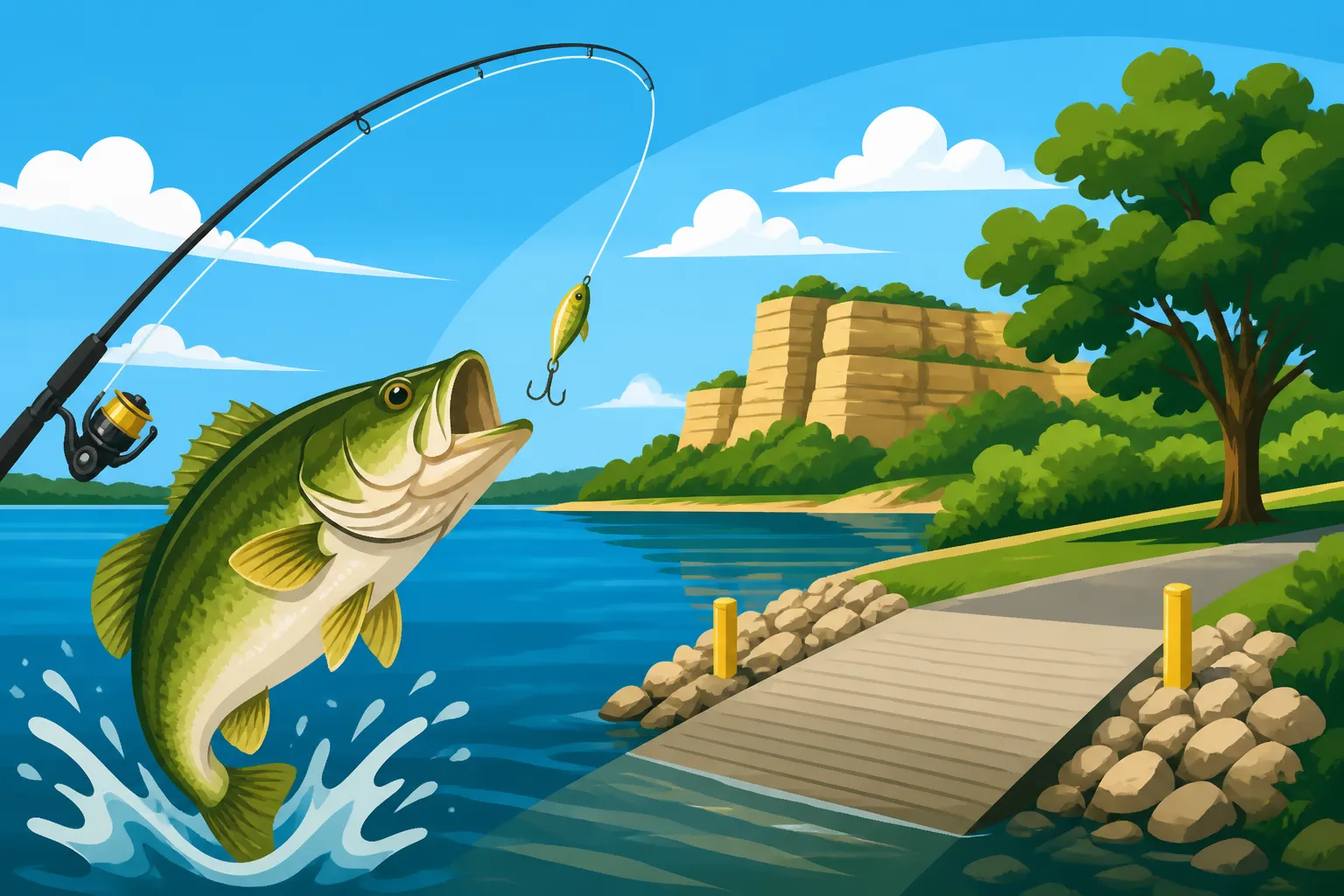
Moving to the west side, areas like the Kingman County Fishing Pier provide excellent access, especially for those who prefer to fish from shore or have mobility challenges. The pier is specifically designed to be accessible, ensuring that a wide range of anglers can enjoy the sport. Throughout the park, numerous gravel roads lead to less-developed shoreline access points, ideal for adventurous anglers looking for solitude or specific structures not reachable from the main ramps. Just be mindful of weather conditions, as some of these roads can become difficult to navigate after heavy rains.
Shoreline Fishing Opportunities and Accessibility
For many, the simple pleasure of fishing from the bank is unbeatable, and Cheney State Park offers plenty of that. Beyond the Kingman County Fishing Pier, which is a fantastic spot for all, the park boasts miles of accessible shoreline. The reservoir's diverse topography, with its rocky points, sandy beaches, and protected coves, provides various bank fishing environments. You can target crappie hiding in submerged brush along the perimeter of coves or cast for walleye from rocky outcroppings near deeper water access.
Areas around the causeways are often productive, drawing in various species, especially during migrations or spawning periods. For those who require specific accommodations, the accessible fishing pier is a blessing, equipped with railings and a stable surface. Always be aware of your surroundings, especially during peak seasons when popular spots can get a bit crowded. Early mornings or weekdays often offer more tranquility for bank anglers seeking a peaceful experience.
Boating and Kayak Launching
If you're bringing a vessel, Cheney Reservoir is your playground. The main boat ramps are robust, accommodating boats of nearly any size that can safely operate on a large reservoir. You'll find multiple lanes at key locations like the Wichita Point ramp and the West Shore Marina, which helps to keep traffic flowing even on busy weekends. For those venturing out in kayaks or canoes, the broader ramps work just fine, but many anglers prefer the more subtle, less crowded access points found deeper within the park, particularly in calmer coves that offer a direct paddle to promising fishing grounds.
Remember that Cheney is a large body of water, and conditions can change rapidly, especially with high winds. Always check the weather forecast before heading out, and ensure your boat is properly equipped with all necessary safety gear. Understanding Kansas Life Jacket and Boating Safety Guide is paramount before you launch. While no specific kayak-only launches are designated, the general access points provide ample space, and the sheer size of the reservoir means you can easily find plenty of water to yourself once you're past the launch area.
What You'll Catch at Cheney Reservoir
Cheney Reservoir is renowned throughout Kansas for its exceptional fishery, a reputation well-earned thanks to a diverse population of game fish and proactive management by the Kansas Department of Wildlife, Parks and Tourism (KDWPT). Anglers flock here seeking the thrill of a hard fight and the promise of a delicious meal. The key to success often lies in understanding what species are present, where they prefer to hang out, and what makes them bite.
Target Species and Seasonal Hotspots
When you hit the waters of Cheney, you're primarily looking at four main contenders: Walleye, Wiper (hybrid striped bass), Crappie, and Catfish. Each species has its peak seasons and preferred habitats.
- Walleye: Cheney is famous for its walleye. These elusive predators prefer rocky points, humps, and submerged structure. Spring and fall are prime times, especially during the walleye spawn in early spring when they move to shallower, rocky areas to lay eggs. During summer, they often retreat to deeper, cooler waters, making trolling or jigging near the thermocline effective. You might find them congregating near the dam or around the various underwater islands and points scattered across the reservoir. Understanding Kansas Walleye Fishing Techniques can significantly boost your success.
- Wiper: The hybrid striped bass, or wiper, offers a powerful fight that's truly exhilarating. These hard-hitting fish are often found in open water, chasing schools of baitfish, particularly gizzard shad. Look for them breaking the surface, especially during early mornings or late evenings, as they crash into baitballs. The main lake basin and areas near major creek channels are good starting points. Wipers are active throughout the warmer months and can be caught by casting topwater lures, spoons, or crankbaits into schooling fish, or by trolling deeper.
- Crappie: Both white and black crappie thrive in Cheney. They are structure-oriented fish, meaning you'll find them around submerged timber, brush piles, bridge pilings, and rocky ledges. Spring is the classic crappie season when they move into shallower water to spawn, making them accessible to bank anglers and boaters alike. During summer and winter, they retreat to deeper brush piles and creek channels. Jigging with small jigs or using minnows under a bobber are tried-and-true methods. Check out the Kansas Crappie Length and Bag Limits before you head out, as these can vary.
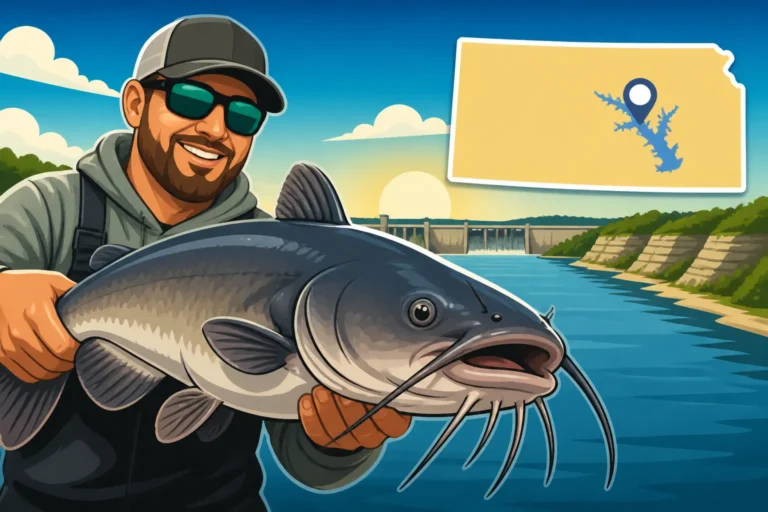
- Catfish: Channel catfish, blue catfish, and flathead catfish are all present in Cheney. Channel cats are widespread and can be caught nearly anywhere, from the shallow coves to the main lake. Blue cats tend to prefer deeper, main-lake areas, often associating with the old river channels. Flatheads are solitary ambush predators, typically found near heavy cover like large log jams or rock piles, especially in the upper reaches of the reservoir. Night fishing is a popular and highly effective method for all catfish species, particularly in warmer months. Knowing Kansas Catfish Daily Limits is a must.
Understanding Cheney's Structure and Habitat
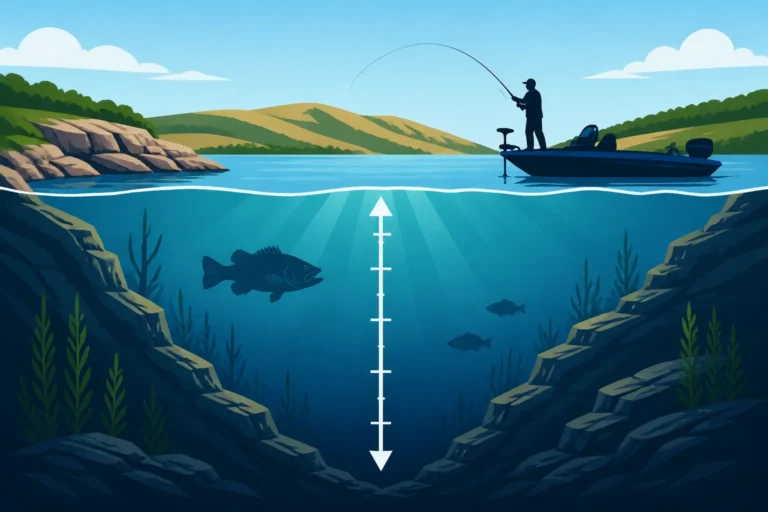
Cheney Reservoir is a relatively shallow, large reservoir with a maximum depth around 45 feet, though average depths are much less. Its basin is characterized by a mix of submerged creek channels, rocky points, old roadbeds, and vast expanses of open water. This varied underwater landscape is precisely what makes it such a productive fishery.
Walleye and crappie often relate to the rocky structures and brush piles, which provide ambush points and protection. The clearer, deeper sections of the main lake, particularly those with good forage, are where you'll find wipers relentlessly pursuing shad. The more turbid, shallower areas of the reservoir, especially where creeks flow in, are prime catfish territory, offering plenty of food and cover. Many anglers use fish finders to locate these underwater structures, such as old submerged trees or sudden depth changes, which are magnets for fish. The expansive size means fish can be spread out, but once you locate a pattern or a key piece of structure, you can often find consistent action.
Specific Fishing Techniques for Cheney's Waters
Success at Cheney often comes down to adapting your techniques to the season and the species you're targeting.
For walleye, trolling crankbaits like Berkley Flicker Shads or Rapala Shad Raps along break lines and rocky points is incredibly effective, especially during low light conditions or at night. Jigging spoons or blade baits vertically over structure can also entice strikes. When the walleye are shallower in spring, casting jerkbaits or pitching jigs tipped with a minnow or a soft plastic grub can be deadly.
When chasing wipers, look for those surface boils. Casting fast-retrieved spoons (like Kastmasters or Cotton Cordell Super Spots), swimbaits, or topwater poppers into the fray can lead to explosive strikes. When they're not surfacing, trolling deep-diving crankbaits or using live bait like shad on planer boards in open water can produce results.
Crappie anglers often find success with small jigs (1/16 to 1/8 ounce) tipped with a soft plastic grub or a live minnow. In spring, vertical jigging around flooded timber or fishing under a bobber in shallow coves works wonders. In colder months, using electronics to locate deep brush piles and then vertical jigging or slow-trolling minnows over them is key.
For catfish, a wide array of baits work. Channel cats are suckers for prepared stink baits, cut bait (like shad or carp), or even chicken livers fished on the bottom. For flatheads, live bluegill or small carp are preferred, often fished on heavy tackle near cover. Blue cats will hit cut bait or whole shad, especially when fished in deeper water on the main lake. Drift fishing across flats with cut bait can be a highly productive technique for all three species. If you're looking for more specific advice, diving into Kansas Summer Catfish Fishing Tips can give you an edge, especially during those warm months.
Essential Rules and Regulations for Cheney State Park Fishing
Fishing in Kansas, and especially at a popular spot like Cheney State Park, requires a solid understanding of the rules. These regulations are in place to ensure a healthy fish population for future generations and a safe, enjoyable experience for all anglers. Don't let ignorance lead to an unpleasant encounter with law enforcement; taking a few minutes to familiarize yourself with the guidelines can save you a lot of headache.
Kansas Fishing License and Permits
First and foremost, virtually anyone over the age of 16 needs a valid Kansas fishing license to fish in public waters, and that definitely includes Cheney Reservoir. There are different types of licenses available, from annual resident and nonresident licenses to short-term options like a Kansas One-Day Fishing License or five-day nonresident permits. You can purchase these online through the KDWPT website, at most sporting goods stores, or even at some bait shops around the area.
Beyond the state fishing license, if you plan to enter Cheney State Park with a vehicle, you'll also need a Kansas State Park Vehicle Permit. This permit grants you access to all state park facilities, including boat ramps, picnic areas, and camping sites. You can purchase these permits at the park office upon arrival or online in advance. It’s always best to have both your fishing license and park permit readily available, either digitally on your phone or as a physical copy, should a park ranger or game warden request to see them. For a complete rundown, refer to the Kansas State Park Fishing Permit Rules.
Specific Length and Creel Limits for Cheney
While statewide regulations provide a baseline, specific reservoirs like Cheney often have their own unique length and creel limits for certain species, designed to manage the local fishery effectively. These can sometimes be more restrictive than the general state rules, so always check the current Kansas Fishing Regulations Summary for Cheney Reservoir before your trip. You can find this information in the KDWPT fishing regulation booklet or on their website.
For example, walleye often have minimum length limits to protect juvenile fish and allow them to grow to a harvestable size. Currently, Kansas Walleye Length Limits mandate that walleye must be at least 21 inches long to keep, with a daily creel limit of two fish. Crappie also typically have a minimum length limit, often 10 inches, and a generous daily creel limit of 50 fish, which makes Cheney a fantastic spot for filling a cooler. Catfish limits vary by species, but generally, channel catfish have a daily limit of 10, flathead catfish have 5, and blue catfish have 5, with specific slot limits or minimum lengths sometimes applied. It’s crucial to know these specifics, as violating them can result in fines and loss of fishing privileges.
Boating Regulations and Safety
Cheney Reservoir is a large body of water, and with its popularity comes the need for clear boating regulations to ensure everyone's safety. All boats must be registered in Kansas or their state of origin, and numbers must be properly displayed. Beyond registration, specific safety equipment is mandatory, including enough U.S. Coast Guard-approved life jackets for every person on board, a throwable flotation device, a sound-producing device (like a horn or whistle), and proper navigation lights if operating between sunset and sunrise.
There are also designated no-wake zones, typically found around marinas, boat ramps, and congested shoreline areas. Always be on the lookout for buoys indicating these zones and operate your vessel at idle speed to minimize wake. It's also wise to be aware of other boaters, especially during busy times, and maintain a safe distance from other vessels. The Kansas Boating Regulations are comprehensive, and spending time to understand them fully will contribute to a safer and more enjoyable outing. When considering a guided fishing trip to learn the ropes of boating on such a large body of water, services like FishingBooker can help you find experienced local captains who are well-versed in all these regulations.
Planning Your Cheney State Park Fishing Trip
A successful fishing trip to Cheney State Park isn't just about bait and hooks; it's about preparation, timing, and making the most of all the resources available. Whether you're planning a quick day trip or a multi-day camping adventure, a little foresight goes a long way.
Best Times to Visit and Weather Considerations
Cheney Reservoir offers year-round fishing opportunities, but the "best" time often depends on your target species and preferred fishing style.
- Spring (March-May): This is arguably the most popular time, especially for walleye and crappie as they move shallow for their spawn. The white bass run can also be phenomenal. Water temperatures begin to rise, and fish become very active. However, spring weather in Kansas can be unpredictable, bringing strong winds and sudden storms.
- Summer (June-August): Excellent for catfish, wipers, and night fishing for walleye and white bass. During the heat of the day, fish often retreat to deeper, cooler waters, making early mornings, late evenings, and night fishing particularly productive. Be prepared for hot temperatures and potential thunderstorms.
- Fall (September-November): Many consider fall to be the best time for trophy walleye and crappie as fish feed heavily in preparation for winter. Wipers can also be very active, chasing baitfish. The weather is generally more stable and pleasant than spring, with fewer crowds.
- Winter (December-February): Ice fishing is possible if conditions allow, primarily for crappie, bluegill, and sometimes walleye in the shallower sections. Open water fishing for catfish can also be productive in the main lake. Always prioritize safety if ice fishing, ensuring the ice is thick enough.
Always check the local weather forecast immediately before your trip, paying close attention to wind speeds, as Cheney can get extremely choppy, making boating hazardous.
Accommodation and Nearby Amenities
Cheney State Park itself offers numerous camping options, ranging from primitive sites to those with electrical and water hookups. Many campsites are situated close to the water, providing convenient access for bank fishing or quick trips to the boat ramp. Reservations, especially for prime spots during peak season, are highly recommended and can be made through the KDWPT website.
If camping isn't your style, nearby towns like Cheney, Kingman, and Wichita offer a range of lodging options, from motels to vacation rentals. You'll also find bait and tackle shops in these towns where you can stock up on essentials, get local advice, and purchase your Where to Buy a Kansas Fishing License or a state park permit. Some larger bait shops closer to the park may even offer local fishing reports, giving you an edge on what's biting and where. If you're looking to really dial in your approach or simply want a guided experience to get acquainted with the reservoir's nuances, a local guide found on platforms like FishingBooker can be an invaluable asset, often providing all the necessary gear and expertise.
What to Bring: Gear and Preparedness
Being well-prepared makes all the difference for a comfortable and productive fishing trip. Here’s a checklist of essentials beyond your basic rod, reel, and tackle:
- Fishing License and Park Permit: Non-negotiable!
- Weather-Appropriate Clothing: Layers are always a good idea in Kansas. Sun protection (hat, sunglasses, sunscreen) is crucial in warmer months. Rain gear is a must, especially in spring and summer.
- Water and Snacks: Stay hydrated, particularly during hot Kansas summers.
- Cooler with Ice: To keep your catch fresh.
- First-Aid Kit: For minor cuts, hooks, or other mishaps.
- Navigation: A good map of the reservoir, a GPS device, or a reliable fish finder can help you locate prime spots and navigate safely.
- Tools: Pliers, a knife, and a measuring tape (to ensure your catch meets length limits) are essential.
- Landing Net or Gaff: Especially useful for larger fish like wipers or catfish. A good quality net will protect the fish if you plan to release it.
- Headlamp/Lantern: If you plan on fishing before dawn or after dusk.
- Insect Repellent: Mosquitoes and other biting insects can be present, especially in calmer areas.
Bringing along a variety of baits and lures, including some local favorites like live minnows for crappie, cut bait for catfish, and crankbaits for walleye and wipers, will ensure you're ready for whatever Cheney throws your way. When planning your visit, especially if you're coming from out of state, exploring options for local expertise, maybe even a fishing charter through a service like FishingBooker, can truly enhance your experience, as guides often provide all the gear.
Cheney State Park Fishing Overview
| Target Species | Best Season | Common Techniques | Key Locations (General) | Typical Baits/Lures |
|---|---|---|---|---|
| Walleye | Spring, Fall | Trolling, Jigging, Casting | Rocky points, humps, dam area, submerged islands | Crankbaits, jigs, spoons, live minnows |
| Wiper (Hybrid Striper) | Summer, Fall | Casting, Trolling, Live Bait | Open water, main lake basin, areas with schooling baitfish | Topwater lures, spoons, swimbaits, shad |
| Crappie | Spring, Fall | Jigging, Bobber fishing | Submerged timber, brush piles, rocky ledges, coves | Small jigs, minnows, soft plastic grubs |
| Catfish (Channel, Blue, Flathead) | Summer, Night | Bottom fishing, Drifting | Creek channels, deeper holes, upper reservoir, coves | Cut bait, stink bait, chicken liver, live bluegill |
Disclaimer
The information provided in this guide is for general informational purposes only and is subject to change. Fishing regulations, license requirements, and park rules are established by the Kansas Department of Wildlife, Parks and Tourism (KDWPT) and can be updated at any time. It is the responsibility of each angler to consult the most current official KDWPT regulations before engaging in any fishing activities. We are not responsible for any inaccuracies, omissions, or for any actions taken based on the information provided herein. Always prioritize safety and adhere to all local, state, and federal laws and regulations.