Fly Fishing Techniques for Kansas Trout
So, you've heard the whispers about trout fishing in Kansas and your mind immediately jumps to crystal-clear mountain streams, right? Well, let me tell you, it's a bit different out here in the Sunflower State. Forget the Rocky Mountains – we're talking about a unique and often challenging, yet incredibly rewarding, experience on our community lakes and designated trout streams. This guide is going to walk you through the ins and outs of fly fishing for Kansas trout, covering everything from the gear you need to the subtle techniques that will help you land those beautiful fish, even when they're playing hard to get.
Understanding Kansas Trout Fisheries
When most people think of trout fishing, they picture pristine, fast-flowing rivers. Kansas, being the land of prairies and plains, certainly doesn't fit that stereotypical image. But don't let that fool you! The Kansas Department of Wildlife, Parks and Tourism (KDWP) has worked hard to create viable trout fisheries, primarily through a robust stocking program. It's a different game, but one that offers its own kind of charm and challenge for the dedicated fly angler.
Types of Trout Stocked in Kansas
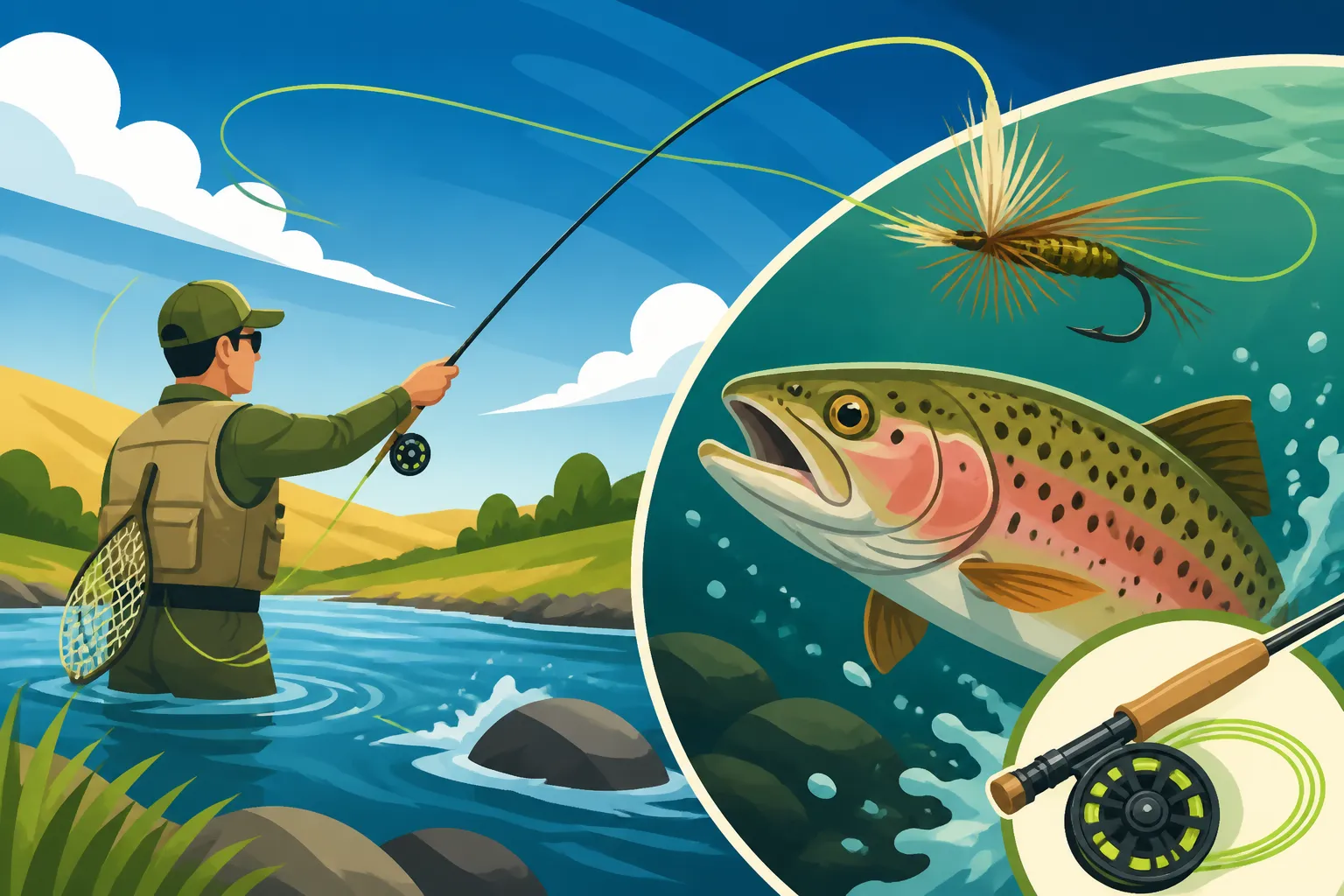
The vast majority of trout you'll encounter in Kansas are Rainbow Trout. These feisty fish are well-suited to the hatchery environment and can adapt fairly well to the varied conditions of Kansas waters, especially during the colder months. You'll often find them freshly stocked, eager to bite, and putting up a good fight on light tackle. Occasionally, the KDWP will also stock Golden Rainbow Trout, which are essentially a color variant of the rainbow trout, recognized by their striking golden-yellow hue. While not a separate species, catching one of these vibrant fish is definitely a special treat and often a highlight for anglers. They behave much like their rainbow brethren, though their unique color makes them stand out in any creel or photo. Knowing what you're likely to find helps tailor your approach.
Where to Find Kansas Trout Streams and Ponds
Kansas doesn't have native trout streams in the traditional sense, but the KDWP has designated several Community Fishing Lakes (CFLs) and specific river sections for their seasonal trout program. These locations are scattered across the state, making trout fishing accessible to many residents. Popular spots often include Lake Shawnee in Topeka, Vic's Lake in Wichita, and various ponds within state parks like Tuttle Creek State Park. Beyond these smaller lakes, some river sections, particularly below certain dams or in urban parks, are also stocked. For instance, sections of the Kansas River and certain city park streams might see stockings. Always check the official KDWP website or local signage for current regulations and designated waters. If you're wondering about specific locations, our guide on Kansas Trout Stream Locations offers a deeper dive into finding these spots. It’s critical to remember that these are put-and-take fisheries, meaning the trout are stocked for anglers to catch and keep, within legal limits, rather than for long-term natural reproduction.
Understanding Stocking Schedules
Timing is everything in Kansas trout fishing. The success of these fisheries hinges on regular stockings, which typically begin in the fall (around November) and continue through the winter months, often wrapping up in March or early April before water temperatures rise too high for trout. Knowing when and where the fish were last stocked can dramatically improve your chances. Freshly stocked fish are often less wary and more aggressive, making for some excellent action. As the season progresses, trout can become more acclimated, and at times, more "educated" and challenging to catch. The KDWP usually publishes its stocking schedule online, which is an invaluable resource. For example, our detailed articles on Kansas Trout Stocking Schedule for December and Kansas Trout Stocking Schedule for January and February can give you a better idea of when to plan your outings. Pay close attention to these dates; showing up right after a stocking can be like hitting the jackpot.
Essential Gear for Kansas Fly Fishing
Just like any specialized angling pursuit, fly fishing for Kansas trout requires specific gear. While you don't need to break the bank to get started, having the right tools for the job will make your experience much more enjoyable and productive. Think of it as preparing for a specific mission – you wouldn't bring a butter knife to a sword fight, right? The same goes for your fly fishing setup.
Rods, Reels, and Lines
For Kansas trout, you're generally looking at lighter setups, typically in the 3-weight to 5-weight range. A 4-weight rod is often considered a fantastic all-around choice, offering enough backbone to handle a decent-sized rainbow while still being light enough to enjoy the fight of smaller fish. Rod length usually ranges from 7.5 to 9 feet. A longer rod can be beneficial for line management and reaching across currents, which is a common scenario in many of our stocked ponds and wider river sections.
Matching your rod with a corresponding fly reel and line is crucial. A simple, click-and-pawl or disc-drag reel that balances your rod will do the trick – it doesn't need to be fancy, as the reel's primary job in trout fishing is to hold your line. The real workhorse is your fly line. A weight-forward floating line (WF) is the most versatile option for most Kansas trout scenarios, allowing for easier casting and presentation of dry flies, nymphs, and smaller streamers. For certain nymphing techniques or if you find yourself fishing deeper holes, a sink-tip line or even a full sinking line might be useful, but for starters, a floating line is your best bet.
Fly Selection for Kansas Waters
This is where the art and science of fly fishing truly meet, especially when targeting stocked trout. While wild trout often key into specific insect hatches, stocked rainbows can be a bit more opportunistic, and sometimes, a little quirky. However, they still have preferences, and carrying a diverse fly box is key.
Here's a breakdown of essential fly types:
| Fly Category | Description & Common Patterns | When to Use |
|---|---|---|
| Nymphs | Imitate subsurface insect larvae/pupae. Examples: Pheasant Tail, Hare's Ear, Prince Nymph, Zebra Midge, San Juan Worm. | Most of the time, especially when fish aren't rising. Great for detecting subtle bites. |
| Streamers | Imitate baitfish or larger prey. Examples: Woolly Bugger (black, olive, brown), Clouser Minnow (small sizes). | When trout are aggressive or feeding on baitfish. Good in deeper water or after rain. |
| Dry Flies | Imitate adult insects on the surface. Examples: Griffith's Gnat, Elk Hair Caddis, Adams, Parachute Adams. | When you see trout actively rising and dimpling the surface, usually on warmer, calm days. |
| Jig Flies | Heavier, lead-headed nymphs designed to get down quickly and be fished aggressively. Examples: Jig Prince, Jig Hare's Ear. | When fishing deeper holes or areas with strong current, or when fish are hugging the bottom. |
| Attractor Flies | Bright, often gaudy patterns designed to provoke a strike rather than perfectly imitate food. Examples: Egg patterns, Squirmy Wormy, Mop Fly. | Especially effective on newly stocked, hatchery-raised trout who are not picky. |
You'll want a good mix of sizes (from tiny #22 midges to larger #8 Woolly Buggers) and colors. Many anglers find great success with "junk" flies like brightly colored egg patterns or San Juan Worms on newly stocked fish. For more educated trout, subtle nymphs are the way to go. You can find an incredible selection of these on sites like Amazon, making it easy to stock up on different patterns without having to visit multiple specialized fly shops. Our article on Kansas Trout Fishing Bait and Lures delves into more options beyond just flies, if you're curious about a broader spectrum of choices.
Waders, Vests, and Accessories
While many Kansas trout spots are accessible from the bank, having a good pair of waders can dramatically open up your fishing opportunities, allowing you to reach prime spots that shore anglers can't. Chest waders made of breathable material are ideal, paired with wading boots that provide good ankle support and grip.
A fishing vest or chest pack is invaluable for keeping your fly boxes, leader material, nippers, forceps, and other small essentials organized and within easy reach. Don't forget a net! A small, rubber mesh landing net is crucial for safely landing trout, especially if you plan on practicing catch-and-release. The rubber mesh protects the fish's slime coat and fins. Other useful accessories include polarized sunglasses (they cut glare and help you spot fish), a hat for sun protection, and a pair of forceps for removing hooks. And, of course, make sure you have your Kansas Trout Permit Guide and a valid Kansas fishing license before you even think about hitting the water!
Key Fly Fishing Techniques for Kansas Trout
Once you have your gear sorted, it's time to talk tactics. Fly fishing isn't just about flinging a line out there; it's about presenting your fly naturally to entice a bite. For Kansas trout, you'll want to master a few key techniques that cater to their stocked nature and the types of waters they inhabit.
Nymphing for Subsurface Success
Nymphing is arguably the most effective fly fishing technique for trout in most conditions, and Kansas is no exception. Trout spend the vast majority of their time feeding subsurface on insect larvae, pupae, and other invertebrates. Your goal with nymphing is to present a weighted fly (or flies) near the bottom, drifting naturally with the current.
There are several ways to nymph. A basic setup involves a strike indicator (a small bobber-like device) placed on your leader, with one or two nymphs tied below it. The indicator shows you when a fish takes your fly, even if the bite is incredibly subtle. You cast upstream and let your flies drift back downstream, mending your line to keep a drag-free drift. For newly stocked trout in community lakes, simple jig nymphs or even a "worm and egg" rig can be incredibly deadly, especially if fished under an indicator with a slow retrieve or dead drift. Another popular method is the "Euro Nymphing" or "contact nymphing" style, which uses a specialized leader and no indicator, relying on feel to detect strikes. This can be particularly effective in areas with current or when fishing deeper holes.
Dry Fly Presentation for Surface Action
Ah, the romance of dry fly fishing! Seeing a trout rise to sip your perfectly presented dry fly off the surface is one of fly fishing's greatest thrills. While less common in Kansas's stocked fisheries compared to nymphing, dry fly opportunities do arise, especially on warmer, calmer days when insects like midges, small caddis, or even grasshoppers might be active.
When you observe trout consistently rising, that's your cue for a dry fly. The key is to "match the hatch" as closely as possible, selecting a dry fly that mimics the size, shape, and color of the natural insects on the water. Presentation is paramount: a gentle, accurate cast that lands your fly softly, allowing it to drift naturally without any drag, is what you're aiming for. Too much splash, or a line dragging your fly unnaturally, will often spook wary trout. Remember, trout typically feed upstream, so cast slightly above and beyond a rising fish, letting your fly drift down into its feeding lane. Carrying a few classic dry patterns like a Parachute Adams or an Elk Hair Caddis, especially in smaller sizes, is always a good idea.
Streamer Fishing for Aggressive Trout
When trout are feeling aggressive, or when you're targeting larger specimens, streamer fishing can be incredibly effective. Streamers are flies designed to imitate baitfish, leeches, or other larger prey. They're typically fished with a stripping retrieve, giving the fly an erratic, "fleeing baitfish" action that can trigger a predatory response.
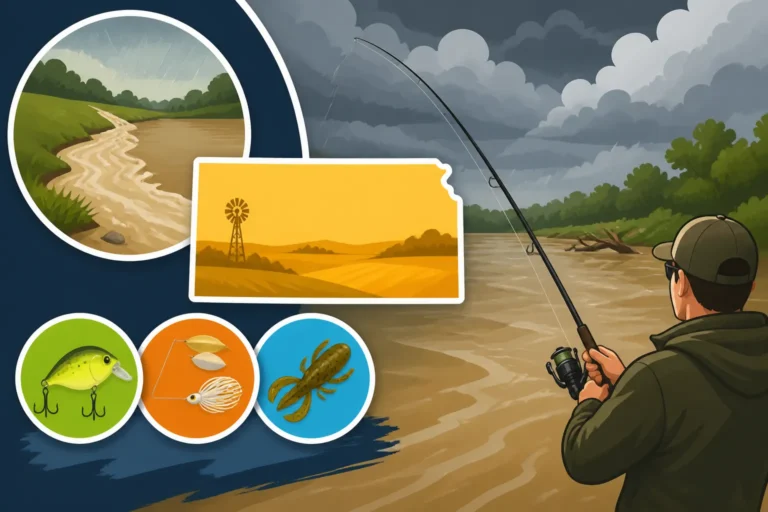
The Woolly Bugger is perhaps the most famous and versatile streamer, and for good reason. It comes in a myriad of colors, with black, olive, and brown being excellent choices for Kansas waters. Fish streamers in deeper pockets, along drop-offs, or near submerged structure where trout might ambush prey. Cast your streamer out, let it sink to the desired depth, and then retrieve it with a series of short, sharp strips, punctuated by pauses. The takes can be violent, so be ready! Streamer fishing can be particularly good on overcast days or when the water has a bit of color after a rain, as this often makes trout bolder. Don't be afraid to experiment with retrieve speeds and patterns to find what the fish are keying into.
Reading the Water and Locating Trout
Even in stocked ponds and designated river sections, trout aren't just everywhere. They have preferred lies, spots where they feel safe, can conserve energy, and easily ambush food. Learning to "read the water" and identify these prime locations is a skill that will elevate your success significantly, whether you're fly fishing or using conventional tackle.
Identifying Holding Lies and Feeding Lanes
Trout, like most fish, are creatures of efficiency. They'll position themselves in places where they can get food with minimal effort while remaining protected. In a pond or slower river section, look for any kind of structure: fallen trees, submerged brush, rock piles, or even artificial structures like culverts or dock pilings. These provide cover from predators and current, and often attract baitfish or insects. Deeper holes, particularly those with a gradual slope, are also prime holding lies, especially as the water gets colder or warmer.
In areas with current, trout will sit in "feeding lanes" – seams where fast-moving water carrying food meets slower water, or behind obstacles that break the current. This allows them to dart out for food without fighting the main current all day. Look for current breaks, eddy lines, and the quiet water behind boulders or logs. The transition zones between shallow and deep water are also critical, as trout will often patrol these areas.
Understanding Current and Structure
Current is the lifeblood of a trout stream, even in our managed Kansas waters. It delivers food, oxygen, and moderates temperature. Learning to recognize how current flows around obstacles, creates eddies, and carves out deeper runs is key. A fast current might seem intimidating, but often the fish are holding in the calmer "cushions" right next to it, or in the seams.
Structure, whether natural or man-made, is a magnet for fish. On a Kansas community lake, this might be a brush pile placed by the KDWP, a rocky point, or a submerged roadbed. In a river, it's logs, rocks, undercut banks, or even bridge pilings. Always approach these areas stealthily and assume fish are present. Cast your flies to drift naturally through or just adjacent to these structures. Remember, trout often hold close to the bottom or on the downside of structure. A good resource for understanding these dynamics can be found in our Kansas River Fishing Guide, which provides insights into current and structure interactions.
Approaching the Water Without Spooking Fish
Trout, especially those that have been caught before, are incredibly wary. A heavy footstep on the bank, a visible silhouette against the sky, or a poorly executed cast can send them scattering. The golden rule is to always approach the water slowly and stealthily. If possible, stay low, use existing cover (bushes, tall grass), and avoid casting a long shadow over the water.
When you're ready to cast, try to make your first few casts in areas where you suspect fish might be, but perhaps not the most obvious "hot spot." This allows you to practice your presentation and get a feel for the drift without immediately spooking the primary targets. Start by fishing the water closest to you and gradually work your way out. A short, accurate cast is almost always better than a long, sloppy one. Remember, the fish are almost always looking up, so be mindful of your profile against the skyline.
Seasonal Considerations for Kansas Trout Fly Fishing
Kansas trout fishing is a highly seasonal affair, dictated almost entirely by water temperature and the KDWP's stocking schedule. Unlike year-round wild trout fisheries, understanding these seasonal nuances is paramount to success in the Sunflower State.
Winter Trout Season Strategies
Winter is prime time for trout fishing in Kansas. The cold weather keeps water temperatures consistently low, creating ideal conditions for trout that were stocked in the fall. The Kansas Winter Trout Fishing Guide emphasizes that this is when the fish are most active and comfortable. During this period, trout will often congregate in deeper holes or slower-moving sections of water where they can conserve energy. Nymphing becomes the dominant technique, as trout are often lethargic and feeding on readily available subsurface invertebrates. Small patterns like Zebra Midges, Pheasant Tails, and San Juan Worms in sizes #16 to #22 can be incredibly effective.
On exceptionally cold days, a slow retrieve with a small streamer like a black or olive Woolly Bugger can also provoke strikes from trout looking for a larger meal. Remember to dress warmly in layers, as Kansas winters can be brutal, especially when standing in cold water. Ice fishing for trout can also be an option on some smaller ponds if safe ice conditions prevail.
Early Spring Thaw Fishing
As winter reluctantly gives way to spring, and the ice melts, a new set of challenges and opportunities emerges. Early spring can be a fantastic time to fish for the remaining stocked trout before water temperatures climb too high. The trout might become a bit more active as water temperatures begin to rise slightly, and you might even see some insect activity, like early caddis or midges.
Focus your efforts on the slightly warmer, shallower areas that receive more sunlight. These spots can warm up a degree or two faster, making fish more active. Nymphs remain a strong choice, but don't shy away from trying a small streamer or even a dry fly if you see any surface activity on milder days. As spring progresses, the KDWP typically ceases trout stockings, as most Kansas waters become too warm for rainbow trout to thrive through the summer months. This makes the spring thaw a race against time to catch those last few holdovers.
Dealing with Warmer Water in Late Spring/Early Summer
Once late spring rolls into early summer, most of Kansas's stocked trout waters become unsuitable for trout. Water temperatures rise above their comfort zone (typically above 68°F), stressing the fish and making them lethargic or even leading to mortality. This is why the trout program is a seasonal, put-and-take fishery.
While fly fishing specifically for trout during these months isn't recommended, it's a good time to switch gears to other species that thrive in warmer water, like bass, crappie, or catfish, which can be fantastic on the fly rod. If you do encounter trout in slightly cooler pockets (e.g., spring-fed areas, or deep holes immediately after a cold front), exercise extreme caution. If a trout feels warm to the touch, or is fighting weakly, it's best to release it quickly and gently to minimize stress. Always be aware of the Kansas Fishing Seasons and Limits for all species to ensure you're fishing responsibly and legally.
Common Challenges and Troubleshooting
Fly fishing for trout in Kansas, like any outdoor pursuit, comes with its own set of frustrations. The weather can be fickle, the fish can be finicky, and gear can get tangled. But recognizing these common challenges and knowing how to troubleshoot them will save you a lot of headaches and ultimately make you a more resilient and successful angler.
Dealing with Wind and Cold
Kansas is known for its wind, and it can be a fly caster's worst enemy. A strong crosswind or headwind makes accurate casting incredibly difficult and can quickly lead to tangles (or "wind knots"). When faced with wind, adjust your casting stroke. A tighter loop and a more powerful, direct stroke can help punch through the wind. Sometimes, simply changing your casting angle to use the wind to your advantage (a sidearm cast with the wind at your back) can make a huge difference. Shorter leaders can also help in very windy conditions.
Cold, especially in conjunction with wind, can make fingers numb, line stiff, and overall enjoyment plummet. Layering clothing is critical, as are good gloves or fingerless gloves. Petroleum jelly on your line guides can prevent ice buildup. If it's too cold to be comfortable, it's okay to pack it in and try another day. Remember, part of the joy is being out there, not just catching fish, so comfort matters!
Overcoming Finicky Bites
You've done everything right: stealthy approach, perfect cast, drag-free drift… and nothing. The fish are there, you can see them, but they just aren't biting. This is where patience and persistence come into play. Finicky bites are often a sign that the fish are either wary, over-pressured, or keying into something incredibly specific.
Here are some troubleshooting tips for finicky fish:
- Downsize your leader and tippet: If you're using 4X tippet, try 5X or even 6X to make your presentation more subtle.
- Downsize your fly: Even if you think you're matching the hatch, try going down one or two hook sizes. Tiny midges in sizes #20-24 can be surprisingly effective.
- Change your fly pattern: Sometimes a slight change in color or profile can make a difference. If they're ignoring a Prince Nymph, try a Zebra Midge.
- Adjust your depth: Even a few inches can make a difference. Add or subtract split shot to get your nymph into the exact feeding zone.
- Vary your retrieve: If you're nymphing, try a tiny twitch. If streamer fishing, change your strip speed.
- Move: If a spot isn't producing after trying a few things, sometimes the best solution is to move to another area.
Managing Snags and Break-offs
Snags are an inevitable part of fishing, especially when nymphing near the bottom or streamer fishing near structure. Losing flies and breaking off fish can be incredibly frustrating. Prevention is key: try to avoid casting into obvious snag-filled areas. When you do get snagged, resist the urge to violently yank your rod. Point your rod tip directly at the snag, grab the fly line, and pull steadily backward. Often, the fly will come free.
Break-offs, particularly when fighting a fish, can be heartbreaking. This often comes down to faulty knots, old tippet, or a drag setting that's too tight. Always check your knots carefully, especially the knot to your fly, and re-tie often, particularly after catching a few fish or getting a snag. Ensure your reel's drag is set properly – tight enough to control the fish, but loose enough to allow line to peel off when a fish makes a strong run. Using fresh tippet material and inspecting it for nicks and abrasions before each outing will go a long way in preventing those dreaded break-offs.
Disclaimer
Please remember that fishing regulations can change. Always consult the latest Kansas Department of Wildlife, Parks and Tourism (KDWP) regulations and local signage before you head out. This guide provides general information and recommendations, but it is your responsibility to ensure compliance with all current laws and safety guidelines.