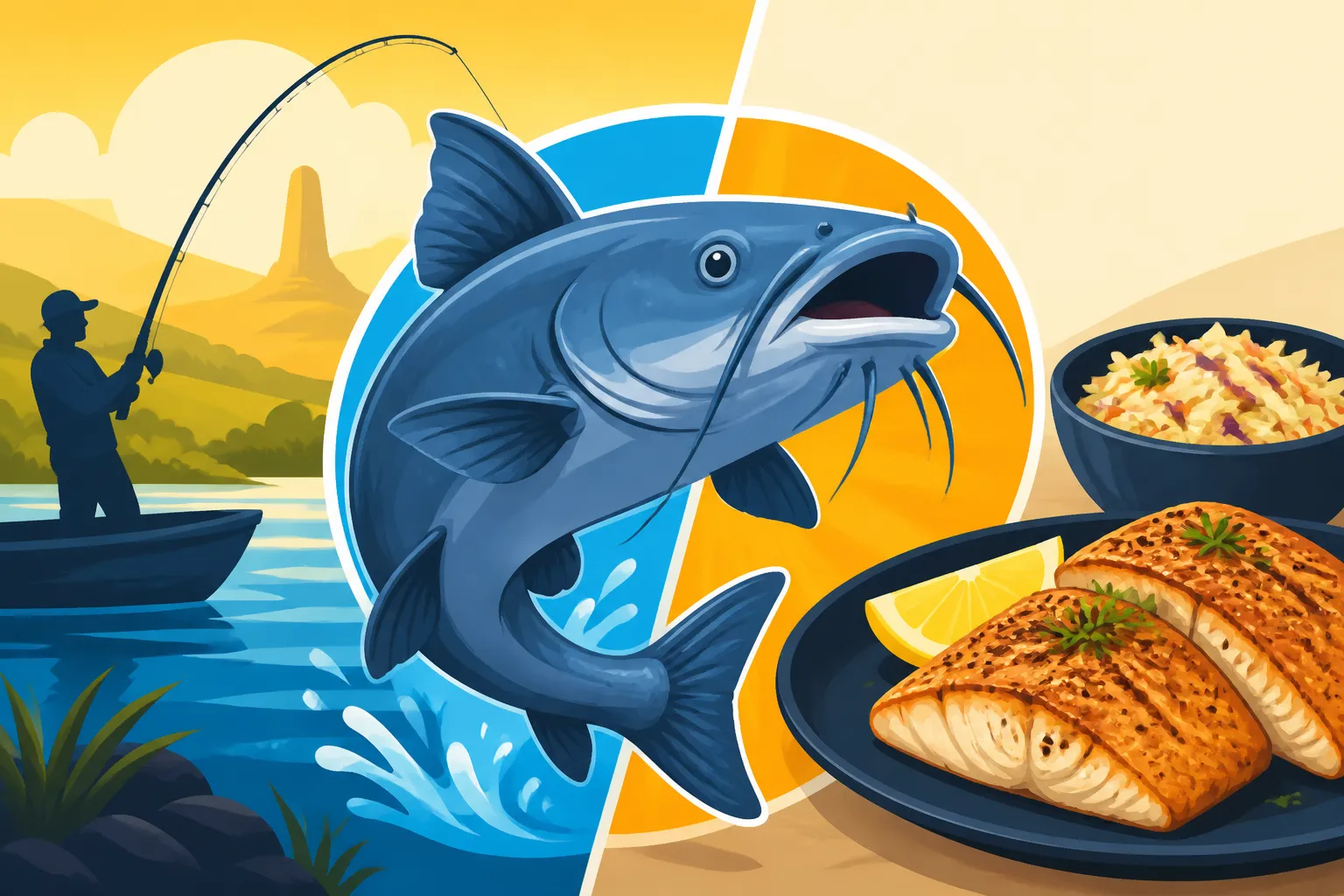
Is Blue Catfish Good to Eat?
There's often a lively debate among Kansas anglers about which fish truly makes the best table fare. While some species are universally praised, others, like the robust blue catfish, often spark discussions about their edibility. Many wonder if their size and reputation as bottom-feeders affect their flavor, or if they're truly a hidden culinary gem waiting to be discovered. This guide aims to cut through the speculation, offering a comprehensive look at what makes blue catfish a unique and potentially delicious meal for those fishing our Kansas waters.
Understanding Blue Catfish as a Food Source in Kansas
The blue catfish is a magnificent fish, known for its impressive size and powerful fight, making it a favorite target for trophy anglers across Kansas. But beyond the thrill of the catch, how does it stand up when it comes to dinner? The truth is, blue catfish can be absolutely delicious, rivaling many other popular game fish, provided you understand a few key aspects about them.
Flavor Profile and Texture of Blue Catfish
When properly handled, blue catfish offer a mild, slightly sweet flavor that many compare to a milder version of channel catfish. They typically don't have the strong, "fishy" taste that some people associate with certain freshwater species. The meat is firm, flaky, and white, especially in smaller to medium-sized fish. This texture holds up well to various cooking methods, from deep-frying to grilling.
For those who are particular about their fish, it's often noted that younger, smaller blue catfish (say, under 10 pounds) tend to have the most delicate flavor and best texture. As blue catfish grow larger, their meat can sometimes become a bit coarser, and while still flavorful, it might require a little more care in preparation to achieve the desired tenderness. However, even large blue catfish, when taken from clean water and properly prepared, can provide generous, tasty fillets. You can learn more about specific catfish species in our Kansas Catfish Species Guide.
Size and Fillet Quality
The size of the blue catfish you catch can significantly influence its fillet quality and how you might choose to prepare it. A common misconception is that large catfish are inherently poor eating, but this isn't always true for blue cats in Kansas.
Consider a 5-pound blue catfish versus a 30-pounder. The smaller fish will yield thinner, often boneless fillets that are perfect for frying or baking. The meat will be consistently white and tender. A larger fish, while providing substantial amounts of meat, might have thicker fillets that benefit from different cooking approaches, such as slow-cooking, smoking, or even turning into fish patties or stews. Some anglers report that the belly meat from larger blue catfish can be particularly rich and flavorful. However, larger fish can sometimes develop a bit more of a "gamey" taste, which can usually be mitigated with proper cleaning and marinating, as we'll discuss later. Getting to know the specific characteristics of Kansas Blue Catfish Facts and Limits will help you determine the best size to keep for your plate.
Factors Influencing Blue Catfish Taste
Just like with any wild game, the environment and how a fish lives its life can profoundly impact its taste. Blue catfish are no exception, and understanding these factors can help you select the best fish for consumption and maximize your culinary enjoyment.
Water Quality and Diet
The old adage "you are what you eat" holds very true for fish. Blue catfish are opportunistic feeders, meaning their diet is quite varied, consuming everything from smaller fish and crustaceans to insects and even aquatic plants. The quality of the water they inhabit directly affects their diet and, consequently, their flavor.
Fish caught from clean, clear Kansas lakes and rivers with good water flow, like parts of the Kansas River or some of our larger reservoirs such as Tuttle Creek Lake, generally have a much cleaner, milder flavor. These environments provide a diverse and healthy food source for the fish, leading to better-tasting meat. Conversely, blue catfish from stagnant or overly muddy waters, or those with high concentrations of algae, might occasionally develop an "off" or "muddy" taste. This isn't inherent to the blue catfish species, but rather a reflection of its environment. It's similar to how wild berries taste different depending on the soil they grow in. Choosing your fishing spot wisely and observing the water conditions can often make a big difference in the quality of your catch for the dinner table.
Seasonal Variations and Spawning
The time of year you catch a blue catfish can also play a role in its flavor and texture. Fish, like many animals, undergo physiological changes throughout the year related to spawning, feeding patterns, and water temperatures.
During the warmer months, especially approaching and during their spawning season (typically late spring to early summer in Kansas), fish can sometimes focus more on reproduction than on feeding, or their metabolism might be higher. Some anglers report that catfish caught during or immediately after the spawn might have slightly softer meat or a different flavor, though this is often subtle. In contrast, catfish caught during cooler months, such as late fall or early spring, when water temperatures are lower and fish are actively feeding to build up fat reserves, are often considered to be at their prime for eating. Their meat tends to be firmer and have a cleaner taste. Paying attention to Kansas Fishing Seasons Guide can help you time your fishing trips for the best table fare.
Handling and Preparation Post-Catch
This is perhaps the single most critical factor in determining how good your blue catfish will taste. Even a prime fish from pristine waters can be ruined by improper handling, while a moderately good fish can be elevated with careful attention.
- Bleeding the Fish: Immediately after catching a blue catfish you intend to keep, bleeding it out is highly recommended. This involves cutting a gill arch or the throat to allow the blood to drain. This process removes blood from the muscle tissue, which can cause a stronger, "fishy" flavor and shorten shelf life.
- Keeping it Cold: Once bled, get your fish on ice as quickly as possible. A cooler full of ice is not just for keeping drinks cold – it's essential for preserving the quality of your catch. The colder you keep the fish, the slower the enzymatic and bacterial breakdown of the flesh, leading to a much better-tasting fillet.
- Timely Filleting: Fillet your fish as soon as you can. The longer a whole fish sits, even on ice, the more its quality can degrade. When you do fillet, use a sharp knife – you can find excellent fillet knives on Amazon – and work quickly and cleanly.
- Removing Red Meat: When filleting, you'll notice a strip of darker, reddish meat along the lateral line (the side of the fish). This red meat often has a stronger, more "gamey" flavor. While some people don't mind it, many prefer to trim this away to ensure the mildest possible taste.
By prioritizing these steps, you’re not just preparing the fish; you’re honoring the catch and ensuring it becomes the best meal it can be.
Preparing and Cooking Blue Catfish for the Table
So, you’ve caught your blue catfish and handled it with care. Now comes the exciting part: turning it into a delicious meal. How you prepare and cook your blue catfish can dramatically impact its final taste and texture.
Cleaning and Filleting Techniques
Proper cleaning and filleting are the foundational steps for a great meal. Blue catfish, especially larger ones, can be a bit more challenging to fillet than, say, a crappie, due to their thick skin and robust bone structure.
- Scaling vs. Skinning: Unlike many fish, catfish are typically skinned, not scaled. Their skin is tough and doesn't offer a pleasant texture when cooked. To skin a catfish, you can use a pair of pliers and a sharp knife. Make a cut behind the dorsal fin, then around the head. Grip the skin with pliers and pull it off, working towards the tail. For larger fish, you might need to make additional relief cuts along the side.
- Filleting: Once skinned, you can proceed to fillet. Start by making a cut behind the gills, down to the backbone. Turn the knife flat and run it along the backbone, all the way to the tail. Repeat on the other side. You'll then have two large fillets.
- Trimming: Examine your fillets for any remaining skin, bones, or the aforementioned red meat. Trim these away meticulously. This careful trimming is crucial for ensuring a mild, clean-tasting final product. If you're looking for more visual guidance, resources that explain How to Fillet a Channel Catfish can often be adapted for blue catfish, as the techniques are quite similar.
Popular Cooking Methods and Recipes
Blue catfish is incredibly versatile in the kitchen. Its firm, flaky white meat lends itself well to many cooking styles.
- Deep-Frying: This is, arguably, the most classic way to enjoy catfish, and blue catfish absolutely shines when fried. Cut your fillets into smaller, bite-sized pieces. Dredge them in seasoned cornmeal or a flour-based breading. Fry them in hot oil (around 350-375°F) until golden brown and flaky. The crisp exterior and moist interior are hard to beat.
- Grilling: For a healthier option, grilling is fantastic. Marinate your fillets for 30 minutes to an hour in a mixture of olive oil, lemon juice, garlic, and your favorite herbs. Grill over medium-high heat until cooked through, turning once. This method imparts a lovely smoky flavor.
- Baking/Broiling: Another great choice for a lighter meal. Place fillets in a baking dish, drizzle with butter or olive oil, season, and bake at 375°F until flaky. Broiling offers a quicker cook time and a slightly crisper top.
- Blackening: For those who like a bit of spice, blackening is perfect. Coat your fillets heavily in a blackening seasoning mix (many good ones are available on Amazon), then cook in a screaming hot, cast-iron skillet with a small amount of oil until a dark crust forms.
Tips for Enhancing Flavor and Removing "Muddy" Taste
Even with the best handling, sometimes a fish might still have a faint "earthy" or "muddy" taste, especially if it came from certain water bodies. Don't despair! There are several tricks to mitigate this:
- Soaking in Milk or Buttermilk: This is a time-honored tradition among catfish connoisseurs. Soak your fillets in milk or buttermilk for at least an hour, or even overnight in the refrigerator. The lactic acid in the milk is believed to help neutralize any off-flavors. Pat dry thoroughly before cooking.
- Acidic Marinades: Lemon juice, vinegar, or even a splash of white wine in your marinade can help tenderize the meat and brighten the flavor, effectively masking any subtle undesirable notes.
- Strong Seasonings: Don't be shy with your seasonings! Cajun spices, garlic powder, onion powder, paprika, and a good amount of salt and pepper can work wonders. Experiment with different spice blends found on Amazon to discover your favorites.
- Freezing: If you’re not going to eat the fish immediately, freezing it properly can also help. Wrap fillets tightly in plastic wrap, then in freezer paper or a vacuum-seal bag. Freezing can sometimes mellow out any subtle flavors, though immediate consumption after good handling is always preferred for peak freshness. For those passionate about catfish, finding the Best Rod and Reel Combo for Catfish can make the entire experience, from catch to plate, much more enjoyable.
The Kansas Angler's Perspective: Is it Worth It?
For many anglers in Kansas, fishing is about more than just filling the cooler. It's about the experience, the challenge, and connecting with nature. So, when it comes to blue catfish, the question of its culinary value often intertwines with the sport itself.
Balancing Sport and Table Fare
The blue catfish offers a fantastic fight, with even medium-sized fish putting a serious bend in your rod. Larger specimens can truly test an angler's skill and tackle. Many fishermen primarily target blue catfish for the thrill of the battle and will practice catch-and-release, especially for the biggest, oldest fish that are vital for the breeding population. However, that doesn't mean you can't enjoy a fresh meal from a smaller, legal-sized blue cat.
It's about finding a balance. If you're out specifically for a meal, focusing on blue catfish in the 2-10 pound range often provides the best eating quality without impacting the trophy potential of the fishery. These "eater" fish are usually abundant and grow quickly. For those who target them, learning Kansas Catfish Fishing Techniques can greatly increase your success. Meanwhile, the truly massive fish, the ones that could be state records, are often released to swim another day and contribute to future generations. This mindful approach ensures both sustained sport fishing and the opportunity for delicious table fare.
Health Considerations and Consumption Guidelines
Like most fish, blue catfish are a lean source of protein and healthy fats, particularly omega-3 fatty acids, which are beneficial for heart and brain health. They're a great addition to a balanced diet.
However, as with any wild-caught fish, it's always wise to be aware of any local consumption advisories, particularly regarding mercury or other contaminants. While Kansas generally has clean waters, it's always a good practice to check with the Kansas Department of Health and Environment or the Kansas Department of Wildlife, Parks and Tourism for any specific guidelines related to the water body you're fishing. These advisories are often very specific to certain lakes or rivers and certain species or sizes of fish. Typically, smaller, younger fish tend to accumulate fewer contaminants than very large, old fish. For detailed information on local fishing, including regulations and guidelines, you should always consult the official Kansas Fishing Regulations Explained.
Comparing Blue Catfish to Other Kansas Game Fish
So, how do blue catfish stack up against other popular Kansas game fish when it comes to taste? This is a highly personal preference, of course, but here’s a general comparison:
| Fish Species | Flavor Profile | Texture | Common Cooking Methods |
|---|---|---|---|
| Blue Catfish | Mild, slightly sweet, clean | Firm, flaky | Frying, Grilling, Baking, Smoking |
| Channel Catfish | Earthy, slightly stronger than blue cat | Flaky, can be softer | Frying, Baking, Stewing |
| Flathead Catfish | Very mild, almost no "fishy" taste | Very firm, steak-like | Grilling, Baking, Frying |
| Walleye | Very mild, almost sweet | Firm, delicate flake | Pan-frying, Baking, Broiling |
| Crappie | Extremely mild, delicate | Very tender, flaky | Pan-frying, Frying |
As you can see, blue catfish hold their own in terms of flavor and texture. Many anglers would agree that it's a superior eating fish to the channel catfish, often due to its typically cleaner flavor profile, especially from cooler, clearer waters. Flathead catfish are often lauded for their incredibly mild, firm meat, making them a top contender for the dinner plate, too. If you've wondered Is Crappie Good to Eat? or Is Flathead Catfish Good to Eat?, you'll find similar considerations about water quality and handling apply across the board.
Ultimately, blue catfish from Kansas waters can absolutely be a delicious and rewarding meal. With proper handling, cleaning, and preparation, you can enjoy this magnificent fish at your dinner table, turning a great catch into an even better culinary experience.
Disclaimer
This article is for general informational purposes only and does not constitute professional advice. Laws, prices and regulations vary by location and change over time. Consult a qualified professional for guidance on your specific situation.