Is Crappie Good to Eat?
There's nothing quite like a day out on a Kansas lake, reeling in a mess of crappie. But for many anglers, especially those new to fishing or even seasoned folks who've always just caught and released, a common question often pops up: is crappie actually good to eat? This guide dives deep into what makes crappie a favorite on the dinner plate, exploring its taste, texture, and how to best prepare it for a truly delicious meal from our local waters.
The Crappie Experience: What Makes Them a Favorite on the Plate?
When you ask an experienced Kansas angler about their favorite fish to eat, crappie often comes up near the top of the list, right alongside walleye and catfish. There’s a good reason for this popularity. Crappie offer a delightful combination of mild flavor, flaky texture, and versatility that makes them a fantastic choice for a variety of culinary preparations. They're not just a fun catch; they're a rewarding meal.
Understanding Crappie Taste and Texture
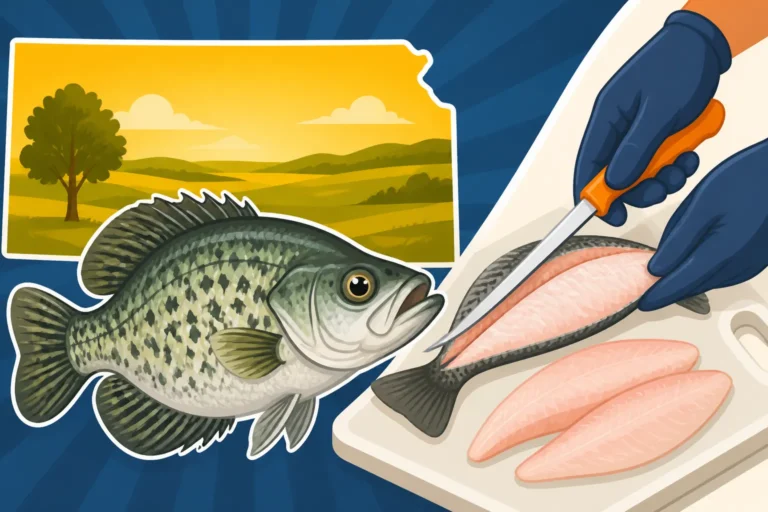
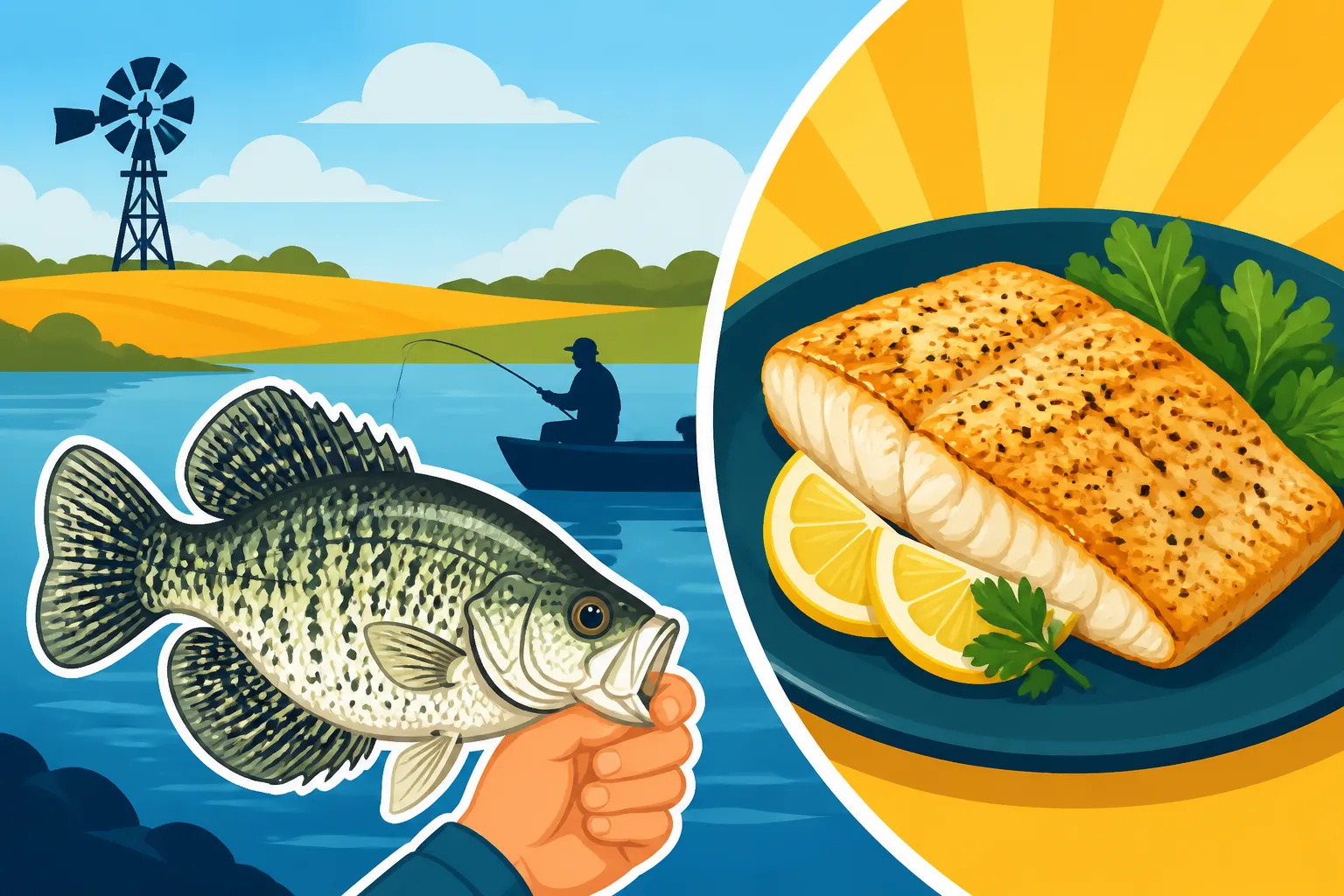
Crappie, both white crappie and black crappie, are known for their delicate, sweet, and mild flavor. This isn't a fish that will overpower your palate with a "fishy" taste. Instead, it’s subtle and clean, making it approachable even for those who might be hesitant about eating fish. Think of it as a blank canvas for your seasonings and cooking methods. The texture is consistently flaky and tender, especially when cooked correctly. It separates easily with a fork, providing a pleasant mouthfeel that's never tough or rubbery. This combination of mild flavor and tender flake is precisely why so many people, myself included, consider crappie a top-tier table fish. Whether you've just pulled them from Milford Lake or one of our smaller community ponds, that fresh taste is hard to beat. If you're wondering how to tell them apart, our guide on Kansas White Crappie Identification might be helpful, as well as Kansas Black Crappie Identification.
Crappie's mildness means it pairs well with a wide range of spices and preparations, from a simple pan-fry with salt and pepper to more elaborate dishes. It truly showcases the beauty of fresh, wild-caught fish without the need for heavy sauces to mask undesirable flavors. This is a fish that shines through on its own merits, often inspiring anglers to keep a few for the frying pan.
Why Crappie are a Prized Catch for Dinner
Beyond their inherent good taste, crappie are prized for dinner because they are generally abundant in Kansas waters and relatively easy to catch, especially during peak seasons like the spring spawn. This means that a successful crappie outing can often yield enough fish for a substantial meal, or even enough to freeze for later. There's a satisfaction in catching your own dinner, and crappie deliver on that promise generously.
For families, crappie are an excellent introduction to eating fish. Kids often enjoy the mild taste and flaky texture, making it easier to get them to eat healthy seafood. Plus, the sheer joy of catching them provides an invaluable connection to the food source. When you're out trying different Kansas Crappie Fishing Techniques, remember that the end goal of a delicious meal can be a huge motivator.
Factors Influencing Crappie Flavor: From Water to Plate
While crappie generally taste fantastic, their flavor can be influenced by several factors, mainly related to their environment and how they are handled after being caught. Understanding these elements can help you ensure that every crappie you bring home is as delicious as possible. It's a bit like gardening – the soil and care you provide directly affect the produce.
The Impact of Water Quality and Crappie Diet
The old adage "you are what you eat" holds true for fish, too. Crappie from clean, clear waters with a healthy ecosystem tend to have the best flavor. These fish primarily feed on small minnows, insects, and crustaceans, which contribute to their clean, sweet profile. If crappie are caught from stagnant, muddy, or polluted waters, their flesh might take on an undesirable earthy or "off" taste. This is less common in our well-managed Kansas lakes and reservoirs, but it's something to be aware of. Generally, the clearer the water, the cleaner the taste.
Similarly, the specific diet of crappie can slightly alter their flavor. Fish that primarily feed on certain types of algae or invertebrates might develop a slightly different taste than those feasting on shiners. However, these differences are usually subtle and rarely detract from the overall pleasantness of crappie as table fare. Focus on fishing healthy bodies of water like the ones highlighted in our Best Fishing Lakes in Kansas guide, and you'll likely find excellent tasting crappie.
Proper Handling and Cleaning for Optimal Taste
This is perhaps the most critical factor in ensuring your crappie tastes amazing. Poor handling can quickly ruin even the freshest catch. The moment a fish comes out of the water, its flesh begins to degrade. To preserve that fresh, mild flavor and firm texture, crappie should be:
- Kept Alive or Iced Immediately: If you're keeping fish, put them on ice or in a livewell as soon as possible. This chills the fish rapidly, slowing down spoilage and preserving the quality of the meat. A good cooler packed with ice is your best friend here. Consider investing in a durable cooler from a brand you trust, easily found on Amazon.
- Cleaned Promptly: Once off the water, clean your crappie without delay. The longer they sit, even on ice, the more the blood and internal organs can affect the flavor. Cleaning involves gutting and filleting the fish. Our guide on How to Fillet a Crappie offers step-by-step instructions that can make this process quick and efficient.
- Rinsed and Dried: After filleting, rinse the fillets thoroughly under cold water to remove any blood, scales, or gut residue. Pat them dry with paper towels before storing. Excess moisture can dilute flavor and affect texture during cooking or freezing.
- Stored Correctly: For immediate consumption, keep fillets refrigerated in an airtight container for up to two days. For longer storage, vacuum seal and freeze them. Properly frozen crappie can maintain excellent quality for several months.
Neglecting these steps can lead to a "fishy" taste, which isn't characteristic of fresh crappie but rather a sign of improper handling. Taking the extra few minutes at the lake or back at camp to properly care for your catch makes all the difference.
Preparing Your Kansas Crappie: Tips for Maximizing Taste
Now that you've got your beautiful, clean crappie fillets, it's time to turn them into a meal! Crappie are incredibly versatile, lending themselves to various cooking methods. The key is to avoid overcooking, which can dry out the delicate flesh.
Popular Cooking Methods for Crappie
Here are some of the most popular and delicious ways to prepare crappie:
- Pan-Frying: This is the classic method for a reason. A light breading (cornmeal-based is a favorite in the Midwest) and a quick fry in hot oil yield a crispy exterior and a tender, flaky interior. This method really lets the natural sweetness of the crappie shine. It's quick, easy, and undeniably delicious.
- Deep-Frying: For a truly indulgent treat, deep-frying creates a consistently crispy crust. Use a good fish-fry batter, ensuring the oil is at the right temperature (around 350-375°F) to prevent greasy fish. This is a fantastic option for a fish-fry gathering with friends and family.
- Baking/Broiling: For a lighter, healthier option, baking or broiling crappie fillets with a little butter or olive oil, lemon, and herbs is superb. Wrap them in foil with some vegetables for a simple, flavorful meal with minimal cleanup.
- Grilling: Crappie can be grilled, but due to their delicate nature, they're best cooked in a fish basket or wrapped in foil to prevent them from falling apart through the grates. The smoky flavor from the grill adds another layer of complexity.
- Sautéing: A quick sauté in butter or oil with garlic and a splash of white wine can create a gourmet-feeling meal in minutes. This method is great for preserving the delicate texture.
To ensure you have the right tools, a good set of non-stick pans or a deep fryer can make a big difference, and you can always find reliable kitchen gear on Amazon.
Seasoning and Recipe Ideas
Because crappie has such a mild flavor, it's incredibly versatile when it comes to seasonings. You can go simple or complex:
- Classic Midwestern: Salt, black pepper, and a simple cornmeal or flour dredge. Some folks add a touch of paprika or garlic powder to their dredge.
- Lemon-Herb: A squeeze of fresh lemon juice, a pat of butter, and a sprinkle of dill, parsley, or chives before baking or sautéing.
- Cajun/Spicy: A light dusting of Cajun seasoning or Old Bay for a kick. Be careful not to overwhelm the fish; a little goes a long way.
- Asian-Inspired: A quick marinade in soy sauce, ginger, and garlic, then pan-fried or baked.
Here's a quick comparison of common cooking methods:
| Cooking Method | Flavor Profile | Texture | Ease of Preparation | Recommended For |
|---|---|---|---|---|
| Pan-Frying | Mild, Savory, Crispy | Flaky, Tender | Easy | Classic Fish Fry, Quick Meals |
| Deep-Frying | Rich, Crispy | Very Tender, Moist | Moderate | Gatherings, Indulgent Meals |
| Baking/Broiling | Light, Fresh, Citrusy | Flaky, Moist | Easy | Healthy Meals, Simple Weeknights |
| Grilling (in basket) | Smoky, Savory | Firm, Flaky | Moderate | Outdoor Cooking, Summer Evenings |
| Sautéing | Delicate, Buttery | Very Tender, Melt-in-mouth | Easy | Elegant Dinners, Quick Meals |
Don't be afraid to experiment! The best way to enjoy your crappie is the way you like it best. Next time you're thinking about a trip to a spot like Hillsdale Lake Fishing Spots for crappie, start envisioning that dinner!
Health Benefits and Considerations of Eating Crappie
Beyond their fantastic taste, crappie offer several health benefits, making them a nutritious addition to your diet. Like most fish, they are a lean source of protein and contain essential nutrients. However, it's also wise to be aware of general considerations when consuming wild-caught fish.
Nutritional Value of Crappie
Crappie are an excellent source of lean protein, which is crucial for muscle repair, growth, and overall bodily functions. They are also low in saturated fat, making them a heart-healthy choice. Like many freshwater fish, crappie contain beneficial omega-3 fatty acids, though typically in lesser amounts compared to fatty cold-water marine fish like salmon. Omega-3s are known to support brain health, reduce inflammation, and contribute to cardiovascular well-being.
Additionally, crappie provide important vitamins and minerals, including:
- Vitamin B12: Essential for nerve function and red blood cell production.
- Phosphorus: Important for bone health and energy metabolism.
- Selenium: An antioxidant that protects cells from damage.
- Niacin (Vitamin B3): Helps convert food into energy.
Incorporating fish like crappie into your diet a couple of times a week can be a great way to boost your nutrient intake without adding excessive calories or unhealthy fats.
General Safety and Consumption Guidelines
When eating any wild-caught fish, including crappie from Kansas waters, a few general safety guidelines are always prudent:
- Follow Local Advisories: While generally safe, always check for any local consumption advisories issued by the Kansas Department of Wildlife, Parks and Tourism (KDWPT) for specific water bodies. These advisories are rare for crappie but are important for specific species or locations where contaminants might be present.
- Mercury Levels: Crappie are typically low on the food chain, primarily eating insects and small minnows, which means they accumulate less mercury than larger, longer-lived predatory fish. For most individuals, including pregnant women and young children, crappie can be enjoyed without significant concern about mercury levels. If you're looking for more general information on our state's aquatic life, check out our Kansas Fish Species Guide.
- Cooking Thoroughly: Always cook fish to an internal temperature of 145°F to ensure any potential bacteria or parasites are destroyed. This is standard practice for all seafood.
- Source Your Fish Responsibly: If you're not catching your own, purchase crappie from reputable sources that adhere to safe handling practices. For anglers, this means diligently following the proper handling and cleaning steps discussed earlier.
By being mindful of these considerations, you can confidently enjoy the delicious and nutritious benefits that Kansas crappie bring to the table. After all, what could be better than catching your own dinner, knowing exactly where it came from, and preparing it for a wholesome, tasty meal? From the fun of reeling them in to the joy of savoring their mild, flaky goodness, crappie truly are a fantastic choice for any angler's plate.
Disclaimer
This article is for general informational purposes only and does not constitute professional advice. Laws, prices and regulations vary by location and change over time. Consult a qualified professional for guidance on your specific situation.