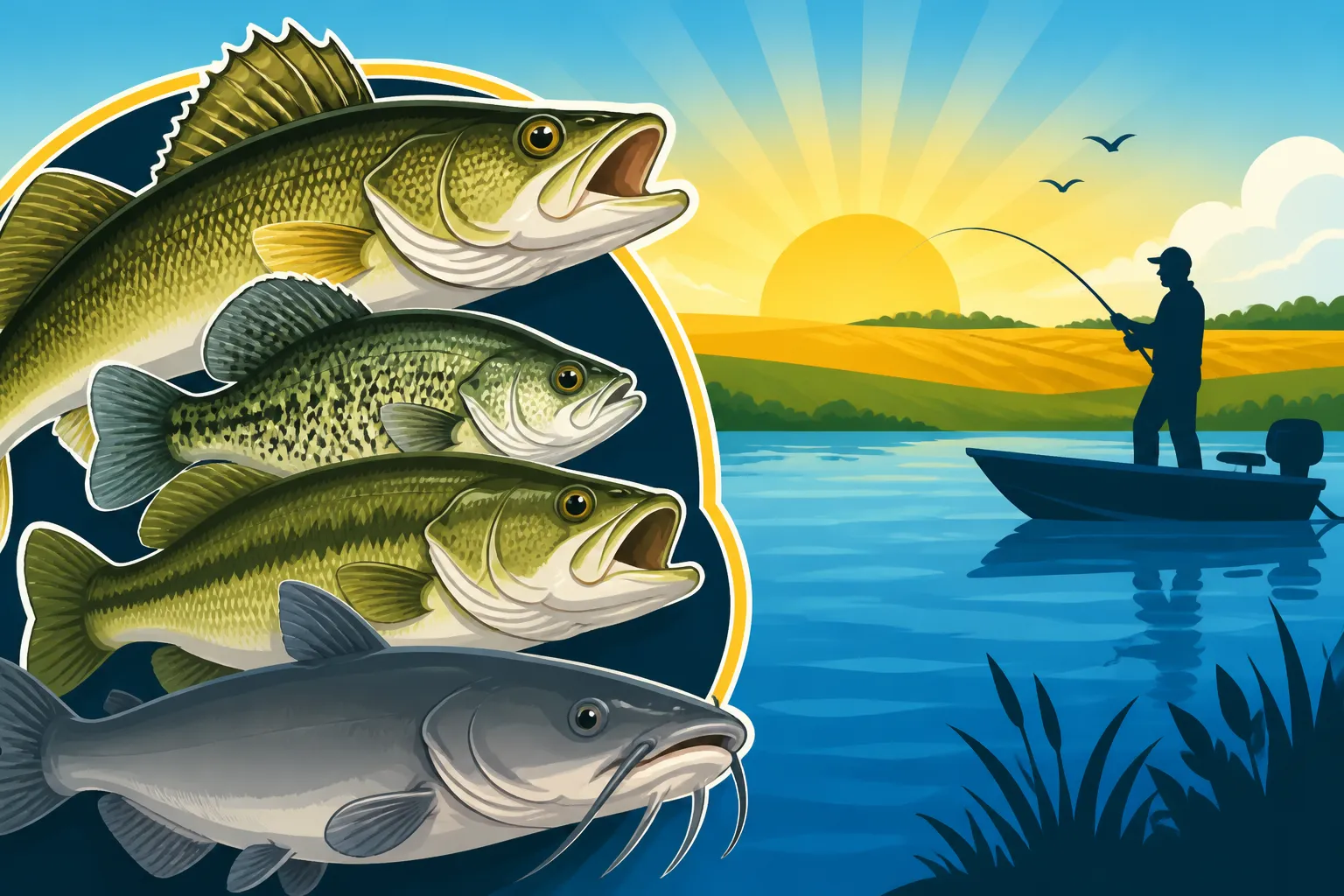
Best Eating Fish in Kansas Lakes
One of the most satisfying parts of a successful fishing trip here in Kansas isn't just the thrill of the catch, but the anticipation of a delicious meal shared with family and friends. However, for many anglers, especially those new to our waters, deciding which fish species truly shine on the dinner plate can be a real head-scratcher. You've put in the time, battled the elements, and now you're wondering: which of these beauties will offer the best eating experience? This guide is all about helping you sort through the options and discover the best eating fish our Kansas lakes have to offer, along with tips to ensure your catch tastes its absolute best.
The Kansas Classics: Universally Loved Panfish and Catfish
When you talk about consistently good eating fish in Kansas, a few species immediately jump to mind. These are the workhorses of the frying pan, known for their mild flavor, flaky texture, and generally forgiving nature when it comes to preparation. You can almost always count on them to deliver a satisfying meal.
Channel Catfish: The Kansas Staple
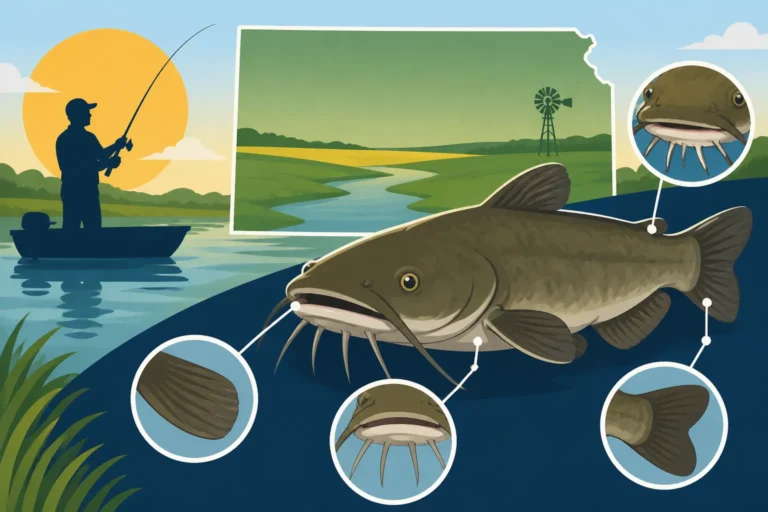
Ah, the channel cat. Is there anything more iconic to Kansas fishing? These whiskered wonders aren't just abundant; they're also incredibly popular for their firm, white, flaky meat that takes on seasonings beautifully. Whether you're pulling them from a muddy river or a clear reservoir, a well-handled channel catfish is a true delight. They have a mild, slightly sweet flavor that isn't overly "fishy," making them a fantastic option even for those who are a bit hesitant about eating fish. Many folks love them fried in a cornmeal batter, but they're also fantastic grilled, baked, or even used in stews and chowders. The key to truly excellent channel catfish is getting them on ice quickly after the catch and cleaning them promptly. Don't let them sit in warm water or on a stringer for too long if you want that pristine flavor. You can learn more about these whiskered wonders in our Kansas Channel Catfish Facts and Limits article.
Crappie: Panfish Perfection
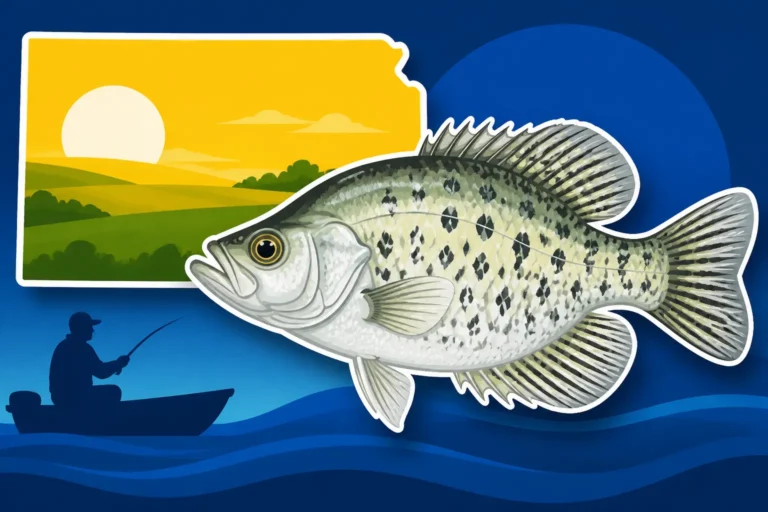
Crappie, both white and black, are often hailed as the king of panfish for a reason. Their delicate, almost translucent white meat is incredibly tender and mild. There's a reason so many anglers specifically target these fish for the table. They’re relatively small, which means they cook up quickly, and their subtle flavor makes them incredibly versatile. Lightly pan-fried with a simple seasoning blend is a classic, but they also excel when baked with herbs or even used in fish tacos. The thinner fillets mean you don't need heavy seasonings to enjoy their natural taste. Just like catfish, rapid cooling and cleaning are paramount to maintaining their superior table quality. A good, sharp fillet knife from a place like Amazon can make all the difference in getting those perfect, boneless fillets. We delve deeper into these popular panfish in Kansas Crappie Fishing Guide.
Bluegill and Redear Sunfish: Small but Mighty
While they might not grow to the massive sizes of catfish or walleye, bluegill and redear sunfish offer a surprising amount of delicious, firm, white meat for their size. These panfish are often overlooked by anglers focused on bigger game, but they are absolutely worth keeping for a meal, especially if you're catching a good number of them. Their flavor is clean and sweet, without any strong fishy notes, making them a fantastic choice for kids or anyone new to eating fish. The biggest "challenge" is usually the filleting process, as they are smaller, but with a bit of practice and a decent fillet knife, you can get some lovely, boneless morsels. They are superb pan-fried or deep-fried, and can even be grilled whole if you scale them and dress them properly. Many families make an event out of catching and preparing a mess of bluegill, and for good reason! Find out more about them in our Kansas Panfish Guide.
Game Fish Delights: Walleye, White Bass, and Wiper
Beyond the classic panfish and catfish, Kansas's larger game fish offer some truly exceptional eating experiences. These species are often prized not just for their fighting prowess but also for their superior culinary qualities, often commanding top dollar in seafood markets elsewhere.
Walleye: The Gourmet's Choice
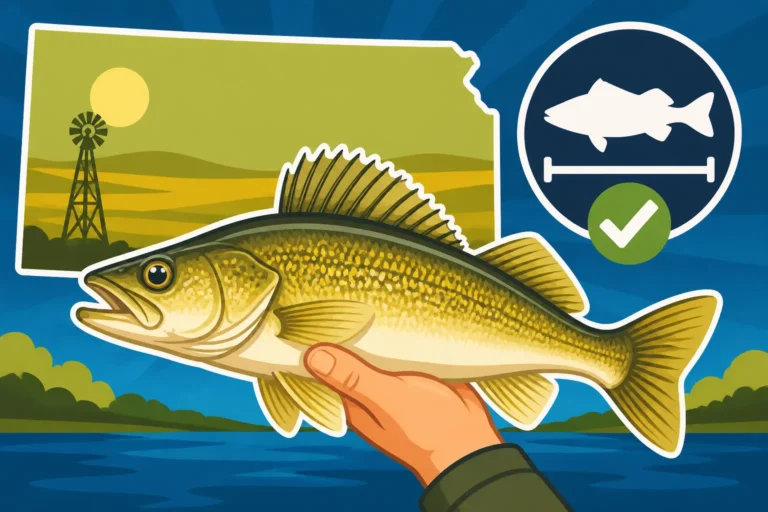
If there's one fish that consistently tops the "best eating" lists across North America, it's the walleye. And thankfully, Kansas has some fantastic walleye fisheries. Their meat is firm, snow-white, and boasts a uniquely delicate, almost sweet, and nutty flavor that truly stands out. It's incredibly flaky when cooked and almost entirely free of any strong "fishy" taste, making it a favorite for even the most discerning palates. Whether you pan-fry, bake, broil, or even poach it, walleye rarely disappoints. Many chefs consider it a premium freshwater fish, and catching your own fresh walleye from a Kansas lake like Milford or Cheney is a real treat. Proper care after the catch, including immediate bleeding and icing, will ensure that pristine flavor makes it to your plate. Our Kansas Walleye Fishing Guide has all the tips you need to catch these delicious fish.
White Bass and Wiper: Fight and Flavor
White bass, and their hybrid cousins, wipers (a cross between a white bass and a striped bass), offer an exciting combination of hard-fighting action and excellent table fare. These schooling fish can provide incredible action, and when prepared correctly, they are a delicious addition to any meal. Their meat is white and flaky, though it can have a slightly stronger flavor than walleye, especially if not handled well. The key with white bass and wipers is proper cleaning and removing the red meat along the lateral line (often called the "bloodline" or "mud vein") immediately after filleting. This reddish muscle tissue has a stronger, fishier flavor and can negatively impact the taste of your fillet. Once removed, you're left with clean, white meat that is excellent fried, grilled, or baked. They can be incredibly abundant during their spring runs, offering a fantastic opportunity for a freezer full of tasty fillets. To learn more about these hybrids, check out Kansas Hybrid Striped Bass Identification.
Largemouth and Smallmouth Bass: A Good Option
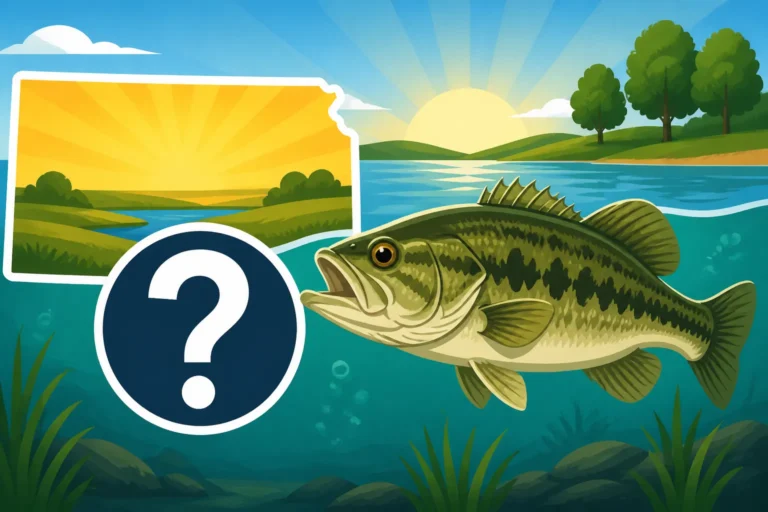
While perhaps not as universally lauded for the table as walleye or crappie, largemouth and smallmouth bass can certainly be delicious, especially smaller to medium-sized fish. The flavor tends to be a bit stronger and earthier than walleye or crappie, but their firm, white meat holds up well to various cooking methods. Many anglers describe it as a "clean" fishy taste. As with white bass, removing the skin and any red lateral line meat is a good practice to ensure the mildest flavor. These fish are fantastic pan-fried, grilled, or even blackened with bold seasonings. Some anglers prefer to release larger, older bass, believing their meat can become tougher and more strongly flavored, while focusing on keeping the smaller, younger ones for the pan.
Sometimes Overlooked, Still Delicious: Other Edible Species
Kansas waters are home to a wide array of fish, and while some are undeniable superstars for eating, a few others often get a bad rap or are simply overlooked. With the right handling and preparation, these species can surprise you with their culinary potential.
Freshwater Drum: The Underrated Gem
Freshwater drum, also known as sheepshead, are often seen as a trash fish by some anglers, but they are surprisingly good to eat! Their meat is firm, white, and has a mild flavor, especially when caught from clean, cold water. The common misconception likely stems from their somewhat unusual appearance and bottom-feeding habits, but don't let that deter you. Just like with white bass and wipers, it's crucial to fillet them properly and remove the red lateral line meat. Once that's done, you're left with a thick, flaky fillet that is excellent fried, baked, or even turned into fish patties. They offer a good amount of meat, making them a worthwhile target if you're looking to fill your cooler. Don't knock it 'til you try it! We’ve got more info on their unique characteristics in Freshwater Drum Body Shape and Markings.
Carp: A Culinary Challenge Worth Taking
Now, carp might be the most polarizing fish on this list. Many Midwestern anglers grew up hearing that carp are "muddy" or "inedible." However, this is largely a myth, especially for common carp caught from clean, flowing water or larger, cooler lakes. In many cultures around the world, carp is a prized food fish. The key to delicious carp is proper preparation. Smaller carp (under 5-7 pounds) generally taste best. The meat is firm and flaky, but it does have a network of small "Y-bones" that require a bit of finesse or specific filleting techniques (like scoring the fillets) to manage. Removing the "mud vein" along the lateral line is even more critical for carp than for white bass. When handled well, carp can be excellent smoked, baked, or even ground for fish patties. If you're adventurous, give a smaller carp from a clean lake a try; you might be pleasantly surprised! Curious about carp fishing? Check out Is Carp Fishing Popular in Kansas?.
Other Potential Table Fare
While not as commonly targeted for eating, other species like gar and even bullheads can be prepared for the table. Gar, with their tough, scaly hides, are a challenge to clean, but the meat along their backstraps is surprisingly white and firm, often described as similar to alligator meat when fried. Bullheads, a smaller cousin to the channel catfish, offer similar mild-flavored meat but in smaller quantities and with more effort to clean due to their smaller size and tough skin. These are often more for the adventurous or those looking to try something different.
Factors Affecting Fish Flavor and Essential Handling Tips
No matter which species you choose, the ultimate flavor of your catch is heavily influenced by a few key factors and how you handle the fish from the moment it leaves the water. Even the best-eating fish can be ruined by poor handling.
Water Quality and Diet
It's an undeniable truth: the cleaner the water a fish lives in, and the better its diet, the better it tends to taste. Fish from clear, cold water tend to have a milder, cleaner flavor compared to those from warm, muddy, or stagnant environments. While you can't control where a fish lives, choosing to fish in well-maintained lakes and reservoirs with good water quality will generally yield better-tasting fish. Similarly, a fish that primarily eats insects, crustaceans, or other fish will often have a better flavor profile than one that dines heavily on algae and bottom detritus.
Size Matters
Generally speaking, smaller to medium-sized fish within a species tend to have the best flavor and texture. Larger, older fish can sometimes develop a tougher texture or a stronger, more pronounced "fishy" or earthy flavor. For example, a 1-2 pound crappie is often preferred over a 3-pounder for eating, and a 3-5 pound channel cat is often more tender and mild than a 15-pound monster. This isn't a hard and fast rule, but it's a good guideline to consider when deciding which fish to keep for the table.
Immediate and Proper Handling is Crucial
This is perhaps the single most important factor in ensuring your fish tastes its best.
- Keep 'em Cold: As soon as a fish comes out of the water, its flesh begins to degrade. The best practice is to immediately place your catch on ice in a cooler. This dramatically slows down the process of spoilage and helps to firm up the meat. A good quality cooler from a brand you might find on Amazon can make a world of difference.
- Bleeding: For many species, especially walleye, white bass, and wipers, bleeding the fish immediately after catching can significantly improve the flavor by removing blood from the muscle tissue. A quick cut to the gills or throat and letting the fish bleed out in an ice-slurry will make a noticeable difference.
- Clean Quickly: Fillet and clean your fish as soon as possible after catching them. Don't let them sit for hours or even overnight without cleaning. Once filleted, rinse the fillets in cold water, pat them dry, and then get them refrigerated or frozen.
- Filleting for Flavor:
- Remove Skin: Most freshwater fish, especially those that might have a slightly stronger flavor, benefit from having their skin removed. The skin can often hold stronger flavors.
- Remove Red Meat: For species like white bass, wipers, and carp, carefully trim away the darker red meat that runs along the lateral line of the fillet. This "bloodline" often has the strongest, most fishy flavor.
- Bones: For some species, like crappie, it's relatively easy to get boneless fillets. For others, like carp, you might need to learn specific techniques to deal with the Y-bones. Knowing How to Fillet a Crappie or How to Fillet a Channel Catfish can make all the difference.
Storage and Freezing
Once cleaned, fresh fillets should be cooked within a day or two for the best flavor. If you plan to store them longer, freezing is your best option.
- Vacuum Sealing: This is hands-down the best method for freezing fish. A vacuum sealer removes all air, preventing freezer burn and keeping your fish fresh for much longer, sometimes up to a year or more. You can find excellent vacuum sealers and bags on Amazon.
- Water Freezing: If you don't have a vacuum sealer, you can place fillets in a freezer bag, cover them completely with water, and then freeze. The ice block protects the fish from air exposure, preventing freezer burn.
| Fish Species | Typical Flavor Profile | Texture | Best Cooking Methods | Notes |
|---|---|---|---|---|
| Walleye | Delicate, sweet, mild, slightly nutty | Flaky, firm | Pan-fry, bake, broil, poach, grill | Top tier, minimal "fishy" taste |
| Crappie | Very mild, sweet | Delicate, flaky | Pan-fry, deep-fry, bake, fish tacos | Excellent for all palates, especially kids |
| Channel Catfish | Mild, slightly sweet | Firm, flaky | Fried (cornmeal), grilled, baked, stew | Classic Kansas eating fish |
| White Bass / Wiper | Mild to moderately fishy (clean) | Firm, flaky | Fried, grilled, bake, blackened | Remove red lateral line meat for best flavor |
| Bluegill / Redear | Clean, sweet | Firm, flaky | Pan-fry, deep-fry, grilled whole | Small but delicious, great for a "mess of fish" |
| Largemouth / Smallmouth Bass | Earthy, clean, slightly stronger | Firm, flaky | Fried, grilled, blackened, bake | Best from smaller fish, remove red meat |
| Freshwater Drum | Mild, clean | Firm, thick | Fried, baked, fish cakes | Underrated, remove red lateral line meat |
| Carp | Earthy, distinct (can be sweet) | Firm, flaky | Smoked, baked, ground for patties, deep-fried (scored) | Requires careful cleaning (Y-bones, mud vein) |
Ultimately, the "best" eating fish often comes down to personal preference, but by focusing on these highly regarded species and implementing proper handling techniques, you're sure to enjoy many delicious meals from your Kansas fishing adventures.
Disclaimer
This article is for general informational purposes only and does not constitute professional advice. Laws, prices and regulations vary by location and change over time. Consult a qualified professional for guidance on your specific situation.