Kansas Carp Fishing Facts
For many anglers in Kansas, the idea of targeting carp might bring a shrug, or even a bit of disdain, often overshadowed by the pursuit of walleye, bass, or catfish. But that's a real shame, because these powerful, intelligent fish offer an incredible angling challenge and can be found in nearly every waterbody across our beautiful state. If you've ever wondered about the truth behind carp fishing in Kansas, from identifying the different types to mastering the techniques, you've come to the right place. This guide will dive deep into everything you need to know to appreciate and successfully fish for carp.
Understanding the Different Carp Species in Kansas Waters
When we talk about "carp" in Kansas, it's not a one-size-fits-all discussion. There are several species that call our rivers and lakes home, and knowing the differences is key to understanding their behavior, legal status, and even their fight. Some are classic sport fish, while others are considered invasive nuisances that dramatically impact our aquatic ecosystems.
The Common Carp (Cyprinus carpio)
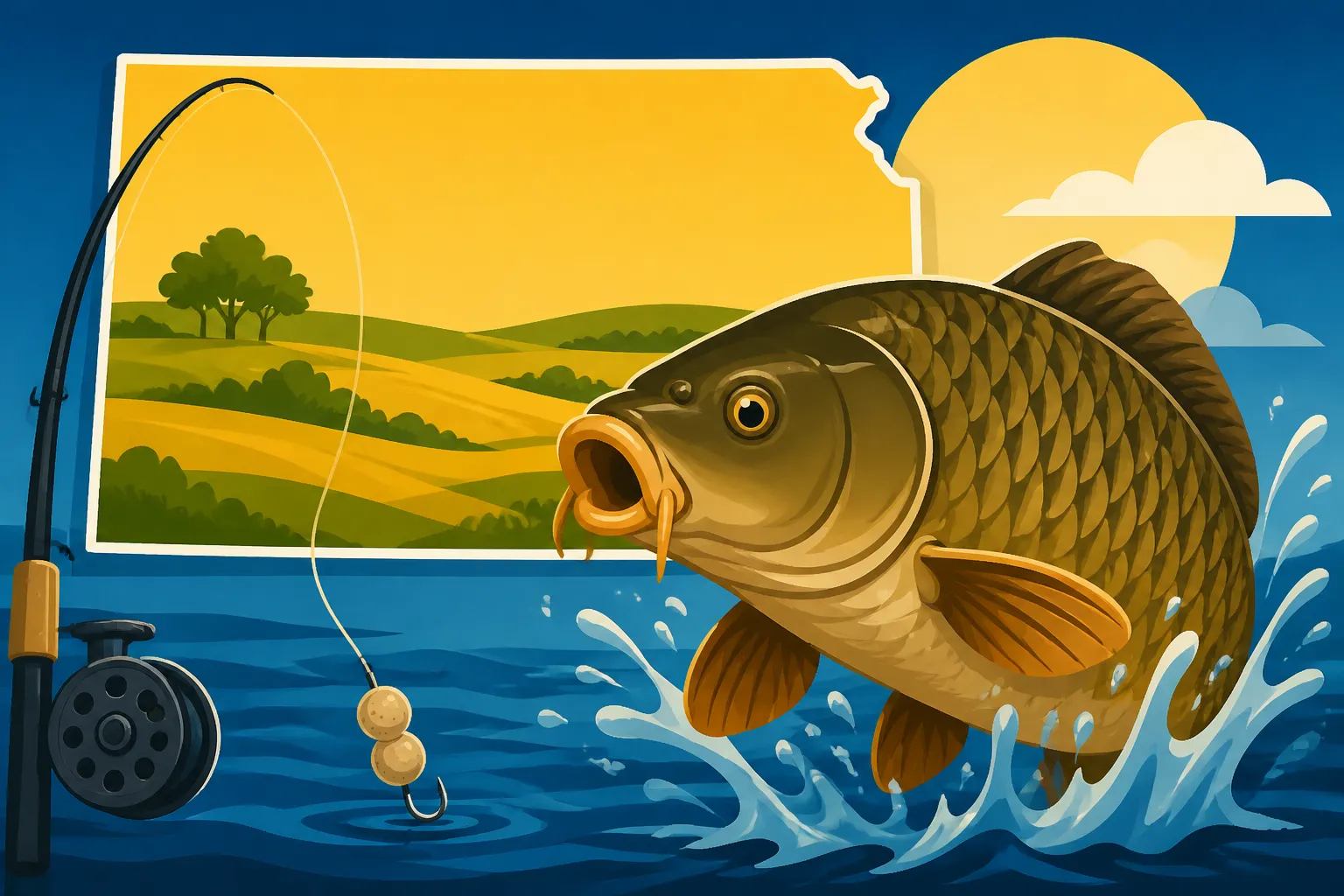
Ah, the common carp! This is often the first fish that comes to mind when someone mentions "carp." These aren't native to North America, but they've been here for over a century, introduced from Europe and Asia. They've adapted incredibly well to almost all our waters, from murky rivers to clear reservoirs, and you'll find them almost everywhere in Kansas. They are characterized by their large, golden-bronze scales, deep body, and two pairs of barbels (whiskers) around their mouth.
Common carp are bottom feeders, constantly rooting around in the mud and silt for insects, crustaceans, and plant matter. This feeding habit is precisely why they're often blamed for stirring up lake bottoms and contributing to murkiness, though their actual impact is often overstated compared to other factors. What many anglers overlook is the incredible fight a big common carp can put up. These fish grow to impressive sizes, with specimens over 20 pounds being common and some pushing 40 pounds or more in Kansas. Hooking into one of these giants on appropriate tackle is an experience akin to battling a small locomotive, making them a fantastic sport fish for those willing to give them a chance. They are truly the unsung heroes of many local fishing spots, offering accessible, hard-fighting action.
Grass Carp (Ctenopharyngodon idella)
Grass carp are a very different beast from their common carp cousins. These fish were initially introduced as a biological control for aquatic vegetation, and they do a fantastic job of it. Unlike common carp, which are omnivores, grass carp are strictly herbivorous, meaning they primarily eat plants. They have a more elongated, torpedo-shaped body and lack the distinct barbels that common carp possess. Their coloration can range from silvery to olive green, often blending in with their vegetated surroundings.
The key thing to know about grass carp in Kansas is that they are generally triploid, meaning they have three sets of chromosomes instead of the usual two, rendering them sterile. This is a controlled measure to prevent them from reproducing and potentially becoming an invasive problem themselves. You'll often find these fish in lakes and ponds where aquatic weeds are a known issue. Catching a grass carp can be tricky, as they primarily eat vegetation, though they can be enticed by dough balls, corn, or even artificial flies mimicking plant matter. They grow large and strong, offering another formidable fight for anglers.
Asian Carp: Bighead (Hypophthalmichthys nobilis) and Silver Carp (Hypophthalmichthys molitrix)
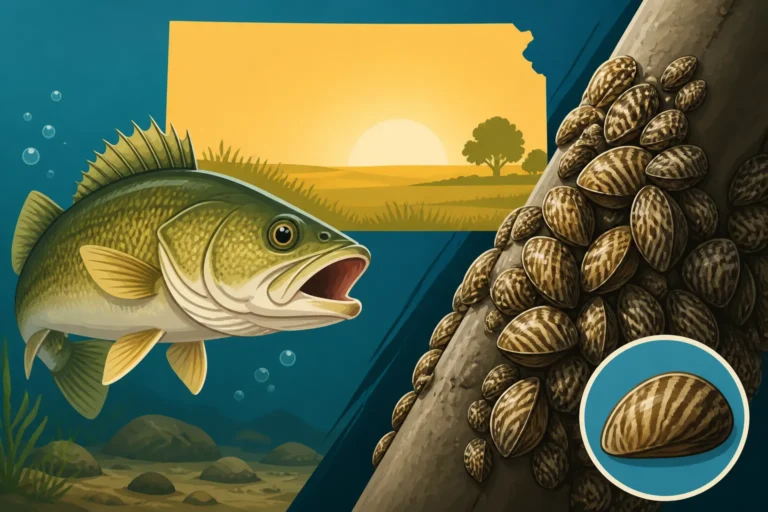
Now, here's where the carp discussion often takes a more serious turn. Bighead and silver carp, collectively known as Asian carp, are considered highly invasive species in Kansas and throughout the Mississippi River basin. They were originally brought to the U.S. for aquaculture and to control algae in wastewater treatment plants and aquaculture ponds, but they escaped into open waters. These fish are filter feeders, meaning they strain plankton directly from the water column, competing directly with native species like paddlefish, gizzard shad, and even larval game fish for their food source.
Silver carp are particularly infamous for their tendency to leap violently out of the water when startled by boat noise, posing a significant hazard to boaters and anglers. Bighead carp, while less prone to jumping, also grow to massive sizes and consume vast quantities of plankton. Both species lack the barbels of common carp and have eyes set low on their heads. They can be found in many of Kansas's larger river systems, including the Kansas River and its tributaries. The message from wildlife agencies is clear: if you catch one of these, do not release it. Removing them helps reduce their impact on native fish populations. You can learn more about the broader issue of these problematic fish by reading our guide on Kansas Invasive Fish Species.
| Carp Species | Key Characteristics | Primary Diet | Invasive Status in Kansas | Angling Appeal |
|---|---|---|---|---|
| Common Carp | Large scales, deep body, 2 pairs of barbels | Omnivorous (bottom) | Established, widespread | Excellent sport fish, strong fighters |
| Grass Carp | Torpedo shape, no barbels, often sterile | Herbivorous (plants) | Managed introduction | Challenging to catch, powerful fight |
| Bighead Carp | Large head, low-set eyes, no barbels | Filter feeder (plankton) | Highly Invasive | Can be snagged, not typically rod-and-reel |
| Silver Carp | Small head, low-set eyes, no barbels, jump when startled | Filter feeder (plankton) | Highly Invasive | Jumps violently, dangerous, not rod-and-reel |
Where to Find Carp in Kansas: A Tour of Their Habitats
One of the greatest advantages of carp fishing in Kansas is their sheer ubiquity. These fish are incredibly adaptable and can thrive in a wide array of aquatic environments. You don't need fancy boats or specialized equipment to find them; often, they're right under your nose. Knowing their preferred haunts can significantly increase your chances of a successful outing.
The Mighty Rivers and Their Tributaries
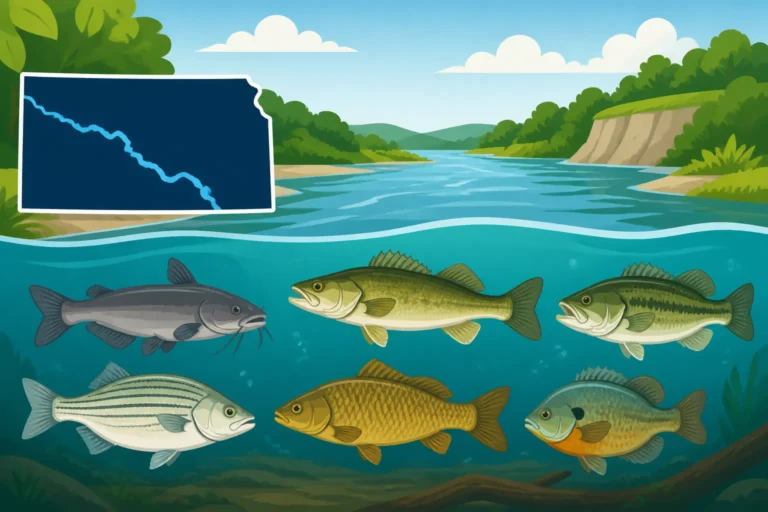
Kansas rivers, especially the larger systems like the Kansas River, the Arkansas River, and the Marais des Cygnes River, are prime habitat for all species of carp. The slow, meandering sections with soft bottoms and plenty of submerged structure are particularly attractive to common carp. They’ll congregate in deeper holes, around fallen trees, and along current breaks where food washes past. During flood stages or after heavy rains, they might move into flooded fields or calmer backwaters to feed on newly available insects and organic matter.
Asian carp, particularly Bighead and Silver Carp, are also prevalent in these larger rivers. They prefer the open water where they can efficiently filter plankton. While you might not target them with traditional rod-and-reel methods, you'll certainly encounter them, especially the silver carp putting on a jumping spectacle if you're boating. Fishing the confluence of smaller tributaries with the main river can also be incredibly productive, as these areas often concentrate food and provide varied habitat. Check out our comprehensive Kansas River Fishing Guide for more insights into river angling.
Vast Reservoirs and State Fishing Lakes
Kansas is dotted with numerous reservoirs, from giants like Milford Lake to smaller, local impoundments. Common carp thrive in nearly all of them. Look for them in the shallower, warmer coves, especially those with muddy or silty bottoms and sparse vegetation. Points, humps, and submerged creek channels are also excellent places to find them, particularly during the warmer months. Carp will often patrol these areas, rooting for food. They love gradual sloping banks, areas near boat ramps where spilled bait might accumulate, and any spot where natural feed collects.
Our state fishing lakes, which are generally smaller and more intensively managed, also hold healthy populations of common and sometimes grass carp. These lakes often have designated fishing piers or accessible banks, making them fantastic for a relaxing day of carp fishing. When targeting these waters, pay attention to any visible feeding activity like bubbling on the surface or mud trails, which indicate carp are actively grubbing on the bottom. Our Kansas State Fishing Lakes Guide and Kansas Community Fishing Lake Rules offer more details on specific spots to explore.
Private Ponds and Community Fishing Spots
Don't overlook the abundance of private farm ponds and public community fishing ponds. While private ponds require landowner permission, they can hold some truly monstrous common and grass carp, often with less fishing pressure. Community fishing ponds, often found within city parks, are easily accessible and frequently stocked. Carp in these environments can become quite accustomed to human activity, sometimes making them easier to approach but also very wary of unnatural presentations.
In these smaller, often shallower waters, carp will relate to any available cover: lily pads, cattails, fallen logs, or even deeper sections near aerators. Their presence in community ponds means they are an excellent target for beginners or families, as they offer consistent action and a chance at a substantial fish without needing to travel far. Just remember that smaller ponds can warm up quickly in summer, pushing carp into deeper, cooler water during the day, so early mornings or evenings might be more productive.
Effective Carp Fishing Techniques and Baits in Kansas
Carp fishing isn't just about throwing a worm in the water and hoping for the best – though sometimes that works! These fish are intelligent and can be surprisingly finicky, making the pursuit of them a truly engaging challenge. Successful carp anglers employ a range of techniques and baits, often adjusting to the specific conditions and the carp's mood.
Classic Bottom Fishing Rigs
The most common and often most effective method for common carp is bottom fishing. Since carp spend most of their time feeding on the bottom, presenting your bait right in their feeding zone makes perfect sense. A basic Carolina rig or a hair rig is ideal. The Carolina rig involves a sliding sinker above a swivel, with a leader (6-12 inches) tied to a hook. This allows the fish to pick up the bait and move off without immediately feeling the weight of the sinker, leading to more confident bites.
For a truly specialized approach, many serious carp anglers use hair rigs. This method involves tying the bait (like a corn kernel, boilie, or pellet) to a "hair" (a short piece of line) that dangles just off the back of the hook. When the carp inhales the bait, the hook is free to catch in its lip. This setup is incredibly effective because the carp doesn't feel the hook until it's too late. When using these rigs, a sensitive rod tip or electronic bite alarm can be invaluable for detecting those subtle carp "runs" or taps. You can find a good selection of specialized carp hooks and lines on Amazon if your local tackle shop doesn't carry them.
Float Fishing and Surface Baits
While bottom fishing is king, don't underestimate float fishing, especially in shallower waters or around structure. A waggler or slip float allows you to present bait at a specific depth, hovering just above weeds or a muddy bottom where carp might be cruising. This method can be particularly effective for grass carp if you manage to find their preferred feeding depth within a weed bed.
For a truly exciting experience, try surface fishing for carp on a warm, calm day. Carp will often take floating baits like bread crusts, dog biscuits, or even specially formulated carp pellets from the surface. This requires stealth and patience, as carp can be incredibly wary of anything unnatural on the surface. Casting a small piece of bread on a light line and watching a big carp slowly approach and slurp it down is an absolute thrill. This tactic works best in clear water where you can actually see the fish react to your offering.
Fly Fishing for Carp
Yes, you read that right! Fly fishing for carp is a growing trend and an incredibly rewarding challenge. Imagine stalking a 20-pound fish in shallow water with a fly rod – it's like freshwater bonefishing. Carp on the fly can be targeted with various patterns, from small nymphs and scuds that imitate their natural food sources on the bottom, to bread flies or even large "ugly" flies that mimic terrestrial insects on the surface.
This technique demands keen eyesight, a slow and deliberate approach, and accurate casting. Carp spook easily in shallow water, so presentation is everything. A 6-8 weight fly rod with a strong leader is usually sufficient. Targeting common carp in the shallows of reservoirs or the calmer sections of rivers during the warmer months offers the best opportunities. It’s a completely different angling experience that pushes your skills and offers an immense sense of accomplishment.
Baits: From Natural Delights to Prepared Masterpieces
Carp are opportunistic feeders, meaning they'll eat a wide variety of things, which gives anglers a lot of options when it comes to bait.
Natural Baits
- Corn: Sweet corn is perhaps the most iconic and universally effective carp bait. It's cheap, easy to use, and carp absolutely love it. You can fish individual kernels on a hook or create a "corn pile" by scattering a few handfuls around your rig to attract fish.
- Worms: Earthworms, especially nightcrawlers, are another excellent natural bait. They appeal to a carp's omnivorous nature and can often attract other species too, like catfish.
- Crawfish: Small crawfish or pieces of larger ones can be incredibly effective, especially in waters where crawfish are a natural food source for carp.
- Boilies: These are perhaps the most famous specialized carp baits, originating from Europe. Boilies are essentially hardened dough balls, often flavored with everything from fruit to fishmeal. They are designed to be "hair-rigged" and are tough enough to deter smaller nuisance fish. Many anglers mix their own boilies or buy them pre-made. You can find starter kits for boilie making or pre-made options on Amazon.
Prepared Baits
- Dough Balls: A simple mixture of flour, water, and sometimes cornmeal or flavorings can make a highly effective dough bait. Some anglers add garlic, vanilla extract, or even Kool-Aid powder for an extra kick.
- Bread: Simple bread, rolled into a ball or fished as a crust, is an old classic that still works wonders, especially for surface feeding carp.
- Pack Baits: This involves forming a ball of chum (often made from oats, corn, and other binders) around your hookbait. The chum slowly breaks down, creating an enticing cloud of scent and food particles, leaving your hookbait as the prime target.
- Dog Biscuits/Cat Food: Believe it or not, floating dog biscuits or softened cat food pellets can be irresistible to carp, especially on the surface.
While carp are not usually predatory in the same way walleye or bass are, they will occasionally hit small lures or jigs intended for other species, especially if those lures mimic insect larvae or small invertebrates. For more general bait ideas, our guide on Best Bait for Kansas Catfish might offer some crossover inspiration, as both species are bottom feeders with diverse diets.
Carp Fishing Seasons and Best Times in Kansas
Understanding when and what time of day carp are most active can drastically improve your fishing success. While carp can be caught year-round in Kansas, certain seasons and periods offer prime opportunities due to their biology and feeding habits. Knowing this can help you plan your trips around the Kansas Fishing Seasons Guide.
The Energizing Spring Bite
Spring is arguably the best time to target common carp in Kansas. As water temperatures begin to rise from their winter lows (typically into the 50s and 60s Fahrenheit), carp become incredibly active. They are looking to replenish energy stores after the colder months and prepare for spawning. This is when you'll often find them moving into shallower areas, coves, and warmer backwaters where they can find abundant food and sunlight.
During the pre-spawn period, carp are often feeding aggressively, making them easier to catch. Once the spawn actually begins, they might become less interested in feeding and more focused on reproduction. Look for signs of spawning, such as splashing in shallow areas or carp rubbing against submerged logs and rocks. While you can catch them during the spawn, targeting them before or after this intense period is generally more productive. River fishing can also be excellent in spring, as warming waters trigger feeding in slower sections.
The Dynamic Summer Months
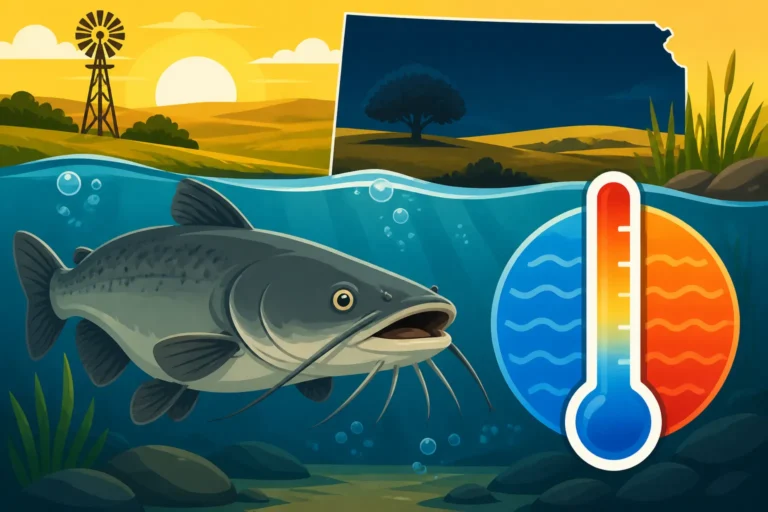
Summer in Kansas brings hot weather, and while carp are warm-water fish, extreme heat can make them lethargic during the brightest parts of the day. However, summer still offers fantastic opportunities, especially during the early mornings, late evenings, and even into the night. As water temperatures soar, carp will often seek deeper, cooler water or shade during the day.
Night fishing for carp in summer can be incredibly productive. As the sun sets and the air cools, carp will move into shallower areas to feed under the cover of darkness. This is a prime time for heavy bottom rigs with smelly baits. During the day, focus on deeper drop-offs, shaded areas under overhanging trees, or anywhere there's a slight current providing cooler, oxygenated water. Grass carp can be particularly active in summer as aquatic vegetation is at its peak.
The Abundant Fall Feast
As temperatures start to drop in the fall, carp enter a "feeding frenzy" phase, similar to many other game fish. They are trying to pack on weight for the upcoming winter, making them very eager to bite. The cooler water temperatures also mean they can be active throughout the day, not just during low-light hours.
Look for them in similar locations as spring – shallower flats, coves, and creek channels – as they will still be seeking out warmer water before the deep chill sets in. This season offers consistent action and a great chance at catching some of the heaviest carp of the year. Both rivers and reservoirs can be highly productive in fall, as carp capitalize on the last abundant food sources before winter.
Winter: The Slow But Steady Challenge
While not the prime season, carp can still be caught in Kansas during the winter months, especially in impoundments where the water doesn't freeze solid or in the deeper sections of rivers. Their metabolism slows down considerably in cold water, so bites will be much more subtle and less frequent.
Winter carp fishing requires patience and a delicate presentation. Look for carp in the deepest, most stable water available, often congregating in large schools. They'll be lethargic, so slow-moving baits like single kernels of corn or small dough balls presented on a hair rig can be effective. If ice fishing is an option, carp can sometimes be caught through the ice, though they are not typically a primary target for most ice anglers. If you're out there, just be sure to review our Kansas Ice Fishing Guide for safety and specific techniques.
Best Time of Day
Generally, carp are most active during low-light conditions – dawn, dusk, and throughout the night. This is especially true during the hot summer months when they avoid the midday sun. In spring and fall, they might be active all day, particularly on overcast days or when water temperatures are optimal. During peak heat or cold, adjusting your fishing hours to when they are most likely to be comfortable and feeding will yield the best results.
Regulations and Management of Carp in Kansas
While common carp are widely distributed and generally not subject to strict regulations, understanding the rules, especially concerning invasive species, is crucial for responsible angling in Kansas. Kansas Fishing Regulations Explained is an excellent resource for all species, but here's a specific look at carp.
Legal Status and Catch Limits
For common carp, the rules are generally quite liberal. Most Kansas public waters do not have specific length or creel limits for common carp. This means you can keep as many as you wish, though many anglers practice catch-and-release, especially for the larger, older fish that provide the best fight. There are no closed seasons for common carp either; they are available to catch year-round. This makes them an excellent target for consistent action when other species might be less cooperative.
Grass carp, when caught, are typically managed as part of vegetation control programs. If you catch a grass carp in a body of water where they have been specifically stocked for weed control, it is generally recommended to release them, unless local regulations specify otherwise. Always check the specific regulations for the waterbody you are fishing, as some highly managed lakes might have unique rules.
The Urgent Case of Invasive Asian Carp
The most important regulatory aspect for carp in Kansas concerns Bighead and Silver Carp. These are considered noxious, invasive species, and the standing recommendation from the Kansas Department of Wildlife and Parks (KDWP) is clear: do not release them if caught. Anglers are encouraged to remove them from the water. This is a critical effort to protect native fish populations and preserve the ecosystem balance in Kansas waterways.
While you might not specifically target Bighead or Silver Carp with traditional rod-and-reel methods (they are filter feeders, making them difficult to catch this way), they can sometimes be snagged accidentally, especially during high water events or when concentrated. If you do snag one, please take the initiative to remove it. This active participation from anglers is vital in the ongoing fight against these disruptive invaders. Ignorance of the rules, particularly regarding invasive species, can lead to Kansas Fishing Law Enforcement and Penalties.
Management Efforts and Conservation
The KDWP, along with other agencies, actively manages and monitors carp populations, especially the invasive Asian carp. Efforts include educational campaigns for anglers, commercial fishing programs aimed at reducing Asian carp numbers, and ongoing research into control methods. For common carp, management often focuses on maintaining healthy populations for sport fishing, ensuring their presence doesn't negatively impact other species too severely.
Conservation in carp fishing often involves thoughtful catch-and-release practices for large common carp, ensuring these magnificent fighters can continue to challenge future generations of anglers. Using appropriate gear to land fish quickly, using a landing net, and handling them gently while unhooking are all part of responsible carp angling. While they might not be native, common carp have earned their place as a formidable sport fish in Kansas, and respectful handling ensures their sustainability.
The Culinary Aspect and Perception of Carp
Carp often get a bad rap when it comes to table fare, largely due to misconceptions and perhaps some less-than-ideal preparation methods. However, with the right approach, carp can be a surprisingly delicious and sustainable food source, especially in Kansas where they are so abundant.
Debunking the Myths: Why Carp Can Taste Good
The biggest myth surrounding carp is that they are inherently "muddy" or "fishy" tasting. While carp from stagnant, muddy water can have an off-flavor, fresh carp caught from clean, flowing rivers or cool, clear reservoirs are often quite palatable. The taste of any fish is heavily influenced by its environment and diet. A carp from a clean, rocky river will likely taste much better than one from a shallow, warm, muddy pond.
Another factor is their diet. Common carp are omnivores, and their diet of insects and plant matter can actually give them a clean, earthy flavor. The key is proper handling and preparation immediately after catch. Bleeding the fish immediately and getting it on ice can make a significant difference in its final taste and texture. Our article, Are Carp Good to Eat in Kansas?, delves deeper into this topic and offers more specific advice.
Preparation Tips for a Delicious Meal
If you decide to keep a carp for the table, here are a few tips to maximize its potential:
- Bleed and Ice Immediately: As soon as you catch the fish, cut its gills to bleed it out and place it on ice. This significantly improves flavor.
- Filleting and Skinning: Carp can be bony, so filleting them correctly is crucial. Many experienced carp eaters advocate for removing the "mud line" (a strip of darker meat along the lateral line) as this can contribute to stronger flavors. Skinning the fish also helps, as many off-flavors can reside in the skin and fatty layers.
- Scoring the Fillet: For common carp, a common technique is "scoring" the fillet. Make shallow cuts every 1/8 to 1/4 inch across the fillet. This helps to break down the small, Y-shaped intramuscular bones (often called "pin bones") during cooking, rendering them unnoticeable.
- Cooking Methods: Carp is a versatile fish in the kitchen.
- Frying: Fried carp fillets are a classic, especially when coated in a seasoned cornmeal or breading. The scoring method makes fried carp particularly enjoyable.
- Smoking: Smoked carp is a delicacy for many. The smoking process imparts a rich flavor and helps to tenderize the meat.
- Baking/Grilling: Carp can be baked or grilled, often marinated with acidic ingredients like lemon juice or vinegar, which also help to tenderize the flesh and cut any residual "fishiness."
Carp as a Sustainable and Accessible Protein
Beyond the sport and the taste, carp represent a highly sustainable and accessible protein source for Kansas families. They are incredibly abundant, reproduce prolifically, and are often underfished compared to other species. For families looking to put fresh fish on the table without breaking the bank or contributing to overfishing of other species, carp offer a fantastic option.
Embracing carp fishing and consumption also aligns with the broader goal of responsible resource management. By selectively harvesting common carp, particularly from overpopulated areas, anglers can enjoy a great meal while potentially helping to balance the ecosystem. For the truly invasive Asian carp, removal is always the best option for the health of our waterways. So next time you're out fishing in Kansas, consider giving the humble carp a second look – you might just discover a new favorite.
Disclaimer
This article is for general informational purposes only and does not constitute professional advice. Laws, prices and regulations vary by location and change over time. Consult a qualified professional for guidance on your specific situation.