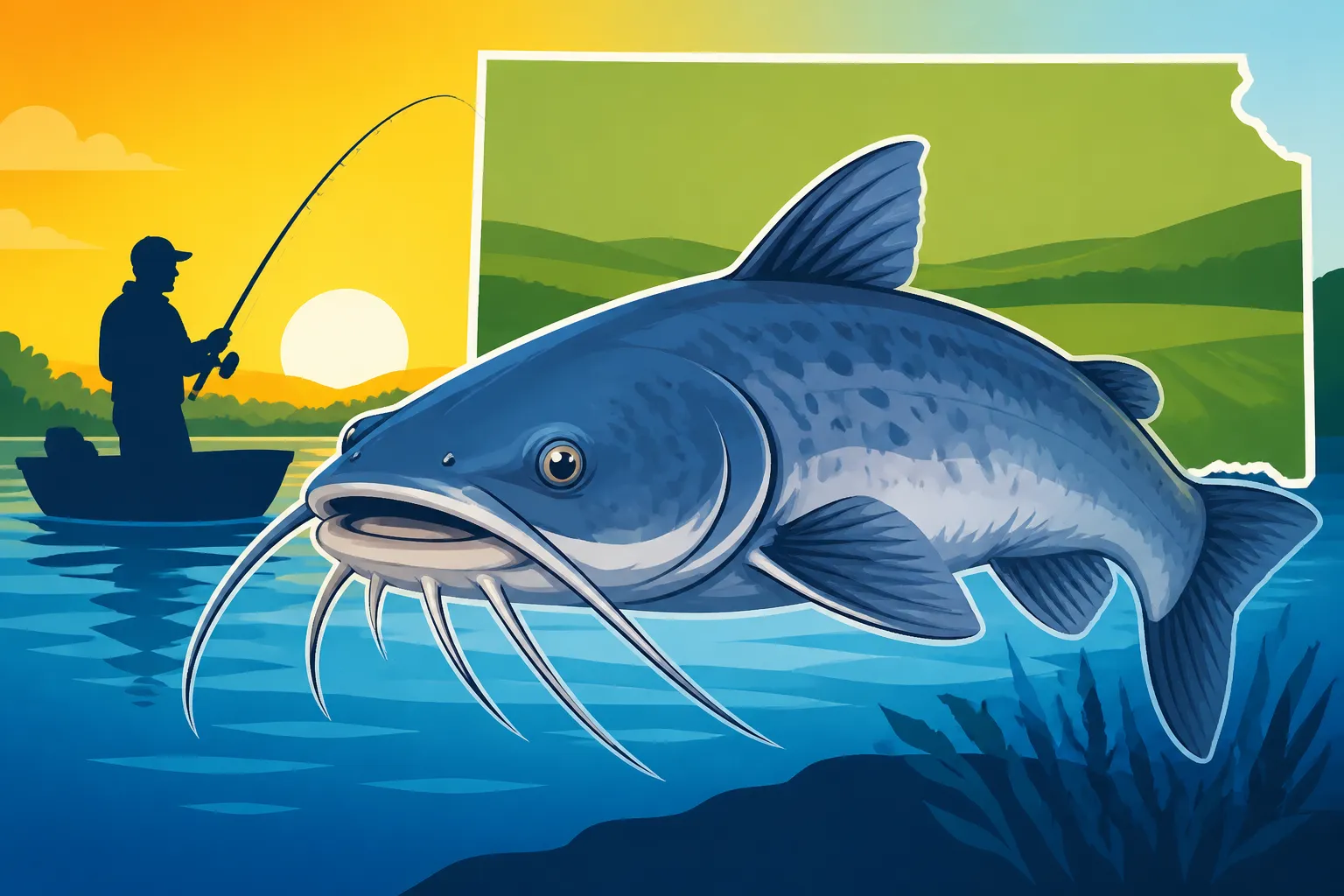
Blue Catfish Lifespan Lakes
If you've ever hauled in a magnificent blue catfish from one of Kansas's sprawling reservoirs, you've probably felt that surge of awe and respect. These incredible fish are powerful, often massive, and truly represent a pinnacle of freshwater angling. But amidst the excitement, have you ever paused to wonder just how old that particular whiskered warrior might be? It's a question many of us ponder, especially with the truly monumental catches. Understanding the lifespan of blue catfish in Kansas lakes isn't just a matter of curiosity; it offers fascinating insights into their biology, the health of our fisheries, and how we, as anglers, can contribute to sustainable populations. This guide dives deep into what makes these majestic creatures tick, how long they live, and what factors in our Kansas waters play a role.
Understanding Blue Catfish Growth and Longevity
The blue catfish (Ictalurus furcatus) is a remarkable species, renowned for its potential to reach immense sizes and impressive ages. Unlike some fish that have relatively short, explosive lifecycles, blue catfish are in it for the long haul. Their longevity is a testament to their resilience and adaptability, especially in varied environments like the diverse lakes and rivers of Kansas.
What Impacts a Blue Catfish's Age?
Several biological factors contribute to how long a blue catfish can live. First and foremost, their growth rate is a huge indicator. In a rich environment with abundant food, a blue cat can grow quite rapidly, potentially reaching larger sizes quicker. This rapid initial growth can sometimes translate to a longer life, as they quickly grow out of the "prey" size for many predators. However, growth isn't always linear. Once they hit a certain size, their growth might slow down considerably, with energy shifting more towards reproduction and simply maintaining their large bodies.
Their slow metabolism, especially in colder months, also contributes to their long lives. They aren't constantly expending vast amounts of energy like some highly active predatory fish. This conservative energy use means less wear and tear on their bodies over time. Think of it like a marathon runner pacing themselves rather than a sprinter burning out quickly. Plus, their impressive size as adults means they have very few natural predators, allowing them to continue growing and aging without constant threat.
Average Lifespan Expectations in Kansas Waters
While blue catfish can live a long time, their actual lifespan in Kansas lakes will vary. Generally, you can expect a healthy blue catfish in a well-managed Kansas reservoir to live anywhere from 10 to 20 years. However, trophy-sized fish, those true giants that capture our imaginations, can often be 25, 30, or even 40 years old! Imagine a fish that has been swimming in Milford Lake since before you even picked up a fishing rod – it’s a humbling thought. These exceptional individuals are rare, but they highlight the incredible potential for longevity within the species.
The specific lake or river system plays a significant role. A lake with a stable food supply, good water quality, and balanced fishing pressure is more likely to produce older, larger blue cats. Conversely, environments with fluctuating conditions, limited food, or intense fishing pressure might see blue cats with slightly shorter average lifespans, even if they still grow to respectable sizes. It's a delicate balance that fishery managers constantly work to maintain, aiming for robust and long-lived populations. If you want to dive deeper into the specific limits for these fish, check out Kansas Catfish Daily Limits.
Factors Influencing Blue Catfish Lifespan in Kansas Lakes
The environment is a powerful sculptor of life, and for blue catfish in Kansas, numerous factors within their aquatic homes dictate their potential lifespan. It's not just about good genes; it's about good living conditions, or lack thereof.
Environmental Conditions and Water Quality
Just like us, blue catfish thrive in healthy environments. Water quality is paramount. Lakes with stable temperatures, appropriate oxygen levels, and minimal pollution are crucial for their long-term health. While blue cats are notoriously hardy and can tolerate a range of conditions, prolonged stress from poor water quality takes its toll, potentially shortening their lives. For instance, extremely high summer temperatures combined with low oxygen levels in shallower areas can stress fish, making them more susceptible to disease or impacting their feeding habits.
The overall health of the aquatic ecosystem directly affects them. A balanced food web, healthy aquatic vegetation in some areas, and suitable bottom structure all contribute to a blue cat's ability to find food, shelter, and thrive. Think of Kansas's larger impoundments like Milford Lake or Cheney Reservoir; these vast bodies of water often provide the space and resources for blue catfish to grow large and old, thanks to relatively stable conditions and abundant prey.
Food Availability and Diet Quality
A blue catfish is an opportunistic omnivore, but a consistent and high-quality food source is critical for sustaining their growth and promoting longevity. Young blue cats feast on insects, crustaceans, and smaller fish, while adults shift to a diet largely composed of other fish, mussels, and crayfish. A lake teeming with shad or other forage fish means more energy for growth and maintenance, directly impacting how long a blue cat can live. Lakes with strong gizzard shad populations, for example, often produce larger, faster-growing, and ultimately older blue catfish.
When food is scarce, blue cats grow slower, are less robust, and may not reach their full potential lifespan. They might also expend more energy foraging, which can put stress on their systems over time. It's a domino effect: good forage leads to healthy growth, which leads to better resistance to disease and a greater chance of reaching a venerable age. Understanding what these fish eat in different environments can even help you target them, so consider reading What Blue Catfish Eat Lakes.
Fishing Pressure and Regulations
Anglers, ourselves included, play a significant role in the lifespan of blue catfish populations. High fishing pressure, especially when combined with a tendency to harvest large, older fish, can impact the average age and size structure of a fishery. Removing these older, trophy-sized fish means that fewer individuals live to their maximum potential lifespan. This isn't necessarily bad for the overall health of a population, as it can sometimes promote faster growth among younger fish by reducing competition.
However, unchecked harvest of large fish can reduce the presence of those truly ancient, massive specimens that add so much prestige to a fishery. That's why states like Kansas implement specific fishing regulations, including length and creel limits, for various species. These rules are designed to balance angler opportunities with the long-term health and sustainability of the fish population. For instance, slot limits or reduced bag limits on larger catfish are often implemented to protect trophy genetics and allow more fish to reach older ages. You can find comprehensive details about these measures in Kansas Fishing Regulations Explained. This responsible management helps ensure that future generations can still experience the thrill of catching a true Kansas leviathan.
Estimating the Age of Your Blue Catfish Catch
So, you've landed a personal best blue cat, and you're thinking, "Wow, how old is this thing?" While you can't just ask them (wouldn't that be something!), there are methods that biologists use to determine the age of a fish. For the average angler, it's more about educated guesses based on size, but understanding the science behind it is pretty cool.
Scientific Methods of Age Determination
Fish biologists primarily use structures called otoliths (ear bones) or fin rays to determine a fish's age. These structures, much like tree rings, lay down annual growth rings. When sliced thin and viewed under a microscope, these rings, called annuli, can be counted to reveal the fish's age. Otoliths are generally more reliable for long-lived species like blue catfish. However, collecting these requires sacrificing the fish, which isn't practical or desirable for every catch, especially a prized trophy.
Another method involves looking at pectoral fin spines. These can also be cross-sectioned and rings counted. This method is less invasive, as the fin spine can be removed without causing significant harm to a released fish, allowing for live release after sampling. It's an incredible tool for researchers to gather data on the age structure of a population without impacting individual fish.
Estimating Age by Size and Weight
For recreational anglers, estimating age usually comes down to correlating size and weight with known growth rates for blue catfish in Kansas. While not an exact science, it provides a reasonable estimate. A typical 5-pound blue catfish might be around 3-5 years old, a 20-pounder could be 8-12 years old, and a 50-pound giant could easily be 15-25 years old or even older. These are rough estimates, of course, as growth rates vary widely between individual fish and different bodies of water.
To help visualize this, consider the following table which provides a general idea of age-to-weight correlation for blue catfish in favorable Kansas environments. Keep in mind, these are averages and actual results may differ.
| Weight Range (lbs) | Estimated Age Range (Years) | Notes on Growth |
|---|---|---|
| 1-5 | 2-5 | Rapid early growth |
| 5-15 | 5-8 | Good growth, entering maturity |
| 15-30 | 8-15 | Solid adult size |
| 30-50 | 15-25 | Large, mature fish |
| 50+ | 25+ | Trophy class, very old individuals |
If you're really serious about documenting your catch, a good quality measuring tape and a certified scale (many are available on Amazon if you're looking to upgrade your gear) are your best friends. Accurately measuring length and weight allows you to compare your catch to state records or known growth charts, giving you a better idea of its relative age and how it stacks up against other fish.
Catch and Release Considerations for Older Fish
Catching an older, larger blue catfish is an incredible experience. If you decide to release these magnificent fish, proper handling is absolutely crucial for their survival and continued contribution to the gene pool. These old warriors are important breeders and have survived numerous challenges to reach their size. Minimizing their time out of water, supporting their body weight properly (especially for heavy fish), and using appropriate landing gear like a large, rubberized net can make all the difference. Best Landing Net Size for Trophy Flathead Catfish has some great advice that applies to big blue cats too. Aim to get them back into the water quickly and allow them to recover before letting them go. Practicing responsible catch and release, especially for the really big ones, ensures that these wise old fish can continue to live out their potential lifespans and contribute to the health of the fishery.
Conservation and Management for Healthy Blue Catfish Populations
Our love for fishing often comes with a deep appreciation for the health and sustainability of the resource. For blue catfish in Kansas, ensuring long lifespans and robust populations is a collaborative effort between anglers and fishery managers.
The Role of Fishery Management
The Kansas Department of Wildlife, Parks and Tourism (KDWPT) plays a crucial role in monitoring blue catfish populations across the state's diverse lakes and rivers. Biologists conduct surveys, collect data on growth rates, age structure, and spawning success, and use this information to make informed decisions about management strategies. This includes setting appropriate length limits, daily creel limits, and sometimes even identifying specific areas or seasons where fishing pressure needs to be adjusted. The goal is always to strike a balance: provide ample fishing opportunities while protecting the long-term health and genetic diversity of the fish populations.
These regulations aren't arbitrary; they are carefully crafted based on scientific research and population dynamics. For example, a minimum length limit might be put in place to ensure that most blue catfish have a chance to spawn at least once before being harvested, contributing to future generations. Conversely, sometimes special trophy regulations are implemented to protect the largest, oldest fish, allowing them to serve as a genetic blueprint and attract visitors seeking a chance at a true monster. Understanding these rules is part of being a responsible angler, and a quick read of Kansas Fishing Regulations Explained can keep you informed.
Angler Practices for Sustainable Fishing
As anglers, we are key stakeholders in conservation. Our individual actions collectively impact the future of blue catfish fishing in Kansas. Practicing responsible angling is vital. This includes:
- Adhering to Regulations: Always know and follow the current Kansas Fishing License Guide and regulations for the body of water you're fishing. They're there for a reason!
- Proper Catch and Release: As mentioned, for trophy blue cats, careful handling drastically increases their survival rates. Use appropriate gear, handle them gently, minimize air exposure, and ensure they are revived before release.
- Targeted Harvest: Consider harvesting smaller, abundant fish for your table, rather than always keeping the largest ones. This can help improve the overall growth rate of the population by reducing competition, while still allowing you to enjoy a delicious meal.
- Reporting Concerns: If you notice unusual fish kills, signs of pollution, or other environmental issues, report them to KDWPT. Your observations can provide critical information to managers.
By actively participating in conservation, we ensure that Kansas lakes continue to be home to these magnificent, long-lived blue catfish for generations to come. Perhaps someday, you'll be telling stories about that 30-year-old blue cat you caught and released, knowing it's still out there, growing even older.
Conclusion
The blue catfish is a truly iconic species in Kansas fishing, capable of reaching impressive sizes and living for many decades in our lakes and rivers. Understanding their lifespan is more than just a fun fact; it's a window into the health of our aquatic ecosystems, the effectiveness of our fishery management, and the impact of our own angling practices. From the slow, steady growth fueled by a rich food supply to the careful balance struck by regulations, every element plays a part in allowing these magnificent whiskered giants to live long, productive lives. So the next time you feel the powerful tug of a blue cat on your line, take a moment to appreciate the journey that fish has taken, and consider how you can help ensure many more such journeys in the future.
Disclaimer
This article is for general informational purposes only and does not constitute professional advice. Laws, prices and regulations vary by location and change over time. Consult a qualified professional for guidance on your specific situation.