Kansas Catfish Lifespan
It's a question every passionate angler eventually asks themselves, especially after reeling in a particularly feisty channel cat or a monstrous flathead: "Just how old is this fish?" There's a natural curiosity about the longevity of our scaly friends, and frankly, it makes the catch feel even more special when you realize the history behind it. If you've ever wondered how long Kansas catfish typically live, what influences their journey through life, or how you can contribute to their well-being, you've come to the right place. This guide is all about shedding light on the fascinating lifespan of Kansas catfish species, from the common channel cat to the elusive blue cat.
The Factors Influencing Catfish Lifespan in Kansas
The lifespan of a catfish isn't just a random number; it's a complex interplay of genetics, environment, and human interaction. Understanding these factors can give you a deeper appreciation for these incredible fish and help you become a more responsible angler. It's not always easy for these creatures to reach old age, considering all the hurdles they face in the wild.
Species-Specific Differences
Just like different breeds of dogs have varying lifespans, so too do different species of catfish. In Kansas, we're primarily talking about channel catfish, blue catfish, and flathead catfish. Each of these has its own general genetic predisposition for how long it can live, assuming optimal conditions. For instance, a channel cat, while robust, generally doesn't reach the same maximum age as a blue cat or a flathead. Their growth rates, metabolic processes, and overall size potential all play a role in their inherent longevity. A fish that grows slower and reaches a larger ultimate size often lives longer, allowing it more time to mature and reproduce. This genetic blueprint is the starting point for understanding their potential for a long life in our Kansas waters. You can learn more about their unique characteristics in our Kansas Catfish Species Guide.
Environmental Conditions and Water Quality
Imagine trying to thrive in a polluted or unstable environment; it's tough, right? Fish face the same challenges. The quality of the water, the stability of their habitat, and the availability of cover all profoundly impact a catfish's ability to survive and age gracefully. Clean, well-oxygenated water free from harmful pollutants is paramount. Reservoirs with consistent water levels and plenty of natural structure like submerged timber, rock piles, or deep channels provide ideal homes, offering protection from predators and comfortable resting spots. Conversely, areas with poor water quality, extreme temperature fluctuations, or habitat degradation can significantly shorten a catfish's life. Think about a severe drought that drastically lowers water levels, concentrating fish and increasing competition for food, or a sudden influx of agricultural runoff. These environmental stressors take a toll, making it harder for fish to grow, find food, and avoid disease, ultimately cutting their lives short. Maintaining healthy aquatic ecosystems is crucial for nurturing long-lived catfish populations.
Food Availability and Predation
Life in the wild is a constant balance between finding enough to eat and avoiding becoming someone else's meal. For a catfish, consistent access to a diverse and abundant food source is essential for growth, health, and a long life. Young catfish feed on insects, small crustaceans, and detritus, while larger adults become opportunistic predators, consuming smaller fish, crawfish, and anything else they can get their mouths around. Lakes and rivers with a robust forage base, meaning plenty of baitfish and invertebrates, support healthier, faster-growing catfish that are better equipped to withstand environmental challenges and reproduce successfully. Conversely, waters with limited food can lead to stunted growth, increased competition, and weaker fish that are more susceptible to disease and predation.
Predation is also a significant factor, especially for younger catfish. While adult flatheads and blue cats become apex predators in their ecosystems, juvenile catfish are vulnerable to larger fish, birds of prey, and even some mammals. The presence of adequate cover, such as brush piles or rocky outcrops, helps young fish hide and grow to a size where fewer predators pose a threat. It's a tough world out there, and only the fittest, luckiest, and those with ample food and shelter make it to trophy size and old age.
Average Lifespans of Kansas Catfish Species
While we can talk about the ideal conditions for a long life, what do these numbers actually look like for the different catfish species we chase in Kansas? It’s pretty amazing how long some of these fish can stick around!
Channel Catfish Lifespan
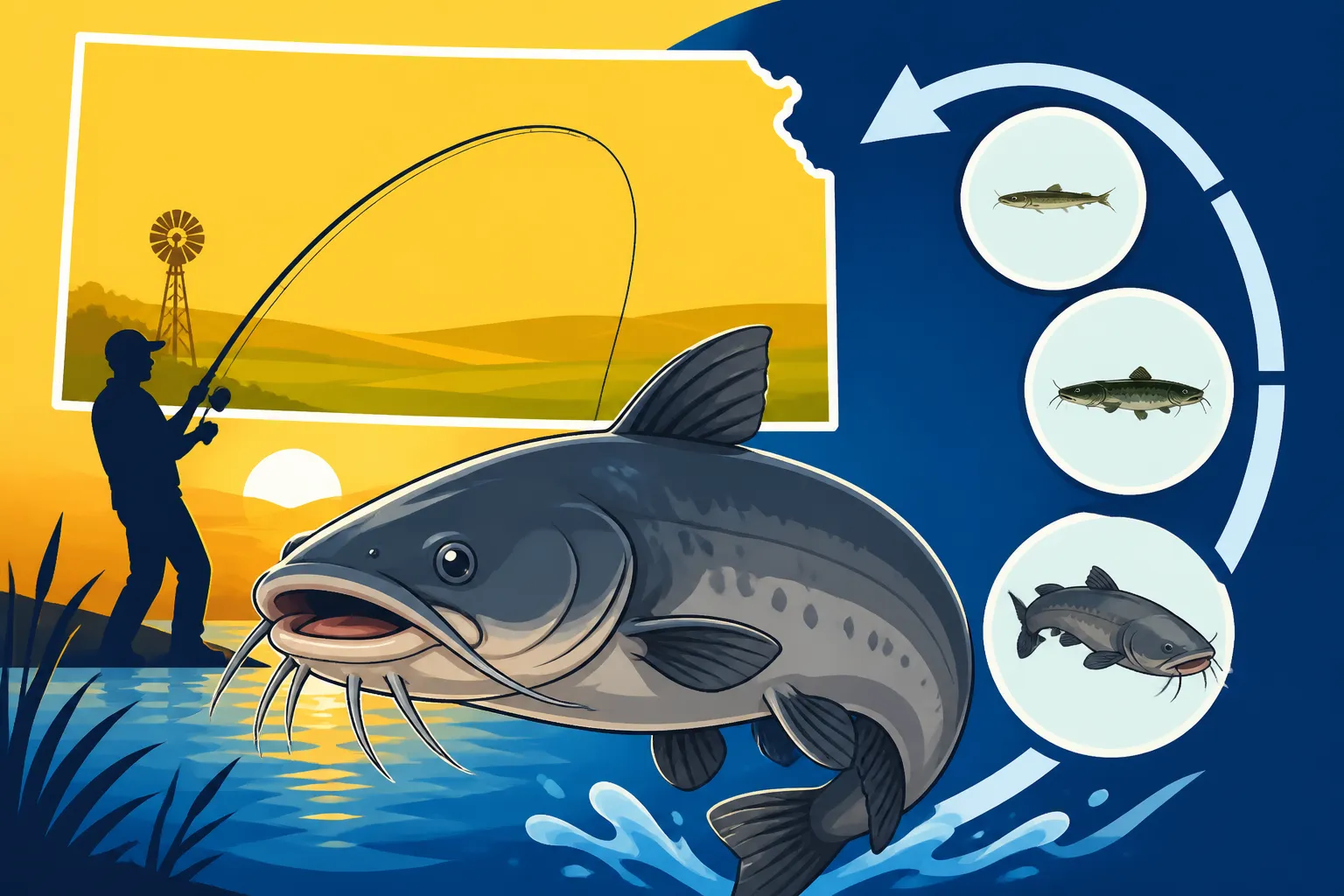
Channel catfish are undoubtedly the most common and widely distributed catfish in Kansas. They are beloved for their widespread availability and willingness to bite, making them a fantastic target for anglers of all skill levels. Typically, a channel catfish in Kansas can live anywhere from 7 to 15 years. However, in prime conditions with abundant food and minimal fishing pressure, some individuals might reach up to 20 years. These older fish are usually the ones that have grown to impressive sizes, offering a real battle on the line. Factors like water temperature, nutrient availability, and angler harvest rates all play a role in whether a channel cat reaches the upper end of that lifespan spectrum. A channel cat caught in a smaller, heavily fished pond might have a shorter life due to increased pressure and less food, compared to one thriving in a large, rich reservoir. Kansas Channel Catfish Facts and Limits provides more details on what makes these fish tick.
Blue Catfish Lifespan
Blue catfish are the giants of the Kansas catfish world, and their lifespan often reflects their impressive size potential. These magnificent fish are known to live significantly longer than channel cats, often reaching 20 to 25 years in Kansas waters. In truly exceptional cases, particularly in large reservoirs with stable populations and abundant food, a blue cat could even live for 30 years or more. Think about that: a fish that might have been swimming around since before some of us were born! Their slower growth rate, combined with their ability to reach massive sizes, contributes to their extended longevity. Because they can grow so large, they often outgrow most predators, increasing their chances of surviving for decades. Catching a blue cat in the 50-pound range often means you've landed a true veteran of the lake, a fish that has seen many seasons come and go. To learn more about these behemoths, check out Kansas Blue Catfish Facts and Limits.
Flathead Catfish Lifespan
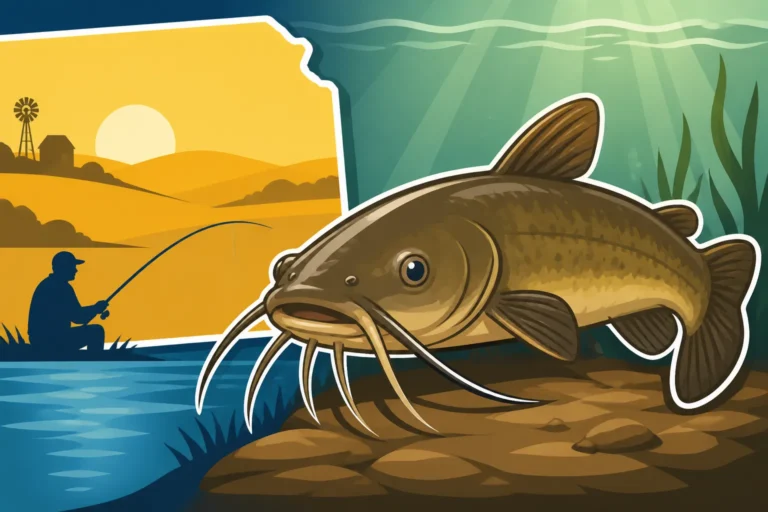
Flathead catfish are another formidable species found in Kansas, known for their predatory nature and solitary habits. While perhaps not quite reaching the extreme old age of some blue cats, flatheads are still very long-lived fish. In Kansas, flathead catfish commonly live between 15 and 20 years. Similar to blue cats, exceptional individuals, especially those in robust river systems or large reservoirs with ample forage and suitable habitat, can push past the 25-year mark, sometimes even reaching 30 years. These ancient flatheads are usually the ones that have grown to legendary sizes, often found lurking in deep holes or around extensive underwater timber. Their ambush predator lifestyle means they are incredibly efficient hunters, and once they reach a certain size, they have few natural enemies other than large blue cats or other big flatheads. The thrill of catching one of these venerable fish is hard to beat, knowing it has likely survived countless challenges over the decades. Our article on Kansas Flathead Catfish Facts and Limits offers more insights into their unique lives.
Here's a quick overview of estimated average lifespans for our common Kansas catfish:
| Catfish Species | Typical Lifespan (Years) | Maximum Lifespan (Years) | Primary Habitat |
|---|---|---|---|
| Channel Catfish | 7-15 | ~20 | Rivers, streams, reservoirs, ponds, community lakes |
| Blue Catfish | 20-25 | 30+ | Large rivers, deep reservoirs |
| Flathead Catfish | 15-20 | ~30 | Rivers, reservoirs (often near timber/structure) |
How Anglers Can Impact Catfish Lifespan (and What to Do)
As anglers, we have a significant role to play in the health and longevity of catfish populations. Our actions, from how we handle a fish to our adherence to regulations, directly influence whether a catfish lives to see another spawning season or reaches trophy size. It's about being good stewards of the resource, a responsibility we all share.
Catch and Release Practices
Catch and release isn't just a trend; it's a vital conservation tool, especially when we're talking about older, larger fish that contribute significantly to the gene pool. When practicing catch and release for catfish, proper handling is crucial.
- Minimize Fight Time: The longer a fish fights, the more exhausted it becomes. Try to land the fish as quickly and efficiently as possible, especially in warmer water when oxygen levels are lower.
- Gentle Handling: Support the fish horizontally, especially large ones, to protect their internal organs and spine. Avoid holding them vertically by the jaw if they're particularly heavy, as this can cause jaw damage.
- Wet Hands Only: Always wet your hands before touching a fish to protect its slime coat, which is a vital defense against bacteria and parasites.
- Dehooking: Use needle-nose pliers or a dehooking tool to remove hooks quickly. If a fish is deeply hooked, it's often better to cut the line as close to the hook as possible rather than tearing tissue trying to retrieve it.
- Revive Before Release: Gently hold the fish upright in the water, facing into any current, until it regains its strength and can swim away on its own. Don't just toss it back in!
These practices, especially for those larger, potentially older fish, give them the best chance of surviving the encounter and continuing their long lives. Many anglers who target trophy catfish use specialized gear and techniques to ensure a safe release, sometimes even keeping a revive tank on board for larger fish that need extra time. If you're looking for gear, you can find excellent tools like dehookers and specialized nets on Amazon that can make a difference.
Responsible Harvest Limits
Kansas has specific daily creel and length limits for catfish species, and these regulations are designed to protect fish populations and ensure healthy fisheries for future generations. While it's perfectly fine to keep some fish for a delicious meal, understanding and respecting these limits is essential. Taking too many fish, especially too many large, breeding-age fish, can deplete a population faster than it can replenish itself.
For example, our Kansas Daily Creel Limits by Species article outlines how many of each species you can keep. These limits aren't arbitrary; they're based on scientific data about fish growth rates, reproductive cycles, and overall population health. Sometimes, a slot limit might be in place, meaning you can keep smaller fish and trophy-sized fish, but fish within a certain middle range must be released. This often protects the most productive breeding stock. Responsible harvesting means taking only what you need, staying within the legal limits, and considering the long-term health of the fishery. If everyone takes just a few fish, the population remains strong; if everyone tries to take their absolute maximum every time, it can lead to problems.
Supporting Conservation Efforts
Beyond individual actions, supporting broader conservation efforts is another way to ensure the long-term health and lifespan of Kansas catfish. This can take many forms:
- Purchasing Licenses and Permits: A portion of the funds from your Kansas Fishing License Cost by Type goes directly towards fisheries management, habitat restoration, stocking programs, and research. It's literally investing in the future of fishing.
- Volunteering: Participating in local clean-up efforts around lakes and rivers, or volunteering with conservation organizations, helps improve habitat and water quality.
- Reporting Violations: If you witness someone breaking fishing laws, reporting it to the appropriate authorities helps protect the resource from illegal activities that can harm fish populations. Our Kansas Fishing Law Enforcement and Penalties article goes into more detail on why these rules exist.
- Educating Others: Share your knowledge about responsible angling and conservation with fellow anglers, especially newer generations. Teach kids about the importance of protecting fish and their habitats.
These collective efforts help create environments where catfish can not only survive but thrive, living out their full natural lifespans and contributing to robust populations that can be enjoyed for years to come.
Spotting an Older Catfish and What it Means for Anglers
There's something truly special about catching a fish that has beaten the odds and lived for many, many years. It's a testament to its resilience and the health of its habitat. But how can you tell if that monster on the end of your line is a seasoned veteran or just a fast-growing youngster?
Visual Cues of Age
While you can't get an exact age without studying otoliths (ear bones), which requires sacrificing the fish, there are some general visual cues that often indicate an older, more mature catfish:
- Size and Weight: This is the most obvious indicator. Larger, heavier fish tend to be older. While growth rates vary, a blue cat pushing 40 pounds or a flathead over 30 pounds is almost certainly an older fish.
- Body Shape and Condition: Older fish often have a more robust, "saggy" appearance, especially around the belly. Their fins might show more wear and tear, with frayed edges or scars from past battles. Their skin might appear thicker or more mottled.
- Head Size: Sometimes, particularly in older, male catfish, the head can appear disproportionately large compared to the body, a sign of years of growth and muscle development.
- Coloration: While color varies with habitat, some older catfish might have deeper, more intense coloration or unique patterns that have developed over time.
- Scars and Markings: Accumulated scars, nicks, and healed wounds from previous encounters with predators, hooks, or environmental hazards are like badges of honor, indicating a fish that has survived many challenges.
While not definitive, these observations can give you a strong hunch that you've connected with a true elder of the deep. It adds another layer of excitement to the catch, transforming it from just a fish into a living piece of history.
Trophy Potential and Management
Understanding catfish lifespan is directly linked to the concept of "trophy potential." The fish that live the longest are the ones that have the potential to grow to state record sizes. Anglers who specifically target trophy catfish often release these giants, ensuring they can continue to grow and reproduce. This is where responsible angling truly shines. Imagine catching a state-record class blue cat, snapping a few quick photos, and then gently releasing it to live another decade and pass on its superior genes. It’s the ultimate act of conservation for those truly special fish. You can see some of the impressive sizes reached by long-lived fish in our Kansas State Record Catfish article.
Fisheries managers also use lifespan data to implement regulations. For instance, if a species has a relatively short lifespan and fast growth, the harvest limits might be more generous. If a species lives a long time but grows slowly and is prone to overfishing, regulations might be stricter to protect those older, larger breeding fish. This balance helps ensure that trophy fish are available for future generations of anglers, while also allowing for sustainable harvest. By knowing how long catfish can live, we better appreciate their journey and our role in protecting it. And if you're ever looking to outfit yourself for chasing those long-lived giants, remember you can find robust rods, reels, and specialized tackle on Amazon to help you in your quest for a trophy of a lifetime.
Disclaimer
This article is for general informational purposes only and does not constitute professional advice. Laws, prices and regulations vary by location and change over time. Consult a qualified professional for guidance on your specific situation.