Kansas Bullhead Catfish Facts
One of the most common frustrations for new anglers, or even seasoned folks visiting new waters, is properly identifying what they've just caught. Catfish in Kansas are a prime example, and while most people instantly think of giant channel cats or flatheads, there's a smaller, often overlooked, but incredibly abundant member of the family: the bullhead. This comprehensive guide is going to walk you through everything you need to know about Kansas bullhead catfish, from how to tell them apart to where to catch them and even if they're good for the dinner table.
What Exactly Are Bullhead Catfish?
When you hear "catfish," you might picture a sleek, whiskered monster pulling your line taut in a big river. But bullheads are a different breed entirely. They're typically smaller, chunkier, and often found in shallower, murkier waters than their larger cousins. Don't let their size fool you, though; what they lack in individual heft, they often make up for in sheer numbers and a tenacious fight that can surprise you on light tackle. Understanding these unique characteristics is the first step to truly appreciating this fascinating fish.
Key Identification Features
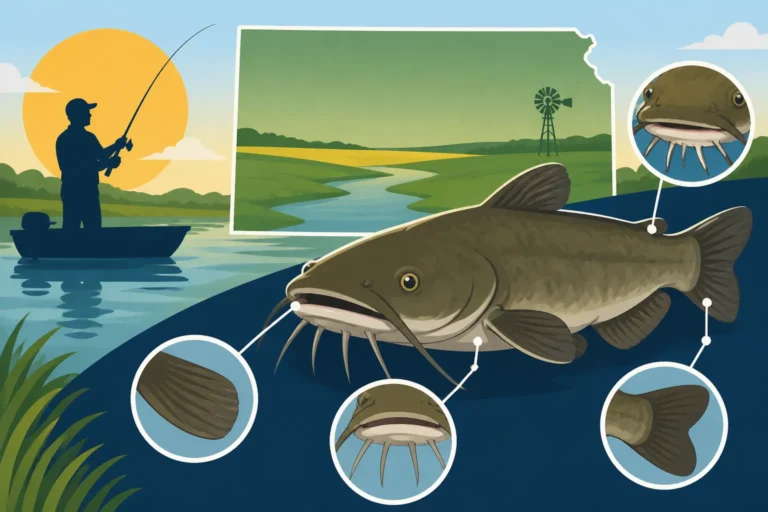
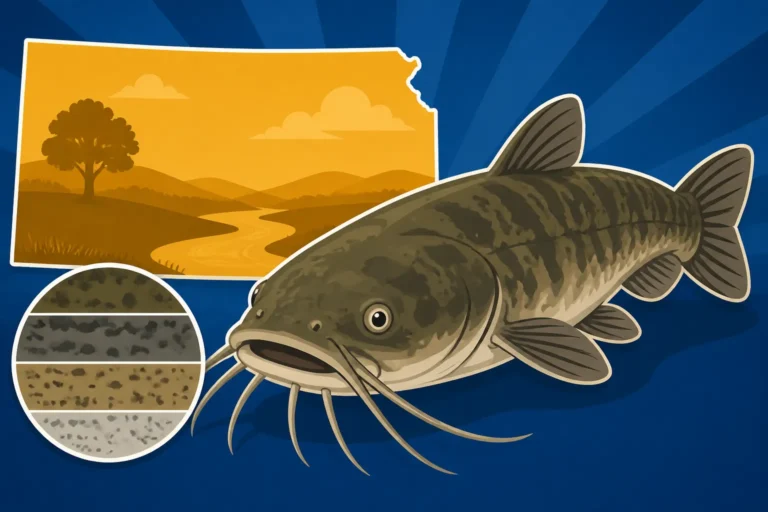
Identifying a bullhead isn't too tricky once you know what to look for. Unlike channel catfish, which have deeply forked tails, bullheads boast a tail that is either square or slightly rounded. This is often the quickest visual cue. Their bodies are typically stout and chunky, and they rarely grow to the immense sizes of blue or flathead catfish. The color can vary quite a bit depending on the water they live in, ranging from dark brown or black in muddy ponds to a more olive or even yellowish hue in clearer, sandy bottoms. They have eight barbels around their mouth, just like other catfish, which they use to taste and feel their way around in low-visibility environments. Think of them as living radar.
Another defining feature is the absence of a distinct white margin on their anal fin, which can sometimes be seen on channel catfish. While not as large as their relatives, they still possess sharp pectoral and dorsal fin spines, which are modified rays. These spines can lock into an upright position and are certainly capable of giving you a painful poke if you're not careful when handling them. Many an angler has learned this the hard way! Always use caution and, if possible, a pair of fish-handling gloves or pliers to unhook them.
Bullhead Species in Kansas
In Kansas, you're primarily going to encounter two main species of bullheads: the black bullhead and the yellow bullhead. While they share many similarities, there are some subtle differences that can help you distinguish between them. The black bullhead is by far the most common and widespread. It typically has a dark, often mottled, greenish-black to brownish back, fading to a lighter belly. Its barbels are usually black or dusky. The number of rays in their anal fin is also a good indicator, though that requires a closer look – black bullheads generally have 17-21 anal fin rays.
The yellow bullhead, on the other hand, is generally lighter in color, often a yellowish-brown or olive green, with a distinctly yellow or white belly. A key difference is the color of their chin barbels, which are typically whitish or yellowish, contrasting with their darker back. Yellow bullheads also tend to have a slightly lower ray count in their anal fin, usually 24-27. While less common than the black bullhead in many areas, yellow bullheads can still be found in various Kansas waters. Both species share the characteristic unforked tail. Learning to tell them apart might seem like a small detail, but it adds another layer to your understanding of Kansas Catfish Species Guide.
| Feature | Black Bullhead | Yellow Bullhead |
|---|---|---|
| Coloration | Dark (greenish-black to brownish), mottled | Lighter (yellowish-brown to olive), often mottled |
| Belly Color | Lighter, off-white | Distinctly yellow or white |
| Chin Barbels | Black or dusky | Whitish or yellowish |
| Tail Shape | Square to slightly rounded | Square to slightly rounded |
| Anal Fin Rays | 17-21 | 24-27 |
| General Size | Smaller to medium (up to 12-15 inches) | Smaller to medium (up to 12-15 inches) |
| Prevalence in KS | Very common and widespread | Less common, but present |
Where to Find Bullheads in Kansas Waters
Bullheads are incredibly adaptable fish, which is why they are so prevalent across Kansas. They aren't picky about pristine, crystal-clear waters; in fact, they often thrive in conditions that might deter other game fish. This makes them an excellent target for anglers looking for consistent action, especially in areas closer to home or when conditions aren't ideal for other species.
Preferred Habitats
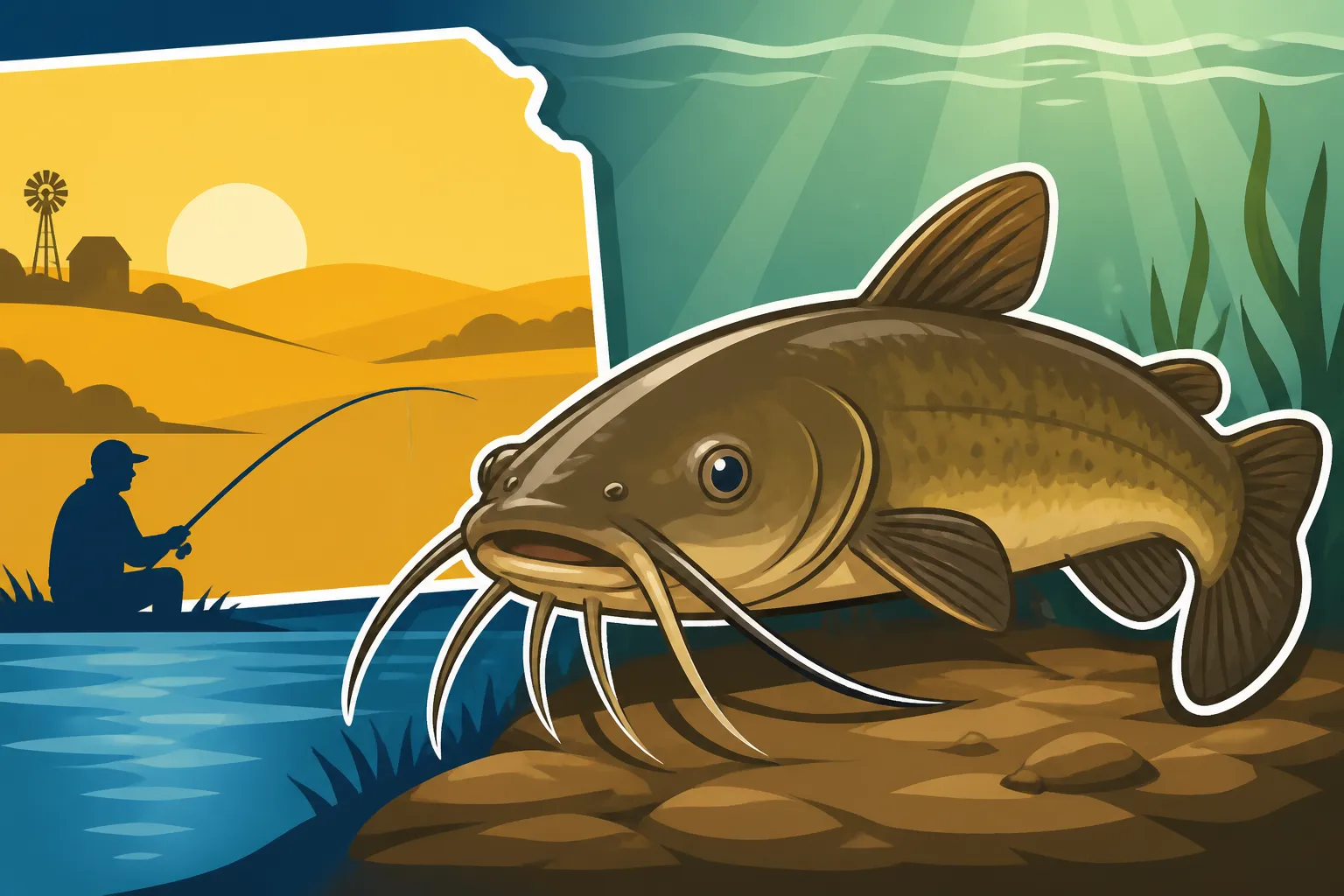
Unlike walleye that prefer rocky points or channel catfish that patrol river channels, bullheads are often found in areas with soft, muddy bottoms and dense vegetation. Think shallow coves, backwaters, and slow-moving streams. They love to hide among lily pads, submerged logs, and weed beds, using these areas for cover and ambush points for food. Their barbels are perfectly designed for rooting around in the muck, detecting subtle scents and vibrations in turbid water. They're quite comfortable in low oxygen environments that might stress other fish.
Because they tolerate a wide range of water conditions, you'll find them in almost every type of water body across the state. This includes rivers, small creeks, farm ponds, and even the shallow arms of larger reservoirs. They are particularly abundant in smaller, often overlooked waters where competition from larger predators might be less intense. If you're looking for a quick and easy fishing trip, targeting these types of areas for bullheads is often a safe bet.
Bullheads in Community Ponds and Lakes
Kansas is blessed with numerous public fishing lakes and community ponds, and these are often prime spots for bullheads. These smaller bodies of water are frequently stocked with various species, but bullheads often establish strong populations naturally, thriving in the accessible, often shallow margins. They're a fantastic fish for beginners or families with kids because you don't need fancy gear or a boat to find them; a simple setup from the bank is usually all it takes. Many of these community waters have easy access, paved paths, and even fishing piers, making them incredibly convenient. For more information on fishing these waters, check out Kansas Community Fishing Lake Rules.
When fishing community ponds, look for areas with lily pads, cattails, or overhanging trees that provide shade and cover. Even small indentations in the shoreline or areas where feeder creeks enter can hold concentrations of bullheads. These fish are generally not shy, and if you find one, you're likely to find many more. This makes for a fun, fast-paced fishing experience that can build confidence for new anglers. Always check local regulations, as some community lakes might have specific rules regarding species or bait.
Bullhead Behavior and Diet
Understanding how bullheads behave and what they like to eat is crucial for becoming a successful bullhead angler. They might not be as glamorous as a giant walleye or a hard-fighting striper, but their consistent feeding habits and widespread presence make them a reliable target once you crack their code.
Feeding Habits and What They Eat
Bullheads are opportunistic bottom feeders, meaning they'll eat just about anything they can get their barbels on. Their diet is incredibly varied and includes insects, small crustaceans like crayfish, worms, small fish, aquatic plants, and even detritus (dead organic matter). This non-picky eating habit is a big reason why they thrive in so many different environments. They use their sensitive barbels to locate food, often rooting around in the mud and sediment to uncover tasty morsels. This is why baits that emit strong scents are often so effective for them.
They are most active feeders during low light conditions, typically dawn, dusk, and especially throughout the night. However, in cloudy water or during overcast days, they can be caught throughout the day as well. Their tolerance for murky water also plays into their feeding strategy; they're perfectly adapted to hunting by feel and smell when visibility is poor, giving them an advantage over sight-feeding predators. This makes them a fantastic target for a relaxing evening fishing session after the sun dips below the horizon.
Spawning and Reproduction
Bullheads typically spawn in late spring to early summer when water temperatures reach the 68-75°F range. They are nest builders, with both parents often participating in the process, though the male usually takes on the primary role of guarding the eggs and fry. They'll excavate a saucer-shaped nest in soft, muddy bottoms, often near some form of cover like submerged logs, rocks, or dense vegetation. The female lays a sticky mass of eggs in the nest, which the male then fertilizes.
Once the eggs hatch, the fry remain in a dense school, often guarded by the male bullhead for several weeks. He'll keep them together, herding them like a diligent shepherd, and aggressively defend them from perceived threats. This parental care is one of the reasons bullhead populations can become so robust so quickly. A successful spawn can lead to thousands of young bullheads, ensuring a healthy population for future angling. This cycle is a vital part of the Kansas Fishing Seasons Guide.
Fishing for Kansas Bullheads
You don't need a high-tech boat or a tackle box full of expensive lures to catch bullheads. Simplicity is key, and that's part of their charm. They're an accessible fish for everyone, from kids on their first outing to seasoned anglers just looking for some consistent tugs on the line.
Best Baits and Rigs
When it comes to bait for bullheads, think smelly and natural. Their keen sense of smell is their superpower. Classic baits like worms (nightcrawlers or red wigglers) are always a winner. Cut bait, such as pieces of shad, chicken liver, or even hot dogs, works incredibly well because the scent disperses widely in the water, attracting bullheads from a distance. Some anglers even swear by unconventional baits like small pieces of cheese or raw shrimp. For more ideas on effective baits, refer to Best Bait for Kansas Catfish.
For rigging, a simple bottom rig is usually all you need. A slip sinker rig, which allows the line to run freely through the weight, is ideal. This lets the bullhead pick up the bait without feeling the resistance of the sinker. A small hook, typically a size 6 or 4 Kahle or circle hook, is perfect for their mouths. Use just enough weight to keep your bait on the bottom, adjusting for current if you're fishing in a river. A light to medium action rod, paired with 6-10 pound test monofilament or fluorocarbon line, will give you plenty of sport. I've found some excellent, affordable setups perfect for bullhead fishing on Amazon, great for putting together a simple kit for new anglers.
Simple Techniques for Success
The beauty of bullhead fishing lies in its straightforwardness. Find a promising spot with muddy bottom and cover, cast your baited hook out, and wait. You don't need complicated retrieves or finesse tactics. Often, you'll feel a series of light taps before the line starts to steadily pull. Give them a moment to commit to the bait before setting the hook. Since they often swallow the bait deeply, circle hooks are a great choice as they tend to hook in the corner of the mouth, making for easier, safer unhooking.
If you're not getting bites in one spot, don't be afraid to move a short distance. Bullheads often congregate, so if one is there, others are likely nearby. Fishing at night can be particularly productive. Even in the dead of summer, when other fish are sluggish, bullheads will actively feed in the cooler night hours. Always keep a bucket of water or a livewell handy to keep your catch fresh, especially if you plan on taking them home for dinner. Practicing these Kansas Fishing Techniques for Beginners can really pay off with bullheads.
Are Bullheads Good to Eat?
This is a question many anglers ask, and the answer is a resounding "yes!" While they don't grow as large as channel cats, bullheads offer a fantastic eating experience, particularly when prepared correctly.
Taste and Texture
Bullheads, especially those caught from cleaner waters, have a mild, sweet flavor that many compare to other catfish species. The flesh is firm, white, and flaky when cooked. Some anglers even prefer the taste of bullheads over larger catfish, claiming they have a less "muddy" flavor, especially from smaller ponds or lakes with good water quality. The key is often the water quality they come from; fish from stagnant, extremely muddy, or polluted water might have a stronger, less appealing taste. Generally, if you'd eat a channel cat from a particular body of water, you'll likely enjoy a bullhead from there too. This makes them a great option for a fresh fish fry! For more insights, refer to Are Bullhead Catfish Good to Eat?.
Cleaning and Preparing Bullheads
Cleaning bullheads might seem a bit daunting due to their thick skin and lack of scales, but it's quite simple once you get the hang of it. Many anglers find the "skinning" method the easiest. Start by making a cut behind the head, down to the backbone, but don't cut through it. Then, using pliers or a skinning tool, grip the skin firmly and peel it back towards the tail. It comes off in one piece, much like peeling a banana. Once skinned, you can then remove the head and gut the fish.
After cleaning, the fillets can be breaded and deep-fried, pan-fried, baked, or grilled. A classic preparation involves a cornmeal-based breading, seasoned generously, and fried until golden brown and crispy. Given their smaller size, they are perfect for individual servings, and a successful outing can easily provide enough for a family meal. Remember to keep your catch on ice to maintain freshness from the moment they leave the water until they hit the pan. For any angler, knowing how to clean and prepare your catch is an essential skill, and bullheads provide great practice.
Bullhead Regulations and Conservation in Kansas
Even though bullheads are abundant, understanding the general regulations and their role in the ecosystem is important for responsible angling. While specific daily limits can vary, their overall management is often less restrictive than for larger game fish.
General Limits and Rules
Compared to species like walleye or crappie, which often have specific length and daily creel limits, bullheads in Kansas generally fall under a more liberal "catfish" or "general fishing" umbrella. This typically means generous daily limits, often aligning with the limits for Kansas Channel Catfish Daily Limit or Kansas Flathead Catfish Daily Limit, or in some cases, no specific limit for bullheads at all, depending on the body of water. However, it is absolutely critical to always check the most current Kansas fishing regulations before heading out. These regulations can change year to year, and specific local rules for community ponds or state fishing lakes might apply.
Always carry a copy of the regulations, whether it's the physical book or the digital version on your phone. Even though bullheads are hardy, adhering to limits helps maintain healthy fish populations and ensures that these accessible fishing opportunities remain for everyone. If you’re unsure about the rules, a quick glance at the Kansas Fishing Regulations Explained can clarify things quickly.
Bullheads as an Ecological Component
Bullheads play a significant role in the aquatic ecosystems of Kansas. As opportunistic omnivores and bottom feeders, they help to clean up detritus and control insect populations. Their ability to thrive in waters that might be less hospitable to other species means they can populate niches that other fish cannot. This makes them an important food source for larger predators like flathead catfish, bass, and even some birds of prey. Their presence can indicate a healthy, albeit perhaps turbid, aquatic environment.
While sometimes viewed as a "rough fish" or even a nuisance due to their abundance, their ecological importance shouldn't be underestimated. They contribute to the overall biodiversity and stability of many Kansas waters. Conservation efforts for bullheads typically focus on maintaining habitat quality and ensuring sustainable harvest through general limits, rather than specific species-targeted programs, simply because their populations tend to be so robust. So next time you hook into a bullhead, appreciate its role in the watery world around you!
Disclaimer
This article is for general informational purposes only and does not constitute professional advice. Laws, prices and regulations vary by location and change over time. Consult a qualified professional for guidance on your specific situation.