Kansas State Record Largemouth Bass
The pursuit of a true trophy largemouth bass in Kansas can feel like chasing a ghost, especially when you start dreaming about a fish so big it might rewrite the history books. Many anglers spend their lives casting countless times, hoping for that one monster bite. This guide isn't just about admiring the current state record; it's about understanding what it takes to catch a truly enormous largemouth bass in our Kansas waters, from the biology of these incredible fish to the techniques and gear that give you the best shot at your own personal best, or maybe even the best.
The Legend of the Kansas State Record Largemouth Bass
There's a special kind of reverence among anglers for those who have landed a true giant, a fish that shatters expectations and stands as a testament to both skill and a little bit of luck. In Kansas, the largemouth bass state record is one of those legendary achievements, inspiring countless hours on the water. It's not just a number on a scale; it's a story, a moment etched in the annals of Kansas fishing lore that fuels the dreams of every dedicated bass angler.
Unveiling the Record Holder
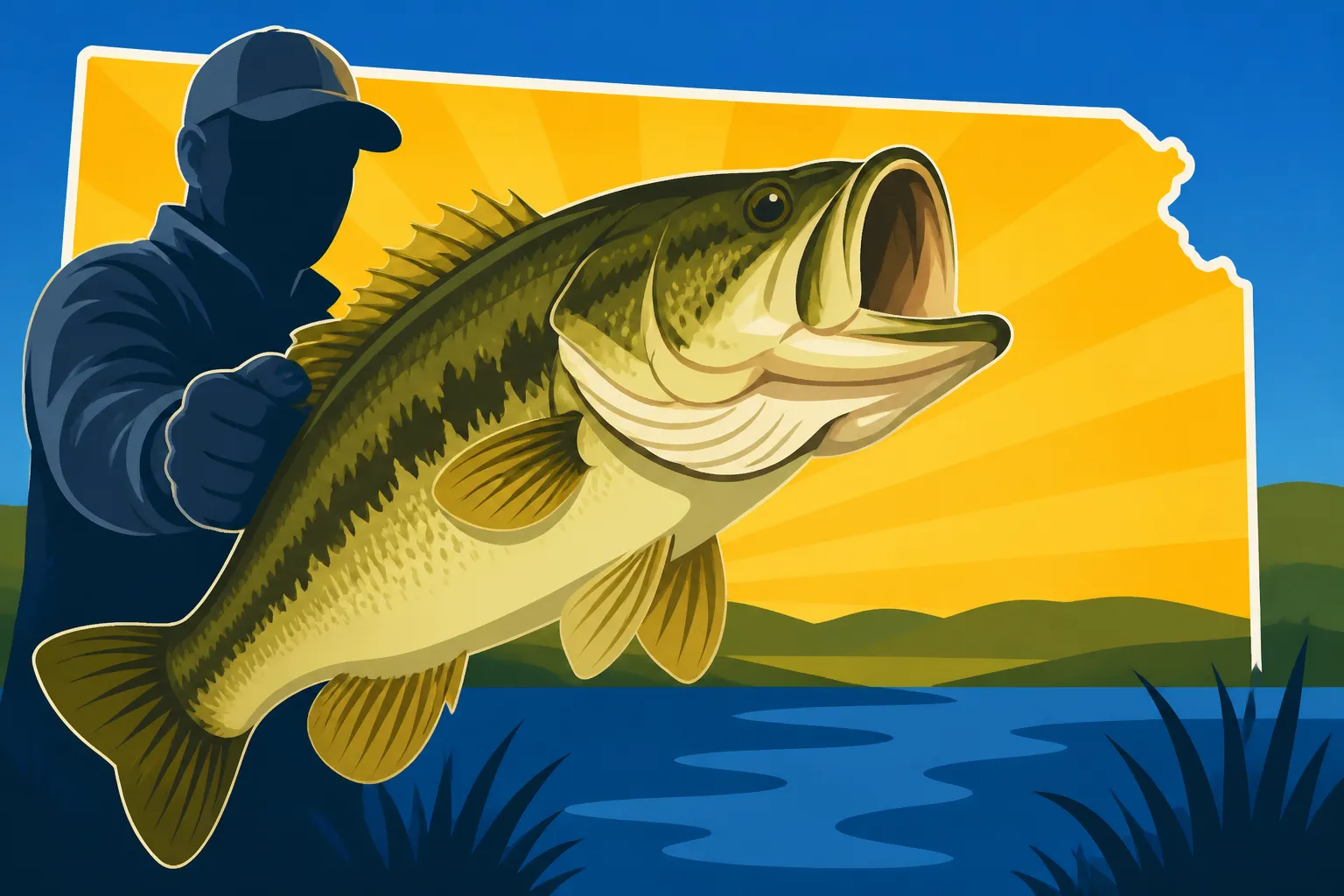
When we talk about the Kansas state record largemouth bass, we're talking about an absolute behemoth that truly sets the bar high. This isn't just a big fish; it's a monumental achievement in the world of bass fishing, a true leviathan that showcases the potential of Kansas waters. The current record stands at a staggering 11 pounds, 12 ounces, a weight that would make any bass angler's jaw drop. This incredible fish was caught back in 1977, a testament to the enduring quality of our state's fisheries even decades ago.
It's important to remember that such records aren't easily broken. They represent a confluence of ideal conditions: a fish that has managed to avoid predation and angling pressure for many years, found an abundant food source, and matured to an exceptional size. For a largemouth bass to reach nearly twelve pounds in Kansas is nothing short of remarkable, proving that while our state might not be traditionally known as a "trophy bass" destination like some southern states, the potential absolutely exists.
The Story Behind the Catch
The story behind the state record largemouth is as captivating as the fish itself. Caught by Kenneth Audsley in a private lake in Jefferson County, it wasn't a catch from one of the massive public reservoirs often discussed. This detail is crucial because it highlights an important aspect of trophy bass fishing in Kansas: private waters can often hold exceptional fish that are less pressured and have access to richer, undisturbed environments. Imagine the excitement and the sheer struggle of bringing in a fish of that magnitude!
Mr. Audsley's catch came from a small, managed lake, which often provides the stability and consistent food supply necessary for a bass to grow truly enormous. While the exact details of his lure and technique may be lost to time or kept as a closely guarded secret, the fact remains that a dedicated angler, in the right place at the right time, achieved what many only dream of. It serves as a powerful reminder that sometimes the biggest rewards come from unexpected places, and a small, overlooked pond can be a goldmine.
Why the Largemouth Bass is Such a Coveted Catch
The largemouth bass holds a special place in the hearts of anglers nationwide, and Kansas is no exception. It's not just about their size potential; it's about their aggressive strikes, their acrobatic fights, and the challenge they present. Chasing largemouth bass is a true chess match, requiring anglers to understand their behavior, adapt to changing conditions, and master a wide array of techniques. The pursuit of a trophy largemouth is a lifelong endeavor for many.
Beyond the fight, largemouth bass are also an iconic symbol of freshwater fishing. They're found in diverse habitats, from shallow weedy coves to deep timber, making them accessible to a broad range of anglers. Landing a big largemouth, especially one that tips the scales toward that double-digit mark, is often considered the pinnacle of freshwater angling for many. The sheer thrill of seeing a bucket mouth engulf your lure or bait is an experience that keeps us coming back, season after season. Kansas Bass Fishing Guide can help you get started on your own journey.
Understanding Kansas Largemouth Bass Biology and Behavior
To even dream of challenging the state record, you first have to think like a largemouth bass. These fish are masters of their environment, adapting their behavior and feeding patterns based on water temperature, available forage, and cover. Understanding their biology isn't just academic; it's the foundation of effective trophy bass hunting. You need to know where they live, what they eat, and how they react to different conditions if you want to increase your odds.
Largemouth Bass Habitat Preferences
Largemouth bass are opportunistic predators that thrive in a variety of aquatic environments, but they do have distinct preferences, especially when they grow to trophy sizes. In Kansas, you'll find them in everything from large reservoirs to small farm ponds, slow-moving rivers, and even urban community lakes. They generally prefer warm, clear to moderately turbid water with abundant aquatic vegetation, submerged timber, rock piles, or other forms of structure that offer both ambush points and cover from predators.
Think about it: a big bass needs a place to hide and wait for prey, as well as a comfortable spot to rest and digest. Shallow coves with lily pads, brush piles along creek channels, flooded timber on reservoir points, and even rip-rap shorelines can all be prime real estate for a giant largemouth. These areas provide protection from harsh sunlight, current, and boat traffic, creating the perfect sanctuary for a fish to grow old and large. Understanding these preferences helps narrow down where to focus your efforts. Kansas Largemouth Bass Facts dives deeper into their characteristics.
Seasonal Movements and Feeding Patterns
The behavior of largemouth bass is heavily influenced by the changing seasons, and understanding these shifts is critical for consistent success, especially when targeting larger fish. In spring, as water temperatures rise, bass move into shallower waters for their spawning ritual. This is often a fantastic time to catch them, as they become more aggressive and protective of their nests. Post-spawn, they might move slightly deeper to recover but remain relatively active.
Summer brings warmer water, which often pushes bigger bass to deeper, cooler areas with access to oxygen and forage. Night fishing can be incredibly productive during this time, as bass move shallower under the cover of darkness to feed. As fall approaches and temperatures drop, bass embark on a "fall feed," gorging themselves in preparation for winter, often making them highly active and receptive to lures. Finally, in winter, they slow down, moving to deep, stable areas, though they can still be caught with slow, deliberate presentations.
Factors Contributing to Trophy Size
Several critical factors contribute to a largemouth bass reaching the incredible size needed to challenge a state record. The most obvious is time; these fish don't grow to 11 pounds overnight. They need years, sometimes over a decade, to reach such proportions. This means they must survive countless threats, from predators to angling pressure and environmental changes. A consistent and abundant food supply is paramount. Lakes with healthy populations of shad, bluegill, and even smaller game fish allow bass to grow quickly and efficiently.
Genetics also play a role; some bass strains simply have the potential to grow larger than others. Beyond that, a stable and rich habitat that provides ample cover, optimal water quality, and minimal stress is essential. Lakes that are well-managed, perhaps even with specific trophy bass regulations, tend to produce larger fish. Understanding these elements can help anglers identify waters with the highest potential for producing that once-in-a-lifetime catch, moving beyond just hoping for luck. Largemouth Bass Size gives more insight into their growth.
Top Kansas Lakes for Trophy Largemouth Bass
While the state record came from a private lake, Kansas boasts numerous public reservoirs and state fishing lakes that are renowned for their largemouth bass fisheries, including many that produce fish well into the trophy class. Targeting these larger bodies of water, or even smaller, well-managed community ponds, is key to increasing your chances of connecting with a giant. It's not just about the size of the water body, but the quality of its habitat and management.
Key Characteristics of Productive Bass Lakes
What makes a lake excellent for trophy largemouth bass? It’s often a combination of factors that create a perfect environment for them to thrive. First, abundant forage. Lakes rich in shad, bluegill, or other baitfish provide the consistent food source needed for bass to pack on the pounds. Second, diverse structure and cover. This includes everything from natural features like flooded timber, rock piles, and aquatic vegetation to man-made additions like brush piles and old roadbeds. These spots offer ambush points for hunting and safe havens for resting.
Water quality is another significant characteristic. Stable water levels, good oxygen content, and appropriate turbidity all contribute to a healthy bass population. Lakes with good management programs, including stocking efforts and slot limits designed to protect larger fish, often produce exceptional results. Access to deeper, cooler water during the heat of summer is also vital for mature bass. When scouting new waters, look for these indicators of a healthy, productive bass fishery.
Notable Lakes with a History of Big Bass
Several Kansas reservoirs have established reputations for producing excellent largemouth bass, and occasionally, true giants. El Dorado Lake, for example, is consistently praised for its quality bass fishery, with many anglers reporting catches of five-pound-plus fish and the potential for much larger. Its diverse structure, including standing timber, submerged creek channels, and rip-rap, provides ideal habitat. El Dorado Lake Bass Fishing details specific strategies for this popular lake.
Clinton Lake near Lawrence is another prime example, offering extensive aquatic vegetation and timber that hold strong populations of largemouth. Melvern Lake and Wilson Lake also show consistent potential, especially around their flooded timber and rocky points. While the state record might have come from a private pond, these public waters are where most dedicated trophy hunters spend their time, knowing that with persistence, a truly massive bass could be lurking just beneath the surface. Best Fishing Lakes in Kansas provides a broader overview of Kansas's top fishing destinations.
Community Ponds and Private Waters for Potential Giants
Don't overlook the smaller, often overlooked waters when hunting for a record-breaking bass. As the state record itself proves, private lakes and even well-maintained community ponds can be absolute goldmines for trophy largemouth. These smaller bodies of water often receive less fishing pressure and can be managed more intensely for quality fish. If a pond has a consistent food source, good cover, and is rarely fished, a bass there can grow to an impressive size without much interruption.
Many anglers have stories of pulling truly enormous bass out of seemingly insignificant farm ponds. The key is to gain permission to fish these private spots and to treat them with respect, practicing catch and release to preserve their trophy potential. Similarly, many Kansas community fishing lakes are actively managed, sometimes with specific regulations to encourage larger fish. While they might see more pressure, consistent stocking and habitat improvements can lead to unexpected lunkers. Remember, even a small body of water can harbor a giant, especially if there's an abundance of forage like bluegill or crawfish. What Largemouth Bass Eat Ponds illustrates the diet that can make a difference in these smaller waters.
Techniques and Tactics for Targeting Monster Largemouth
Catching a truly massive largemouth bass isn't just about being in the right place; it's about employing the right strategies and presentations. Trophy bass are smart, wary, and often require a different approach than their smaller counterparts. They've survived for years by being cautious, so your tactics need to be subtle, precise, and often patient. Forget the frantic retrieve; think deliberate and enticing.
Lures and Baits for Giant Bass
When you're after a state record, you're usually targeting a fish that prefers a substantial meal. Large profile baits are often key. Jigs with big trailers, oversized swimbaits, and deep-diving crankbaits that mimic big shad or bluegill are excellent choices. For topwater action, big poppers, walk-the-dog lures, and frog imitations can draw explosive strikes from aggressive giants hiding in cover. Texas-rigged or Carolina-rigged plastics, especially worms or creature baits in 8-10 inch lengths, are also highly effective for tempting wary bass hiding in heavy cover.
Live bait, especially large shiners or bluegill, can be irresistible to a trophy bass, particularly in less pressured waters. However, be sure to check local regulations regarding the use of live baitfish. The principle here is simple: big bait, big fish. Don't be afraid to throw something that looks too big for an average bass; that's exactly what you're trying to avoid. Many anglers swear by specific colors, but natural tones like greens, browns, and black-and-blue often perform well in Kansas waters. For a wider selection, browsing options on Amazon can reveal a huge variety of specialized baits.
Here’s a quick overview of some top lure categories for trophy largemouth:
| Lure Type | Description | Best Situations | Key Characteristics |
|---|---|---|---|
| Jigs | Heavy lead head with a skirt, often paired with a plastic trailer. | Flipping/pitching into heavy cover (timber, docks, weeds), deep structure. | Mimics crawfish/baitfish, weedless options. |
| Swimbaits | Realistic soft plastic or hard-bodied lures mimicking baitfish. | Open water, along weed lines, suspended bass, post-spawn. | Natural swimming action, varied sizes. |
| Deep Crankbaits | Hard plastic lures with a large lip, designed to dive deep. | Targeting deep ledges, creek channels, rocky points, thermoclines. | Strong vibration, covers water quickly. |
| Frogs/Toads | Hollow-bodied or soft plastic frog imitations. | Heavy matted vegetation, lily pads, shallow cover. | Weedless design, enticing topwater action. |
| Large Worms/Creatures | Soft plastic worms (8"+) or creature baits (e.g., senkos, craws). | Texas-rigged or Carolina-rigged in heavy cover, structure, slow presentations. | Subtle action, can be worked slowly, weedless options. |
| Spinnerbaits | Wire frame with one or more blades and a skirt. | Around sparse cover, retrieves through open water, windy conditions. | Flash and vibration, covers water. |
Advanced Strategies for Big Bass Anglers
Targeting monster bass often requires moving beyond basic casting and retrieving. One advanced strategy is "structure fishing," meticulously dissecting areas like submerged humps, creek channel bends, or brush piles with electronics. You're not just casting aimlessly; you're identifying specific targets where a big bass might hold. Structure Fishing for Kansas Bass offers detailed insights into this approach. Using your electronics to mark subtle changes in depth or isolated cover can make a huge difference.
Another technique is "power fishing" with big baits, covering water quickly to find active fish, then slowing down significantly once you locate a promising area. This might involve fast retrieves with large crankbaits or spinnerbaits to draw reaction strikes. Conversely, "finesse fishing" with lighter lines and smaller baits, even when targeting giants, can be incredibly effective on pressured fish or in clear water. This might mean slow-dragging a shaky head or drop-shot rig near known holding areas. The key is versatility and adapting to what the bass tell you on any given day.
The Importance of Presentation and Patience
No matter how good your lure or bait, a poor presentation will often result in nothing but wasted casts. Trophy largemouth bass are often more discerning than their smaller counterparts. They've seen it all, so your presentation needs to be natural, subtle, and appealing. Whether it's the gentle plop of a Texas-rigged worm near a log, the lifelike wobble of a swimbait, or the slow, deliberate action of a jig, every retrieve needs to convince that big fish that your offering is worth the effort.
Patience is perhaps the most undervalued virtue in trophy bass fishing. You might make hundreds of casts without a bite, especially when targeting fish of state record caliber. These fish don't strike every time; they choose their moments. Sitting on a promising spot, working every angle, and waiting for that prime feeding window can often pay off more than frantically moving from spot to spot. The old adage "fish slow for big fish" often holds true. Some days, it's about making a few perfect casts rather than a hundred haphazard ones.
Essential Gear for Chasing State Record Bass
To effectively target and land a fish that could potentially rewrite the record books, your gear needs to be up to the task. You can't bring a knife to a gunfight, and you certainly can't bring ultralight tackle when an 11-pound largemouth might be on the other end of your line. From robust rods and reels to crucial electronics and the right selection of tackle, every piece of equipment plays a vital role.
Rods, Reels, and Line for Heavy Duty Fishing
For chasing truly large largemouth bass, you'll want to lean towards heavy-action baitcasting rods, typically in the 7 to 7.5-foot range. These rods offer the backbone needed to cast heavy lures, drive big hooks into bony mouths, and most importantly, wrestle a powerful fish out of dense cover. Pair these with high-quality baitcasting reels that have a strong drag system and a good retrieve ratio, allowing you to pull fish quickly from danger zones. Best Rods and Reels for Kansas Fishing can help you choose the right setup.
Line selection is equally critical. Many trophy hunters opt for braided line, typically in the 50-65 pound test range, for its incredible strength, lack of stretch, and ability to cut through vegetation. You might tie a fluorocarbon leader (20-30 pound test) to the braid for invisibility and abrasion resistance. Alternatively, heavy fluorocarbon (17-25 pound test) or monofilament (15-20 pound test) can be used as mainline, especially when fishing around less abrasive cover or when a little stretch is desired. The key is confidence in your line's ability to withstand the fight of a lifetime.
Electronics and Boat Setup for Serious Anglers
Modern electronics are indispensable tools for serious bass anglers. A quality fish finder with GPS and mapping capabilities can literally show you where the fish are hiding. Down imaging and side imaging technologies reveal submerged brush piles, rock formations, creek channels, and even individual fish that might be holding near structure. This allows you to spend less time guessing and more time presenting your lure to potential giants.
If you're fishing from a boat, a reliable trolling motor with GPS Spot-Lock technology is a game-changer. It allows you to precisely hold your position on a productive spot, even in windy conditions, freeing you up to focus on casting. A stable, well-equipped bass boat or even a quality fishing kayak with ample storage and rod holders can enhance your ability to cover water efficiently and fish comfortably. Remember, every little advantage helps when you're after that once-in-a-lifetime fish. Many reputable brands offer these crucial pieces of equipment, often found on platforms like Amazon.
The Role of a Good Tackle Selection
Having the right tackle is more than just having a lot of lures; it's about having a diverse and organized selection that covers various situations. For trophy bass, this means a range of large-profile baits, as discussed earlier, but also the proper hooks, weights, and terminal tackle to go with them. Heavy-duty hooks, like 4/0 to 6/0 EWG (Extra Wide Gap) hooks for soft plastics, are crucial for penetrating thick jaws and holding strong during a battle.
Don't skimp on weights either; having various tungsten weights (from 1/4 oz to 1 oz or more) allows you to adjust your presentation to depth and cover density. Keep your tackle box or bag well-organized so you can quickly find what you need when the bite is on. Extra line, pliers, clippers, and a sturdy landing net specifically designed for large fish are also non-negotiable. Best Tackle for Kansas Game Fish goes into more detail about general tackle considerations.
Conservation and Ethics in Trophy Bass Fishing
While the dream of catching a state record is exciting, it comes with a significant responsibility: ensuring the health and sustainability of our fisheries. Ethical angling practices, especially catch and release for trophy fish, are paramount to preserving these incredible resources for future generations. We want more anglers to experience the thrill of a giant bass, not fewer.
Catch and Release Best Practices
For any fish you intend to release, especially a potential state record, proper handling is crucial for its survival. Minimize the time the fish is out of water – literally seconds count. Use a large, knotless rubberized net to avoid damaging fins and scales. If possible, remove the hook while the fish is still in the water or quickly cradle it horizontally with wet hands. Avoid holding a heavy bass vertically by the jaw for extended periods, as this can cause severe internal damage.
Use long-nosed pliers or de-hooking tools to quickly and gently remove hooks. If the hook is deeply swallowed, it might be better to cut the line as close to the hook as possible rather than tearing vital organs. Once released, support the fish gently in the water, facing into any current, until it regains its strength and swims away on its own. Taking a quick photo is fine, but the fish's health should always be the priority. This dedication to conservation helps ensure that the giants of Kansas waters continue to grow.
Understanding Regulations and Limits
Kansas has specific fishing regulations designed to manage its diverse fisheries, and it's your responsibility as an angler to know and follow them. This includes daily creel limits, length limits, and specific rules for certain water bodies. Some lakes might have slot limits for largemouth bass, meaning fish within a certain size range must be immediately released, while those smaller or larger can be kept. These regulations are often implemented to protect trophy-sized fish or to improve the overall health of the bass population.
Before you head out, always consult the most current Kansas fishing regulations summary, available from the Kansas Department of Wildlife, Parks and Tourism (KDWPT). Ignorance of the law is not an excuse, and violations can lead to fines and loss of fishing privileges. Remember, these rules are in place to help sustain the quality of fishing we all enjoy. Kansas Fishing Regulations Explained is a great resource to ensure you're always compliant. Knowing the rules also means you'll know how to properly document a potential state record, should you be so lucky!
The Future of Kansas Largemouth Bass Fishing
The future of trophy largemouth bass fishing in Kansas relies heavily on a combination of sound fisheries management and responsible angler practices. KDWPT works tirelessly to improve habitat, manage populations through stocking and regulations, and conduct research to ensure sustainable fishing opportunities. Projects that involve adding artificial structure, managing aquatic vegetation, and maintaining water quality all contribute to a healthier environment for bass to thrive and grow large.
As anglers, our role extends beyond just catching fish. Practicing catch and release, especially for the largest breeding fish, reporting any illegal activity, and participating in conservation efforts all help to ensure that the dream of catching a state record largemouth bass remains a possibility for generations to come. By respecting the resource and educating others, we can all contribute to a vibrant and thriving Kansas fishing scene. After all, what's better than knowing there's always a chance for the big one, still out there, growing even larger?
Disclaimer
This article is for general informational purposes only and does not constitute professional advice. Laws, prices and regulations vary by location and change over time. Consult a qualified professional for guidance on your specific situation.