Lovewell Reservoir Walleye Fishing
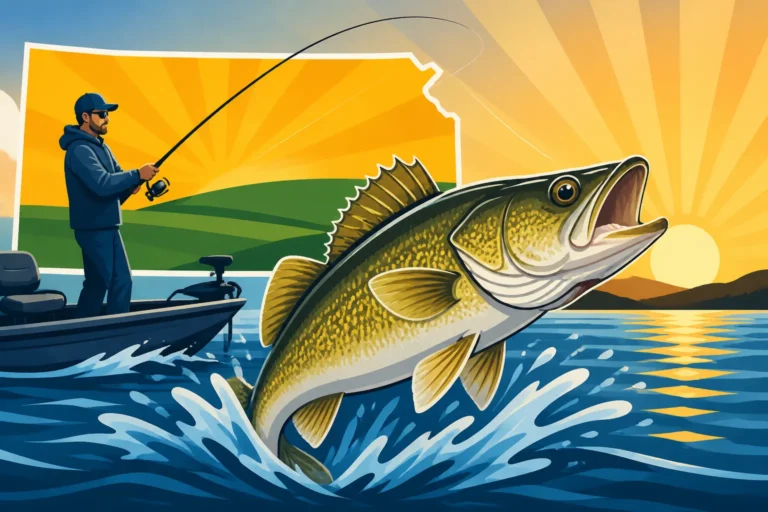
Walleye fishing at Lovewell Reservoir can be incredibly rewarding, but let's be honest, it often feels like you're trying to find a needle in a haystack. Many anglers get frustrated trying to crack the code on these elusive fish in this north-central Kansas gem. This comprehensive guide is here to demystify Lovewell's walleye, sharing proven strategies and insider tips to help you land more of those delicious 'eyes.
Understanding Lovewell Reservoir's Walleye Habitat
Lovewell Reservoir, nestled in Jewell County, is a prime destination for walleye anglers, but understanding its unique underwater landscape is crucial for consistent success. This lake is known for being relatively shallow compared to some of Kansas's larger reservoirs, with an average depth that can change dramatically with water levels. This shallower profile means that environmental factors like wind and temperature can have a more pronounced impact on walleye distribution and activity.
The reservoir's structure is largely influenced by its original riverbed, the Republican River, which now lies submerged beneath its waters. This old river channel, along with various man-made and natural features, creates the highways and hiding spots that walleye utilize throughout the year. Identifying these key areas is the first step to putting more fish in your boat.
Key Structural Features for Walleye
Walleye are masters of relating to structure, and Lovewell offers plenty of options. The old river channel of the Republican River is a primary highway for walleye movement, particularly during migration and when they are seeking deeper, cooler water in the summer. You'll often find them lurking along the edges of this channel, especially where it meets a flat or climbs onto a main lake point. These channel bends and drop-offs provide perfect ambush points.
Beyond the main channel, Lovewell is dotted with subtle humps, submerged roadbeds, and scattered rock piles. These smaller pieces of structure can be absolute goldmines, especially if they are isolated on an otherwise flat bottom. Walleye will use these features for cover, feeding, and even spawning. Pay close attention to any contour changes you see on your sonar, no matter how minor; a foot or two difference in depth can concentrate a school of walleye. Look for areas where wind and current create subtle eddies or push baitfish against these structures.
Finally, flooded timber and brush piles, particularly in the upper reaches of the reservoir and in some of the larger coves, also hold walleye, especially during cooler water periods or low light conditions. While often associated more with crappie or bass, walleye will move into these areas to feed on baitfish that seek refuge among the branches. These spots can be challenging to fish without getting snagged, but the reward can be substantial.
Water Conditions and Walleye Behavior
Water clarity and temperature are paramount for understanding walleye behavior in Lovewell. Walleye are highly light-sensitive fish, preferring low-light conditions. This means they are often more active at dawn, dusk, night, or on overcast days. In Lovewell's typically turbid water, however, they might feed more aggressively during midday hours than in clearer lakes, as the cloudier water naturally reduces light penetration.
Water temperature dictates walleye metabolism and their preferred depth. In spring, as temperatures rise into the 40s and 50s, walleye move shallow for their spawning ritual. As summer progresses and surface temperatures soar, they'll retreat to deeper, cooler water, often suspending over the old river channel or hugging the bottom on main lake points. Fall brings a cooling trend, and walleye often move back to shallower flats and points, feeding aggressively in preparation for winter. Understanding these seasonal movements is critical to successful Lovewell Reservoir Walleye Fishing.
Wind is another major factor. A consistent wind, even a light breeze, can create a "walleye chop" that helps break up light penetration, encouraging walleye to move shallower to feed. It also pushes baitfish, creating feeding opportunities along wind-blown shorelines, points, and flats. Savvy anglers often target the wind-swept side of a lake, or structure on that side, where baitfish and therefore walleye are likely to congregate.
Prime Seasons and Times for Walleye Fishing
Timing is everything when it comes to consistently catching walleye in Lovewell Reservoir. These fish exhibit distinct patterns throughout the year, driven by spawning cycles, water temperatures, and available forage. Matching your techniques to these seasonal behaviors will dramatically improve your chances of success.
While you can catch walleye year-round, there are specific windows that offer peak opportunities. Knowing when and where to find them can save you countless hours of unproductive casting. This section will break down the prime seasons and the tactics that shine during each.
Spring Spawning Run Strategies
Spring is arguably the most anticipated time for walleye anglers at Lovewell. As ice recedes and water temperatures climb into the low 40s to low 50s, walleye begin their annual migration towards traditional spawning grounds. For Lovewell, this typically means the rocky rip-rap along the dam face, the main lake points, and the upper reaches of the reservoir where the Republican River feeds in. The spawning run usually peaks from late March through April, depending on the year's weather patterns.
During this period, male walleye move into these shallower, rocky areas first, often staging just off the main spawning sites. They are aggressive and ready to strike. Females follow, moving in to lay their eggs and then retreating to deeper water relatively quickly. The key here is to target those rocky areas, especially the dam, using slow-presentation baits. Jerkbaits like a Rapala Husky Jerk or a Smithwick Rogue, slowly trolled or retrieved, can be deadly. Jigging with a 1/8 to 1/4 ounce jig tipped with a plastic grub or live minnow is also highly effective, especially when fished right along the rip-rap or over rocky points. For more general guidance, check out our Kansas Fishing Seasons Guide.
Don't overlook the upper end of the reservoir during this time, particularly if there's good current from inflow. Walleye will push into these areas, following the river channel, seeking gravelly bottoms for spawning. A slow troll with crankbaits or even a slip-bobber setup with a live minnow can be very productive here. Remember that during the spawn, fish can be concentrated, but also easily spooked, so a stealthy approach often pays off.
Summer Deepwater Tactics
Once the spring spawn concludes and water temperatures continue to climb into the 70s and 80s, Lovewell's walleye will seek refuge in deeper, cooler water. This usually means they'll be found in the main basin of the reservoir, often relating to the old Republican River channel or suspending over deeper humps and points. They will typically hold at depths ranging from 15 to 30 feet, sometimes even deeper if available, especially during the brightest parts of the day.
Trolling becomes a dominant strategy during summer. Long-lining deep-diving crankbaits that mimic shad or other baitfish is a popular and effective method. Lures like Bandits, Berkley Flicker Shads, or Wally Divers in natural baitfish patterns or bright colors can entice strikes. Adjust your trolling speed and lure depth until you hit the strike zone, often just above the fish you mark on your fish finder. Another excellent option is bottom-bouncing with spinner rigs tipped with live nightcrawlers or leeches. This allows you to cover vast areas of the bottom effectively, presenting an irresistible bait to sluggish summer walleye. Our article on Trolling for Walleye on Kansas Reservoirs provides more detailed strategies.
Night fishing can also be exceptionally productive in summer. As the sun sets, walleye, being light-sensitive, will often move shallower to feed, sometimes coming up to 5-10 feet, especially on wind-blown points or flats near deeper water. Casting stickbaits or jigging with glow-in-the-dark plastics can be highly effective after dark. This is often the time to catch the biggest fish, as they venture out of their deepwater haunts under the cover of darkness.
Fall Feeding Frenzy
As autumn arrives and water temperatures begin to drop, Lovewell's walleye enter a vigorous feeding period, bulking up for the leaner winter months. This can be one of the most exciting times to fish, as the walleye become very aggressive and often more predictable in their locations. They will typically move out of the deepest summer haunts and spread out, often returning to main lake points, submerged humps, and the edges of the old river channel.
During the fall, walleye will often follow baitfish into shallower areas, especially if there's a strong wind. Trolling still remains a top tactic, but you might find success with medium-diving crankbaits over shallower flats or points, or even vertical jigging spoons or blade baits on structure. As the water cools further, live bait such as large shiners or suckers presented on a slip-bobber or a Lindy rig can be irresistible, especially around deeper cover or transitions where baitfish are holding.
Keep an eye on the surface for signs of schooling baitfish, as walleye will often be nearby, pushing them to the surface or ambushing them from below. The fall bite can last well into November, offering fantastic fishing opportunities right up until the water gets too cold or freezes over. This is also a great time to review the Kansas Walleye Length Limits and Kansas Daily Creel Limits by Species to ensure you're fishing legally.
Essential Techniques and Baits for Lovewell Walleye
Catching walleye at Lovewell isn't just about finding them; it's about presenting the right lure or bait in the right way. Walleye can be finicky eaters, and having a diverse arsenal of techniques and baits will greatly increase your chances of success, no matter the season or conditions. From fast-moving trolling presentations to subtle live bait rigs, mastering these methods is key to becoming a successful Lovewell walleye angler.
Many anglers arrive with a "one-size-fits-all" approach, only to leave frustrated. The truth is, walleye require adaptability. What works one day might not work the next, and what works in spring definitely won't be as effective in summer. Being prepared with a variety of options is crucial.
Trolling and Jigging Setups
Trolling is perhaps the most popular and efficient method for covering water and locating walleye in Lovewell, especially across vast flats or along the old river channel. For deep trolling in summer, you'll want medium-heavy casting rods, about 7-9 feet long, paired with line-counter reels spooled with 10-14 lb monofilament or fluorocarbon. This setup allows you to precisely control your lure's depth and distance behind the boat, which is paramount when trying to hit a specific thermocline or structure. Deep-diving crankbaits in shad, perch, or crawfish patterns are staples, but don't shy away from brighter colors on cloudy days or in murky water. For more details on what lures to use, check out our Best Lures for Kansas Walleye guide.
Jigging, on the other hand, is a more vertical, precise technique, perfect for targeting specific pieces of structure like humps, submerged roadbeds, or rip-rap. A sensitive 6'6" to 7' medium-light to medium-power spinning rod with a fast action, paired with a small spinning reel spooled with 6-8 lb braided line (with a fluorocarbon leader), is ideal. This setup allows for excellent feel, detecting those subtle walleye bites. Jig heads ranging from 1/8 to 1/2 ounce, depending on depth and wind, are commonly used. Tip them with soft plastic paddle tails, grubs, or minnow imitators. White, chartreuse, and natural baitfish colors are consistent producers. Vertical jigging spoons, like a Swedish Pimple or a Johnson Silver Minnow, can also be deadly when fish are tight to the bottom and feeding aggressively.
Live Bait Presentations
When walleye get finicky, nothing beats live bait. Minnows are a universal favorite for walleye. For spring and fall, a shiner or fathead minnow on a jig head or under a slip-bobber is hard to beat, especially around spawning areas or shallow feeding flats. The slip-bobber allows you to present the minnow at a precise depth without spooking the fish. For a deeper presentation over structure, a Lindy Rig (a walking sinker, bead, swivel, and a snelled hook) with a lively minnow is excellent.
Nightcrawlers are another walleye magnet, particularly effective when bottom-bounced on a spinner rig in summer. The subtle vibration and flash of the spinner blade, combined with the irresistible scent and wiggle of a 'crawler, can draw strikes from a long distance. Leeches, though less common in Kansas, can also be incredibly effective, especially in cooler water. They are hardy baits that stay active on the hook for a long time, making them a great choice for slip-bobber presentations or even jigging.
Always match your hook size to your bait to ensure natural presentation and good hook sets. Using a VMC Octopus hook or a similar fine-wire hook allows the bait to move freely and ensures better penetration. Remember to check local regulations for any restrictions on baitfish use in Lovewell.
Specific Lures that Produce
Beyond the general categories, certain lures have built a reputation for catching Lovewell walleye. For trolling, Rapala Shad Raps and Wally Divers are classic crankbaits that consistently catch fish, especially in varying depths. For covering water on main lake points or flats, a Berkley Flicker Shad or a Bandit Walleye Deep are excellent choices, available in a huge range of colors to match the forage or water clarity.
When casting or pitching jigs, the ubiquitous "tail dance" style grubs or paddle tails, such as those from Kalin's, Mister Twister, or Keitech, are perennial favorites. Pair them with a lead jig head in chartreuse, white, or pumpkinseed. For a more aggressive presentation, rattling lipless crankbaits like a Bill Lewis Rat-L-Trap can provoke reaction strikes, particularly when walleye are actively chasing baitfish.
In low light or muddy conditions, don't underestimate the power of lures with rattles or vibrations to help walleye locate them. For night fishing, consider using glow-in-the-dark jigs or stickbaits, which can be charged with a flashlight to provide an enticing glow that draws strikes from light-sensitive walleye. Experimentation is key, but these go-to lures will give you a solid foundation for Lovewell Reservoir walleye success.
Navigating Lovewell: Access and Tips
Lovewell Reservoir is designed with anglers in mind, offering a variety of access points and amenities. However, knowing the best places to launch your boat, find bank access, or seek local knowledge can make your trip much smoother and more successful. Don't waste precious fishing time searching for these details; plan ahead to maximize your time on the water.
Sometimes, the best fishing spots are not the most obvious, and local knowledge can be invaluable. Connecting with other anglers or local resources can give you that extra edge needed to consistently catch fish. Remember, while a good map shows you the physical features, local insights show you how the fish relate to them.
Public Access Points and Boat Ramps
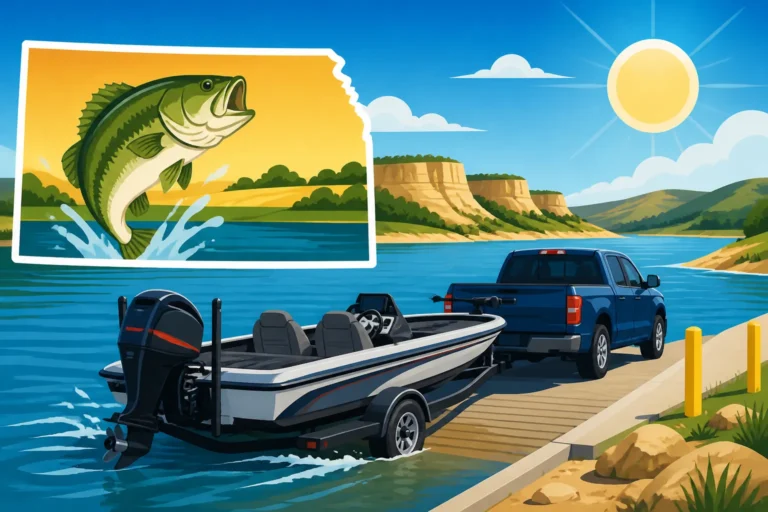
Lovewell Reservoir offers several excellent public boat ramps that cater to anglers. The main boat ramp located within Lovewell State Park on the south side of the reservoir is well-maintained and provides easy access to the main body of water. This ramp is typically open year-round, conditions permitting, and has ample parking, making it a popular choice for larger boats. From here, you can quickly reach the dam face, main lake points, and the deeper areas of the old river channel.
Another popular access point is the Halfway House Boat Ramp, situated roughly in the middle of the reservoir on the south shore. This ramp also offers good access and is often less crowded than the main park ramp, particularly during peak seasons. For anglers looking to explore the upper end of the reservoir, especially during the spring spawn or when the river inflow is strong, there might be less developed ramps or shore access points that allow smaller boats or kayaks to get into the river arm. Always check the water levels and ramp conditions before heading out, especially after heavy rains or during prolonged dry spells. More information on specific locations can be found at Lovewell Reservoir Fishing Access.
For those without a boat, Lovewell also provides decent bank fishing opportunities, particularly along portions of the state park shoreline and near the dam. While bank fishing for walleye can be challenging, focusing on rocky points, wind-blown shorelines, or areas near culverts and submerged structures can yield results, especially during spring and fall. A medium-heavy rod with enough casting power to reach deeper water is advisable for shore anglers targeting walleye.
Local Angler Insights and Resources
One of the best ways to shorten your learning curve on Lovewell is to tap into the knowledge of local anglers. While some secrets are tightly held, many passionate anglers are happy to share general patterns, current conditions, or successful techniques if approached respectfully. Striking up conversations at the bait shop, boat ramp, or local tackle store (like the ones you might find near Republic or Mankato) can provide invaluable, up-to-the-minute information.
Online fishing forums and social media groups dedicated to Kansas fishing can also be a treasure trove of information. Anglers often post fishing reports, ask questions, and share photos of their catches, giving you a real-time pulse on what's working and where. Be sure to sift through the information, as not everything online is always accurate, but it's a great starting point for understanding current trends.
If you're still feeling a bit lost or want a truly personalized experience, consider booking a trip with a local fishing guide. Services like FishingBooker can help you find experienced captains who spend countless hours on Lovewell, offering invaluable insights into current walleye patterns. A good guide can teach you specific techniques, reveal productive spots, and drastically improve your success rate in just a single outing. They know the lake's moods and subtleties that only come with years of experience, and can often provide all the necessary gear. For those looking for a comprehensive overview of walleye strategies, our Kansas Walleye Fishing Guide offers a great foundation.
Lovewell Reservoir is a fantastic destination for walleye, offering diverse fishing opportunities throughout the year. With the right knowledge of its unique habitat, seasonal patterns, and effective techniques, you'll be well on your way to enjoying some incredible walleye action.
| Season | Primary Location | Typical Depth | Recommended Baits/Lures | Key Techniques |
|---|---|---|---|---|
| Spring | Dam rip-rap, rocky points, river inflow | 5-15 feet | Live minnows, jerkbaits, jigs with plastics | Jigging, slow trolling, slip-bobber |
| Summer | Old river channel, deep humps, main lake points | 15-30+ feet | Deep-diving crankbaits, bottom bouncers with 'crawlers | Trolling, night fishing, vertical jigging |
| Fall | Main lake points, submerged humps, shallower flats | 10-25 feet | Crankbaits, jigs, live shiners/suckers | Trolling, casting, Lindy rigging |
| Winter (Ice) | Main lake points, humps, channel edges | 10-25 feet | Jigging spoons, small jigs with plastics/minnows | Vertical jigging, deadsticking |
Disclaimer
Please be aware that fishing conditions, regulations, and fish behavior can change rapidly. Always consult the latest official Kansas Department of Wildlife, Parks and Tourism (KDWPT) regulations before heading out on the water. This guide is for informational purposes only and does not guarantee fishing success. Always prioritize safety, especially when on the water or ice.