Night Fishing Tips for White Bass
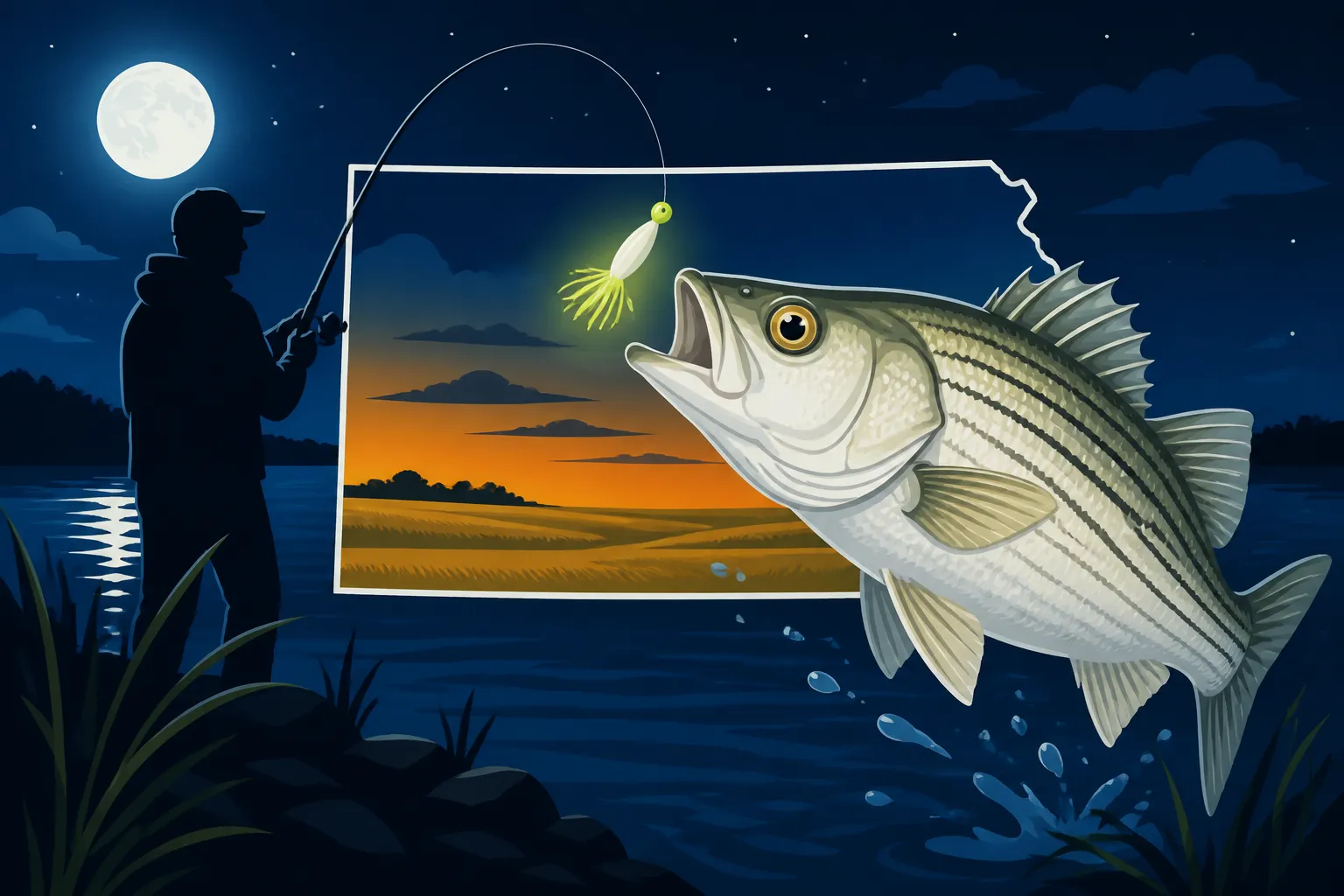
When the sun dips below the horizon in Kansas, many anglers pack up their gear, but for those in the know, that's when some of the most exciting fishing begins. White bass, often a challenging catch during the bright daylight hours, become incredibly active and aggressive under the cover of darkness. If you've ever felt frustrated by elusive daytime bites, this guide is your ticket to unlocking a whole new world of successful night fishing for these hard-fighting beauties.
Why Night Fishing for White Bass is a Game Changer in Kansas
Fishing after dark might seem a little unconventional to some, but for white bass anglers, it's a tactic that consistently pays off. There's a whole shift in the aquatic environment when night falls, and white bass are perfectly adapted to take advantage of it. It’s not just about avoiding the heat of a Kansas summer day; it's about tapping into their natural instincts and behavior patterns.
The Behavioral Shift of White Bass at Night
During the day, especially on clear, calm lakes like Cheney Reservoir or Milford Lake, white bass can be wary, scattering at the sight of boats or shadows. But when darkness descends, their shyness often melts away. White bass are visual predators, but they're also masters of low-light conditions. Their eyes are incredibly efficient at gathering whatever ambient light is available, giving them an edge over much of their prey. This means they'll often feed more aggressively and be less spooked by your presence.
Think about it: the big schools of shad and other baitfish, which are their primary food source, tend to disperse and move closer to the surface or shallower structures under the cover of night. White bass follow this movement, often concentrating in predictable areas. This makes them easier to locate and target. The reduced boat traffic and noise also contribute to a calmer environment, allowing fish to settle into more natural feeding patterns without constant disturbance. It's a prime window of opportunity that many anglers overlook.
Environmental Factors Favoring Night Angling
The cooler water temperatures that come with nightfall are another significant factor, especially during the sweltering Kansas summers. Just like us, fish can get sluggish in super-warm water. As the surface water cools down overnight, white bass often become more energized and active, leading to more frequent and more powerful strikes. This is particularly true in large, shallow reservoirs where water temperatures can soar during the day.
Furthermore, the lack of direct sunlight often pushes baitfish schools into more concentrated patterns or shallower depths, particularly around any source of artificial light. This is where you, the night angler, come in. By strategically using lights on your boat or even submersible lights, you can effectively create your own localized feeding frenzy, attracting both baitfish and the hungry white bass that follow them. It's like flipping a switch that activates the entire food chain right under your boat.
Essential Gear for Successful Night White Bass Angling
Stepping out onto the water after dark requires a bit more preparation than a daytime trip. Safety is paramount, of course, but having the right tools for the job will also dramatically increase your chances of success. You're not just fishing in the dark; you're leveraging the dark to your advantage, and that means choosing your equipment wisely.
Lighting Up Your Night Fishing Experience
When it comes to night fishing, light isn't just about seeing; it's about attracting. You'll need a couple of different types of lighting. First, for safety and practical purposes, a reliable headlamp is non-negotiable. Look for one with a red-light option to preserve your night vision while still allowing you to tie knots or unhook fish. Many excellent, durable headlamps are available on Amazon.
Beyond personal lighting, consider how you'll illuminate the water. Submersible fishing lights are incredibly effective. These are typically green or white LED lights that you drop into the water, and they create a glowing column that attracts plankton, then baitfish, and finally, the white bass you're after. They can be battery-powered or connect to your boat's 12-volt system. Another option is bright LED boat lights or spotlights directed at the water, which can create a similar effect. Just make sure your boat's navigation lights are functioning correctly and always on when you're moving to comply with Kansas boating safety equipment requirements. Safety first, always!
Rods, Reels, and Tackle for After-Dark Action
For white bass, you're generally looking for a sensitive but sturdy setup. A medium-light to medium power spinning rod, around 6 to 7 feet long, paired with a 2000-3000 size spinning reel, is a fantastic all-around choice. This provides enough backbone to handle a fighting white bass while still allowing you to feel subtle bites. Consider a rod with a fast action tip, which enhances sensitivity.
When it comes to line, 6-10 pound test monofilament or fluorocarbon is usually sufficient. Some anglers prefer braided line for its sensitivity and strength, but you might want to add a fluorocarbon leader for stealth, especially if the fish are being finicky. As for lures, anything that glows or has reflective properties is excellent. Small spoons, inline spinners like Rooster Tails, and lipless crankbaits in chrome, white, or chartreuse are common choices. Soft plastic swimbaits or grub tails on jig heads, especially those that can be charged with a flashlight to glow, are also highly effective. Check out the best lures for Kansas white bass, as many of those also work well at night.
Consider having a variety of weights in your tackle box. Sometimes, white bass will be suspended, and a heavier jig head might be needed to get your bait down quickly. Other times, they might be near the surface, and a lighter lure is all it takes. Brands like Strike King and Bomber often offer baits with good glow or reflective properties that are readily available. You can often find great multi-packs of these essential items on Amazon.
| Night Fishing Light Type | Primary Purpose | Pros | Cons |
|---|---|---|---|
| Headlamp (Red Light) | Personal vision, knot tying | Preserves night vision, hands-free, essential for safety and basic tasks. | Does not attract fish, can be blinding if accidentally shined in others' eyes. |
| Submersible LED Light | Attracting baitfish & game fish | Highly effective at concentrating bait, creates a localized ecosystem, less light pollution on boat. | Requires power source (battery or boat), can be costly, potential for entanglement/damage. |
| Boat-Mounted Spotlight | Navigation, distant illumination | Powerful for spotting hazards, can be directed to attract fish to specific areas. | Can spook fish if too bright/direct, drains battery quickly, creates glare for other boaters. |
| Lantern/Area Light (Boat) | Ambient light for deck tasks | Provides general visibility for rigging, sorting tackle, comfortable for working. | Attracts bugs, can be too bright for maintaining full night vision, can spook wary fish. |
Top Techniques for Catching White Bass After Dark
Night fishing for white bass isn't just about casting and hoping; it involves specific strategies that capitalize on their nocturnal behavior. The key is often to use light to your advantage, mimicking what naturally happens in the underwater world.
Utilizing Boat Lights and Submersible Lights
Once you've anchored or positioned your boat over a promising spot – perhaps a submerged hum, a channel edge, or near a dam face – deploy your submersible light. These lights work by attracting plankton, which then draws in schools of shad and other small baitfish. The white bass, being opportunistic predators, will soon follow, lurking in the periphery of the light or making aggressive passes through the illuminated bait schools. This "light column" creates a concentrated feeding zone.
Once the baitfish arrive, start casting small spoons, jigs, or grubs into the edges of the light, letting them sink a bit, and then retrieving with a steady, moderate pace. White bass will often ambush from the darker areas, so don't just focus on the brightest part of the light. Experiment with different retrieve speeds and depths. Sometimes a slow, steady retrieve is all it takes, other times a quick twitch or pause can trigger a strike. It's a fantastic technique for catching numbers of fish, and the action can be non-stop once the bite turns on. This is especially effective in areas like the upper end of Milford Lake where the Republican River feeds in.
Casting and Retrieving in Darker Waters
While lights are great for creating a specific feeding zone, you don't always need them to catch white bass at night. Many times, white bass will be actively feeding in darker areas, especially near structures like riprap shorelines, rocky points, or submerged timber. These are areas that hold baitfish even without artificial light. Here, your best bet is often to cast lures that either glow, rattle, or have a strong vibration. Lipless crankbaits, spinnerbaits, or even larger inline spinners can be incredibly effective.
Cast these lures parallel to the shoreline or structure, allowing them to sink to different depths before starting your retrieve. The key is to cover water and find where the fish are holding. White bass are schooling fish, so where you catch one, there are likely many more. A slower retrieve can often be more productive at night, as fish may be less aggressive in chasing down fast-moving prey. Pay close attention to your line for any subtle bumps or resistance, as white bass bites can sometimes be light before they really load up the rod.
Vertical Jigging for Suspended Schools
When white bass are holding in deeper water, or when they're suspended over structure that you've identified with your fish finder, vertical jigging can be a deadly technique. This is particularly useful when you're fishing under a boat light, as the fish will often orient themselves directly beneath the light or slightly off to the side. Use smaller spoons, blade baits, or heavy jig heads tipped with soft plastics.
Drop your lure straight down to the depth where you're marking fish. Once there, use a sharp, upward snap of the rod tip, then let the lure flutter back down on a semi-slack line. Many strikes will occur on the fall, so watch your line carefully for any pauses or sudden movements. Vary your jigging cadence – some nights a fast, aggressive jigging motion works best, while other times a slow, rhythmic lift and fall will entice more bites. This method allows you to precisely target fish that might not be willing to chase a horizontally moving lure. You can often check your fish finder screen to see if fish are responding to your presentation.
Top Kansas Spots for Night White Bass Action
Kansas is blessed with numerous reservoirs and rivers that offer excellent opportunities for night fishing, especially for white bass. While the techniques remain similar, knowing where to focus your efforts can make all the difference. Remember to always consult the Kansas Fishing Regulations Explained for specific rules and limits for each body of water.
Milford Lake: A Premier Destination
Milford Lake, being the largest lake in Kansas, offers vast opportunities for white bass, and it truly shines after dark. The white bass population here is robust, and they frequently school up in massive numbers. One of the prime areas is near the dam face and along the riprap, especially during the warmer months. These areas tend to concentrate baitfish, and the white bass are never far behind.
The coves and points along the main lake body, particularly those with deeper water access or subtle changes in contour, are also excellent spots. Look for areas where the main river channel winds through the lake. When the white bass run starts at Milford Lake, anglers often find success below the dam on the Republican River at night, casting into the current. Using submersible lights in these areas can create phenomenal action, with schools of white bass rising to feast on the concentrated baitfish. Always exercise caution when navigating Milford Lake at night, as it can be a large and complex body of water.
Cheney Reservoir: Western Kansas Hotspot
Out in western Kansas, Cheney Reservoir is another fantastic choice for night white bass fishing. Known for its strong populations of various game fish, including white bass, Cheney offers clear waters that make night lighting even more effective. The rock jetties and the dam area are prime locations, as are the numerous submerged humps and old creek channels throughout the main lake.
During the summer, when the daytime heat can make fishing tough, the cooler nights at Cheney can bring the white bass out in force. Focus your efforts around any underwater structure you can find on your fish finder, and don't hesitate to move around if you're not getting bites. Sometimes a subtle depth change or a small cluster of brush can hold a massive school of fish. Anglers targeting wiper fishing at Cheney Reservoir often find similar success with white bass using the same techniques at night.
Wilson Lake and Tuttle Creek Lake: Other Great Options
Wilson Lake, often called "Kansas's clearest lake," can be a fantastic, albeit sometimes challenging, night fishing spot for white bass. The clear water means the white bass might be a bit more finicky, but when you find them, the bite can be aggressive. Look for them around the rocky points and main lake humps. Patience and precise lure presentation are key here.
Tuttle Creek Lake, near Manhattan, also offers good night fishing for white bass, especially in its lower sections and near the dam. The lake's riverine nature means current can be a factor, which white bass love. Pay attention to the areas where the current breaks or slows, as these are natural ambush points. Both of these lakes have excellent public access, including boat ramps, making it easier to get out for an evening session. Remember that a Kansas fishing license guide will help you understand all the necessary permits before you head out.
Final Thoughts for the Night Angler
Night fishing for white bass in Kansas is an experience that every angler should try. It's peaceful, exciting, and often incredibly productive. The quiet calm of a moonlit lake, broken only by the splash of a jumping fish or the hum of your boat, is truly something special. Remember to prioritize safety, especially when navigating in the dark. Always have all your necessary safety gear, know your boat, and be aware of your surroundings.
Don't be afraid to experiment with different lures, depths, and retrieve speeds. White bass can be particular one night and aggressive the next. The beauty of it is that when you find that magic combination, the action can be fast and furious. So, grab your gear, maybe pick up some new glow-in-the-dark lures from Amazon, and embrace the darkness. You might just discover your new favorite way to fish for white bass in Kansas.
Disclaimer
Fishing regulations and conditions can change rapidly. Always consult the official Kansas Department of Wildlife, Parks and Tourism (KDWP) website or their most current printed regulations guide before heading out on the water to ensure compliance with all laws and safety guidelines. This guide is for informational purposes only and should not replace official KDWP resources.