How to Catch White Bass on the Republican River
There’s nothing quite like the excitement that builds in early spring when anglers across Kansas start thinking about the white bass run. It’s a truly exhilarating experience, but trying to pinpoint the best spots and techniques on a river system like the Republican can feel like a guessing game. This guide is here to cut through the confusion, offering a deep dive into how you can effectively target and catch white bass on the Republican River, transforming those frustrating days into memorable catches.
Understanding the Republican River's White Bass Run
The Republican River white bass run is a highly anticipated annual event for Kansas anglers. It's not just a random movement of fish; it's a critical part of their life cycle, driven by instinct and environmental cues. Knowing the "why" and "when" behind this migration is your first step to success.
The Annual Migration and Its Timing
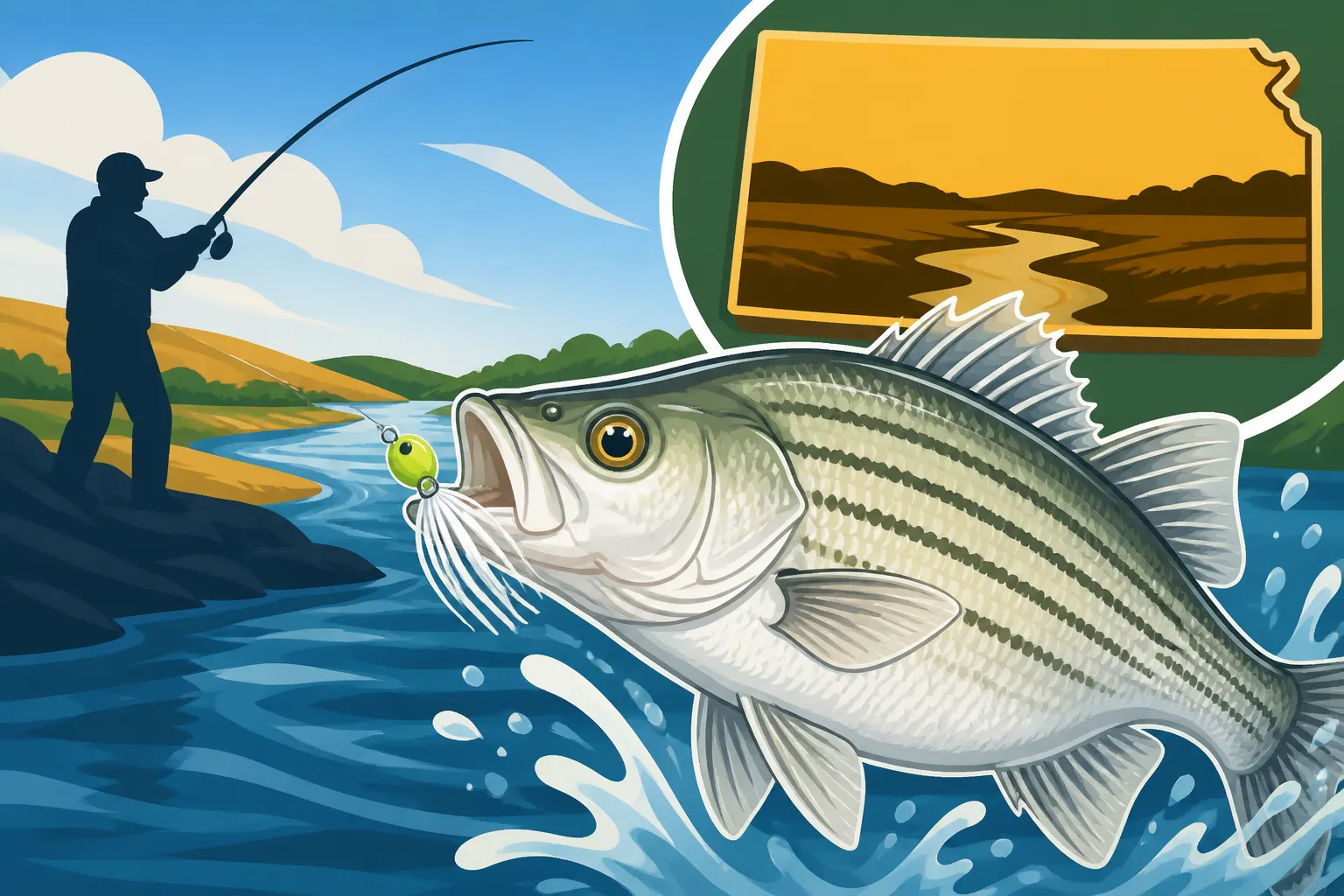
Every spring, as the ice recedes and water temperatures begin to climb, white bass begin their upstream migration from larger reservoirs into tributary rivers to spawn. For the Republican River, this primarily means the white bass making their journey out of Milford Lake, heading north. This instinctual surge is a biological imperative, and it creates incredible fishing opportunities as thousands of fish congregate in relatively confined areas.
The timing of this run is perhaps the most crucial, and often the most frustrating, factor. It’s rarely the same date year after year, hinging instead on a delicate balance of water temperature and flow. Generally, you can expect the white bass run to kick off when river temperatures consistently hit the upper 40s to low 50s Fahrenheit, usually sometime between late March and early May. A sudden warm spell after a period of cold can trigger a burst of activity, while a cold front or heavy rain can temporarily shut it down or alter conditions dramatically. Many experienced anglers keep a close eye on the When Does the White Bass Run Start? news releases from the Kansas Department of Wildlife and Parks (KDWP) or local fishing reports. It’s a common frustration to miss the peak by a week, so staying informed is key.
Key Sections of the Republican River for White Bass
While white bass will travel upstream for miles, certain sections of the Republican River become absolute hotspots during the run. These are generally areas that offer a combination of ideal spawning habitat, current breaks, and easier access. The stretch of river immediately upstream from Milford Lake, particularly near major access points and bridge crossings, is often the first place to see significant action.
As they push further upstream, white bass will seek out gravel bottoms, riffles, and shallow shoals where they can deposit their eggs. Look for areas with a noticeable current but also nearby deeper pools or eddies where fish can rest out of the main flow. Tributaries feeding into the Republican River can also be productive, as white bass might temporarily move into these smaller streams if conditions are favorable. Towns like Clay Center, Concordia, and other points along the river offer potential access, often near public lands or bridge crossings that provide natural congregating points for both fish and anglers. The river itself, flowing through open plains, tends to have a more gradual slope, but even subtle changes in depth, current, or bottom composition can concentrate fish. Understanding the Kansas River Fishing Guide can give you a broader perspective on river dynamics, which are crucial for success in the Republican.
Essential Gear and Tackle for Republican River White Bass
You don't need a boatload of specialized equipment to catch white bass on the Republican River, but having the right tools for the job will significantly increase your success and enjoyment. These fish are feisty, and river fishing can be demanding on your gear.
Rods, Reels, and Line Choices
For white bass in a river setting, a medium-light to medium action spinning rod is generally your best bet. A rod in the 6-foot to 7-foot range offers a good balance of casting distance, sensitivity for detecting subtle bites, and enough backbone to handle a fighting white bass in current. Longer rods can be advantageous for reaching across wider sections or keeping more line off the water, especially when wading. Brands like Ugly Stik or St. Croix offer durable options that stand up well to the rigors of river fishing.
Pair your rod with a reliable spinning reel in the 2000- to 3000-series size. These reels hold a good amount of line and have a smooth drag system, which is crucial when a school of aggressive white bass hits your lure. As for line, you have a few good choices. A 6-pound to 10-pound monofilament or fluorocarbon line is very popular. Monofilament offers good knot strength and stretch, which can be forgiving with hard-hitting fish. Fluorocarbon is nearly invisible underwater and has less stretch, providing more sensitivity. Alternatively, many anglers opt for 10-pound to 15-pound braided line, especially if they are making long casts or fishing in areas with snags. Braid offers superior sensitivity and strength for its diameter, but you'll want to tie a fluorocarbon or monofilament leader (around 18-24 inches) to it, as white bass can be line-shy in clearer river conditions. Think about the durability and performance you're looking for; you can find a wide range of suitable rods, reels, and lines on platforms like Amazon, offering competitive prices and convenient delivery. While you might be focusing on river white bass, understanding the principles for selecting a good Best Rod and Reel Combo for Walleye can also give you insight into choosing appropriate gear for hard-fighting fish.
Lures and Baits That Get Bites
White bass are aggressive predators, and they respond well to lures that mimic small baitfish or display a lot of flash and vibration. Keeping your tackle box stocked with a few key items will prepare you for most situations on the Republican River.
- Small Jigs with Plastic Grubs: These are arguably the most effective lures for river white bass. Opt for 1/8-ounce to 1/4-ounce lead head jigs, paired with 2-inch or 3-inch plastic grubs, curly-tailed baits, or straight-tailed minnow imitations. White, chartreuse, and pearl are perennial favorites, but don't hesitate to experiment with brighter colors like pink or orange, especially in stained water. The key is to present these jigs in a way that mimics a wounded baitfish, often by letting them drift with the current and giving them subtle twitches.
- Inline Spinners: Classic inline spinners like Rooster Tails or Mepps Aglias are incredibly effective. Their spinning blade creates flash and vibration that white bass can't resist. Sizes from 1/8-ounce to 1/4-ounce are ideal. Silver, gold, or brass blades with white, chartreuse, or black dressings are common producers.
- Small Crankbaits: Shallow-diving crankbaits that mimic shad or minnows can also be deadly, especially when fish are suspended or holding in deeper pools. Look for models like Rapala Shad Raps or Bomber Model A's in sizes appropriate for white bass. Natural baitfish patterns or bright colors work well depending on water clarity.
- Spoons: Small, flashy spoons such as Kastmasters, Little Cleos, or even Dardevles can be very effective, especially for casting long distances or when white bass are actively schooling. Silver or gold finishes are standard.
- Live Bait: While lures are often more efficient for covering water and catching numerous fish, live bait can be incredibly effective, particularly when the bite is tough. Small minnows or shad, fished under a bobber or on a simple bottom rig, can entice hesitant white bass. However, be mindful of local regulations regarding baitfish use.
Remember, white bass can be incredibly opportunistic, so having a variety of these lures and being willing to switch until you find what they're hitting is crucial. Many anglers will stock up on these versatile lures through online retailers like Amazon, ensuring they have a good selection of sizes and colors before hitting the water. You can explore more options and detailed recommendations in guides like Best Lures for a White Bass Run.
Proven Techniques for Targeting White Bass in the River
Catching white bass in a river isn't just about having the right gear; it's about understanding their behavior and adapting your presentation to the dynamic environment of flowing water.
Casting and Retrieving Strategies
When fishing the Republican River for white bass, you'll want to employ casting and retrieving strategies that present your lure naturally to fish holding in or near the current. Fan casting is a highly effective method, where you cast to different angles across a section of water, effectively covering a wider area and increasing your chances of finding a school. Start by casting upstream and letting your lure drift down with the current, retrieving it just fast enough to keep it off the bottom or to activate its action.
Varying your retrieve speed is paramount. Sometimes white bass want a fast, aggressive retrieve that triggers a reaction strike. Other times, especially if the water is colder or the fish are less active, a slower, more subtle retrieve is necessary. Pay close attention to where the bites occur—was it on the fall, during a pause, or when you sped up? This feedback tells you how the fish want the lure presented. For jigs, a popular technique is the "lift and drop," where you lift your rod tip to pull the jig forward, then let it fall naturally on a semi-slack line. Many strikes happen on the fall. Another effective method, especially in stronger currents, is the "swing" technique. Cast your jig or spinner upstream and across the current, letting it swing downstream and into the target zone as it slowly sinks. This natural presentation can be irresistible. Don't be afraid to experiment; white bass can be finicky one day and ravenous the next.
Understanding Current and Structure
The current is both your friend and your foe when river fishing for white bass. It dictates where the fish will hold, where they'll feed, and how they'll react to your lure. White bass, like most river fish, will position themselves to expend the least amount of energy while having easy access to passing food. This means they often congregate in or near current breaks.
Look for features that disrupt the main flow of the river, creating calmer water behind them. These can be:
- Logjams and Fallen Trees: These provide cover and a break from the current. Fish the edges and immediately downstream of these structures.
- Rock Piles and Boulders: Similar to logjams, large rocks create eddies and current seams. Cast upstream of these features and let your lure drift past them.
- Seams and Eddies: Where faster water meets slower water, or where the current swirls back on itself, these are prime feeding zones. White bass will often sit in the slower water, darting into the current to grab prey.
- Drop-offs and Deeper Holes: While white bass are often found in shallower spawning areas during the run, nearby deeper holes offer refuge and staging areas, especially during bright midday conditions or after a cold front.
- Bridge Pilings: The pilings of bridges create significant current breaks and eddies, making them excellent spots to target.
Fishing the upstream side of structure, letting your lure wash into the "strike zone," can be incredibly effective. Likewise, fishing the calmer water immediately downstream of an obstruction can yield great results. Learning how to read the water – identifying these subtle changes in current and structure – is a skill that will dramatically improve your white bass fishing, and it’s a concept that applies broadly, whether you're trying to figure out How to Find White Bass Below a Dam or navigating a river.
Access Points and Best Practices on the Republican River
Getting to the fish is half the battle, and once you're there, ensuring you're fishing responsibly and safely is paramount. The Republican River offers various access points, but knowing the rules and best practices will make your trip smoother.
Popular Public Access Locations
The Republican River flows through several counties in Kansas, offering numerous public access points, though some may require a bit of exploration to find the best fishing spots. The areas upstream from Milford Lake, around towns like Junction City, Clay Center, and Concordia, are often targeted during the white bass run. Look for public parks, wildlife areas, and state-owned land that border the river. Many bridge crossings also offer informal access, though you should always be mindful of private property signs and avoid trespassing.
Bank fishing is a very popular and effective way to target white bass in the river. Wading can also be incredibly productive, allowing you to get closer to mid-river structure and cover more water. Just be sure to wear appropriate wading boots with good grip, as river bottoms can be slick and uneven. If you're considering a small boat or kayak, understand that river conditions can change rapidly with current and obstacles. Kayaks are becoming increasingly popular for river fishing due to their maneuverability; if you're interested in this option, check out a Kansas Kayak Fishing Gear Guide for tips on equipment. Always check local KDWP maps or contact regional offices for the most up-to-date information on public access points. Remember, respectful use of these areas ensures they remain available for everyone.
River Safety and Conservation Tips
Fishing on a river, especially during a high-energy event like the white bass run, comes with inherent risks. Safety should always be your top priority.
- Wading Safety: If you plan to wade, understand the current. Even seemingly shallow water can have strong currents that can sweep you off your feet. Always wade with a buddy, use a wading staff for stability, and shuffle your feet to avoid hidden holes or slippery rocks. Wear a Kansas Life Jacket and Boating Safety Guide for peace of mind, even if you’re just wading; currents can be unforgiving.
- Boating Safety: For those using small boats or kayaks, be acutely aware of snags, submerged trees, and shallow areas. River levels can fluctuate, exposing new hazards. Always wear a life jacket, ensure your vessel has all required safety equipment, and let someone know your float plan.
- Respect Private Property: Much of the land bordering the Republican River is privately owned. Always secure permission before venturing onto private land. Respect signs, close gates, and leave no trace.
- Catch and Release / Limits: White bass can be incredibly prolific, and during the run, it's easy to catch a lot of fish. Always be aware of the Kansas Daily Creel Limits by Species for white bass and other species you might encounter. While it’s exciting to catch many, consider practicing selective harvest or catch and release to help maintain healthy fish populations.
- Leave No Trace: Pack out everything you pack in, including fishing line, bait containers, and any other trash. Our rivers are precious resources, and it's up to us to keep them clean.
Understanding the broader Kansas Fishing Regulations Explained is also vital to ensure you're compliant with all state laws. It's not just about the license; it's about respecting the resource and contributing to sustainable fishing for future generations.
Maximizing Your White Bass Success
Beyond the basic gear and techniques, paying attention to environmental cues and being adaptable are what truly set successful white bass anglers apart. The Republican River is a dynamic system, and conditions can change quickly.
Reading Water Conditions and Weather
White bass, like all fish, are heavily influenced by their environment. Learning to read the water and understand the impact of weather can dramatically improve your catch rates.
- Water Levels and Clarity: Recent rainfall can be a double-edged sword. A moderate rain can increase flow and trigger fish movement, washing bait into the river. However, heavy rains can turn the river into a muddy torrent, reducing visibility and spreading fish out, making them harder to find. Clear, stable water conditions are often ideal, but white bass can be caught in slightly stained water too.
- Temperature Fluctuations: Water temperature is the primary driver of the white bass run. A consistent warming trend is good, but a sudden cold front can put the fish off the bite for a day or two. Pay attention to air temperatures and water temperature readings. Cold, clear nights followed by warm, sunny days can cause surface temperatures to rise quickly, which often gets fish active.
- Time of Day: While white bass can bite all day during the peak of the run, dawn and dusk often provide the best opportunities. Lower light conditions make fish feel more secure to feed aggressively. Overcast days can extend this prime bite throughout the day. Conversely, bright, sunny, midday conditions might push fish into deeper, shadier areas or tight against current breaks. Knowing the Best Time of Day to Fish in Kansas can often apply across species, including white bass.
Adapting Your Approach
One of the biggest mistakes anglers make is sticking to a single technique or lure when it's not working. White bass fishing, especially in a river, demands flexibility and a willingness to adapt.
- Change Lures and Colors: If you're not getting bites with one lure, don't be afraid to switch. Try a different color jig, a different type of spinner, or even a small crankbait. Sometimes a subtle change is all it takes to trigger a strike. White bass can be picky, and what worked yesterday might not work today.
- Vary Your Retrieve: Experiment with retrieve speed and action. Try a faster retrieve, then a slower one. Add pauses, jerks, or bounces to your jig. The fish will tell you what they prefer through their bites.
- Stay Mobile: White bass are schooling fish, and they move. If you're not catching fish in one spot, don't sit there for hours. Move upstream, downstream, or to a different piece of structure. Sometimes, walking 50 yards can put you on a whole new school of active fish. The run can be intense but also localized, so keeping mobile is crucial.
- Observe and Learn: Pay attention to what other successful anglers are doing (respectfully, of course). Are they using different lures? Fishing a different depth? Their success might offer clues for your own. Also, observe any baitfish activity – where are the minnows congregating? White bass will likely be nearby.
Being patient, observant, and adaptable will not only increase your success on the Republican River but will also make you a more well-rounded angler for all your Kansas fishing adventures. Before heading out, remember to always possess a valid Kansas Fishing License Guide, as it's a fundamental requirement for fishing any public water in the state. Even if you plan on Do You Need a License to Fish From the Bank in Kansas?, the answer is almost always yes for adults.
Here’s a quick overview of some recommended gear and lures for different river conditions:
| River Condition | Recommended Rod/Reel | Line Type (Test) | Go-To Lures | Retrieval Strategy |
|---|---|---|---|---|
| Clear/Stable Water | Medium-light spinning (6-7ft) | Fluorocarbon (6-8lb) | White/Pearl Jigs (1/8oz), Small Silver Spinners, Natural Crankbaits | Slow, subtle jigging; steady spinner retrieve |
| Stained/Rising Water | Medium spinning (6.5-7ft) | Braided (10-15lb) + Mono Leader | Chartreuse/Orange Jigs (1/4oz), Gold Spinners, Bright Crankbaits | More aggressive jigging; faster spinner retrieve; "rip-jigging" |
| Strong Current | Medium spinning (7ft) | Braided (15lb) | Heavier Jigs (1/4oz+), Spoons | Cast upstream, let drift and swing; quick retrieve to keep off bottom |
| Weak Current/Deeper Holes | Medium-light spinning (6ft) | Monofilament (6-8lb) | Small Jigs (1/8oz), Small Crankbaits | Slow roll, lift & drop; pausing retrieve |
Disclaimer
The information provided in this guide is for general informational purposes only and is not intended as legal advice regarding fishing regulations. Fishing rules and conditions can change frequently. Always consult the most current Kansas Department of Wildlife and Parks (KDWP) regulations and local ordinances before engaging in any fishing activities. Adherence to all applicable laws and safety guidelines is the sole responsibility of the angler.