Where Walleye Spawn
For many Kansas anglers, the quest for walleye is a year-round passion, but springtime brings a unique challenge: locating these elusive fish during their spawning run. It can be incredibly frustrating to hit the water when you know the walleye are active, only to come up empty-handed because you're not targeting the right areas. This guide is dedicated to demystifying where walleye spawn in Kansas, helping you understand their patterns, identify prime locations, and approach these spots responsibly for a more successful and ethical fishing experience.
Understanding Walleye Spawning Behavior in Kansas
Walleye are fascinating fish, and their spawning ritual is a critical time for their population, and for us anglers who pursue them. They're not just going to drop eggs anywhere; they have very specific preferences when it comes to laying their future generations. Knowing these preferences is like having a secret map to where they'll be concentrated.
The Ideal Spawning Conditions for Walleye
When spring arrives in Kansas, the warming water temperatures are the primary trigger for walleye to begin their annual spawn. They're looking for that sweet spot, not too cold, not too warm, where their eggs have the best chance of survival. Typically, this occurs when water temperatures climb into the 40s and low 50s Fahrenheit. You might see some early movers when the water hits around 42-45°F, but the peak activity often happens closer to the 48-52°F range. This window can shift slightly year to year based on how quickly spring warms up, so keeping an eye on water temperature gauges is key.
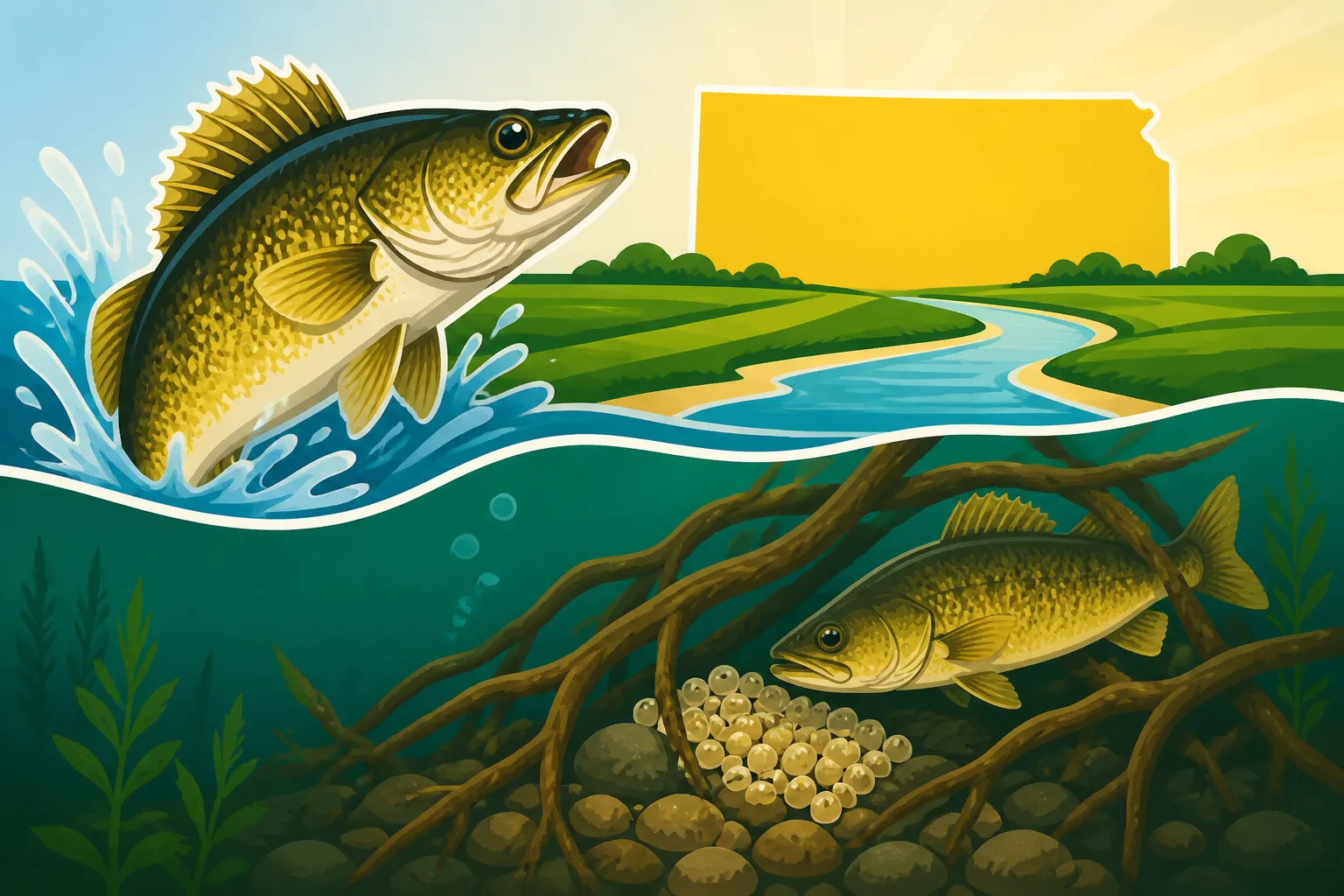
Beyond temperature, the structure of the spawning bed itself is paramount. Walleye are what we call "broadcast spawners," meaning they scatter their sticky eggs over suitable substrate rather than building nests. They need hard, clean bottom types where their eggs can adhere and get plenty of oxygenated water flow, preventing them from being suffocated by silt or eaten by bottom-dwelling scavengers. Areas that have a good current or wave action are particularly attractive because this natural movement keeps the eggs clean and well-aerated.
Timing is Everything: When Walleye Spawn
The walleye spawn in Kansas is a relatively short but intense period, usually kicking off in late March and extending through April, though it can bleed into early May in colder years or northern parts of the state. It's often one of the earliest major game fish spawns of the year, sometimes even before the ice is completely off the far northern coves in some reservoirs. During this time, the males typically move into the spawning areas first, waiting for the females. Once the females arrive, the actual spawning activity usually happens at night or during low-light conditions, which is a great tip for anglers planning their trips.
The weather patterns leading up to and during the spawn can significantly influence when and how intense the activity will be. A prolonged cold snap can delay the spawn, pushing it back a week or two, while a sudden warm spell can kick it into high gear very quickly. It's not uncommon for the biggest females to spawn earlier in the window, meaning those trophy fish might be catchable before the main rush. If you're targeting those larger fish, paying close attention to the very beginning of the temperature window can be crucial. Keep an eye on local fishing reports, but remember, the walleye themselves are the best indicator.
Prime Walleye Spawning Habitats in Kansas
Knowing when they spawn is only half the battle; knowing where they spawn in the vast Kansas landscapes is the other, equally important piece of the puzzle. Walleye aren't looking for sandy beaches or muddy flats when they're ready to reproduce. They have specific preferences that concentrate them into predictable areas, making these locations highly productive for anglers who know what to look for.
Rocky Points and Shorelines
One of the absolute classic walleye spawning grounds you'll find across Kansas reservoirs are rocky points and shorelines exposed to wind and wave action. Think about those main lake points that extend out into deeper water, especially if they're covered with gravel, riprap, or larger boulders. The waves crashing against these shores create that essential water movement, and the rough, hard surfaces provide the perfect substrate for their sticky eggs to attach to.
Reservoirs like Milford Lake, Wilson Lake, and Cheney Reservoir are prime examples where these rocky features are abundant and highly productive during the spawn. You'll often find walleye congregated in relatively shallow water, perhaps 5 to 15 feet deep, right along these rocky edges. The riprap walls of dams or causeways are also hotspots, as they provide both the rocky substrate and often benefit from subtle currents or deeper water access nearby. Anglers frequently target these areas, casting shallow-diving crankbaits or jigs with plastic tails that mimic baitfish. Getting your hands on a good selection of these lures can often be done easily, with many options available on Amazon.
Submerged Humps and Reefs
Beyond visible shorelines, many Kansas reservoirs feature excellent walleye spawning habitat in the form of submerged humps, reefs, and rocky ledges that are out in the main lake body. These underwater structures offer the same crucial hard bottom and exposure to current, but without the direct bank access. Walleye will migrate to these spots from deeper wintering grounds, using them as staging areas before and during the spawn.
Locating these submerged structures often requires good electronics, like a reliable fish finder. If you're heading out on a new lake, taking the time to slowly motor around with your sonar can reveal these hidden gems. Areas where a rocky hump rises sharply from a deeper basin are particularly attractive. These spots are often less pressured than shoreline areas, as they require a boat to access and a bit more technical know-how to find. Fishing these areas can involve slow trolling crankbaits or drift-fishing with jigs and live bait, such as shiners or nightcrawlers. Checking out different sonar units and their capabilities on Amazon before heading out can make a big difference in finding these spots.
River Inflows and Tributaries
While many walleye in Kansas reservoirs prefer the main lake rocky areas, a significant portion will make spawning runs up major river inflows and tributaries. The current in these rivers is a natural draw, providing highly oxygenated water and often exposing gravel and rock beds that are perfect for egg deposition. The Republican River arm of Milford Lake, or the Smoky Hill River flowing into Wilson Lake, are classic examples where this type of spawning run occurs.
Walleye will often move many miles upstream, holding in deeper holes and slack water pockets during the day, then moving onto shallower, gravelly runs and riffles at night to spawn. The water levels and flow rates in these rivers can dramatically impact the success and location of these spawns. High, muddy water can make fishing difficult, while stable, clear flows can provide excellent opportunities. For river fishing, a heavier jig and plastic, or even bottom-bouncing rigs with live bait, can be incredibly effective. Consider looking for specific jig types and weights on Amazon to match the river conditions you expect. Remember to check Kansas Fishing Seasons and Limits for specific regulations that might apply to river sections.
Strategies for Anglers During the Walleye Spawn
Fishing during the walleye spawn can be incredibly rewarding, but it also requires a thoughtful and ethical approach. These fish are at their most vulnerable, and our actions can significantly impact future populations. By understanding their movements and respecting their needs, we can enjoy the fishing while also being good stewards of the resource.
Locating Spawning Walleye
The first step, of course, is finding them. As mentioned, water temperature is your primary guide. Start monitoring lake temperatures as spring approaches. Once that 40-degree mark is consistently hit, start focusing on those classic rocky areas: main lake points, dam riprap, and submerged humps. If fishing a river system, look for the first significant gravel bars or rocky riffles upstream from the main lake body, especially near deeper holes where fish might stage.
Consider how the walleye will approach these areas. They typically migrate from deeper water. So, instead of just casting onto a shallow flat, think about the transition zones – where deeper water meets the spawning habitat. This might be a sharp drop-off next to a rocky point, or the edge of a submerged reef. Sometimes, they'll be holding just off these spots in slightly deeper water, moving up to spawn when conditions are optimal, usually after dark. A good contour map, often available through fishing apps or dedicated GPS units, is invaluable for identifying these subtle transitions.
Effective Fishing Techniques for Spawning Areas
When targeting spawning walleye, simplicity often reigns supreme. They are often focused on the task at hand, but they can still be tempted.
- Jigging: A jig-and-minnow combination is a timeless classic. A 1/8 to 1/4 ounce jig head, tipped with a live minnow or a soft plastic grub, is incredibly effective. Cast it out, let it sink to the bottom, and use a slow lift-and-drop retrieve. The key is often to keep it slow and right on the bottom. Colors like chartreuse, white, or orange often work well in Kansas waters. This is a technique that's effective both from a boat and from the bank along rocky shorelines.
- Crankbaits: Shallow-diving crankbaits are excellent for covering water along rocky points and riprap. Choose models that dive to the depth where you expect the walleye to be (5-10 feet usually). A slow retrieve that allows the lure to occasionally tick the rocks can trigger aggressive strikes. Again, natural baitfish patterns or bright colors can be very productive. You can find a vast selection of these on Amazon, allowing you to experiment with different brands and dive depths.
- Slip Bobber Rigs: If walleye are holding in specific pockets or over submerged structure, a slip bobber rig with a live minnow or nightcrawler can present your bait enticingly in the strike zone. This is particularly effective if the fish are a bit finicky and not chasing moving baits. This allows for a very natural presentation, suspending the bait just above the bottom. For a detailed guide on this, you might check out Kansas Walleye Fishing Techniques.
Conservation and Ethical Angling
This is where our responsibility as anglers truly comes into play. Walleye are highly vulnerable during the spawn. They are concentrated, often aggressive, and easily caught. While it's exhilarating to catch a big pre-spawn or spawning female, remember that she carries thousands, if not tens of thousands, of future walleye.
- Minimize Handling: If you plan to release a fish, handle it as little as possible. Keep it in the water if you can for hook removal and photos. Avoid dragging it onto rocks or dry surfaces.
- Know Your Limits: Always adhere strictly to Kansas Walleye Length Limits and daily creel limits. These regulations are in place to protect the fishery, especially during critical times like the spawn.
- Consider a Release-Only Approach: Many seasoned walleye anglers practice catch-and-release during the height of the spawn, especially for larger females. If you want to take fish for dinner, focus on smaller males or wait until after the spawn when the fish have dispersed and recovered.
- Avoid Disturbing Spawning Beds: While it's tempting to motor right over a known spawning bed, try to approach carefully or from a distance. Excessive boat traffic can disrupt spawning activity. Using a trolling motor or drifting silently can be less intrusive.
By being mindful and making informed choices, we can ensure that Kansas continues to be a fantastic destination for walleye fishing for generations to come.
Walleye Spawning Key Facts
To help you quickly reference the most important information about walleye spawning in Kansas, here's a concise table:
| Factor | Typical Conditions in Kansas | Angler Tips |
|---|---|---|
| Water Temperature | 40°F – 52°F (Peak 48-52°F) | Monitor water temps closely. Fish often move shallower when temperatures hit the low 40s and become more active as it rises. |
| Timing | Late March through April, sometimes early May. | Early spring, often before other major fish species spawn. Can be delayed by cold fronts. |
| Preferred Substrate | Gravel, rock, riprap, boulders, clean hard bottom. | Focus on areas with these bottom types. Avoid soft, silty, or muddy flats. |
| Depth | Generally 5-15 feet, sometimes shallower on riprap. | Walleye will often stage deeper (15-25 ft) nearby and move into shallower spawning areas, especially at night. |
| Location Types | Main lake rocky points, dam riprap, submerged humps/reefs, river inflows. | Use electronics to find submerged structures. Scout visible rocky shorelines. Check river mouths for current-exposed gravel. |
| Activity Peak | Often at night or during low-light conditions (dawn/dusk). | Focus fishing efforts during evening and nighttime hours. Cloudy days can extend activity. |
| Conservation | High vulnerability during spawn. | Practice catch-and-release, especially for large females. Minimize handling time. Adhere to all Kansas Fishing Regulations Explained and limits. Consider using barbless hooks. |
Understanding these details will give you a significant advantage when you head out on your next Kansas walleye adventure. Remember that while this information provides a solid framework, local conditions and specific reservoir characteristics will always play a role, so staying adaptable is crucial. For more details on where to find these fish, refer to our guide on Best Walleye Lakes in Kansas.
Beyond the Spawn: Walleye Recovery and Post-Spawn Habits
Once the hectic period of spawning is over, walleye enter a recovery phase. The females, particularly, will be exhausted from laying eggs and need time to recuperate. They often move off the immediate spawning areas to slightly deeper water, seeking out nearby structure where they can rest and feed. This post-spawn period can sometimes be challenging for anglers, as the fish are less predictable and often less aggressive while they regain their strength.
However, the post-spawn period also offers unique opportunities. As the females recover, they'll start feeding heavily to replenish their energy. Males, on the other hand, often hang around the spawning areas for a bit longer, still somewhat active. Understanding this transition is crucial. Looking for nearby drop-offs, submerged timber, or weed lines adjacent to spawning areas can be productive. The fish aren't far, but their behavior shifts from reproduction to recuperation and feeding. This is when understanding What Walleye Eat Reservoirs becomes incredibly important, as their feeding patterns will dictate your lure and bait choices.
Later in the spring, as water temperatures continue to climb, walleye will transition into their more traditional summer patterns, often relating to deeper structures during the day and moving shallower to feed during low light. But it all starts with the spawn, and knowing where they fulfill this vital part of their life cycle is the first step to consistently finding them throughout the year.
Disclaimer
This article is for general informational purposes only and does not constitute professional advice. Laws, prices and regulations vary by location and change over time. Consult a qualified professional for guidance on your specific situation.