What Walleye Eat Reservoirs
One of the most common questions I get from fellow anglers is about unlocking the secrets to catching more walleye in Kansas. It's a fantastic fish, but sometimes they can feel like ghosts, especially in our vast reservoirs. Understanding what walleye eat is truly the cornerstone of consistently finding and hooking them, because if you can think like a walleye and know what's on their menu, you're halfway to filling your livewell. This guide will dive deep into their natural diet, how it changes throughout the year, and most importantly, how we can use that knowledge to our advantage with the right baits and lures.
The Natural Diet of Walleye in Kansas Reservoirs
Walleye are opportunistic predators, and their diet in Kansas reservoirs is primarily driven by what's abundant and easiest to catch in their habitat. They're built for hunting, with their excellent low-light vision and streamlined bodies, making them formidable foes for many smaller fish.
Primary Forage Fish
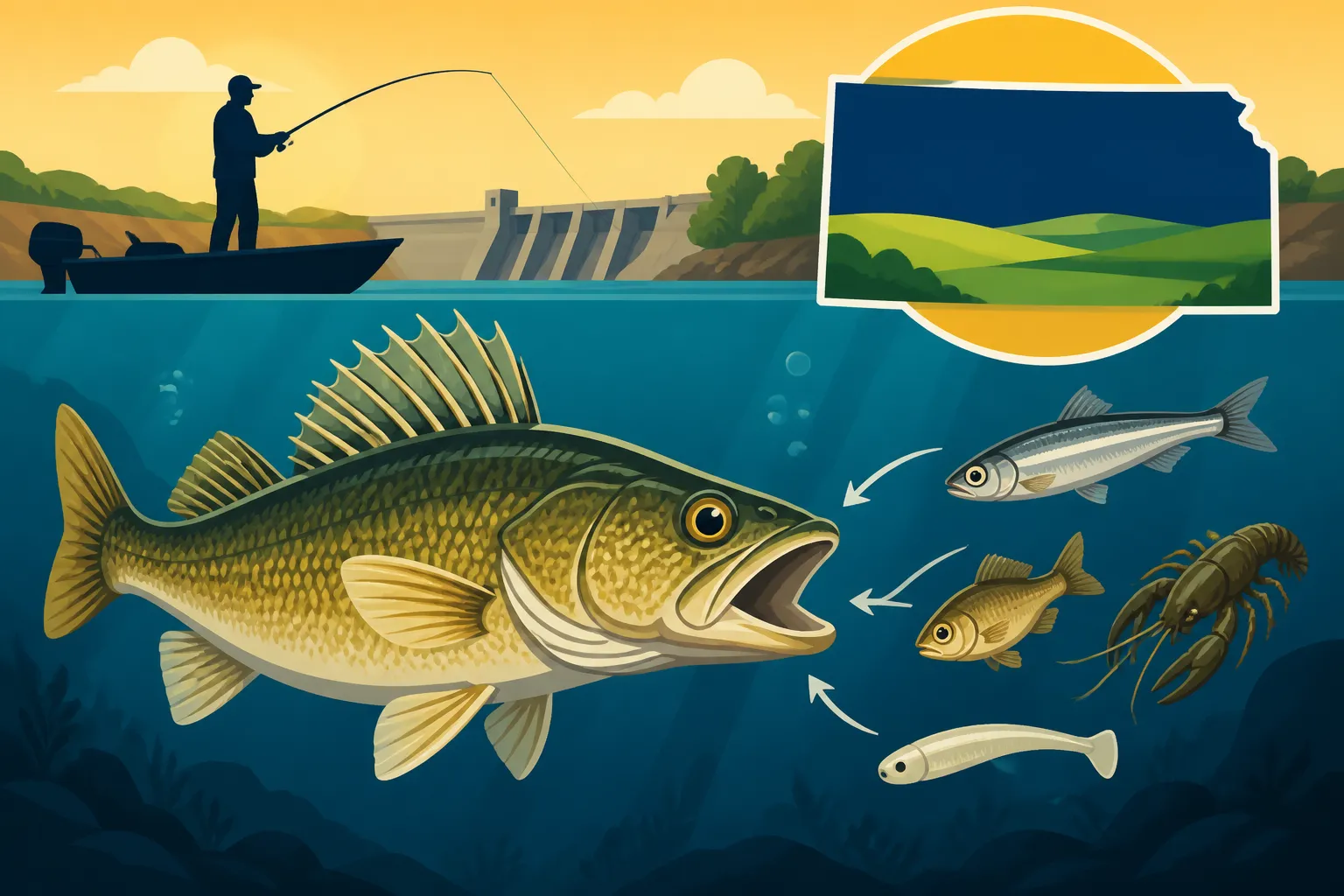
The backbone of a Kansas reservoir walleye's diet consists of various smaller baitfish. These are the fast food options readily available and packed with the energy a walleye needs. If you can identify these key species, you're on the right track to "matching the hatch" and selecting baits that look and act like a natural meal.
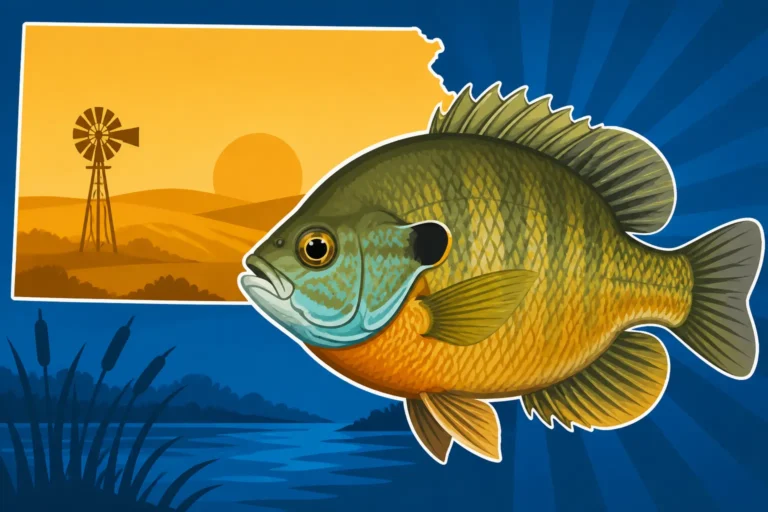
One of the most prevalent and crucial forage species across many of our large reservoirs, like Milford Lake or Cheney Reservoir, is the gizzard shad. These silvery, schooling fish are found in open water and are a primary food source for not just walleye, but also white bass and wipers. Walleye will actively pursue schools of shad, often pushing them against structure or into coves. When shad are abundant, walleye will rarely pass up an easy meal. Another common forage in certain areas or during specific times of the year includes various minnow species. Sometimes, you'll even find them gorging on small crappie or bluegill, especially younger ones that stray from protective cover. Understanding the prevalence of these fish is vital; if a lake has a booming shad population, your silver and white lures will likely outproduce other colors. Conversely, if minnows are the dominant forage, slender, natural-colored stickbaits might be more effective.
Invertebrates and Other Opportunistic Meals
While fish are undoubtedly king in the walleye diet, these clever predators aren't above snacking on other readily available protein sources. Environmental conditions, seasonal changes, and even water levels can sometimes make invertebrates a more significant part of their menu than you might expect. This opportunistic feeding behavior is a testament to their survival instincts and adaptability.
Crayfish are a notable example. When water levels fluctuate or when walleye are holding tight to rocky bottoms and riprap, crayfish can become a substantial part of their diet. During periods of high water, crayfish might be displaced from their usual hiding spots, becoming easy targets. In fact, many successful walleye anglers will tell you that a well-presented jig with a brown or orange soft plastic that mimics a crayfish can be deadly, particularly in spring or fall. Another occasional food source can be leeches, especially during warmer months. While not as dominant as fish or crayfish, leeches are slow-moving and nutritious, making them an effortless meal if encountered. You might even find instances where walleye will key in on larval insects or nymphs, particularly if they are emerging in large numbers and become readily available in the water column. This usually happens in shallower areas or around submerged vegetation. Thinking outside the box from just "fish" as food can give you an edge, especially when the bite is tough and walleye are being picky.
Seasonal Shifts in Walleye Feeding Habits
Just like us, walleye's appetites and preferred dining locations change with the seasons. What they're looking for in April is often very different from what tickles their fancy in August. Understanding these seasonal shifts is crucial for adapting your strategy and maximizing your chances of a successful outing on the water. This is where tracking Kansas Fishing Seasons Guide becomes incredibly useful.
Spring Foraging: Post-Spawn Hunger
Ah, spring! After the arduous task of spawning, walleye are often famished and looking to replenish their energy reserves. This period, typically from late March through May in Kansas, presents some of the most consistent and aggressive feeding opportunities of the year. The spawn takes a lot out of them, and their instinct is to bulk up quickly.
Once the spawn is complete, walleye don't just disappear. They typically transition to nearby areas where they can find an abundance of food without expending too much energy. This often means shallower flats adjacent to spawning grounds, submerged points, and even the backs of coves where water temperatures might rise a bit faster, drawing in baitfish. They'll actively chase down schools of shad and minnows, often hitting anything that resembles a vulnerable meal. For anglers, this means focusing on areas with good cover and active baitfish schools. Trolling shallow-running crankbaits or jigging with live minnows can be incredibly effective during this time. The walleye are still relatively shallow compared to summer, making them more accessible from shore or small boats. The key is to remember their immediate post-spawn priority: eat, and eat big.
Summer Feeding: Deeper and Cooler Water
As Kansas summers really kick in, usually from late June through August, our reservoir waters warm up significantly. This change in temperature directly impacts walleye behavior and, consequently, their diet. They're still feeding, but they're doing it in different parts of the lake.
Walleye are cold-water fish, and they'll seek out cooler, more oxygenated waters as surface temperatures rise. This typically means moving to deeper water, often concentrating along thermoclines, where the water temperature stabilizes. Look for them on deep main lake points, submerged humps, channel edges, and dam faces. Their prey—primarily shad and other baitfish—will also follow these cooler water depths. Therefore, walleye will often key in on these deeper-holding baitfish schools. This is a time for precision fishing; vertical jigging, deep trolling with diving crankbaits, or using bottom bouncers with live bait are highly effective strategies. You might also find them shallower during low-light conditions (dawn, dusk, or cloudy days) when they venture up to ambush prey, but the bulk of their summer activity will be deeper. Understanding How Deep to Fish for Walleye in Summer can make all the difference.
Fall and Winter: Bulking Up for Survival
Just as spring sees a post-spawn feeding frenzy, fall triggers another intense period of eating for walleye. As water temperatures begin to cool in September and October, walleye recognize the approaching winter and instinctively start a pre-winter bulk-up. They need to store fat reserves to survive the leaner, colder months ahead.
During the fall, walleye often become more aggressive and will feed heavily on larger baitfish. They're looking for calorie-rich meals that require less effort to catch. They'll often move from their deep summer haunts to structure closer to shore, such as rocky points, humps, and even shallow flats during peak feeding times, following baitfish schools. Trolling large crankbaits, casting big stickbaits, or slow-trolling with substantial live minnows are excellent tactics. As winter sets in, and ice forms on many Kansas reservoirs, walleye feeding activity slows down but doesn't stop entirely. Under the ice, they become much more lethargic, conserving energy. Their diet shifts to whatever is easiest to ambush in the low light and cold water—often small minnows, perch, or even zooplankton if other options are scarce. Ice fishing for walleye often involves subtle presentations with small jigs tipped with minnow heads or waxworms. It's a game of patience and finesse, where presenting a tempting, easy meal is paramount. The walleye might not be as aggressive, but their need to sustain themselves is still there.
Mimicking the Menu: Best Baits and Lures for Kansas Walleye
Knowing what walleye eat is fantastic, but the real trick is translating that knowledge into successful fishing techniques. This means choosing the right baits and lures that imitate their natural food sources and presenting them in a way that triggers a strike.
Live Bait Strategies
There's an old saying among walleye anglers: "When in doubt, use live bait." And for good reason! Live bait perfectly mimics the natural food sources of walleye, offering scent, movement, and a lifelike presentation that artificial lures sometimes struggle to replicate. It's often the go-to choice, especially when the bite is tough.
The trifecta of walleye live bait typically includes minnows, nightcrawlers, and leeches. Minnows, particularly shiners or fatheads, are perhaps the most popular. They directly imitate the small forage fish that walleye naturally consume. Rigged on a jig head, under a slip bobber, or trolled on a Best Live Bait for Kansas Walleye rig like a Lindy rig or a bottom bouncer, a lively minnow is hard for a hungry walleye to resist. Nightcrawlers, while not a typical fish's diet, are incredibly effective, especially when fished on a spinner rig or a plain hook. Their scent trail and wriggling action can draw in walleye from a distance. You can often find excellent live bait options locally, but for storing and transporting, robust bait containers are a must. Many anglers will purchase insulated bait buckets or aerated livewells, often found online through retailers like Amazon, to keep their bait vibrant and healthy throughout the fishing trip. Leeches are another fantastic option, particularly in warmer water or when walleye are lethargic. They're durable, stay on the hook well, and have a natural undulating movement that walleye find irresistible. They work great on jig heads or under a bobber.
Artificial Lures That Get Bites
While live bait has its undeniable charm, artificial lures offer versatility, durability, and the ability to cover vast amounts of water quickly. The key is to select lures that accurately mimic the action, profile, and color of the walleye's natural forage. There are so many fantastic options out there, it can feel overwhelming, but a few categories consistently produce.
Crankbaits are king for covering water, especially when trolling. They come in a dazzling array of shapes, sizes, and colors, designed to imitate various baitfish and dive to different depths. Shallow-diving crankbaits work wonders in spring and fall, while deep-diving models are essential for reaching summer walleye. Look for colors like silver, white, perch patterns, or even firetiger, depending on the water clarity and prevailing baitfish. Brands like Rapala, Berkley, and Strike King offer a wide range that anglers often stock up on through sites like Amazon to ensure they have the right depth and color options for any situation. Jigs, combined with soft plastic trailers or live bait, are incredibly versatile. They can be cast, retrieved, or fished vertically. Grubs, paddle tails, and minnow-shaped plastics in colors like chartreuse, white, or pumpkinseed can be incredibly effective when walleye are holding near structure. Best Lures for Kansas Walleye will often be a jig-and-plastic combo. Blade baits and jerkbaits also have their moments, especially for aggressive walleye. Blade baits vibrate intensely, creating a lot of commotion, while jerkbaits mimic wounded baitfish with erratic movements. Experimenting with different lure types and presentations is part of the fun and challenge of walleye fishing.
Understanding Color and Presentation
Choosing the right bait or lure is only half the battle; how you present it, and what color you choose, can make all the difference between a frustrating day and a successful one. Walleye are highly sensitive to light and water conditions, and their excellent low-light vision means they're picking up on subtle cues.
Water clarity is a huge factor. In clear water, natural colors like silver, white, or subtle greens and browns tend to be more effective, as they blend in and appear more realistic. In stained or muddy water, brighter, more contrasting colors like chartreuse, orange, or hot pink can be seen more easily and help the walleye locate your offering. Similarly, light conditions play a role. On bright, sunny days, darker or more muted colors might be better, as they create a more natural silhouette. On cloudy days or during low light periods like dawn and dusk, brighter, more fluorescent colors can sometimes shine. The action or retrieve of your bait is equally important. Walleye often prefer a slow, methodical retrieve that makes your bait look like an easy meal. This could be a slow troll with a crankbait, a gentle lift-and-drop with a jig, or a slow drift with a live bait rig. However, there are times, especially during aggressive feeding periods or during a white bass run when walleye are actively chasing bait, that a faster retrieve or more erratic action can trigger a reaction strike. Learning to adjust your presentation based on the conditions and the fish's mood is a skill that comes with experience and attention to detail. Don't be afraid to experiment with your retrieve speed and pauses; sometimes, the smallest change can make the biggest difference.
| Forage Type | Typical Lure/Bait Imitation | Preferred Conditions |
|---|---|---|
| Gizzard Shad/Minnows | Silver/White Crankbaits, Minnows, Paddle-tail Jigs | Open water, Schools of bait, All seasons |
| Crayfish | Brown/Orange Jigs, Soft Plastic Crayfish | Rocky bottoms, Riprap, Spring/Fall |
| Leeches | Leeches (live), Black/Purple Soft Plastics | Warmer water, Slow bite, Deeper water |
| Perch/Sunfish | Green/Yellow Crankbaits, Swimbait Imitations | Areas with vegetation, Mixed forage |
Disclaimer
This article is for general informational purposes only and does not constitute professional advice. Laws, prices and regulations vary by location and change over time. Consult a qualified professional for guidance on your specific situation.