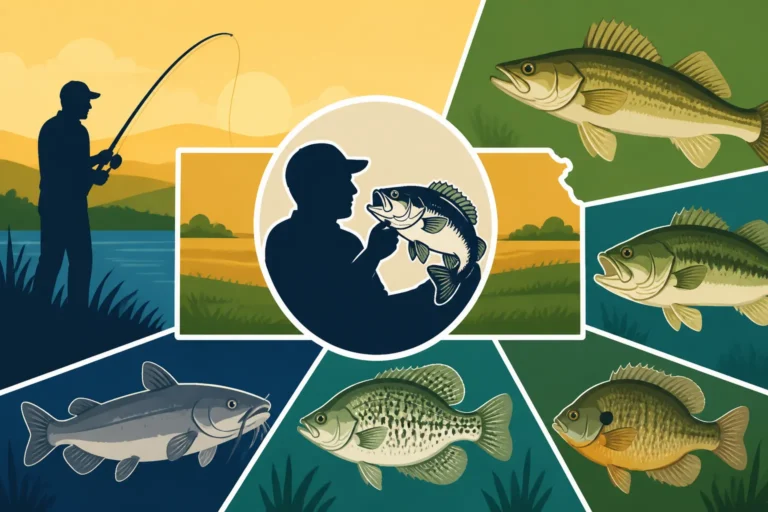
Fish Active in Cold Water in Kansas
It can be incredibly frustrating to bundle up and head out to your favorite Kansas fishing spot in the colder months, only to find the fish seemingly vanished or completely unresponsive. Many anglers simply hang up their rods once the chill sets in, believing all the fish go dormant. But that's just not true! This guide is here to bust that myth wide open and show you which fish in Kansas remain surprisingly active, and how you can catch them even when the mercury dips.
Understanding Cold Water Fishing in Kansas
When winter blankets Kansas, many anglers might think the fishing season is over. But for those of us who brave the chill, there's a unique opportunity to catch fish that are still very much alive and, more importantly, willing to bite. Understanding how fish behave when the water temperature drops is key to finding success.
How Fish React to Cold Water
Think about it this way: just like we humans slow down when it's cold, fish are cold-blooded creatures, and their metabolism directly correlates with the water temperature. As the water cools, their biological processes slow down significantly. This means they digest food slower, move less, and generally become less aggressive. However, "slower" doesn't mean "inactive." They still need to eat to survive, they just do it differently. Instead of chasing fast-moving bait, they often prefer a slow, easy meal that requires minimal energy expenditure. This physiological shift is why your summer tactics simply won't cut it when the water is in the 30s or 40s. They'll often school up in deeper, more stable water, seeking out areas where temperatures might be a degree or two warmer, or where they can conserve energy.
Kansas' Winter Wonderland: Not All Water Freezes
One common misconception is that all Kansas waters freeze solid in winter, making fishing impossible. While many smaller ponds and shallow coves on reservoirs might indeed cap over with ice, a significant portion of our larger lakes, rivers, and even some community ponds remain open or only partially frozen. Even on lakes with ice, there are often areas where currents, deeper water, or even aerators keep sections open, offering fantastic bank or boat access. For ice fishing enthusiasts, many bodies of water provide safe, fishable ice for weeks or even months. It's truly a diverse landscape for cold-weather angling, from the expansive open waters of our major reservoirs like Milford Lake to the ice-covered surface of smaller, intimate ponds, each offering its own unique challenges and rewards. Kansas Ice Fishing Guide can help you navigate these frozen opportunities.
Common Misconceptions About Winter Angling
Beyond the belief that all fish go dormant or that all water freezes, there are other myths that can keep anglers from experiencing great winter fishing. Some think you need specialized, expensive gear, which isn't entirely true; while certain items help, fundamental techniques are often more important. Another myth is that only "trash fish" are active in winter. Far from it! Some of the most sought-after game fish, like crappie and walleye, can offer incredible action. There's also the notion that you have to suffer extreme cold to catch fish. While dressing appropriately is crucial, many winter days in Kansas are quite mild, making for comfortable fishing, especially around midday. The key is to shed these misconceptions and embrace the unique opportunities that cold water presents.
Top Cold-Water Fish Species in Kansas
While many species will slow down considerably during the colder months, a select few continue to offer exciting opportunities for the dedicated angler. Knowing which fish are most likely to bite can make all the difference in your winter success.
Trout: The Winter Warrior
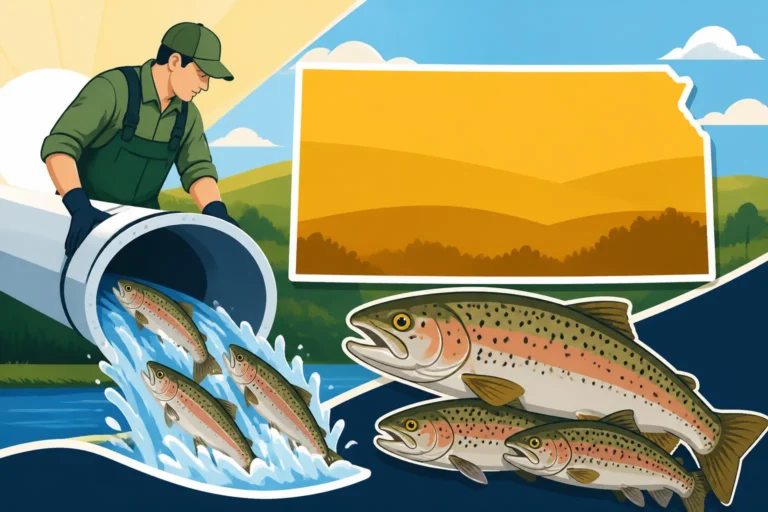
When we talk about active cold-water fish in Kansas, trout are probably the first species that comes to mind for many, and for good reason! Kansas doesn't have native trout streams, but the Kansas Department of Wildlife, Parks and Tourism (KDWPT) undertakes a fantastic winter stocking program. From early December through spring, various community lakes and ponds are stocked with rainbow trout and occasionally even golden rainbow trout, transforming these local spots into prime winter fisheries.
These stocked trout thrive in the colder water, actively feeding and providing excellent action for bank anglers, kayakers, and even those on ice. They're typically eager biters, making them perfect for beginners and seasoned anglers alike who are looking for a consistent bite when other species are sluggish. You'll often find them cruising near the bottom, but they'll also rise to take smaller presentations. To participate in this unique fishery, you'll need a Kansas Trout Permit Guide in addition to your standard fishing license, if required. Many anglers eagerly await the Kansas Trout Stocking Schedule for December to plan their first winter trout outings.
Crappie: Often Overlooked Winter Gems
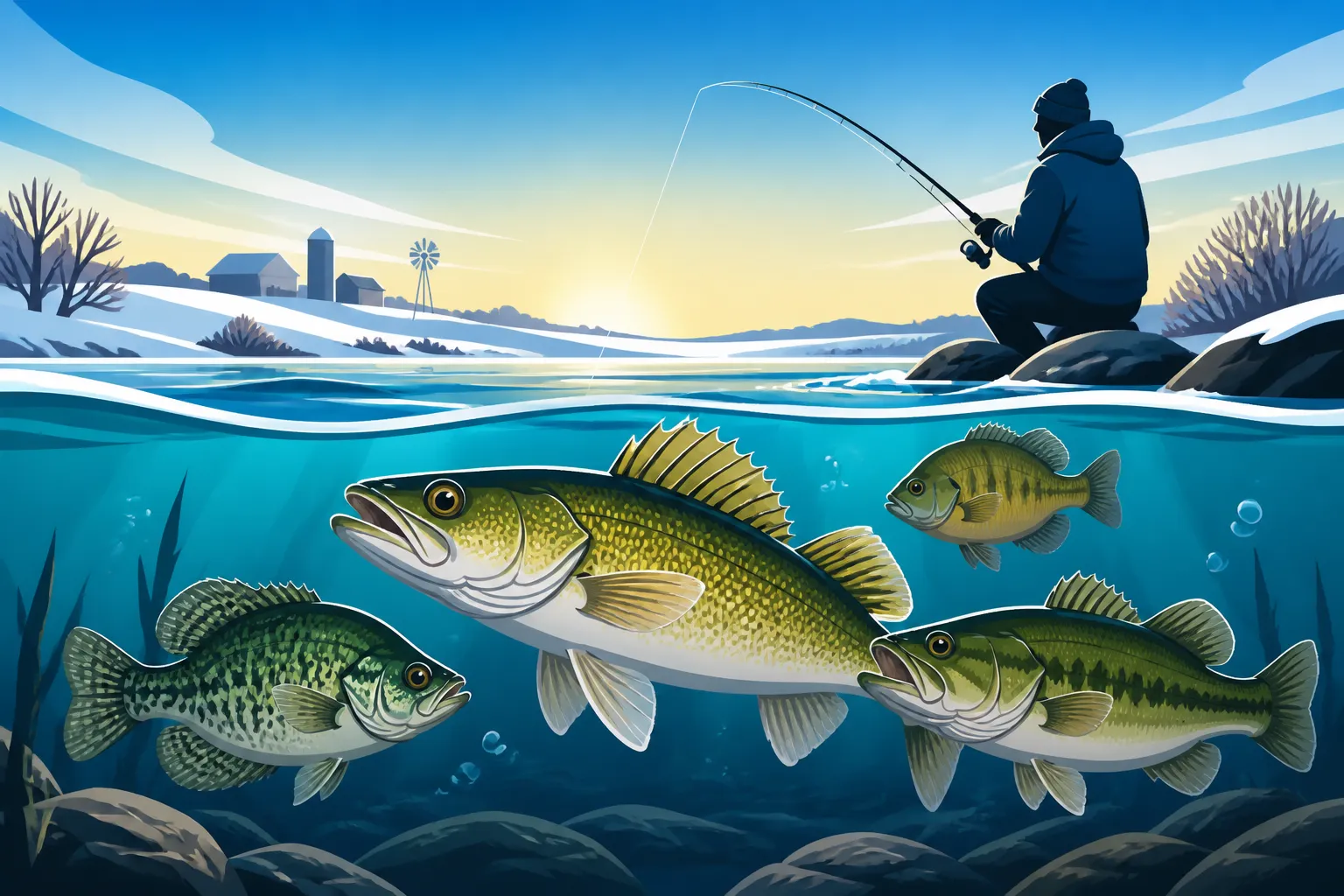
Crappie might be known as a spring-time favorite when they move shallow to spawn, but these panfish are incredibly active in cold water too, often forming large schools that can lead to phenomenal catches. The key is knowing where to find them and how to present your bait. As water temperatures drop, crappie typically retreat to deeper structures in reservoirs and larger ponds. This might mean submerged brush piles, standing timber, rock piles, bridge pilings, or even ledges and humps. They'll often suspend in the water column or hug tight to these structures, making them a bit trickier to locate but very rewarding once found.
When you do find a school, the action can be fast and furious. Light tackle and slow, subtle presentations are the name of the game. Small jigs tipped with a minnow or soft plastic are irresistible. Don't be afraid to fish vertical right over the top of them if you have a boat or are ice fishing. For those wondering, understanding How Deep to Fish for Crappie in Winter is often the most critical factor to success, as their depth preferences can change based on the water body and weather.
Walleye: Slow But Steady Cold-Water Biters
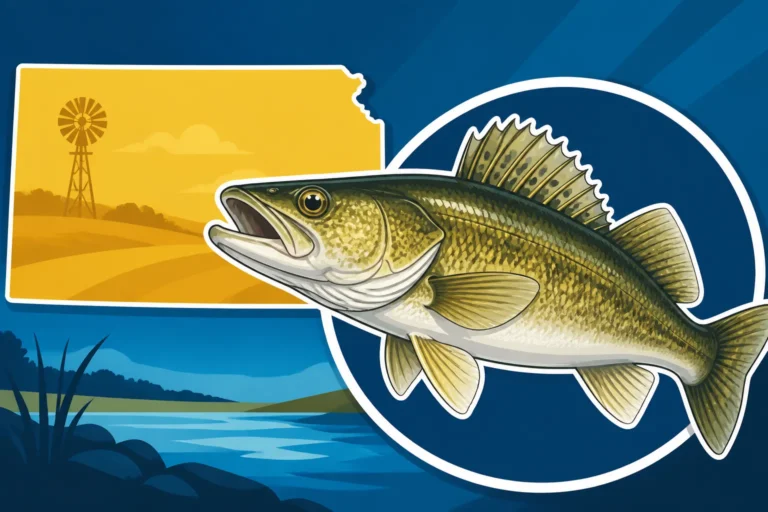
Walleye are another highly sought-after species that remain active, albeit slower, in cold water. These elusive predators are known for their finicky nature, but winter can actually simplify their patterns somewhat. Instead of being spread out across large flats, they often concentrate in specific areas, making them easier to target once located. They're looking for baitfish that are also lethargic in the cold, so a slow presentation is essential.
You'll typically find walleye holding tight to deep structure like humps, points, ledges, and river channels in our large reservoirs. They often prefer rocky bottom compositions or areas with scattered timber. Vertical jigging spoons, blade baits, or slow-trolling crankbaits can be highly effective. The bite will be subtle – a slight tick or just a feeling of added weight – so a sensitive rod and braided line are incredibly helpful. Dedicated anglers who brave the cold for walleye are often rewarded with some of the biggest fish of the year, as larger walleye tend to be more resilient in the cold. Kansas Walleye Minimum Length Limit of 21 Inches and Kansas Walleye Daily Limit of Two Fish are regulations you'll definitely want to keep in mind, especially for these winter trophies.
Catfish: Deep-Water Opportunities
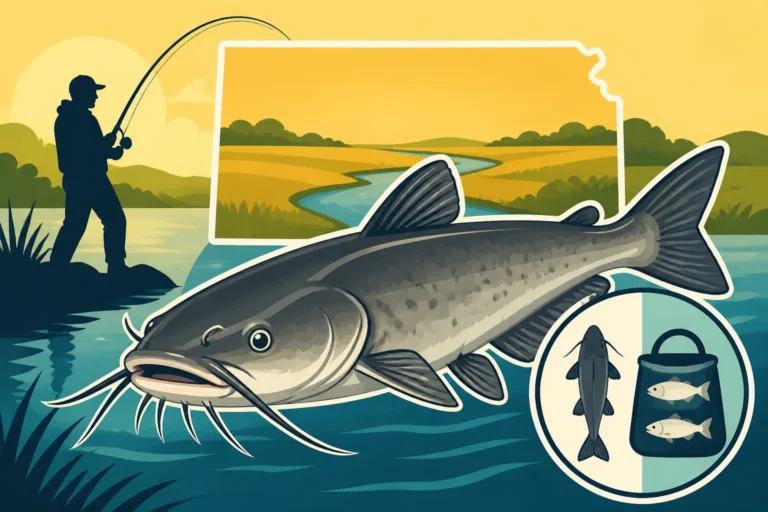
While the explosive summer bite of channel and blue catfish might slow down, these robust fish don't disappear in winter. In fact, many dedicated catfishermen find consistent success targeting them in cold water. Flathead catfish, in particular, become quite sluggish, often holing up in deep timber or rock piles and feeding opportunistically. However, channel catfish and blue catfish will often school up in deep holes in rivers and reservoirs, especially near channels or structure, and will still feed regularly.
The key to winter catfishing is, again, slowing down. Forget the fast-moving baits and embrace patience. Fresh cut bait, shad, or even live minnows fished on a simple bottom rig can be deadly. Look for deep scour holes in rivers, or the deepest channels and basins in reservoirs. They won't move far for a meal, so presenting your bait right on their nose is crucial. Many find winter to be an excellent time to target trophy blue catfish, as these larger fish are often found in predictable deep-water wintering grounds. Kansas Channel Catfish Daily Limit and Kansas Flathead Catfish Daily Limit are important rules to follow.
Essential Techniques for Cold-Water Success
Catching fish in cold water isn't about brute force or speed; it's about finesse, patience, and understanding the subtle signals fish give off. Your summer techniques will likely leave you frustrated, so let's adjust our approach.
Slow and Subtle Presentations
This is the golden rule of cold-water fishing. Fish are sluggish, their metabolism is down, and they're not going to expend a lot of energy chasing a meal. Think of it like a cold winter morning when you don't want to get out of bed quickly. You want an easy breakfast delivered right to you! Your bait or lure needs to mimic this.
- For Jigs and Soft Plastics: Less is more. Instead of aggressive jigging, try lifting your rod tip just a few inches and letting the lure slowly fall back to the bottom on a semi-slack line. Let it sit for several seconds – sometimes as long as 10-15 seconds – before repeating. A slow retrieve with a soft plastic grub or tube bait is also effective. The subtle quiver of the plastic is often enough to entice a bite.
- For Live Bait: A simple slip-bobber rig or a bottom rig with minimal weight, allowing your bait to drift naturally, can be deadly. A tiny minnow or a piece of nightcrawler fished on a small hook with just enough weight to get it down is often all it takes. Let the bait do the work.
- For Trolling: If you're trolling for walleye or crappie, drastically reduce your speed. What might be 1.5-2 mph in summer could be 0.5-0.8 mph in winter. Experiment with different speeds until you find what triggers bites. Use diving crankbaits that get down to the fish's depth with minimal effort from your boat.
Locating Fish in Winter Structure
Finding the fish is often 90% of the battle in cold water. Fish will congregate in specific areas, seeking stability and comfort.
- Deep Water: This is almost universally true. Fish move deeper to escape surface fluctuations in temperature and to find stable, warmer water (even if it's only a degree or two warmer than the surface). Look for the deepest parts of the lake, river channels, deep holes, or the deepest edges of humps and ledges.
- Structure: Submerged brush piles, standing timber, rock piles, ledges, drop-offs, bridge pilings, and old creek beds are all magnets for fish in winter. These offer cover, ambush points, and often hold baitfish. A good fish finder is invaluable here to pinpoint these underwater features.
- Thermal Breaks/Currents: In rivers, look for eddies, current breaks, or deeper scour holes. In reservoirs, sometimes a subtle thermocline (a layer of water with a distinct temperature change) can hold fish, though winter thermoclines are less pronounced than summer ones. River mouths or areas where tributaries flow into a main body of water can also be good, as they might bring in slightly warmer water or more consistent food sources. Knowing Kansas River Catfish Spots can be particularly helpful for winter river angling.
- Baitfish Presence: Fish go where the food is. If you can locate schools of baitfish (often seen on your fish finder), game fish like walleye, crappie, and white bass will likely be nearby, shadowing them.
Bait and Lure Selection for Cold Water
Your tackle box might be overflowing with colorful, aggressive lures, but winter often calls for a more subdued palette and profile.
- Small Profiles: Downsize your baits and lures. Smaller jigs, spoons, and soft plastics are usually more effective. Think 1/32 to 1/16 ounce jigs for crappie, or small spoons for walleye and trout. A 2-inch curly tail grub or a tiny tube jig can be incredibly effective.
- Natural Colors: While bright colors can work on sunny days or in stained water, natural colors like white, grey, brown, black, and various shades of green are often more reliable in clear, cold water. Transparent or glitter-infused plastics can also mimic baitfish well.
- Live Bait is King: For many cold-water scenarios, it's hard to beat live bait. Small minnows for crappie and walleye, worms for trout, and cut bait or shad for catfish are top choices. The natural scent and subtle movement of live bait can be irresistible to sluggish fish.
- Scent Attractants: Don't underestimate the power of scent in cold water. Fish rely heavily on their sense of smell when their vision might be limited by depth or murky water, and their predatory drive is low. Adding a commercial scent to your artificial lures or even your live bait can give you an edge, prompting a fish to hold on a bit longer, giving you time to set the hook.
Gear Up for Cold-Water Comfort and Performance
Winter fishing in Kansas isn't just about the fish; it's also about being prepared for the elements. Staying warm, safe, and equipped with the right tools will make your experience much more enjoyable and successful.
Staying Warm and Safe on the Ice or Bank
The biggest deterrent to winter fishing is often the cold itself. Proper layering is absolutely critical. Start with a moisture-wicking base layer, add insulating middle layers (fleece or down are great), and top it off with a waterproof and windproof outer shell. Don't forget a warm hat, gloves or mittens, and insulated, waterproof boots. Hand warmers and toe warmers can be lifesavers on especially chilly days. For sitting on the bank or ice, a comfortable, insulated chair or a portable ice fishing shelter can make a huge difference in your comfort levels. Safety is paramount, especially on ice. Always check ice thickness, go with a buddy, and carry safety picks. How Thick Does Ice Need to Be to Fish? is a crucial read before stepping on the ice. Portable heaters (with proper ventilation) can transform an ice shanty into a cozy sanctuary, and you can find many reliable options on Amazon.
Rods, Reels, and Line for Sensitivity
Because cold-water bites are often incredibly subtle, your rod, reel, and line setup needs to be optimized for sensitivity.
- Rods: Opt for longer, lighter action rods (6 to 7 feet for bank/boat, shorter for ice fishing) with fast or extra-fast tips. Graphite rods are excellent for transmitting even the slightest tap. The lighter action allows fish to engulf the bait without feeling too much resistance, while the fast tip ensures you can detect those faint bites. A good quality, sensitive rod doesn't have to break the bank, and there are many great options available on Amazon.
- Reels: A smooth, lightweight spinning reel with a good drag system is ideal. You won't be making long casts or fighting huge, fast-running fish as often, so focus on smooth operation and a reliable drag for those slow, strong pulls.
- Line: Thin, low-stretch line is key. Braided line (with a fluorocarbon leader) excels at transmitting bites and offers superior sensitivity and strength for its diameter. If you prefer monofilament, choose a high-quality, low-memory option. Line weights typically range from 4-8 lb test for crappie and trout, up to 10-15 lb for walleye, and heavier for big catfish. Best Rod and Reel Combo for Crappie provides excellent recommendations for light tackle setups.
Portable Electronics for Finding Fish
In cold water, where fish are concentrated and often holding tight to structure, electronics become an indispensable tool. You can't just blindly cast and hope for the best.
- Fish Finders: A good fish finder, whether it's a portable unit for ice fishing or a mounted unit on your boat, allows you to locate fish, identify depth, and see underwater structure. Features like down imaging or side imaging can reveal brush piles, ledges, and even individual fish. Knowing exactly where the fish are holding can save you hours of fruitless casting. There are many compact and powerful portable fish finders, some with CHIRP sonar technology, readily available for purchase on Amazon that are perfect for winter use.
- GPS/Mapping: If your fish finder includes GPS and mapping capabilities, even better. You can mark waypoints on productive spots, navigate to specific structures, and re-visit honey holes year after year. This is particularly useful on large reservoirs where subtle changes in topography can hold key groups of fish.
- Underwater Cameras: For ice fishing or still-fishing from a boat, an underwater camera can be a fascinating and effective tool. It allows you to actually see the fish interacting with your bait, observing their reaction and helping you fine-tune your presentation. It's also incredibly educational, teaching you about fish behavior in real-time.
Cold water fishing in Kansas offers a unique and often rewarding experience for those willing to embrace the chill. By understanding how fish behave in colder temperatures, focusing on specific active species like trout, crappie, walleye, and catfish, and adapting your techniques and gear, you can find surprising success when most other anglers are at home. So bundle up, grab your gear, and discover the hidden gems of Kansas winter fishing.
Disclaimer
This article is for general informational purposes only and does not constitute professional advice. Laws, prices and regulations vary by location and change over time. Consult a qualified professional for guidance on your specific situation.