Why Allows 50 Crappie a Day
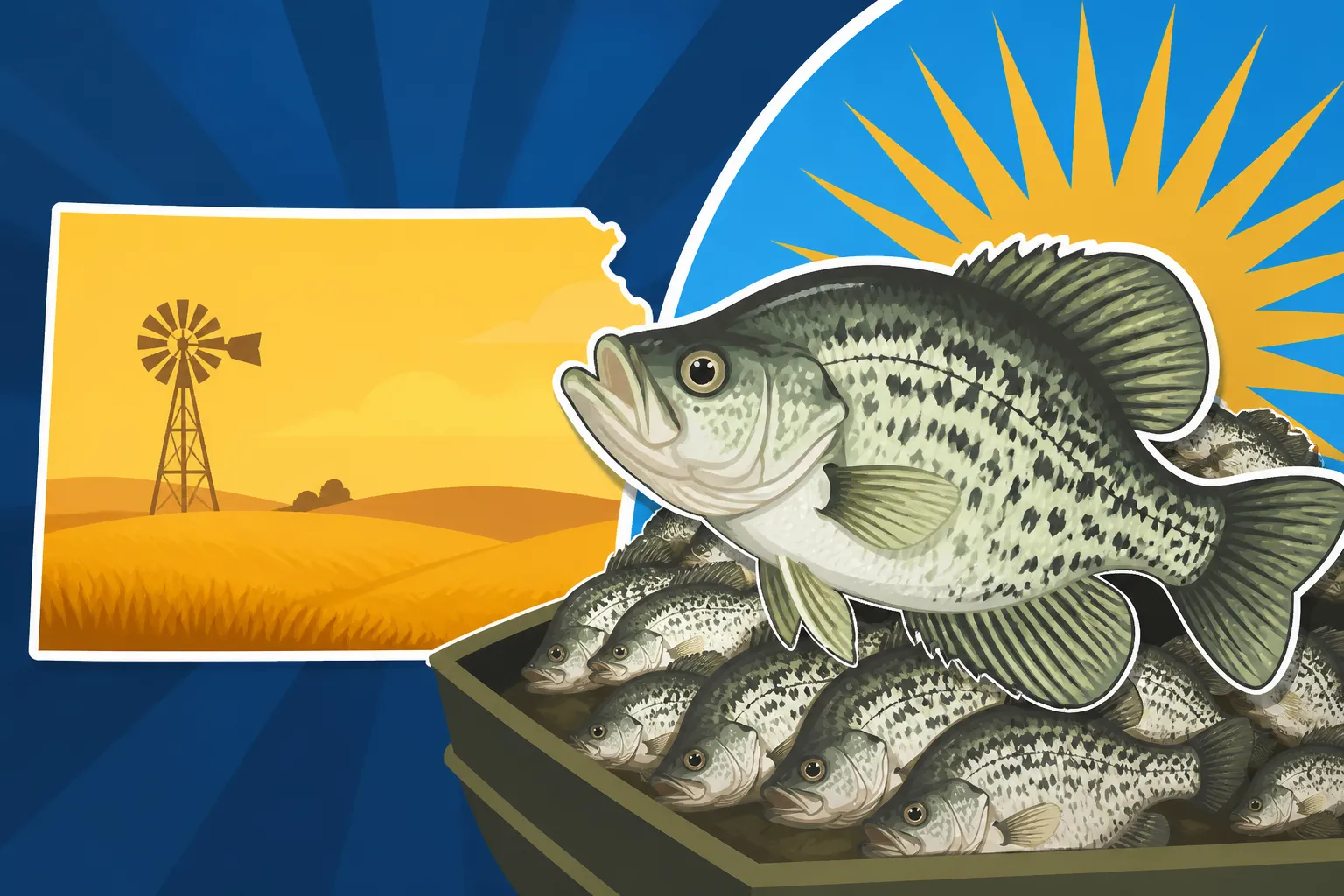
It can be quite a head-scratcher when you first look at the fishing regulations here in Kansas and see that you're allowed to keep up to 50 crappie a day. For many anglers, especially those used to much stricter limits on other species or in different states, it seems like an incredibly generous number. This guide is here to demystify that seemingly high limit, diving deep into the biology, management philosophy, and practical reasons behind why the Kansas Department of Wildlife and Parks (KDWP) allows such a bountiful harvest of crappie.
Understanding the Biology of Crappie in Kansas Waters
The sheer abundance of crappie in Kansas lakes and ponds isn't just luck; it's a testament to their incredibly adaptable biology. Unlike some species that are slow to reproduce or grow, crappie are perfectly designed to thrive and multiply rapidly, making them an ideal panfish for high harvest rates. Understanding their natural tendencies helps us appreciate why our daily limits are set where they are.
High Fecundity and Rapid Reproduction
Crappie are prolific spawners, and that's putting it mildly. A single female crappie, even a medium-sized one, can lay tens of thousands of eggs, and larger females can produce well over a hundred thousand! When conditions are right—good water temperatures, available nesting sites, and ample food for the fry—these fish can populate a waterbody very quickly. This isn't just about big numbers; it's about sheer survival. A high reproductive rate means that even with significant predation from larger fish, birds, and, yes, enthusiastic anglers, enough crappie survive to continue the cycle.
Think about a spring day when the water warms up. The crappie move into those shallow, protected coves and start their nesting ritual. The male crappie guards the nest diligently, fanning the eggs to keep them oxygenated. Once those tiny fry hatch, they disperse, quickly growing and becoming part of the food web. This natural inclination to produce vast quantities of offspring is the foundational reason why their populations can rebound so quickly, even after heavy fishing pressure. It’s their biological superpower, allowing them to remain a sustainable and enjoyable target for anglers year after year.
Fast Growth and Shorter Lifespan
Another key biological factor for crappie is their relatively fast growth rate and shorter lifespan compared to some other game fish. While a trophy walleye might take many years to reach its impressive size, a crappie can reach a catchable size, often 9 to 10 inches, in just a few short years. This quick turnaround means that populations aren't just abundant, but they're constantly replenishing the supply of harvestable fish. For more on what defines a "catchable size," you can check out Kansas Crappie Length and Bag Limits.
In many Kansas lakes, particularly those with good forage bases, crappie might only live for 5 to 7 years. If these fish aren't harvested by anglers or predators, they would simply die of natural causes, potentially leading to an overpopulation of smaller, stunted fish. This rapid life cycle means that there's a constant conveyor belt of new fish growing into the harvestable size class, and removing some of the older, larger fish through angling helps keep the overall population healthy and growing. It’s a dynamic system where continuous, albeit regulated, harvest actually helps prevent stagnation.
Schooling Behavior and Population Density
Crappie are highly social fish, known for their strong schooling behavior. When you find one crappie, you often find many! This characteristic makes them incredibly efficient for anglers to target in numbers. They tend to congregate around submerged structures, brush piles, fallen trees, and channel breaks, making them predictable once located. This schooling instinct is part of their survival strategy, offering safety in numbers against predators, but it also contributes to their high population density in favored areas.
Because they tend to group up, it's not uncommon for an angler to hit a "honey hole" and catch multiple fish in a short amount of time. This density allows for a higher harvest limit without depleting the overall population, as there are often many more fish in the immediate vicinity or in other similar spots throughout the lake. This behavior, coupled with their high reproductive rates, means that even after a successful day of catching many fish, the remaining population is still robust and ready to thrive. If you're looking for tips on locating these schools, our guide on Kansas Crappie Fishing Techniques has some great advice.
Fisheries Management Philosophy in Kansas
The generous crappie limits in Kansas aren't just a happy accident; they are a deliberate strategy developed by the Kansas Department of Wildlife and Parks (KDWP) based on sound fisheries science. The goal is a delicate balance: providing exceptional angling opportunities while ensuring the long-term health and sustainability of the crappie populations. It’s a management philosophy that prioritizes abundance and access over strictly trophy-sized fish for panfish species.
Balancing Harvest and Sustainability
Unlike some species like trophy walleye or certain bass where strict limits are put in place to cultivate larger, older fish, crappie management often leans towards allowing a higher harvest to maintain a healthy population structure. If crappie populations become too dense, they can outcompete each other for food, leading to a phenomenon known as "stunting." This means a lake could be absolutely packed with crappie, but almost all of them are small, thin, and undesirable for anglers to keep.
The KDWP sets the 50-crappie daily limit as a tool to encourage anglers to remove fish from the system. This controlled harvest helps thin out overcrowded populations, reducing competition and allowing the remaining fish to grow faster and larger. It's a proactive approach to prevent ecological issues that could arise from unchecked population growth, ensuring that the crappie fishing remains excellent year after year. Every regulation, like the one covered in Kansas Fishing Regulations Explained, is designed with this balance in mind.
Avoiding Stunted Populations
Stunting is a real problem in fisheries management, and crappie are particularly susceptible to it. Imagine a pond where a few crappie are introduced, and they quickly reproduce. Without enough predators or harvest, the numbers explode. Soon, there are thousands of crappie, but the food supply remains constant. Each fish gets less to eat, and none of them can grow to a decent size. You end up with a lake full of 6-inch crappie that are hardly worth cleaning.
The 50-fish limit actively combats this. By allowing anglers to keep a significant number of fish, especially the smaller, more abundant ones, it reduces the overall density. This allows more food and resources for the remaining crappie, leading to better growth rates and a higher average size. It's a win-win: anglers get to take home a cooler full of tasty fish, and the crappie population remains robust with a good mix of sizes. This philosophy is also seen in how KDWP manages species in urban ponds and community lakes, which often have high fishing pressure.
Angler Opportunity and Satisfaction
Let's be honest, part of the joy of crappie fishing is the sheer volume you can sometimes catch. There’s a thrill in finding a school and pulling in fish after fish. The 50-crappie limit is a direct reflection of KDWP's desire to provide maximum angler opportunity and satisfaction. They understand that for many, crappie fishing is a family activity, a way to fill the freezer, and a chance to enjoy a high-action day on the water.
This approach ensures that anglers have a realistic chance of going home with a substantial meal, encouraging more people to participate in fishing. It’s part of a broader strategy to promote outdoor recreation and capitalize on the natural productivity of Kansas waterways. When you combine this generous limit with generally good access to lakes and plenty of public fishing spots, it makes Kansas a prime destination for crappie enthusiasts. Don't forget that a Kansas Fishing License Guide is your first step to enjoying these opportunities!
The Role of Specific Kansas Waterbodies
It's important to remember that not all Kansas waterbodies are created equal when it comes to crappie populations. The sheer size, depth, and ecological characteristics of a major reservoir versus a small community fishing lake can drastically influence the productivity and, consequently, the management strategies for crappie. The 50-crappie limit is a broad stroke, but its impact and rationale are rooted in the diversity of Kansas's aquatic environments.
Vast Reservoirs and Abundant Habitat
Kansas is home to numerous large reservoirs, veritable inland seas like Milford, Cheney, and Wilson, which provide expansive and incredibly diverse habitats for crappie. These massive bodies of water are typically very productive, teeming with baitfish and aquatic invertebrates that form the base of the crappie's diet. The sheer volume of water and the extensive underwater structure – think old creek channels, flooded timber, rock piles, and points – offer countless places for crappie to feed, spawn, and hide.
In these large reservoirs, crappie populations can explode, filling vast areas. The idea that anglers could "fish out" a significant portion of the crappie in a 10,000-acre lake in a single season, even with a 50-fish limit, is largely unrealistic. The productivity is simply too high, and the fish are too spread out. The limit helps manage local concentrations, but the overall reservoir population remains robust. This robust environment also explains why you might find both White Crappie vs Black Crappie Identification important for different conditions within these large lakes.
Community Lakes and Stocking Programs
While reservoirs are the giants, Kansas also boasts a network of community fishing lakes and urban ponds, designed to provide accessible fishing opportunities close to home. These smaller waterbodies are often intensively managed by KDWP, sometimes with regular stockings to supplement natural reproduction and maintain fishable populations. In these environments, crappie might still reproduce well, but the fishing pressure can be much higher due to their accessibility.
Even in these smaller, more controlled settings, the 50-crappie limit holds. The rationale here is similar to the larger reservoirs: to prevent stunting. With a smaller area and potentially higher angler density, overpopulation can occur quickly. The generous limit helps ensure that fish are removed regularly, preventing the fish from becoming too numerous and too small. KDWP actively monitors these lakes, and if a particular community lake shows signs of an imbalanced crappie population, they might even implement temporary special regulations to address it. For specific rules, always check Kansas Community Fishing Lake Rules.
Private Ponds: A Different Set of Rules
While this article focuses on public waters, it's worth noting that private ponds often have different dynamics. On private property, the landowner typically sets their own rules, though state law still applies regarding licenses and prohibited fishing methods. In a well-managed private pond, crappie might be harvested heavily to maintain balance, or carefully managed for trophy size, depending on the owner's goals. Many private ponds benefit from regular crappie removal to prevent overpopulation, underscoring the general principle behind the high public water limits.
The key takeaway is that whether it's a sprawling reservoir or a cozy community pond, the crappie’s biological traits make them resilient. The limit is a tool, not a barrier, designed to promote healthy fish populations and ensure plenty of opportunities for every angler to catch a lot of fish.
Practical Considerations for Anglers
Okay, so we know why Kansas lets us keep 50 crappie. Now, let's talk about the how. A 50-crappie day isn't an everyday occurrence for most, but it’s absolutely possible and incredibly rewarding when it happens. Being prepared, fishing ethically, and knowing how to handle such a bounty are all part of the experience.
Gearing Up for a Big Crappie Day
First off, if you’re heading out with the intention of catching a lot of crappie, you need the right gear. Forget your heavy catfish rods; crappie fishing often calls for lighter tackle. A light to medium-light action rod, around 6-7 feet long, paired with a small spinning reel spooled with 4-8 pound test line, is often ideal. This setup gives you the sensitivity to feel those subtle crappie bites and the backbone to handle multiple fish. For specific recommendations, you might want to check out Best Rod Setup for Kansas Crappie.
When it comes to bait and lures, crappie are notorious for their preference for small jigs, minnows, and sometimes even tiny crankbaits. Having a good assortment of jigs in various colors and sizes (1/32 to 1/8 ounce are common), along with a minnow bucket if you prefer live bait, is essential. You can find some fantastic deals on crappie jigs and soft plastics on platforms like Amazon, making it easy to stock up without breaking the bank. And speaking of bait, knowing the Best Bait for Kansas Crappie can make all the difference on a hot bite.
| Crappie Fishing Gear Type | Recommended Characteristics | Why It Matters |
|---|---|---|
| Rod | 6-7 ft, Light to Medium-Light Action | Sensitivity for subtle bites, less fatigue |
| Reel | Small Spinning (500-1000 series) | Matches light rod, smooth drag for small fish |
| Line | 4-8 lb Monofilament or Fluorocarbon | Low visibility, good knot strength for light tackle |
| Lures | 1/32 – 1/8 oz Jigs, Small Soft Plastics | Crappie prefer small presentations; variety is key |
| Live Bait | Small Minnows | Often irresistible to crappie, especially in colder water |
| Accessories | Stringer, Cooler, Pliers, Clippers | Essential for handling and preserving your catch |
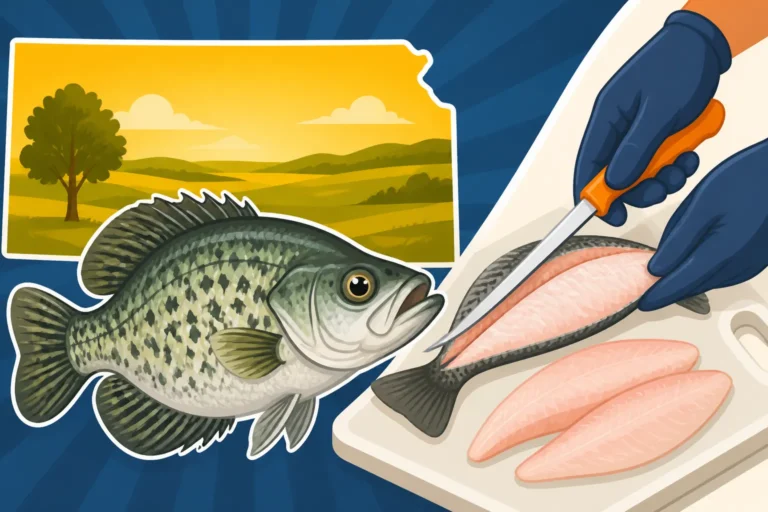
Lastly, don't forget the practicalities for a large catch. A good stringer or, even better, a spacious cooler filled with ice is crucial for keeping your fish fresh. There's nothing worse than having a great day of fishing only to have your catch spoil. Having a decent knife for cleaning is also a must – once you've learned How to Fillet a Crappie, you'll be glad you came prepared.
Ethical Angling and Responsible Harvest
Even with a generous 50-fish limit, responsible angling practices are paramount. This isn't a free-for-all; it's an opportunity to enjoy a sustainable resource. Always abide by the rules, including minimum length limits if they are in place for the specific body of water you're fishing. Even if the state allows 50, if your local lake has a 10-inch minimum, stick to it. These rules are in place for the health of the fishery.
Consider releasing any crappie that appear to be weak, injured, or simply smaller than what you prefer to keep. While the limits are set to encourage harvest, it's also about enjoying the sport. If you only want enough for a meal or two, there’s no shame in stopping short of the limit. However, if you're hitting a school of prime-sized crappie and have a plan to utilize them, then go for it! Just ensure you're harvesting efficiently and humanely. Pay attention to the conditions; for instance, crappie often move shallow in the spring, which can be an excellent time to target them, but also a time to be mindful of spawning fish. Knowing When Crappie Move Shallow in Kansas can help you plan.
Enjoying Your Bounty: Cleaning and Cooking
Catching 50 crappie is one thing; processing them is another. This is where a little planning goes a long way. Many anglers enjoy the social aspect of cleaning fish, often setting up a cleaning station with friends or family. Good quality fillet knives, like those you might find on Amazon, are a game-changer when you're cleaning a large batch of fish. A dull knife will turn a joyful task into a frustrating chore.
Once filleted, crappie are incredibly versatile. They are known for their sweet, flaky white meat. You can fry them, bake them, grill them, or even turn them into fish tacos. Freezing them properly, in vacuum-sealed bags or water-filled containers, will preserve their quality for months. Think about how much food 50 crappie represent – it's a fantastic, healthy protein source that can feed a family for several meals. So, embrace the generous limit, enjoy the catching, and savor the delicious reward that Kansas crappie offer!
Disclaimer
This article is for general informational purposes only and does not constitute professional advice. Laws, prices and regulations vary by location and change over time. Consult a qualified professional for guidance on your specific situation.