Why the Channel Catfish Limit Is Set Where It Is
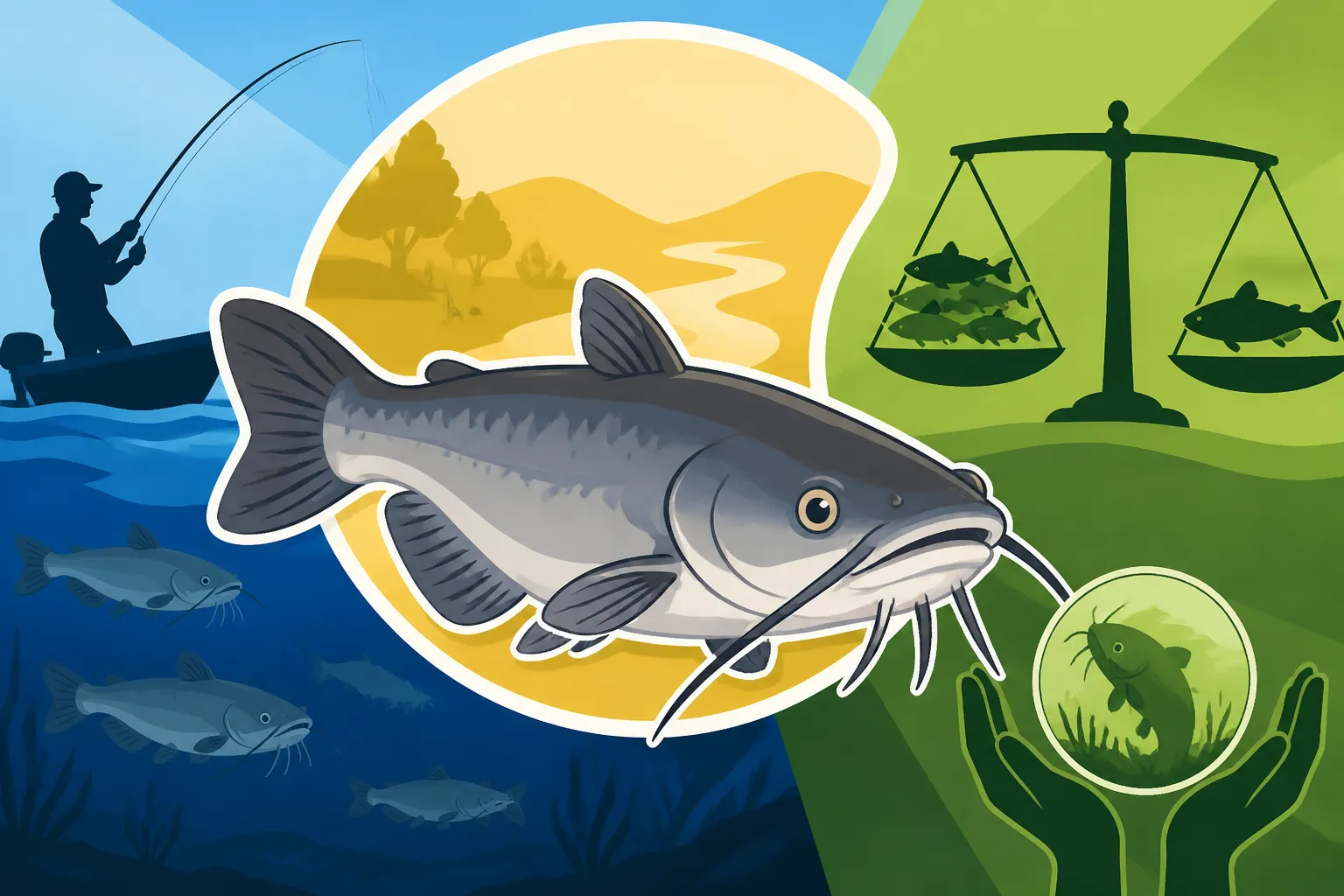
For many Kansas anglers, reeling in a feisty channel catfish is a quintessential experience. It's a fish that fights hard, tastes great, and seems to be almost everywhere, from our sprawling reservoirs to the smallest community ponds. So, when you're having a banner day and suddenly realize you've reached your daily limit, it can spark a moment of curiosity, or even a little frustration, about why that specific number is in place. You might wonder, "Why exactly is the channel catfish limit set where it is?" This guide is here to unravel the complex reasoning behind these regulations, giving you a deeper appreciation for the science and careful planning that goes into managing our beloved Kansas fisheries.
Understanding the Role of Daily Limits in Fisheries Management
When you head out to your favorite fishing spot, whether it's a quiet stretch of the Kansas River or a bustling public lake, you're hoping for a good day of catching. The folks at the Kansas Department of Wildlife and Parks (KDWP) want that for you too, but they also have a monumental task: ensuring that there are plenty of fish for everyone, for many years to come. That's where daily limits come into play. They aren't just arbitrary numbers; they are a vital tool in balancing the angler's desire for a successful outing with the long-term health and sustainability of the fish populations themselves.
Balancing Angler Opportunity and Fish Population Health
Think about it like this: if everyone could keep every single fish they caught, especially popular species like channel catfish, it wouldn't take long before the fishing started to decline. Imagine a small, well-stocked community pond. If fifty anglers each took home twenty catfish in a single day, that pond would be severely depleted almost overnight. Fishing limits prevent this kind of rapid depletion. They act as a governor, slowing down the rate at which fish are removed from the water, giving the remaining fish a chance to grow, reproduce, and replenish the stock.
The goal is to find that sweet spot – enough fish for anglers to have a rewarding experience, but not so many removed that the population can't sustain itself. It's a delicate dance between providing ample opportunity and safeguarding the resource. Without limits, the joy of fishing would be short-lived, with once-abundant species becoming scarce. This isn't just about ensuring you catch fish today, but that your kids and grandkids will have the same, if not better, opportunities tomorrow. This foresight is what allows Kansas to maintain healthy ecosystems that support both fish and those who love to catch them.
The Science Behind Sustainable Harvest
Setting a fishing limit isn't a random guess; it's a decision rooted deeply in scientific research and ecological principles. KDWP biologists are essentially detectives, constantly gathering data to understand the intricacies of each fish population. They conduct extensive surveys using methods like electrofishing, netting, and creel surveys (where they interview anglers about their catches). This data helps them understand key factors such as the birth rate (recruitment), the death rate (mortality), and how many fish the environment can actually support (carrying capacity).
For channel catfish, this involves understanding their specific life history traits. How fast do they grow? When and how often do they spawn? How many offspring survive to adulthood? These are critical questions. If a species has a slow growth rate or a delicate reproductive cycle, the harvest limits might be stricter. Channel catfish, being robust and relatively fast-growing, can withstand more fishing pressure than some other species. However, their widespread distribution and popularity mean they are subjected to continuous pressure across many bodies of water. The limits are essentially a scientifically calculated "speed limit" for harvesting, designed to ensure that more fish are entering the population through reproduction and growth than are being removed by anglers, leading to what's known as a "sustainable harvest." It's a complex equation that requires constant monitoring and adjustment, highlighting why it's so important to understand the Kansas Fishing Regulations Explained as they evolve.
Specific Factors Influencing Channel Catfish Limits in Kansas
When KDWP biologists sit down to determine fishing limits, especially for a prolific species like the channel catfish, they're looking at a multitude of interconnected factors. It's not just about how many fish are currently swimming around; it's about their biology, their popularity with anglers, and the specific environments they inhabit across the state. Each of these elements plays a critical role in shaping the regulations we see printed in our annual fishing handbooks.
Growth Rates and Reproductive Success
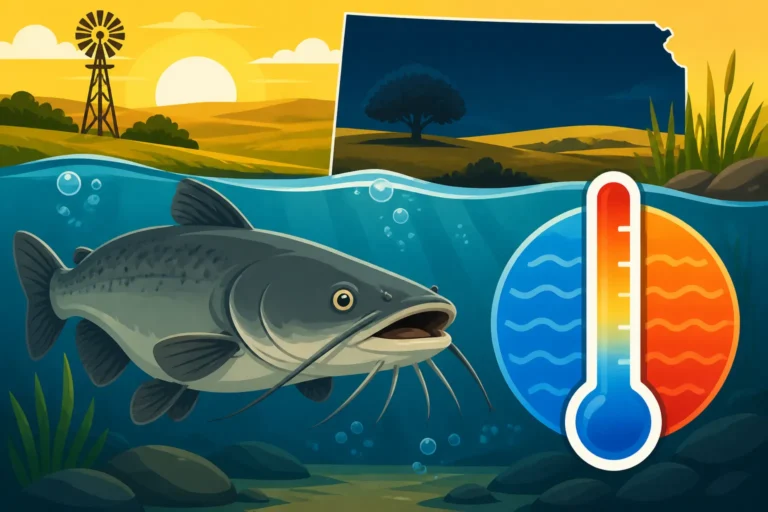
Channel catfish are often considered one of Kansas's most successful and widespread game fish, and for good reason. They're adaptable, grow to respectable sizes, and reproduce quite effectively under favorable conditions. However, "effective" doesn't mean "invincible." Biologists carefully study their growth rates—how quickly they reach different sizes—and, crucially, their reproductive success. Channel catfish are cavity spawners; the males often guard the nests in hollow logs, undercut banks, or even old tires. This protective behavior helps ensure good survival rates for their young, but factors like fluctuating water levels, extreme weather (a sudden cold snap during spawning, for instance), or habitat degradation can impact their success.
If, for example, a particular year sees a widespread cold spring that negatively impacts spawning across many bodies of water, the overall recruitment of new catfish into the population might be lower than usual. While such events don't immediately change a statewide daily limit, they are part of the long-term data collection that helps biologists understand the resilience of the species. The limit aims to protect enough mature breeding stock to ensure successful future generations, allowing the fish to complete their life cycle and contribute to the population before they are harvested. Without a carefully considered limit, anglers could inadvertently remove too many adult fish, potentially reducing the number of successful spawning events in subsequent years and impacting the Kansas Catfish Species Guide for the future.
Popularity and Fishing Pressure
Let's be honest: channel catfish are superstars in Kansas. They are arguably the most pursued fish in the state, and for excellent reasons. They're hard fighters, abundant, and delicious. This immense popularity, however, comes with a significant management challenge: high fishing pressure. Because channel cats can be found almost everywhere—from huge reservoirs like Milford and Cheney to thousands of smaller ponds and urban community lakes—they are incredibly accessible to anglers of all skill levels and ages. A kid with a cane pole and a worm can catch a channel cat, just as an experienced angler with sophisticated gear can.
This widespread accessibility means that a huge number of fishing hours are dedicated to targeting channel catfish across the state. If there were no limits, or if limits were too generous, even a relatively robust species could quickly be overfished in highly accessible areas. Imagine what would happen in the popular Kansas Community Lake Fishing Rules if there were no limits – within days, the populations could be severely impacted. The daily limit acts as a governor, ensuring that even with immense popularity and high fishing pressure, enough fish remain in the system to continue providing angling opportunities. It's a testament to their popularity that such a common fish still requires careful management to prevent localized depletion from sheer numbers of enthusiastic anglers.
Habitat Availability and Water Body Dynamics
Kansas boasts an incredible diversity of fishing habitats, from the sprawling, windswept surfaces of our large reservoirs to the meandering currents of rivers like the Kansas and Arkansas, and countless smaller ponds and streams. While channel catfish are incredibly adaptable and can thrive in a wide array of these environments, each water body has its own unique characteristics: size, depth, water quality, forage base (what the catfish eat), and available cover. These dynamics directly influence how many fish a particular body of water can truly support—its carrying capacity.
A large reservoir might have a higher carrying capacity for channel catfish than a smaller, shallower state lake. Similarly, a river system might have different dynamics due to current and food availability compared to a stagnant pond. While the KDWP often sets statewide daily limits for simplicity and ease of understanding, these broad regulations are informed by the collective understanding of various habitats. They consider factors like how many fish a typical angler might catch in different water types and what impact that removal would have on the overall health of the species across the state. For instance, understanding the flow and structure of the Kansas River Fishing Guide compared to a static lake is crucial in setting limits that protect the species in all its varied homes. Environmental changes, like prolonged droughts affecting water levels or severe floods altering river channels, are also factors that biologists keep in mind, knowing that these conditions can impact catfish populations and potentially require future adjustments to limits.
The Impact of Daily Limits on Anglers and the Ecosystem
Fishing limits might seem restrictive on the surface, but when you peel back the layers, you realize they are a cornerstone of a healthy and enjoyable fishing experience for everyone. These regulations aren't just about the fish; they're fundamentally about ensuring that the act of fishing remains a vibrant, rewarding, and sustainable pastime in Kansas, benefiting both human recreation and the natural world.
Ensuring Quality Fishing Experiences for Everyone
Think back to that community pond scenario without limits. If the fish population were decimated, the joy of fishing would vanish for everyone. Daily limits directly contribute to creating and maintaining a quality fishing experience. By ensuring that fish populations remain healthy and abundant, KDWP guarantees that when you head out, you have a reasonable expectation of success. This isn't about ensuring you catch a trophy every time, but about providing a consistent opportunity to connect with nature and potentially bring home a meal.
Consider a family planning a weekend trip to one of the Best Fishing Lakes in Kansas. They want to share the excitement of catching fish with their kids. Knowing that there's a daily limit means the lake isn't going to be "fished out" by a few individuals. It means future generations will still have that opportunity. While you might hit your limit and have to stop keeping fish, many anglers continue to enjoy the sport through responsible catch-and-release, which the healthy population numbers fostered by limits make possible. It creates a culture where every angler contributes to the sustainability of the sport, ensuring everyone can enjoy the thrill of the bite, whether it's kept for the dinner table or carefully released. For newcomers looking to get started, understanding these limits is part of the foundational knowledge provided in guides like Kansas Fishing Techniques for Beginners.
Ecological Balance and Forage Base
Every fish species plays a specific role in the intricate web of an aquatic ecosystem. Channel catfish are no exception; they are opportunistic predators, feeding on everything from insects and crustaceans to smaller fish. Their population levels need to be in balance with their food sources (the forage base) and other species in the water. If the channel catfish population were allowed to grow unchecked, or conversely, if it were severely depleted, it could throw the entire ecosystem out of whack.
Too many channel catfish might lead to an overconsumption of their prey, impacting other fish species or the overall health of the food chain. Too few, and there might be an overabundance of their prey, which could then strain other resources. The daily limits, therefore, aren't just protecting the catfish themselves; they are helping to maintain a broader ecological equilibrium. It's about nurturing a healthy balance where all species can thrive, creating a resilient and diverse aquatic environment for everyone to enjoy. This comprehensive approach to management recognizes that no species exists in isolation.
Adapting to Changing Conditions
It's crucial to remember that nature is dynamic, and so too are the regulations governing it. The KDWP doesn't set limits in stone and forget about them. Instead, they continually monitor fish populations, environmental conditions, and angler harvest rates. This ongoing research allows them to identify trends, react to unforeseen challenges (like prolonged droughts or new invasive species), and make informed decisions about whether to adjust regulations. The limits you see today are the result of decades of accumulated data and experience.
This adaptive management approach ensures that regulations remain relevant and effective. For example, if monitoring reveals that a particular species is struggling, limits might be temporarily reduced, or slot limits (where only fish within a certain size range can be kept) might be introduced to protect specific age classes. Conversely, if a population is booming, limits might be relaxed slightly to allow for more harvest. Anglers play a vital role in this process by adhering to regulations and providing feedback, helping KDWP continue to refine their strategies to protect and enhance fishing opportunities for generations to come. Staying informed about the latest Kansas Fishing Regulations Explained is therefore not just about compliance, but about being part of the solution.
Beyond the Limit: Responsible Angling Practices
Understanding why the channel catfish limit is set where it is empowers us as anglers to be more responsible stewards of our natural resources. But simply knowing the limit is just one piece of the puzzle. True responsible angling extends beyond the numbers on a page and into how we engage with the environment and the fish we pursue. It’s about practicing ethical behaviors that ensure the health of our fisheries long after our lines are out of the water.
Understanding Your Local Regulations
While many limits, like the channel catfish daily bag, are statewide, it's absolutely paramount to always, always check the specific regulations for the body of water you intend to fish. Kansas has numerous community lakes, state fishing lakes, and even certain stretches of rivers that might have unique length limits, creel limits, or other special rules that supersede the general statewide regulations. Showing up unprepared can lead to fines or, worse, unintended harm to a localized fish population. Always grab a current copy of the Kansas fishing regulations, either online or at a license vendor, and give it a thorough read before you hit the water. It’s your responsibility to know the rules of the game.
For those who like to keep their regulations handy, waterproof field guides are incredibly useful, and you can often find current regulations and even download digital copies on resources like Amazon if you're looking for waterproof field guides or electronic devices that store this info. Taking the time to understand these nuances not only keeps you compliant but also shows respect for the dedicated work of the KDWP in managing these precious resources. A great place to start is by checking out guides like Where to Find the Kansas Fishing Regulations Summary.
Practicing Ethical Catch and Release
Even if you're fishing with the intention of taking home your daily limit of channel catfish for a delicious meal, you're bound to catch more fish than you can legally keep, or perhaps you'll land a fish you simply want to release to fight another day. Practicing ethical catch and release is fundamental to minimizing stress and injury to fish, maximizing their chances of survival after being returned to the water. This means handling fish gently with wet hands, supporting their body weight, and using tools like de-hookers to remove hooks quickly and efficiently.
Avoid letting fish flop around on hot, dry surfaces, and if a fish is deeply hooked, sometimes cutting the line as close to the hook as possible is better than trying to wrench it out, which can cause internal damage. A good quality, rubberized landing net is also a game-changer for protecting fish's slime coat and fins. You can find great de-hooking tools and proper landing nets on Amazon to ensure minimal harm to fish you intend to release. Mastering these techniques not only contributes to the fish population but also elevates your own angling integrity. For specific gear recommendations, check out resources like Best Net for Landing Kansas Catfish.
Supporting Fisheries Conservation Efforts
The comprehensive management strategies employed by KDWP—including setting fishing limits, stocking fish, conducting research, and maintaining habitats—are not free. They are primarily funded by anglers like you through the purchase of fishing licenses and related permits. Every time you buy a Kansas Fishing License Guide or a trout permit, you're directly contributing to the conservation efforts that keep Kansas fishing healthy and vibrant. It’s an investment in the future of the sport.
Beyond purchasing licenses, there are other ways to support conservation. Consider getting involved with local fishing clubs or conservation organizations that actively work to improve habitats or educate the public. Reporting poaching or environmental violations helps maintain the integrity of our regulations and protect fish populations. By understanding the critical role your actions and contributions play, you become an active partner in ensuring that the question "Why is the channel catfish limit set where it is?" continues to have a positive, scientifically sound answer for generations of Kansas anglers to come.
| Factor | Impact on Limits | Channel Catfish Specifics |
|---|---|---|
| Population Health | Ensures sustainable numbers, prevents decline | Robust, but high harvest pressure can impact local populations |
| Reproduction Rate | Determines how quickly populations can recover | Efficient spawners, but vulnerable during nesting |
| Growth Rate | Influences size structure and trophy potential | Moderate to fast growth, but heavily targeted at all sizes |
| Angler Popularity | Directly impacts fishing pressure and harvest rates | Extremely popular, leading to widespread harvest |
| Habitat Availability | Affects carrying capacity and distribution | Found in most Kansas waters, from rivers to small ponds |
| Ecological Role | Maintains balance within the aquatic food web | Mid-level predator, part of a balanced ecosystem |
Disclaimer
This article is for general informational purposes only and does not constitute professional advice. Laws, prices and regulations vary by location and change over time. Consult a qualified professional for guidance on your specific situation.