Why the Flathead Catfish Limit Differs From Channel Cats
It can be incredibly confusing for Kansas anglers when you look at the regulations and see different daily limits for fish that seem, on the surface, to be quite similar, like our beloved catfish species. You might wonder, "Why can I keep so many channel cats, but only a handful of flatheads?" This guide is here to unravel that mystery, diving deep into the biological and management reasons behind these distinct rules, so you can understand the method behind the madness and fish smarter.
Understanding Kansas Catfish Species and Their Habits
Kansas waters are home to several types of catfish, but the channel catfish and flathead catfish are two of the most popular, and they couldn't be more different in their lifestyles, despite both being formidable whiskered fighters. Understanding their fundamental differences is the first step to grasping why the state manages them with varying regulations.
The Abundant Channel Catfish
Think of the channel catfish as the everyman of Kansas waters. These prolific fish are incredibly adaptable and can be found almost everywhere—from the smallest farm ponds and winding creeks to our largest reservoirs like Milford Lake and Cheney Reservoir. They're opportunistic eaters, meaning they'll gobble up just about anything from insects and crayfish to smaller fish, fruits, and even commercial stink baits. This broad diet and their ability to thrive in a wide range of water conditions contribute to their widespread success and robust populations.
Channel cats also grow relatively quickly and reproduce in large numbers, often laying thousands of eggs in secure, sheltered nests. Their young generally have a good survival rate, especially in waters with plenty of food and cover. This strong reproductive success and fast population turnover mean that channel catfish can sustain a higher level of fishing pressure without significant long-term impacts on their overall numbers. It's why you'll find Kansas Channel Catfish Facts and Limits allow for a more generous daily harvest, reflecting their abundant nature across the state.
The Elusive Flathead Catfish
Now, let's talk about the flathead. These are the true apex predators of the catfish world, and they're a completely different beast. Unlike the channel cat's varied palate, flatheads are almost exclusively piscivorous, meaning they prefer to eat live fish. They're ambush predators, typically found lurking in heavy cover—think submerged timber, rocky outcroppings, or deep scour holes in rivers like the Kansas River or the depths of Tuttle Creek Lake. Their preference for specific, often hard-to-reach habitats makes them a more challenging catch, which adds to their allure for many dedicated anglers.
Flatheads also have a much slower growth rate than channel cats and can live for decades, often reaching truly massive sizes. While channel cats might hit a decent eating size in a few years, a trophy flathead often takes many more years to grow, sometimes exceeding fifty pounds. Their reproductive strategy is also different; while they are excellent parents, guarding their nests fiercely, their overall reproductive output and recruitment into the population might not be as high or as consistent as channel cats. Their solitary and specialized nature makes them more vulnerable to localized fishing pressure on those specific spots they call home.
Biological Factors Driving Different Regulations
The differing daily limits for flathead and channel catfish aren't just arbitrary numbers pulled from a hat. They are carefully determined by fisheries biologists who look at the distinct biological profiles of each species. It’s all about maintaining healthy ecosystems and ensuring there are plenty of fish for everyone, now and in the future.
Growth Rates and Longevity
One of the most significant biological distinctions between these two catfish species lies in their growth rates and lifespan. Channel catfish are fast growers. In prime conditions, they can reach a desirable eating size, say 2-5 pounds, within a few years. They reproduce relatively young and have a shorter overall lifespan compared to their flathead cousins. This means that a population of channel cats can replace itself quite rapidly, making it more resilient to the pressures of angling. You can catch a good number, and the population bounces back.
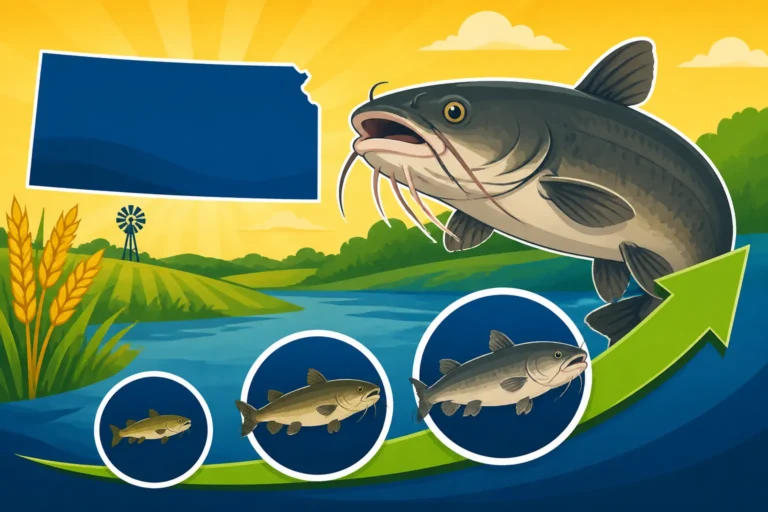
Flathead catfish, on the other hand, are slow and steady giants. It takes them a considerably longer time to mature and reach substantial sizes. A twenty-pound flathead might be well over a decade old, and trophy-sized fish in the 50-pound range or more could be 20, 30, or even 40 years old. Because these fish live so long and grow so slowly, removing too many large individuals can have a much more profound and lasting impact on the population's age structure and overall health. Stricter limits for flatheads are a direct reflection of this slower growth and longer lifespan, aiming to protect the older, larger fish that are crucial for maintaining the species' genetic diversity and reproductive potential.
Reproductive Strategies and Population Dynamics
The way each species reproduces and how their populations function are also key drivers for different regulations. Channel catfish are prolific spawners, known for their ability to produce a large number of offspring each year. They typically nest in dark, secluded spots like hollow logs, undercut banks, or even old tires, with the male guarding the eggs. Their eggs often have a high hatch rate, and the young fish, or fry, are generally hardy and adaptable, leading to strong year classes. This high reproductive output means that even with significant harvest pressure, the channel catfish population can usually rebound effectively, maintaining healthy numbers across most Kansas Community Lake Rules and reservoirs.
Flathead catfish also exhibit parental care, with males guarding the nests, but their overall reproductive success and recruitment can be more variable and sensitive to environmental factors. They tend to have fewer offspring compared to channel cats, and their young often require specific habitat conditions, like clean, flowing water with plenty of cover, to thrive. If these conditions aren't met, or if too many breeding-age adults are removed, the population's ability to recover can be significantly hampered. The Kansas Fishing Regulations Explained often include lower daily limits for flatheads to safeguard these breeding fish and ensure enough adults remain to contribute to future generations, especially given their specialized habitat needs.
Habitat Preferences and Vulnerability
Another crucial factor is how each species uses its environment, which directly impacts its vulnerability to anglers. Channel catfish are incredibly versatile. You can find them almost anywhere—from shallow flats to deep channels, in murky water or clear. This widespread distribution means that fishing pressure is naturally dispersed across a vast range of habitats, making it harder for anglers to "fish out" a specific area. They're often caught on a variety of baits and methods, from simple worm-on-a-hook setups to more sophisticated approaches, further spreading out the catch.
Flathead catfish, conversely, are much more particular about where they live. They are creatures of structure and current, almost always seeking out deep holes, log jams, rock piles, or undercut banks where they can ambush prey. These prime flathead spots are often limited within a given body of water. Because flatheads tend to congregate in these specific, predictable locations, they can be highly vulnerable to targeted angling pressure. If a group of anglers consistently fishes one productive log jam, they could potentially remove a significant number of fish from that particular micro-habitat, especially since flatheads are less likely to scatter widely. The regulations, therefore, aim to protect these more localized and vulnerable populations, ensuring that trophy flatheads remain in these crucial spots.
Management Goals and Angler Impact
Kansas fisheries managers aren't just trying to make things complicated; they're working with a clear set of goals in mind when they establish different fishing limits. These goals revolve around balancing the desires of anglers with the long-term health and sustainability of our aquatic resources.
Sustaining Healthy Populations
The primary goal behind any fishing regulation is to sustain healthy fish populations. For channel catfish, with their robust numbers and quick reproductive cycles, the management objective often leans towards providing ample harvest opportunities. This means setting daily limits that allow anglers to take home a good number of fish for their dinner table without negatively impacting the overall population's ability to reproduce and thrive. It's about maximizing the recreational benefit while ensuring sustainability.
For flathead catfish, the management approach shifts. Because of their slower growth, longer lifespan, and more specialized habitat, the focus is often on preserving the existing population structure, particularly the larger, older individuals. These older fish are vital breeders and contributors to the genetic health of the species. Therefore, limits are set to prevent overharvest, particularly of these key breeding fish, ensuring that the next generation of potential trophies is secured. The aim is often to promote a "quality" fishery for flatheads, where anglers have a chance at catching truly large fish, even if the overall numbers caught are lower.
Balancing Harvest and Trophy Opportunities
Kansas anglers have diverse interests. Some love the thrill of catching a cooler full of eating-sized channel cats, perfect for a fish fry. Others are chasing that once-in-a-lifetime monster flathead, the kind that tests your tackle and your resolve. The differing regulations acknowledge and aim to cater to both of these angling philosophies. For Kansas Catfish Daily Limits, you'll often see generous allowances for channel cats, making it easy for families to enjoy a day of fishing and bring home a meal.
Conversely, the more restrictive limits for flathead catfish are designed to protect the potential for those trophy encounters. By limiting the number of flatheads an angler can keep, especially the larger ones, the state ensures that more of these impressive fish remain in the water to continue growing and reproducing. This creates a balance: you can enjoy a plentiful harvest of channel cats, while also knowing that the opportunity to hook into a truly giant flathead is being actively protected. It's a pragmatic approach to satisfy various angler desires while maintaining ecological balance.
The Role of Angler Behavior
Believe it or not, how anglers behave and target these fish also influences the regulations. Channel catfish are often caught using passive methods like bottom fishing with dough baits, cut bait, or worms, and they’re frequently caught incidentally while targeting other species. This broad, often less intensive pressure on channel cats means the population can handle a higher harvest rate. Anglers typically aren't specifically "hunting" individual channel cats in the same way they might a trophy flathead.
Flathead catfish, due to their size and predatory nature, often attract more specialized and intense angling efforts. Anglers targeting flatheads might spend hours, or even days, in specific spots with heavy, specialized gear, often using large live baits. This focused effort, if unregulated, could quickly deplete prime flathead locations. Therefore, the regulations help manage this more intense, targeted pressure. Furthermore, encouraging responsible catch and release practices, especially for those truly giant flatheads, is key. While you might legally be able to keep a certain number, many trophy flathead anglers choose to release the biggest fish to fight another day, understanding their value to the fishery. You can find robust tackle for these powerful fish on platforms like Amazon, but always remember that the gear is just one part of ethical angling.
Practical Implications for Kansas Anglers
Understanding why the flathead catfish limit differs from channel cats isn't just academic; it has real, practical implications for every angler heading out to a Kansas lake or river. These regulations shape how we fish, what gear we choose, and how we interact with our incredible natural resources.
Checking Current Regulations
The most important practical takeaway is this: always, always check the current Kansas fishing regulations before you go out. While this guide explains the general reasoning, specific limits can change based on scientific assessments, new data, or even localized conditions in certain water bodies. What might be true for Milford Lake might differ slightly for a smaller state lake. You can usually find the most up-to-date information on the Kansas Department of Wildlife, Parks and Tourism (KDWPT) website, in their annual fishing guide, or at any license vendor. This simple step can save you from unintentional violations and ensure you're fishing responsibly. Familiarizing yourself with the Where to Find the Kansas Fishing Regulations Summary is a must for any serious angler.
It's tempting to rely on what you "heard" or what was true last season, but fisheries management is dynamic. A quick check of the regulations can make all the difference, especially when deciding how many fish to keep. Keep a digital copy on your phone or a printed copy in your tackle box.
Respecting the Resource and the Rules
Ultimately, these differing limits are a testament to the KDWPT's commitment to conserving Kansas's diverse fishing opportunities. When you adhere to the flathead catfish limit and the channel catfish limit, you're not just following a rule; you're actively participating in the stewardship of our fisheries. You're ensuring that future generations of anglers will have the same, or even better, opportunities to enjoy catching both abundant channel cats and elusive trophy flatheads.
Disregarding the rules, even inadvertently, can lead to stiff penalties, including fines and the loss of fishing privileges, as outlined in Fishing Without a License Penalties in Kansas. More importantly, it can harm the very populations we love to pursue. By understanding and respecting the biological reasons behind these regulations, we all become better conservationists. It fosters a deeper appreciation for the fish themselves and the intricate ecosystems they inhabit.
Gear Considerations for Different Catfish
The distinct biological and behavioral profiles of channel cats and flatheads also influence your gear choices. While you might catch a smaller channel cat on a relatively light setup, targeting larger channel cats and especially flatheads requires more robust equipment. For instance, a medium-heavy action rod with 20-30 pound test line might be perfectly adequate for most channel cat encounters, allowing you to use a variety of baits from stink bait to worms. You can find excellent options for Best Rod and Reel Combo for Catfish on retail sites like Amazon.
However, if you're seriously pursuing a trophy flathead, you'll want to step up your game significantly. We're talking heavy action rods, stout reels spooled with 50-80 pound braided line, and strong circle hooks designed to handle powerful runs and the immense weight of these river giants. This difference in gear preference naturally mirrors the different management strategies. You prepare for the challenge that each species presents, knowing that the rules are designed to protect the integrity of that challenge and the fish themselves. It's a subtle but important connection between regulation, biology, and your time on the water.
| Feature | Channel Catfish | Flathead Catfish |
|---|---|---|
| Typical Size | 1-10 lbs (can exceed 20 lbs) | 5-40 lbs (can exceed 100 lbs) |
| Growth Rate | Relatively fast | Relatively slow |
| Lifespan | Shorter (10-15 years common) | Longer (20-40+ years common) |
| Diet | Omnivorous (insects, fish, plants, detritus) | Primarily piscivorous (live fish) |
| Habitat | Widespread (rivers, lakes, ponds); adaptable | Specific (deep holes, heavy cover, current) |
| Reproduction | Prolific, high recruitment | Lower recruitment, more specialized nesting |
| Vulnerability | Lower due to wide distribution, varied diet | Higher due to concentrated habitat, specialized diet |
| Management Goal | Harvest opportunity, abundant populations | Trophy potential, stable age structure |
Disclaimer
This article is for general informational purposes only and does not constitute professional advice. Laws, prices and regulations vary by location and change over time. Consult a qualified professional for guidance on your specific situation.