Kansas Largemouth Bass Facts
If you've ever spent a frustrating day on a Kansas lake, casting your heart out without a single bump, you know the challenge of finding those elusive largemouth bass. It can feel like they're just not there, or that you're using all the wrong tricks. This comprehensive guide is designed to peel back the mystery surrounding Kansas's most popular game fish, diving deep into their habits, preferred haunts, and the best ways to get them to bite, turning those slow days into memorable fishing adventures.
Understanding the Kansas Largemouth Bass
The largemouth bass, with its distinctive dark lateral line and formidable jaw, is more than just a fish; it's a true icon of freshwater angling across Kansas. Known for its aggressive strikes and powerful fights, it draws countless anglers to our reservoirs, ponds, and rivers each year. But to consistently catch these beauties, you first need to understand the fundamental facts about their biology and behavior right here in our Sunflower State.
Identifying Largemouth Bass
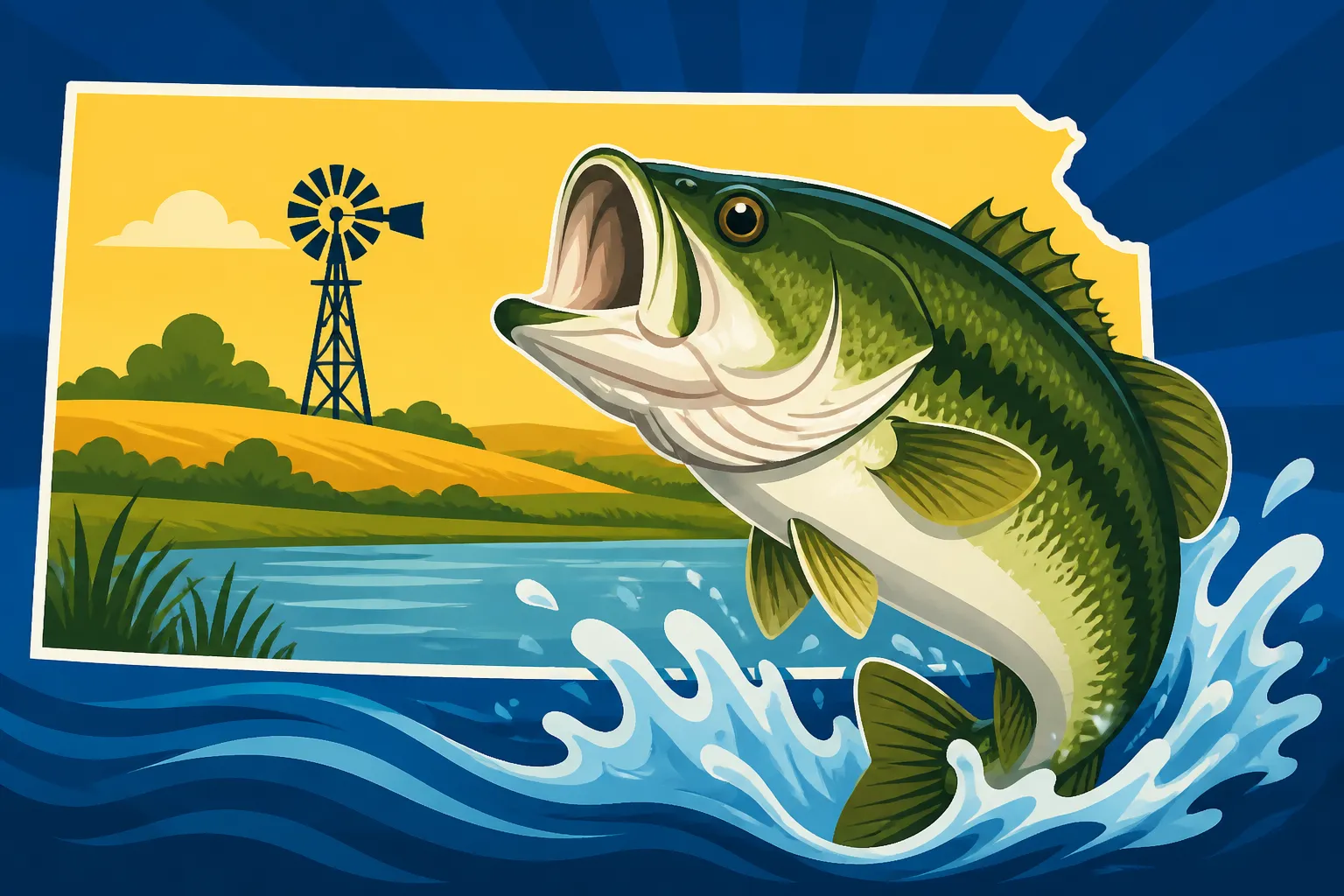
Distinguishing a largemouth bass from its cousins, like the smallmouth or spotted bass, is usually quite straightforward, though beginners might occasionally get them mixed up. The most obvious tell is its mouth: when closed, the corner of a largemouth's jaw extends beyond its eye. This is a critical identifier that gave the fish its common name. Beyond that, look for a prominent, dark, and often broken lateral line running down its side, usually appearing as a series of blotches or a continuous stripe. Their bodies are typically olive green to dark green on the back, fading to lighter green or white on the belly, helping them camouflage perfectly in shallow, vegetated waters.
Their scales are relatively large, and their dorsal fin is deeply notched, almost appearing as two separate fins connected at the base. Young largemouth can sometimes be mistaken for smallmouth bass, but the smallmouth's jaw won't extend past the eye, and it generally has more subtle vertical bars or mottling instead of a strong lateral line. Knowing these key characteristics will not only help you correctly identify your catch but also ensure you're adhering to species-specific regulations. Understanding the Kansas Fish Species Guide can further enhance your identification skills for all local game fish.
Natural Habitat and Preferred Environments in Kansas
Largemouth bass are masters of ambush, and their preferred habitats in Kansas reflect this predatory nature. They thrive in warmer, somewhat murky waters, often associated with abundant cover. Think submerged timber, thick weed beds, lily pads, brush piles, rock piles, and even man-made structures like dock pilings or bridge abutments. These structures provide shade, cover from predators, and prime ambush points for unsuspecting prey. They particularly love areas with a mix of shallow and deeper water nearby, allowing them to move vertically with changes in light, temperature, or fishing pressure.
In Kansas, you'll find them in a wide array of water bodies, from our large, sprawling reservoirs like El Dorado Lake to the countless smaller state fishing lakes, community ponds, and even quiet stretches of our rivers. They prefer softer bottom compositions, often silty or muddy, where aquatic vegetation can take root. Unlike smallmouth bass that typically favor rocky, clearer, and deeper environments, largemouth are generally "structure-oriented" fish that hang tight to cover, waiting for an easy meal. Learning about Kansas Farm Pond Fishing Tips can be incredibly useful for targeting these fish in smaller, often overlooked waters.
Diet and Feeding Habits
Largemouth bass are opportunistic and voracious predators, and their diet is incredibly diverse, changing with their size, age, and the available forage in their specific environment. Young bass start by feeding on zooplankton and insect larvae, quickly graduating to larger insects and small minnows as they grow. As they mature, their diet expands to include nearly anything they can fit into their sizable mouths. This includes various baitfish like shad, bluegill, and sunfish, as well as crayfish, frogs, snakes, small birds, and even small rodents if they happen to fall into the water.
This wide-ranging diet is precisely why so many different lures and baits work for largemouth bass. They are triggered by movement, vibration, and visual cues that mimic their natural prey. Understanding What Largemouth Bass Eat Ponds can help you select the most effective lures for the specific forage base in your chosen fishing spot. During different seasons, their feeding habits can shift dramatically, influenced by water temperature, light levels, and spawning cycles. For example, during the spring spawn, they become highly territorial and will strike at anything perceived as a threat to their nest. In the heat of summer, they often feed more actively during low-light hours or retreat to deeper, cooler waters to ambush prey.
Where to Find Largemouth Bass in Kansas
Kansas might be known for its vast prairies, but underneath the surface of our numerous lakes and rivers lies a thriving largemouth bass population. Knowing where to direct your efforts is half the battle won, and Kansas offers a diverse range of aquatic environments perfect for chasing these hard-fighting fish. From immense reservoirs to cozy farm ponds, there's a largemouth hotspot for every angler.
Top Kansas Reservoirs for Largemouth
When it comes to big water and big bass opportunities, Kansas reservoirs are often the go-to. These large bodies of water, while sometimes challenging due to their sheer size, hold excellent populations of largemouth, especially in areas with abundant submerged cover and diverse bottom structures. Reservoirs like El Dorado Lake, for instance, are renowned for their impressive largemouth fishing. Anglers here often target standing timber, riprap shorelines, creek channels, and expansive coves with submerged vegetation. Many of these larger impoundments benefit from active fisheries management, which helps sustain healthy bass populations.
Other fantastic reservoirs include Clinton Lake, Hillsdale Lake, and Melvern Lake, all offering distinct challenges and rewards. Successful reservoir bass fishing often involves covering a lot of water and using modern electronics to locate structure and schools of baitfish. Look for defined points, humps, and submerged roadbeds, especially if they are close to deep water access. Understanding how to apply Structure Fishing for Kansas Bass techniques can significantly improve your success rate on these larger bodies of water, as bass will often relate to these features.
Productive State Fishing Lakes and Community Ponds
Don't let the size of the reservoirs intimidate you; some of the most consistent and enjoyable largemouth fishing in Kansas can be found in our network of State Fishing Lakes and Community Fishing Lakes. These smaller, often intensively managed waters are perfect for a relaxing day of fishing, especially for those who prefer bank fishing or smaller boats. These lakes are frequently stocked and managed with angler success in mind, often featuring brush piles, fish attractors, and accessible shorelines.
For example, many local community lakes near Wichita or Topeka are fantastic for both numbers and quality largemouth bass. They often have established aquatic vegetation, fallen trees, and docks that provide ideal cover. These spots are also excellent for introducing new anglers to the sport, as the fish are often more accessible. Always check the specific rules for these waters, as some may have special length or creel limits that differ from statewide regulations. Many of these smaller lakes are designed with public access in mind, making them convenient choices for a quick trip.
River Systems and Private Ponds
While reservoirs and state lakes get a lot of attention, Kansas's river systems and countless private ponds offer some truly exceptional, albeit sometimes overlooked, largemouth bass opportunities. Rivers like the Kansas River or the Marais des Cygnes River can hold surprising numbers of largemouth, especially in slower-moving oxbows, backwater sloughs, and areas with fallen trees and dense bank vegetation. Fishing rivers requires a different approach, often focusing on current breaks and eddies where bass can hide from the flow and ambush prey.
Private ponds are arguably the crown jewel for many Kansas bass anglers. Often less pressured and incredibly fertile, these ponds can produce truly trophy-sized largemouth. Access to private ponds typically requires permission from the landowner, but the rewards can be immense. Look for ponds with a good mix of shallow and deep water, some cover, and healthy forage populations. Fishing these intimate waters allows for more stealthy approaches and the chance to experiment with various techniques in a low-pressure environment. Just remember, a good fishing map or local knowledge is invaluable for pinpointing these prime locations.
Optimal Seasons and Conditions for Largemouth Bass
Understanding the seasonal patterns and preferred conditions of largemouth bass is crucial for consistent success on the water. Just like us, bass change their behavior with the weather and the calendar. What works in spring might fall flat in summer, and knowing these nuances will put you a step ahead of the fish. Kansas experiences distinct seasons, each offering unique opportunities and challenges for bass anglers. Our Kansas Fishing Seasons Guide provides a broader look at all species, but here we’ll focus on the largemouth.
Spring: Spawning and Pre-Spawn Frenzy
Spring is arguably the most anticipated time for largemouth bass fishing in Kansas. As water temperatures begin to climb into the 50s and 60s Fahrenheit, bass shake off their winter lethargy and begin to move into shallower waters. This pre-spawn period is characterized by aggressive feeding as bass bulk up for the energy-intensive spawning ritual. They’ll be gorging on baitfish and crawfish, making them susceptible to a wide array of lures. Spinnerbaits, crankbaits, and jerkbaits worked along shallow points, secondary submerged channels, and creek mouths can be incredibly effective.
Once water temperatures stabilize in the high 60s, the spawn begins. Female bass move onto shallow flats, protected coves, and areas with hard bottoms to create nests, often guarded fiercely by males. During this time, sight fishing for bass on beds can be highly productive, though many anglers practice catch-and-release to protect the future of the fishery. After the spawn, bass are often a bit lethargic but will quickly recover and start feeding again, typically moving to slightly deeper cover as the waters continue to warm. This post-spawn period requires a slower approach, often with soft plastics fished around newly established weed lines.
Summer: Deep Water and Night Fishing Strategies
Kansas summers can be brutal, with high temperatures driving surface water temperatures well into the 80s. During these conditions, largemouth bass often seek refuge in deeper, cooler water, or they become much more active during low-light hours. During the day, look for them along deep creek channels, submerged humps, thermoclines, and thick, offshore cover. Heavy jigging spoons, deep-diving crankbaits, or Texas-rigged worms can entice strikes from these deeper holding fish. Finding submerged timber or rock piles in 15-25 feet of water can be a goldmine.
As the sun sets, however, a new world of opportunity opens up: night fishing. Summer nights in Kansas can be incredibly productive for largemouth, especially on clear, calm evenings. Bass will move into shallower water to feed under the cover of darkness. Topwater lures like poppers, buzzbaits, and Jitterbugs create irresistible commotion on the surface, drawing explosive strikes. Spinnerbaits and large worms or lizards fished slowly around docks and brush piles are also highly effective. Just remember to bring a good headlamp and be extra cautious navigating in the dark.
Fall: Feeding Blitz and Transition Periods
Fall is another fantastic time for largemouth bass fishing in Kansas. As air temperatures cool and days shorten, the water temperature begins to drop, signaling to bass that winter is approaching. This triggers an instinctual feeding frenzy, as they stock up on fat reserves. Bass often become much more aggressive and will chase down baitfish with gusto. Look for them to school up, following baitfish into shallower coves and creek arms. The baitfish themselves are often concentrated in these areas before moving to deeper water for winter.
Crankbaits, lipless crankbaits, spinnerbaits, and bladed jigs can be incredibly effective during the fall transition. Covering water quickly to locate active schools is key. As fall progresses and water temperatures dip into the 50s, bass may start moving to deeper staging areas near wintering holes. This is a great time to target points and humps near the main lake basin. The autumn colors are beautiful, and the fishing can be just as vibrant.
Winter: Slowing Down and Deep Holds
Winter fishing for largemouth bass in Kansas can be challenging, but also rewarding for dedicated anglers. As water temperatures drop into the 30s and 40s, the bass's metabolism slows dramatically. They become much less active, moving less and feeding less frequently. They typically hold in deeper water, often near significant structure that provides thermal refuge. Deep creek channels, bluff walls, submerged standing timber, and main lake points are prime wintering spots.
Your approach needs to be slow and methodical during winter. Vertical jigging spoons, slow-rolled spinnerbaits, or subtle presentations with shaky heads and drop-shot rigs can coax bites. Look for baitfish schools on your fish finder, as bass will often be nearby, lethargically picking off easy meals. On warmer, sunny winter days, bass might move up onto sun-baked shallow flats for a short feeding window, offering a brief opportunity for reaction strikes. Ice fishing for bass is possible on some smaller, shallower lakes in Kansas if the ice is safe, utilizing small jigs and spoons.
Effective Techniques and Lures for Kansas Largemouth
Catching largemouth bass in Kansas isn't just about showing up; it's about understanding how to present your bait, what gear to use, and when to apply specific techniques. With the right arsenal and knowledge, you can transform a slow day into an epic outing. There's a vast world of tackle out there, but let's break down what truly works for Kansas largemouth. You can find a huge variety of options on Amazon for nearly any technique discussed.
Essential Rods, Reels, and Line for Bass
Having the right equipment is fundamental for effective largemouth bass fishing. Generally, you'll want a versatile setup that can handle powerful fish and diverse presentations.
- Rods: Medium-heavy to heavy power rods, typically 6'6" to 7'6" in length, are excellent choices. A medium-heavy rod with a fast action tip is a fantastic all-around option for Texas-rigs, jigs, and spinnerbaits. If you're flipping heavy cover, a heavier power rod with a moderate-fast action will give you the backbone needed to pull big bass out. For topwater and crankbaits, some anglers prefer a slightly more moderate action rod to allow the fish to take the bait without ripping it away. For a deeper dive, check out Best Rods and Reels for Kansas Fishing.
- Reels: Baitcasting reels are the workhorses for most largemouth applications. Look for reels with a smooth drag system and a gear ratio appropriate for your technique. Higher gear ratios (7.1:1 or more) are great for quickly taking up slack and for techniques like pitching and flipping. Lower gear ratios (6.4:1 or less) are better for crankbaits, allowing you to slow down your retrieve and maintain consistent pressure. Spinning reels are also essential, especially for lighter baits, finesse techniques, or if you're just starting out.
- Line: Your line choice depends heavily on your technique and the cover you're fishing.
- Monofilament: Great for topwater and crankbaits due to its stretch and buoyancy. It's more forgiving and helps keep treble hooks from tearing out.
- Fluorocarbon: Known for its low visibility, sensitivity, and abrasion resistance, making it ideal for most bottom contact baits like jigs and worms. It sinks, which is beneficial for deeper presentations.
- Braided Line: Extremely strong, no stretch, and highly abrasion resistant. Perfect for fishing heavy cover, flipping, punching, or as a main line when using a fluorocarbon or mono leader. Its lack of stretch provides incredible feel.
Top Lures and Baits for Kansas Largemouth
The world of bass lures is vast and sometimes overwhelming, but a core selection will cover most situations you'll encounter in Kansas.
- Soft Plastics: These are arguably the most versatile and productive baits. Worms (Texas-rigged, Carolina-rigged, wacky-rigged), creature baits, craws, and Senkos are all staples. They can be fished weedless in heavy cover, on shaky heads for finesse, or on jig heads. They imitate a variety of forage and are highly effective year-round.
- Jigs: Flipping jigs and football jigs are incredible big bass baits. They mimic crawfish and baitfish, making them deadly around structure. Black and blue, green pumpkin, and brown are classic colors. Pair them with a matching soft plastic trailer for added bulk and action.
- Spinnerbaits: Excellent for covering water and fishing around sparse cover or grass. The flashing blades and pulsating skirt attract bass from a distance, making them great search baits, especially in murky water or on windy days. White, chartreuse, and a combination of the two are perennial favorites.
- Crankbaits: These dive to various depths and imitate baitfish. Shallow-divers for spring and fall, medium-divers for general applications, and deep-divers for summer and winter. Match the color to the local forage, but chrome, shad patterns, and crawfish patterns are always good bets.
- Topwater Lures: Nothing beats the excitement of a topwater strike. Poppers, walking baits (like a Zara Spook), buzzbaits, and frogs are fantastic for early morning, late evening, or overcast conditions, especially over shallow cover. The article Best Topwater Lures for Bass offers more specific recommendations for these thrilling baits.
- Bladed Jigs (Chatterbaits): A relatively newer but incredibly effective category. They combine the flash of a spinnerbait with the vibration of a crankbait and the profile of a jig, making them incredibly versatile in many conditions.
Specific Techniques: Pitching, Flipping, and Topwater
Mastering a few key techniques will elevate your Kansas largemouth game considerably.
- Pitching and Flipping: These are short-distance, stealthy presentations designed to get your bait into tight cover without spooking the fish.
- Flipping: Used for extremely close quarters. You typically hold a small amount of line in one hand and swing the bait, letting it freefall into dense cover like brush piles or lily pads. This is a very targeted approach, often with jigs or Texas-rigged creature baits.
- Pitching: A slightly longer cast than flipping, using a pendulum motion to gently lob your bait to cover that's a bit further away, perhaps under docks or overhanging branches. Both require precision and quiet entry, as largemouth in heavy cover can be easily spooked.
- Topwater Fishing: As mentioned, this is one of the most exciting ways to catch bass. Timing is crucial: low light conditions (dawn, dusk, overcast days) or after dark in summer are prime. Work your topwater lures with varied retrieves – slow and steady, erratic twitches, or long pauses – to mimic injured prey. A productive morning on a glassy lake with a walking bait is an unforgettable experience.
- Other Key Techniques: Don't forget the power of Carolina rigging for covering open water and identifying structure, or drop-shotting for finicky deep-water bass. Swimbaits are also gaining immense popularity for targeting larger, more aggressive fish. The key is to experiment and adapt to what the bass are telling you on any given day. You can find many specialized tools and accessories for these techniques on Amazon, from specialized hooks to weights and line.
Regulations and Conservation Efforts
Being a responsible angler means more than just catching fish; it means understanding and adhering to the rules and actively participating in conservation. Kansas has specific regulations in place to ensure healthy and sustainable largemouth bass populations for generations to come. Respecting these guidelines and practicing ethical angling helps preserve the very sport we love. Understanding Kansas Fishing Regulations Explained is a fundamental responsibility for every angler.
Kansas Largemouth Bass Size and Creel Limits
Kansas has specific size and daily creel limits for largemouth bass, which can vary by water body. While general statewide regulations exist, it's absolutely critical to check the specific regulations for the lake, reservoir, or pond you plan to fish, as many popular spots have unique rules designed to enhance their particular fishery. These special regulations are often posted at boat ramps and access points, and are always available in the Kansas Fishing Regulations Summary. For example, some lakes might have a "slot limit," meaning bass within a certain size range must be immediately released, while others might have a higher minimum length or a reduced daily bag limit.
A common statewide regulation might allow for a certain number of bass per day with a minimum length, but this is subject to change and specific local rules often supersede the general. These limits are set by fisheries biologists to maintain a balanced ecosystem, allow fish to reach reproductive maturity, and manage the overall population health. Ignoring these rules can lead to significant penalties, including fines and license revocation. Always make sure you're up-to-date on Kansas Daily Creel Limits by Species before you hit the water, and ensure you have your Kansas Fishing License Guide in order.
Practicing Catch and Release for Sustainable Fisheries
Beyond just following the legal limits, many dedicated largemouth bass anglers embrace catch and release, especially for larger, trophy-sized fish. These larger fish are crucial for the genetic health of the population and contribute significantly to future spawns. Catch and release helps ensure that the fishery remains robust and continues to produce quality fish for all to enjoy. If you choose to release a fish, doing so properly is essential for its survival.
Here are some best practices for catch and release:
- Minimize Handling: Reduce the time the fish is out of the water. Handle it gently with wet hands or a wet cloth.
- Support its Weight: Support the bass horizontally, especially larger fish, to avoid damaging its internal organs or jaw.
- Use Barbless Hooks: Consider using barbless hooks or crimping the barbs on your hooks to make removal easier and less damaging. You can find crimping tools and pliers on Amazon that make this simple.
- Remove Hooks Quickly: Use pliers or a de-hooking tool to remove hooks cleanly. If the hook is deeply swallowed, cut the line as close to the hook as possible rather than trying to rip it out.
- Revive if Necessary: If the fish seems stressed, hold it gently in the water, facing into the current, until it regains its strength and can swim away on its own.
The goal is to send that fish back healthy, ready to fight another day and contribute to the next generation of bass.
The Role of Anglers in Conservation
Every angler plays a vital role in the conservation of Kansas's aquatic resources. Our participation goes far beyond just obeying regulations. It includes reporting violations, participating in clean-up efforts, and supporting organizations that fund habitat restoration and fisheries management. When you purchase a Kansas fishing license or any specialized permits, a portion of those funds directly supports the Kansas Department of Wildlife, Parks and Tourism (KDWPT) in their efforts to manage and improve fisheries.
Additionally, simple acts like properly disposing of trash, avoiding the spread of aquatic invasive species (by cleaning your boat and gear), and respecting private property are all crucial. By being good stewards of our natural resources, we help ensure that Kansas remains a premier destination for largemouth bass fishing and that future generations can experience the same joy and excitement we do on the water. Conservation isn't just a government responsibility; it's a shared commitment among all who cherish the great outdoors.
Disclaimer
This article is for general informational purposes only and does not constitute professional advice. Laws, prices and regulations vary by location and change over time. Consult a qualified professional for guidance on your specific situation.