Channel Catfish Growth Rate
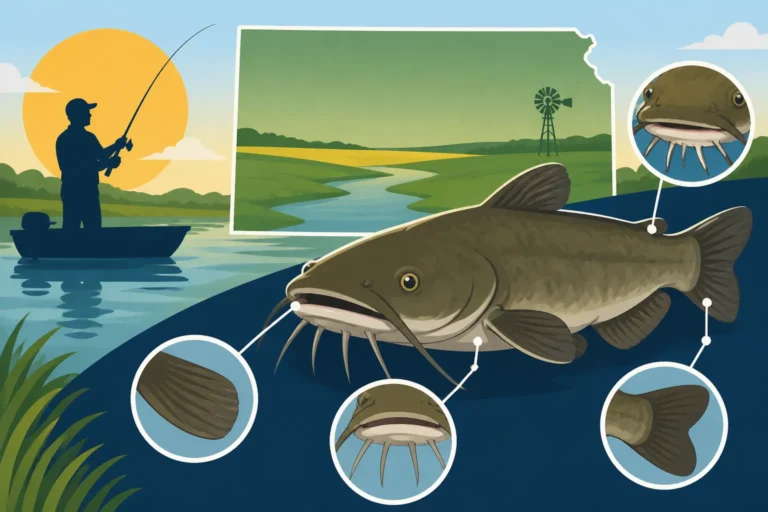
If you've ever spent a quiet evening on a Kansas lake, pole in hand, waiting for that tell-tale tug, you've probably wondered about the fish you're targeting. Specifically, for many of us who love chasing whiskered giants, the question of "how fast do channel catfish grow?" is a common one. It's not just idle curiosity; understanding the growth rate of channel catfish in Kansas waters can drastically change your fishing strategy, from selecting the right bait to knowing what kind of size to expect from different bodies of water. This guide will dive deep into what makes a channel cat grow, what typical sizes you can expect, and how this knowledge can make you a more successful angler in the Sunflower State.
Understanding Channel Catfish Growth Drivers
The growth rate of a channel catfish isn't a fixed number; it's a dynamic process influenced by a fascinating interplay of environmental factors and genetics. Think of it like kids on a playground – some grow faster, some slower, but it's often about their environment and what they're "fed." For channel cats in Kansas, these drivers are critical to their development, dictating how quickly they go from a small fingerling to a trophy-sized whiskered warrior.
Water Body Type and Habitat
The kind of water a channel catfish calls home plays an enormous role in its growth trajectory. Kansas is blessed with a diverse range of aquatic environments, from vast reservoirs to meandering rivers and countless farm ponds, and each offers a unique set of conditions.
In the expansive waters of large reservoirs like Milford Lake or Cheney Reservoir, channel catfish generally have more room to roam and a varied diet available. These larger systems often have a more stable food chain, providing a consistent supply of smaller fish, invertebrates, and even terrestrial insects that fall into the water. The sheer volume of water also means more stable temperatures and oxygen levels, which are crucial for a fish's metabolism and growth. Conversely, a smaller farm pond, while sometimes offering explosive growth initially if stocked correctly and managed, can quickly become overcrowded. When too many fish compete for limited resources, growth rates can slow dramatically, leading to a population of stunted fish. This is why you might catch a lot of smaller channel cats in an unmanaged pond, even if it seems like a healthy fishery. The availability of diverse habitat, like rocky structure, submerged timber, or deep channels, also provides cover and hunting grounds, allowing catfish to thrive and find ample forage.
Food Availability and Diet
It probably goes without saying, but a catfish's diet is paramount to its growth. Channel catfish are opportunistic omnivores, meaning they'll eat just about anything they can get their mouths on, and the more high-quality food available, the faster and larger they tend to grow.
In rich Kansas waters, a channel cat's diet might include small minnows, shad, crayfish, aquatic insects, worms, and even plant matter or decaying organic material. Waters with a thriving baitfish population, like gizzard shad or threadfin shad, are prime environments for fast-growing catfish. Imagine a lake with an abundance of readily available protein – those catfish are going to pack on the pounds much faster than those in a leaner environment. Anglers who understand this often use baits that mimic these natural food sources, like cut bait or shad. Having a varied diet also ensures they get all the necessary nutrients. If food becomes scarce, not only do they grow slower, but their overall health can decline, making them more susceptible to disease. This is a common issue in overpopulated ponds where there simply isn't enough grub to go around for everyone, leading to smaller, skinnier fish.
Water Quality and Temperature
Water quality and temperature are often overlooked by anglers, but they are absolutely fundamental to a fish's well-being and growth. Think of it as their living conditions – if the air is too hot or too cold, or the house is dirty, it's hard for anyone to thrive.
Channel catfish are resilient, but they still have optimal ranges. Ideal water temperatures for their metabolism and growth typically fall in the 70s Fahrenheit. In Kansas, this means spring, early summer, and fall are often peak growth periods. During the scorching Kansas summers, when water temperatures climb into the 80s, catfish might become less active, spending more time in deeper, cooler water, and their feeding and growth can slow. Conversely, in the cold grip of winter, their metabolism drops drastically, and growth nearly halts. Oxygen levels are also critical; warm water holds less oxygen, and if a lake experiences an algal bloom or a die-off, oxygen can deplete quickly, stressing fish and impacting their ability to feed and grow. Pollution or excessive sediment runoff can also degrade water quality, affecting the entire food chain and the health of the fish. Healthy, well-oxygenated water allows catfish to digest food efficiently and dedicate energy to growth, leading to larger, more robust specimens.
Typical Growth Rates for Channel Catfish in Kansas
So, with all those factors in play, what can you actually expect in terms of channel catfish growth in Kansas? It's tough to give a single answer, as every water body is different, but we can look at some general patterns and size expectations. Anglers often wonder if that tiny catfish they just caught will ever become a lunker, and the answer is usually yes, given the right circumstances. Understanding these typical rates helps you appreciate the fish you catch and the effort that goes into managing these fisheries.
Length and Weight by Age
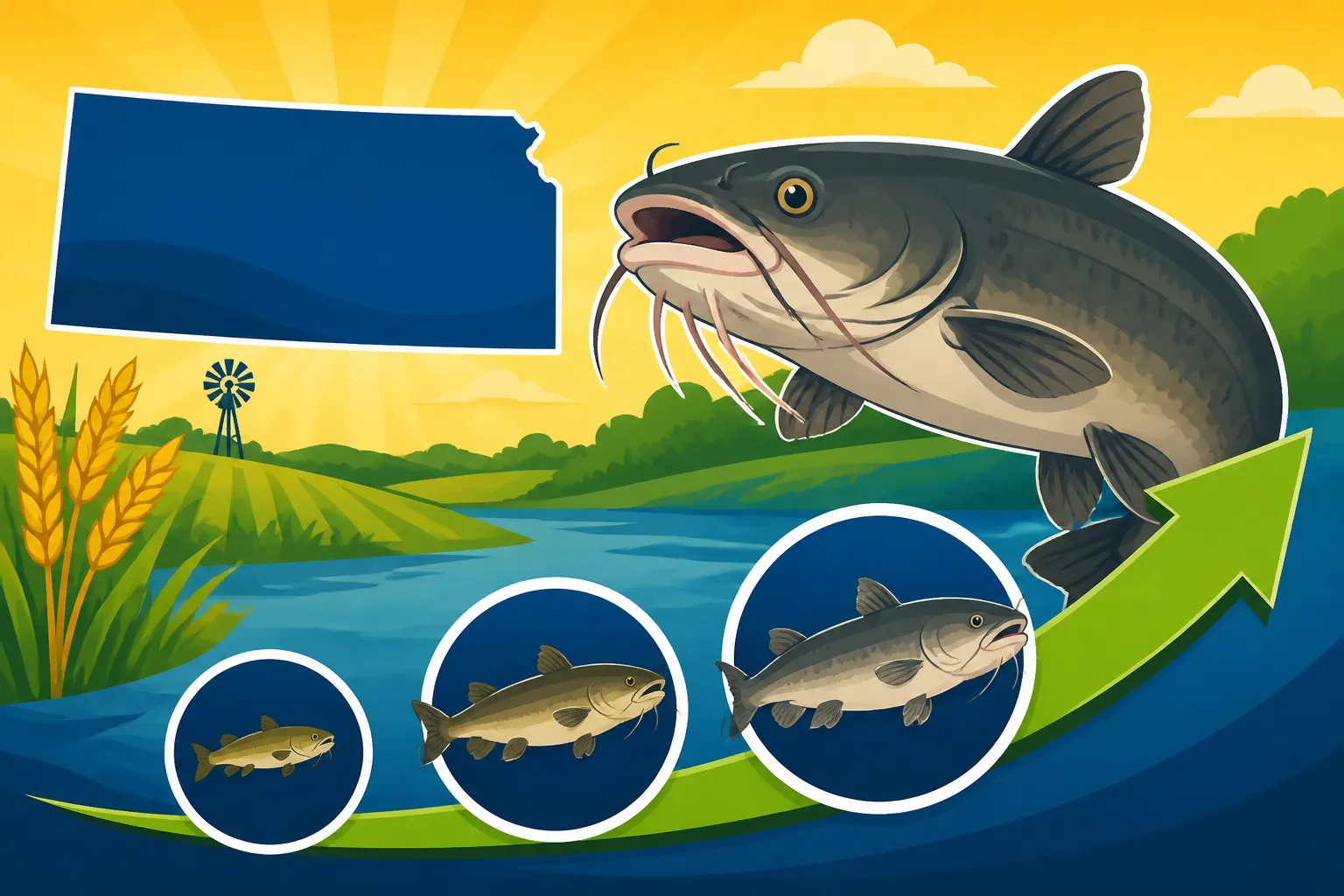
When we talk about typical growth, it's usually expressed as length and weight at certain ages. In Kansas, a channel catfish can reach a catchable size, generally around 1 to 2 pounds, within 2 to 3 years in a well-managed pond or productive reservoir. This is often the size many recreational anglers are happy to take home for a fish fry.
For example, a channel catfish might be about 6-8 inches long at age one, growing to 12-16 inches by age two, and potentially 18-20 inches by age three or four. Beyond that, growth can continue, but it tends to slow down. A five-year-old channel cat in a prime Kansas reservoir could easily be in the 5-8 pound range, and if it's really hitting the buffet, possibly even larger. These larger, older fish are often found in bigger water bodies where they have less competition and a more consistent food supply. It's important to remember these are averages; some fish will outpace these estimates, while others will lag, often due to the conditions discussed earlier. For those truly monstrous channel cats, often reaching double-digit weights, you're looking at fish that are typically 8, 10, or even 15+ years old, having survived countless winters and evaded many fishing lines.
Here's a simplified look at potential channel catfish growth in a well-managed Kansas reservoir:
| Age (Years) | Typical Length (Inches) | Typical Weight (Pounds) | Notes |
|---|---|---|---|
| 1 | 6-8 | 0.25-0.5 | Fast growth in optimal conditions, small enough for bait in some cases |
| 2 | 12-16 | 1-2 | Common "keeper" size for many anglers, good eating |
| 3 | 16-20 | 2-4 | Solid eating size, starting to show some fight |
| 4-5 | 20-24 | 4-7 | Strong fighting fish, great for sport and table |
| 6-8 | 24-28 | 7-12 | Approaching trophy size, getting harder to find |
| 9+ | 28+ | 12+ | True trophy fish, often found in large, well-managed systems |
Note: These are general ranges and actual growth can vary widely based on specific water body conditions.
Factors Affecting Size Limits and Records
When you look at the Kansas Channel Catfish Daily Limit or the Kansas State Record Catfish, you quickly realize that growth rates are directly tied to these regulatory and aspirational numbers. Kansas fisheries biologists carefully monitor growth rates and population health when setting regulations.
For instance, length limits are sometimes implemented to protect younger, fast-growing fish or to allow a certain percentage of fish to reach larger sizes, improving the overall quality of the fishery. If channel catfish in a particular lake are growing slowly, the limits might be more conservative to prevent overharvest. Conversely, if growth is robust, limits might be more generous. The state record for a channel catfish in Kansas didn't happen overnight; that fish spent many years in prime conditions, likely in a rich, stable environment with an abundance of food, growing steadily until it reached an incredible size. These record-setting fish highlight the upper end of what's possible when all growth factors align perfectly. Anglers often aim for these larger fish, and understanding the growth cycle helps them target the right waters and the right times. For instance, a very old, large channel cat might become more predatory, requiring different tactics than a smaller, younger fish.
Regional Differences in Kansas
While we talk about "Kansas" as a whole, the state is vast and its waters diverse. The growth rates of channel catfish can vary significantly from one region to another, depending on factors like climate, nutrient runoff, and specific management practices.
For example, reservoirs in eastern Kansas, which often receive more rainfall and agricultural runoff, might have richer nutrient loads, leading to more productive food chains and potentially faster catfish growth compared to some drier, less nutrient-rich waters in western Kansas. The Kansas River, a large river system flowing through much of the state, offers a fantastic environment for blue catfish and channel catfish, with a consistent flow, diverse food sources, and plenty of deep holes where large fish can thrive and grow. Smaller community lakes or state fishing lakes are often intensively managed and stocked, leading to good, consistent growth rates for the average angler, though they may not produce as many true lunkers as the vast federal reservoirs. Knowing these regional differences can help you decide where to focus your efforts if you're targeting a specific size class of channel catfish.
Applying Growth Knowledge for Better Catfishing
Understanding how channel catfish grow isn't just for biologists; it's incredibly useful for the everyday angler. When you grasp the lifecycle and growth potential of these fish, you can make smarter decisions about where to fish, what gear to use, and even how you contribute to sustainable fishing practices. It's about working with the fish and the environment, not against them.
Targeting Different Size Classes
Knowing the typical growth rates helps you decide what size of channel catfish you're after. If you're looking for dinner-plate sized fish, generally 1-3 pounds, you might target community lakes or smaller ponds that are regularly stocked and have good, consistent populations. These fish are usually 2-4 years old and provide excellent table fare.
However, if your goal is to land a true trophy – a channel cat in the double-digit weight class – you'll want to focus your efforts on larger reservoirs or major river systems like the Kansas River. These waters have the space, the food, and the older, established populations necessary to produce those larger, older fish. You'll often find these giants in deeper holes, near significant structure, or in areas with consistent current. Understanding that these bigger fish are older also means they've seen a lot of baits, so your Kansas Catfish Fishing Techniques might need to be more refined, and your gear more robust. Having a reliable scale to measure your catch's weight is essential for these bigger fish, and you can easily find a durable, waterproof model on Amazon.
Selecting Baits and Lures
The size and age of a channel catfish can also influence its diet and, consequently, what baits it's most likely to strike. Smaller, younger channel cats are often very opportunistic, feeding on worms, insects, and smaller pieces of cut bait. They're usually less finicky and easier to catch on a variety of offerings.
As channel catfish grow larger and older, their diet often shifts to include more protein-rich foods, particularly other fish. Large channel cats become more predatory, making baits like fresh cut shad, large whole shad, or even smaller live bluegill incredibly effective. They're looking for a substantial meal to support their larger bodies. So, if you're targeting a lunker, don't be afraid to go big with your bait! Conversely, if you're just looking for numbers of smaller eating-sized fish, simpler baits like nightcrawlers, chicken liver, or prepared stink baits will often do the trick. A good selection of Best Bait for Kansas Catfish will serve you well, regardless of the size you're after.
Fishing Season and Location Strategies
Combining knowledge of growth rates with seasonal patterns can greatly improve your success. Channel catfish grow most actively during the warmer months when their metabolism is high and food is abundant. This is often when they're most aggressive and easiest to catch.
In spring, as water temperatures rise, channel cats become very active, moving into shallower areas to feed and eventually spawn. This is a prime time to catch them as they put on weight. During the hot summer, they might retreat to deeper, cooler water during the day but become very active at night, feeding heavily. This sustained feeding during warm months contributes significantly to their growth. Knowing that the biggest fish have been growing for years, you'll want to focus on areas that provide long-term sanctuary and consistent food sources, such as deep river bends, large flats adjacent to deep water, or major creek channels in reservoirs. Locations like Milford Lake Fishing Guide or Kansas River Catfish Spots are known for producing larger channel catfish precisely because they offer these ideal growth conditions year after year. Always remember to check the Kansas Fishing Seasons and Limits to ensure you're fishing legally and sustainably.
Conservation and Management for Healthy Catfish Populations
As anglers, we have a responsibility to not only enjoy the resource but also help protect it for future generations. Understanding channel catfish growth rates is fundamental to good conservation and effective fishery management. The Kansas Department of Wildlife, Parks and Tourism (KDWP) works tirelessly to ensure healthy, sustainable catfish populations across the state, and our actions play a big part in their success.
Role of Stocking Programs
Stocking programs are a cornerstone of catfish management in many Kansas waters, especially in smaller community lakes and state fishing lakes. KDWP regularly stocks fingerling or sub-adult channel catfish to maintain healthy populations, provide angling opportunities, and, crucially, to ensure good growth rates.
These stocked fish are often genetically selected for good growth potential and are released into waters that have been assessed for adequate food and habitat. The goal isn't just to put fish in the water, but to put them in where they can thrive and grow quickly to catchable sizes. In some cases, stocking can also help balance a fishery where natural reproduction isn't sufficient or where there's been a significant fish kill. If you're fishing a regularly stocked lake, you can often expect a consistent supply of healthy, eating-sized channel cats that have grown well due to optimized conditions. However, even with stocking, overcrowding can still be an issue if too many anglers keep every fish, so responsible harvesting is key.
Importance of Harvest Regulations
Harvest regulations, such as daily creel limits and sometimes length limits, are directly influenced by the growth potential of channel catfish in a given body of water. These rules are designed to protect the population, allow fish to reach mature sizes, and ensure sustainable fishing for everyone.
For example, if channel catfish are growing very quickly in a particular lake, the daily limit might be higher because the population can sustain more harvest. Conversely, if growth is slow or recruitment (new fish entering the population) is low, the limits might be stricter. The Kansas Daily Creel Limits by Species are based on extensive biological surveys and data, including growth rates. When anglers adhere to these regulations, they contribute directly to the health of the fishery. Taking only what you need and releasing larger, older broodstock fish can help ensure that those genetics for fast growth continue in the population. It's a balance – harvest is important to prevent overcrowding and stunting, but overharvest, especially of the largest fish, can deplete the breeding stock and lead to a decline in quality.
Catch and Release Practices
While channel catfish are excellent table fare, thoughtful catch and release practices, especially for larger fish, can have a positive impact on growth potential and the overall health of a fishery. A large, old channel catfish is a valuable asset to the ecosystem, contributing to spawning and passing on its genes.
When you release a healthy fish, particularly a bigger one, it gets to continue its growth journey and contribute to future generations of catfish. If you're targeting big fish, releasing them helps ensure others (or even you!) can catch them again in the future. If you decide to release a catfish, handle it gently, minimize its time out of the water, and ensure it's revived before letting it go. Using circle hooks can also reduce mortality rates when targeting catfish, as they are more likely to hook in the corner of the mouth, making for an easier release. For those curious about the financial aspects of fishing, remember to consult current information on a Kansas Fishing License Cost by Type before heading out.
Disclaimer
This article is for general informational purposes only and does not constitute professional advice. Laws, prices and regulations vary by location and change over time. Consult a qualified professional for guidance on your specific situation.