Are Bullhead Catfish Good to Eat?
Oh, the humble bullhead! It’s a question as old as time for many Kansas anglers: Are bullhead catfish good to eat? For years, I’ve heard the whispers, the outright dismissals, and sometimes, the quiet, knowing nods from those who appreciate a good meal no matter its origins. If you've ever pulled a feisty bullhead out of a murky farm pond or a quiet creek and wondered if it was worth the effort to clean, you’re in the right place. We're going to dive deep into this often-misunderstood fish, exploring their culinary potential and sharing the honest truth about putting them on your plate.
Understanding the Bullhead Catfish
Before we even get to taste, it’s important to understand what a bullhead catfish is. In Kansas, when we talk about bullheads, we're usually referring to one of three species: the black bullhead, the yellow bullhead, or the brown bullhead. They're all part of the Ictaluridae family, which means they're cousins to our beloved channel and flathead catfish, but with some distinct differences that influence their reputation and, ultimately, their edibility.
Key Characteristics of Bullheads
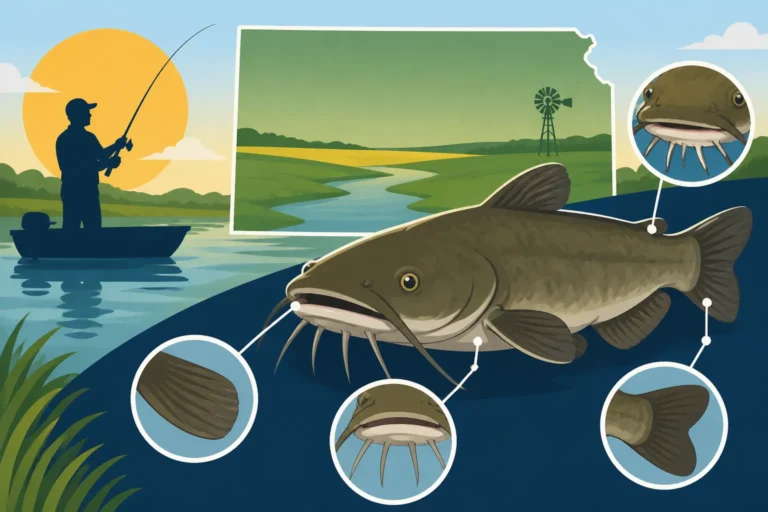
Bullheads are easily recognizable, even for a beginner. They tend to be smaller than their channel cat and flathead counterparts, rarely exceeding a few pounds, though occasionally a real tanker might surprise you. They have that classic catfish shape – stout bodies, wide heads, and those distinctive barbels around their mouths, which are packed with taste buds. Their skin is smooth and scaleless, and their fins have sharp spines that can deliver a painful poke if you're not careful. This can be one of the first frustrations for new anglers, making cleaning them seem like more trouble than it's worth.
You'll find them in a wide variety of waters across Kansas, from the shallow, warm waters of small ponds and slow-moving rivers to the backwaters of larger reservoirs. They are incredibly adaptable and tolerant of low oxygen levels and murky conditions, which is why they often thrive where other game fish struggle. This adaptability, unfortunately, sometimes contributes to the misconception that they're "trash fish" or only found in "dirty" water. But don't let their hardy nature fool you – just because they can survive in less-than-pristine conditions doesn't automatically mean they're not good table fare. Understanding their typical habitat, as discussed in our Kansas Catfish Species Guide, helps paint a clearer picture of what you're dealing with.
Common Bullhead Species in Kansas
Each of the three primary bullhead species in Kansas shares some common traits, but there are subtle differences. The black bullhead is perhaps the most common, known for its dark, often mottled skin and black barbels. Yellow bullheads, as their name suggests, have a yellowish tint and lighter-colored barbels, often found in clearer, weedier waters. Brown bullheads are less common in many parts of Kansas but can be found, identifiable by their brown to olive coloration and dark barbels.
These species are often caught using simple techniques and common baits, making them accessible targets for anglers of all skill levels. You might catch them on worms, small chunks of cut bait, or even dough balls. They're not particularly picky, which is another reason they're so prevalent. Many anglers targeting larger catfish, perhaps using techniques outlined in our Kansas Catfish Fishing Techniques, will inadvertently catch bullheads, leading them to ponder the very question we’re addressing today.
The Truth About Bullhead Taste and Texture
Alright, let's get down to brass tacks: what do bullheads actually taste like? Forget what you've heard from folks who've never tried one, or who only remember cleaning a particularly muddy specimen from a stagnant puddle. When properly handled and prepared, bullhead catfish can be surprisingly delicious, offering a unique flavor and texture profile that sets them apart from their larger relatives.
Flavor Profile: Separating Fact from Fiction
The flavor of bullhead catfish is often described as mild, slightly sweet, and distinctly "fishy" but not overpoweringly so. It's not as strong or as "gamey" as some might assume, especially if you're comparing it to, say, a really big flathead catfish from a river bottom. The key, as with most wild-caught fish, is the water quality from which it's harvested. A bullhead caught from a clean, cool, well-oxygenated lake or river will almost always taste better than one from a warm, muddy, stagnant pond. This is crucial for any species, not just bullheads.
I've had bullheads that tasted every bit as good as a channel cat, especially the smaller ones. Many experienced anglers will tell you that bullheads under a pound are the sweetest and most tender. They don't have that strong "muddy" taste that some people associate with them, which is often more a factor of their environment and less about the fish itself. It's a bit like saying all bass taste muddy – it's just not true if they come from good water. For truly fresh-tasting bullheads, target them in environments like Kansas State Fishing Lakes or larger reservoirs where water quality is generally higher, rather than small, isolated farm ponds that might get very warm in summer.
Texture and Consistency
The texture of bullhead flesh is generally firm, flaky, and moist, similar to other catfish species. It holds up well to various cooking methods, from frying to baking. This firm texture is a huge plus, as it means the fillets won't fall apart easily during cooking. You won't end up with mushy fish, which is a common concern with some other freshwater species.
However, a potential downside for some is that bullheads tend to have a slightly higher fat content than channel catfish, particularly around the belly. This fat can sometimes absorb more of the flavors from their environment. This is why smaller bullheads are often preferred; they tend to be leaner and have a cleaner taste. If you're sensitive to that richer, "fishier" fat, trimming away any dark meat or excess fat before cooking can make a big difference. Think about it like trimming the silver skin off a piece of venison – it just improves the overall eating experience.
Bullhead vs. Other Catfish Species (Taste Comparison)
Let's lay it all out there. How do bullheads stack up against Kansas's other popular catfish species, the channel and the flathead?
| Feature | Bullhead Catfish | Channel Catfish | Flathead Catfish |
|---|---|---|---|
| Typical Size | Small (0.5 – 2 lbs common) | Medium (1 – 10 lbs common) | Large (often 10 – 50+ lbs) |
| Flavor Profile | Mild, slightly sweet, can be "earthy" if from poor water | Mild, clean, flaky, very popular table fare | Rich, robust, firm, often described as "meaty" |
| Texture | Firm, flaky, moist, slightly higher fat content | Firm, flaky, low fat, white meat | Very firm, dense, white meat, almost steak-like |
| Best Eaten | Smaller fish (under 1 lb) are preferred for taste | Excellent at all sizes, especially 1-5 lbs | Smaller flatheads (under 20 lbs) often preferred |
| Ease of Cleaning | Can be challenging due to thick skin, sharp spines | Relatively easy to skin and fillet | More effort to skin due to thick hide, but large fillets |
As you can see, bullheads can hold their own, especially when you focus on the smaller, cleaner-water specimens. While channel cats are often considered the gold standard for table fare due to their consistently clean taste and easy cleaning, and flatheads offer a hearty, meaty experience, bullheads provide a perfectly respectable and enjoyable meal in their own right. Don't dismiss them simply because they're not a trophy channel cat!
The Importance of Proper Cleaning and Preparation
Now, here's where the rubber meets the road. Even the best-tasting fish can be ruined by poor cleaning or improper cooking. This is especially true for bullheads. Their thick, slimy skin and sharp spines can be a deterrent, but with the right technique and a good set of tools, you can transform them into delicious fillets ready for the pan.
Cleaning Bullheads: A Step-by-Step Guide
Cleaning a bullhead is probably the biggest hurdle for most anglers. It's not quite as straightforward as filleting a crappie or even a channel cat due to that tough skin. But once you get the hang of it, it's quick work.
- Safety First: Those dorsal and pectoral spines are no joke. Always handle bullheads with a thick glove or a rag to avoid painful pokes. A good pair of fish grippers can be incredibly helpful here.
- Skinning is Key: Unlike scaled fish, you don't scale bullheads; you skin them. Some folks use a pair of pliers and a sharp knife. Make a cut just behind the head, cutting down to the backbone but not through it. Then, using pliers, grab the skin near the cut and pull it towards the tail. It might take a few pulls, but it usually comes off in strips or chunks. Many anglers find the "dunk and pull" method effective: briefly dunk the fish in boiling water for about 10-15 seconds, then the skin comes off much easier with pliers.
- Filleting (Optional but Recommended): Once skinned, you can either cook them whole (especially smaller ones, after gutting) or fillet them. Filleting a bullhead is similar to other fish once the skin is off. Use a sharp, flexible fillet knife – you can find some excellent ones on Amazon, which makes the job much easier. Make an incision behind the head, along the backbone, and then carefully slice the meat away from the ribs and belly. Trim any dark red meat or excess fat, as this is where stronger flavors can reside. This attention to detail will greatly enhance the final taste. If you've mastered How to Fillet a Channel Catfish, you'll pick this up quickly.
- Rinsing: After cleaning and filleting, give your fillets a thorough rinse in cold water to remove any residual blood or slime. Pat them dry with paper towels before cooking.
Cooking Methods That Bring Out the Best
Once you have those clean, fresh bullhead fillets, the culinary possibilities open up. Their firm texture makes them versatile, but some methods really shine.
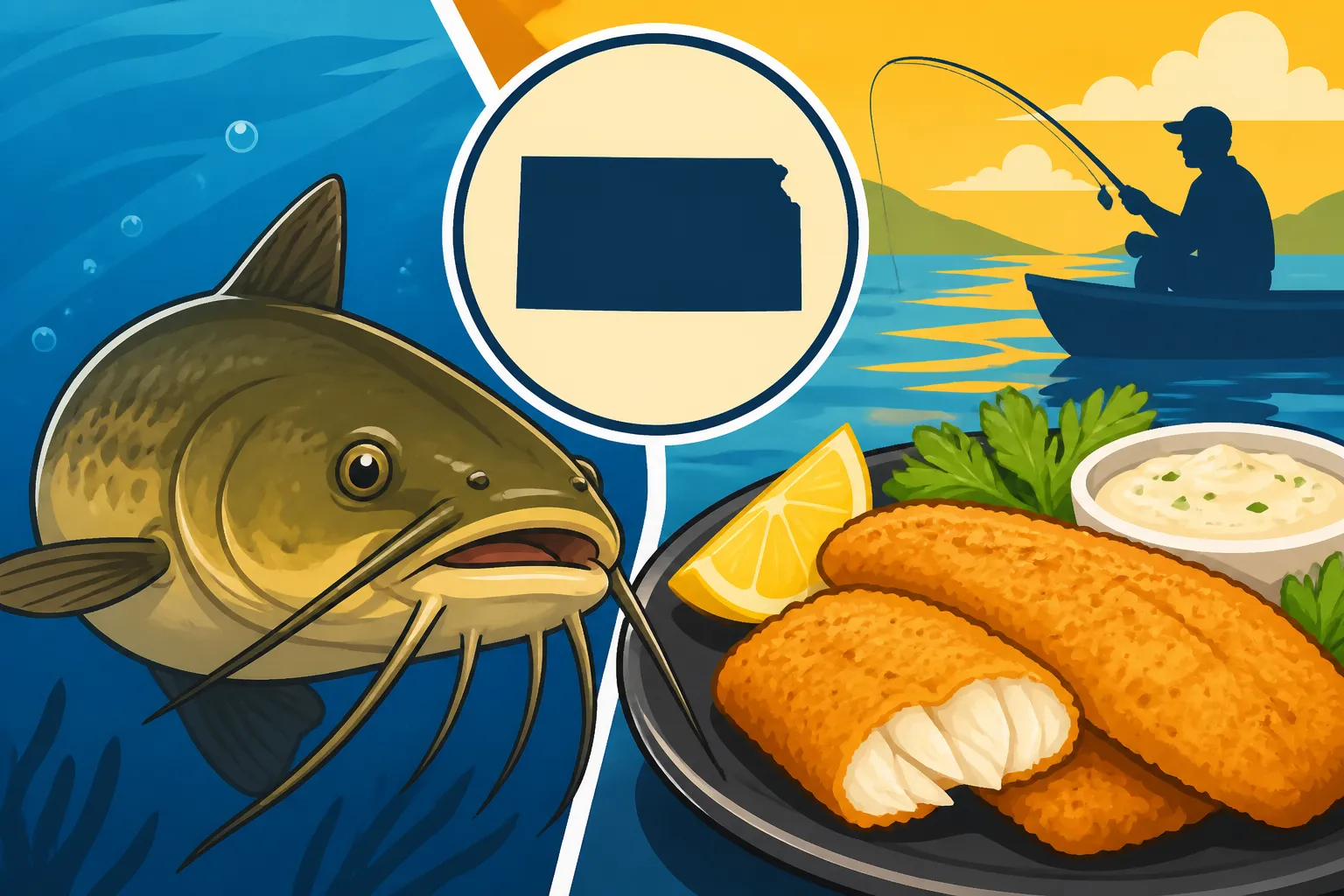
- Frying (The Classic): This is arguably the most popular way to cook any catfish, and bullheads are no exception. A simple cornmeal or seasoned flour dredge, followed by a quick fry in hot oil, will result in crispy, golden-brown fillets with tender, flaky meat inside. Serve them with hushpuppies, coleslaw, and a squeeze of lemon, and you’ll forget any preconceived notions you had about bullheads.
- Grilling: For a healthier option or if you prefer a smoky flavor, grilling bullhead fillets works wonderfully. Marinate them briefly in a light dressing – lemon, garlic, and herbs work great – then place them on a medium-hot grill. The firm flesh prevents them from falling apart, giving you a beautiful char and a distinct flavor.
- Baking or Broiling: If you're looking for minimal fuss, baking or broiling is a solid choice. Season your fillets well, perhaps with some paprika, onion powder, and a touch of cayenne, then bake them until cooked through. A quick broil at the end can add a nice crispy crust.
No matter the method, don't overcook them! Like any fish, bullheads can dry out if left on the heat too long. Cook until the flesh is opaque and flakes easily with a fork.
Sourcing and Ethical Harvesting
Part of enjoying any wild-caught food is knowing where it comes from and being mindful of sustainable practices. Bullheads are prolific, but responsible angling still matters. Plus, where you catch them directly impacts their taste.
Where to Find the Best-Tasting Bullheads
As mentioned, water quality is paramount. While bullheads are adaptable, targeting them in cleaner, cooler waters will yield the best-tasting fish. Look for them in:
- Larger Reservoirs: Lakes like Milford, Cheney, or Wilson often have healthy bullhead populations in various coves and shallower areas. The consistent water quality here usually means cleaner-tasting fish.
- Rivers and Streams: Many Kansas rivers, such as the Kansas River or smaller tributaries, can hold good numbers of bullheads. Moving water generally means better oxygenation. Kansas River Fishing Guide has some excellent tips for river fishing.
- Well-Managed Community Lakes: Many community fishing lakes are regularly stocked and maintained, providing good environments for a variety of fish, including bullheads. These often have decent water quality. Check out Kansas Community Fishing Lake Rules for specific locations and regulations.
- Private Ponds (with good management): If you have access to a private pond that is well-maintained, with good depth and circulation, these can produce excellent bullheads. However, stagnant, overpopulated ponds should be approached with caution regarding edibility.
Remember, always be aware of local fishing regulations and ensure you have your Kansas Fishing License Guide in order before heading out. While bullheads are generally plentiful, responsible harvest ensures healthy populations for everyone.
Handling Your Catch for Optimal Flavor
How you handle a bullhead from the moment it's caught until it hits the skillet makes a significant difference in its final taste.
- Keep Them Alive and Cool: The best way to preserve flavor is to keep your bullheads alive in a livewell or on a stringer in the water until you're ready to clean them. If that's not possible, dispatch them quickly and place them immediately on ice in a cooler. This slows down spoilage and prevents the flesh from developing off-flavors.
- Clean Promptly: Ideally, clean your fish as soon as possible after catching. The longer a fish sits, especially in warm conditions, the more its quality can degrade. If you can't clean them right away, keep them on ice until you can.
- Proper Storage: Once filleted, pat the fillets dry and store them in airtight bags or containers in the refrigerator if you plan to cook them within a day or two. For longer storage, vacuum seal and freeze them. Frozen bullhead fillets, properly prepared, can still be excellent months later. When it comes to reliable storage solutions, you can find a wide range of insulated coolers and vacuum sealers readily available on Amazon to help maintain the quality of your catch.
By giving bullheads a fair shot and dedicating a little extra effort to their cleaning and preparation, you might just discover a new favorite for your dinner table. Don't let their reputation or a tricky skinning process deter you. They're part of the rich angling experience here in Kansas, and a delicious part at that!
Disclaimer
This article is for general informational purposes only and does not constitute professional advice. Laws, prices and regulations vary by location and change over time. Consult a qualified professional for guidance on your specific situation.