Are Carp Good to Eat in Kansas?
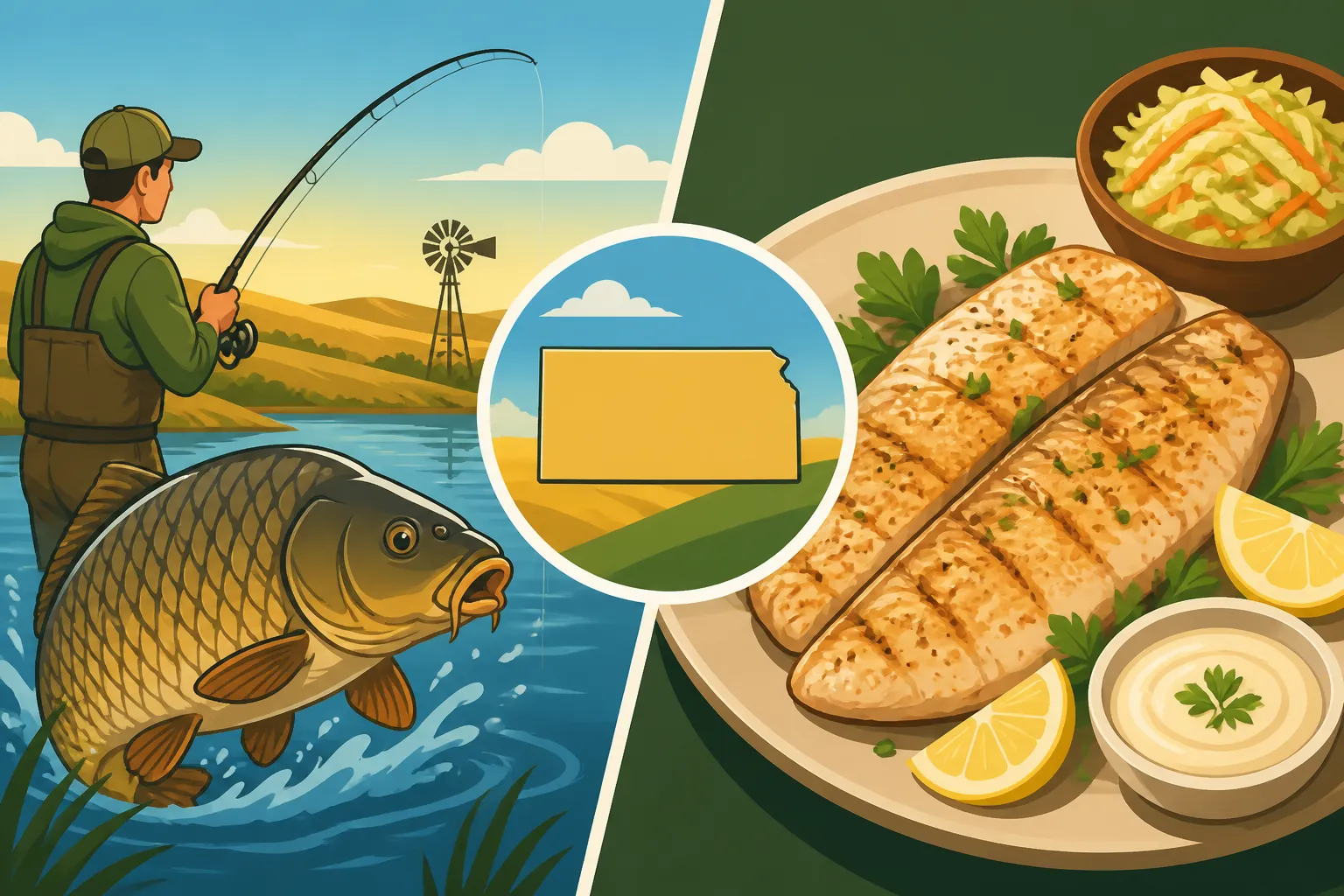
For many Kansas anglers, the humble carp often gets a bad rap, unfairly labeled as a "trash fish" that's not worth the effort, let alone a spot on the dinner table. But let me tell you, that perception is often far from the truth, and it's time we cleared up whether carp are, in fact, good to eat in Kansas. This guide is here to shed light on carp's culinary potential, bust some myths, and equip you with the knowledge to enjoy this abundant resource.
The Great Carp Debate: Why So Much Misunderstanding?
It's a common scene: you're out fishing a Kansas lake or river, you hook into a big, hard-fighting common carp, and the first thought many folks have is to quickly release it, maybe even with a grimace. This widespread disdain for carp as a food source is deeply ingrained in American fishing culture, a stark contrast to many other parts of the world where carp are prized table fare. But where does this reputation come from, and is it fair to the fish swimming in our own waters?
Part of the misconception stems from the environments carp often inhabit. They are incredibly resilient fish, capable of thriving in a wide range of water conditions, including those that might not be pristine. This leads to the "muddy taste" stereotype. While it's true that a carp caught from a stagnant, silty pond might carry some of those flavors, a carp from a clean, flowing river or a well-managed reservoir like Milford Lake or Cheney Reservoir can taste surprisingly good. The "bottom feeder" label also contributes; people imagine them constantly rooting through mud and assume this translates directly to their flavor, which isn't always the case. They are opportunistic omnivores, and what they've been eating can certainly influence their taste, but again, water quality plays a far bigger role.
Another significant factor is the bone structure. Carp, especially common carp, are known for having numerous small, "intermuscular" bones that can make filleting a challenge for the uninitiated. This can deter even adventurous eaters, leading to the belief that they're too difficult to process. However, specific filleting techniques, often called the "five-fillet method" or scoring, can effectively deal with these bones, making the meat much more enjoyable. It's not the fish's fault; it's just a different approach required in the kitchen. Many cultures have perfected these methods over centuries, enjoying carp without issue.
Cultural Views and Historical Context
It's fascinating how different cultures view carp. In many European, Asian, and even some African countries, carp are a delicacy, particularly around holidays. In Eastern Europe, for instance, carp is a traditional Christmas Eve meal. These cultures have developed rich culinary traditions around carp, using various cooking methods like baking, frying, smoking, and stewing to bring out its best qualities. They understand the nuances of preparation that can transform a seemingly bony or "muddy" fish into a delicious dish.
Here in Kansas, the historical context might also play a role. Carp were introduced to the U.S. in the late 19th century, initially with great enthusiasm as a readily available food source. However, their rapid proliferation and ability to adapt to diverse habitats led to them being viewed as competitors with native game fish, eventually earning the "rough fish" or "invasive" label. This shift in perception, unfortunately, overshadowed their potential as a food source, leading to the collective oversight we often see today. If you're interested in the broader picture of fish species in our state, our Kansas Fish Species Guide offers a deep dive.
Unmasking the Flavor: What Kansas Carp Actually Taste Like
Okay, let's get down to brass tacks: what does carp taste like, especially those caught right here in Kansas? When properly caught and prepared, carp has a surprisingly mild, sweet, and somewhat firm flesh. It's often compared to catfish, though many find it less "fishy" than some catfish species. The flavor profile can vary slightly depending on the specific water body it came from, just like any other fish. Carp from clear, cool, flowing rivers or deep, clean reservoirs tend to have the best flavor—a clean, earthy sweetness. Conversely, those from shallow, warm, muddy ponds might have a stronger, more pronounced earthy or "muddy" taste.
The key phrase here is "properly prepared." Simply tossing a whole, uncleaned carp into a pan is not going to yield the best results. The fat layers, particularly along the lateral line and belly, are where much of the undesirable "muddy" flavor can concentrate. Removing these fat sections before cooking is a game-changer. Also, skinning the carp is often recommended, as the skin can sometimes hold stronger flavors.
The Best Tasting Carp in Kansas
Not all carp are created equal, even within Kansas waters. While common carp are the most widespread, our state also hosts other carp species like grass carp and sometimes silver or bighead carp, though these are typically found in larger river systems. For eating purposes, the common carp is usually the target. Smaller carp (say, 3-6 pounds) are generally preferred for their finer texture and often fewer large bones compared to trophy-sized giants. However, even larger carp can be excellent if handled correctly.
When targeting carp for the table, consider where you're fishing. Rivers like the Kansas River or Republican River, with their moving currents and often clearer sections, can produce fantastic eating carp. Reservoirs with good water quality, such as Clinton Lake or El Dorado Lake, are also excellent choices. Avoid stagnant backwaters or ponds known for poor water quality, especially during hot summer months, if your primary goal is culinary. You'll find more details on where these fish reside in our Kansas River Fishing Guide and Best Fishing Lakes in Kansas.
| Aspect | Common Perception (Myth) | Reality (Properly Prepared Kansas Carp) |
|---|---|---|
| Taste | Always muddy, strongly fishy | Mild, sweet, firm, often compared to catfish |
| Bones | Too many small bones to eat | Many small bones, but manageable with proper filleting/scoring |
| Texture | Mushy, greasy | Firm, flaky (especially when baked/smoked) |
| Effort | Not worth the trouble | Requires specific handling, but rewarding |
| Source | Any carp from any water is bad | Water quality heavily influences taste and texture |
From Lake to Plate: Best Practices for Catching and Preparing Carp
So, you're convinced and ready to give Kansas carp a try? Excellent! The journey from catching to cooking is critical for maximizing flavor and enjoyment. First, let's talk about the catch. Carp are phenomenal fighting fish, providing an exciting angling experience. When Is Carp Fishing Popular in Kansas?, you'll find it's a growing sport, and for good reason. They can be caught on a variety of baits, from corn and dough balls to worms and even specific carp-fishing boilies. For beginners, a simple bottom rig with canned corn is incredibly effective.
Once you land your carp, speed is of the essence if you intend to eat it. Just like any other fish, chilling it quickly helps preserve the quality of the meat. Bleed the fish immediately by cutting the gills or the artery leading to the tail. This removes blood, which can contribute to a "gamey" taste. Then, get it on ice as fast as possible. A good quality cooler, perhaps one you picked up from Amazon, is invaluable for this step, especially on warmer days.
Cleaning and Filleting for Optimal Flavor
This is where many people give up, but don't! With a sharp knife and a bit of practice, you can transform a carp into delicious fillets.
- Skinning: Most people prefer to skin carp, as the skin can be tough and hold some less desirable flavors. You can do this before filleting or after. A good pair of pliers helps grip the skin once you get an edge started.
- Removing Dark Meat and Fat: This is perhaps the most crucial step for avoiding that "muddy" taste. After filleting, you'll notice a dark red strip of meat along the lateral line (the visible line running down the side of the fish) and often a layer of yellowish fat along the belly and back. Trim all of this off ruthlessly. It's tough, often strong-flavored, and contributes to the negative stereotypes.
- Addressing the Bones: This is the trickiest part. For common carp, you have a couple of options:
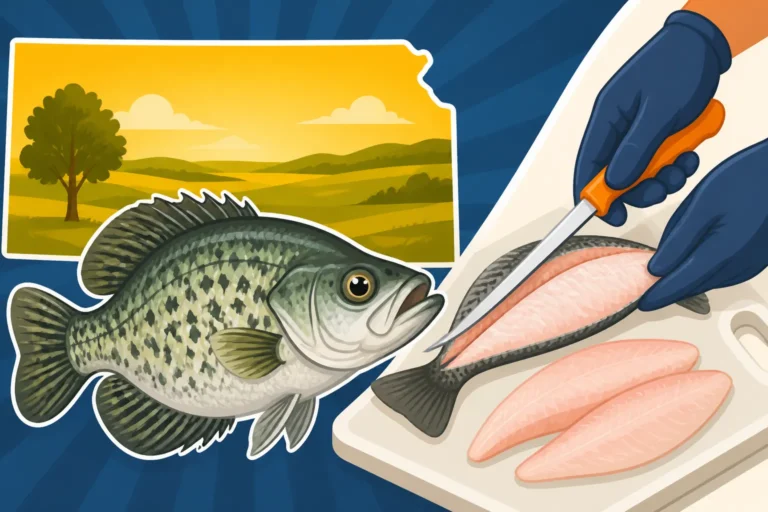
- The "V" Cut (Five-Fillet Method): Instead of two large fillets, you make five. You cut along the top of the backbone, then separate the upper "loin" from the rib cage. Then, you make a second cut along the bottom of the backbone, removing a smaller strip of meat. The remaining large side section still has bones, but these can be sliced out, or the fillet can be "scored."
- Scoring: For the remaining fillet sections with intermuscular bones, lay the fillet skin-side down (or where the skin was). Using a very sharp Best Fillet Knife for Kansas Catfish, make numerous shallow cuts perpendicular to the length of the fillet, about 1/8 to 1/4 inch apart, cutting down to but not through the skin/bottom layer. These cuts will sever the tiny bones, making them virtually unnoticeable after cooking as the heat softens them. This technique is especially effective for frying or baking.
Popular Cooking Methods
Once you have clean, bone-free (or scored) fillets, the culinary possibilities are wide open!
- Frying: This is a classic for a reason. Cut the scored fillets into bite-sized pieces, season with salt, pepper, and your favorite spices (paprika, garlic powder, etc.), then dredge in seasoned cornmeal or a flour-based breading. Fry in hot oil until golden brown and flaky. The scoring allows the bones to essentially dissolve into the meat.
- Smoking: Carp takes to smoke beautifully, similar to salmon or other oily fish. Brine your fillets for several hours, then smoke them low and slow until tender. Smoked carp can be flaked and used in dips, sandwiches, or eaten as-is. This method is particularly forgiving of any remaining small bones as the long cooking time softens them.
- Baking/Roasting: Season large fillets with herbs, lemon, and butter, then bake until flaky. This method is great for showcasing the mild flavor.
- Grilling: Thick carp steaks or larger scored fillets can be grilled. Marinade them first to add flavor and moisture.
- Carp Balls/Patties: If the bones still intimidate you, grind the meat (after removing dark meat/fat). You can then mix it with breadcrumbs, eggs, and seasonings to form patties or "fish balls" (think gefilte fish, but tastier). These can be fried, baked, or poached.
You can even find excellent cookbooks with specific carp recipes on Amazon, offering a global perspective on preparing this versatile fish. Remember, proper handling from the moment it's caught, and diligent cleaning, are the secrets to a delicious carp meal. For more general advice on breaking down your catch, consider checking out our guide on How to Fillet a Channel Catfish, as many techniques are transferable.
Ensuring a Safe Meal: Handling and Storage Tips
Eating any wild-caught fish, including carp, requires careful attention to food safety. The guidelines aren't much different than for any other fish you might catch in Kansas, but they are worth reiterating. Your health and enjoyment depend on it!
First and foremost, keep your catch cold. As mentioned, bleeding the fish and getting it on ice immediately is paramount. The colder you keep it, the slower bacterial growth will be, and the better the quality of the meat. Avoid letting fish sit in warm water or direct sunlight for any extended period. Once you've filleted your carp, rinse the fillets quickly under cold water, pat them dry, and then store them in airtight bags or containers in the refrigerator. Consume fresh carp within 1-2 days, or freeze it for longer storage.
When freezing, consider vacuum-sealing the fillets or wrapping them tightly in plastic wrap and then freezer paper to prevent freezer burn. Label with the date. Frozen carp can maintain good quality for several months.
Cooking Temperatures and Avoiding Contaminants
Always cook fish to an internal temperature of 145°F (63°C). This ensures any potential bacteria are killed. The flesh should be opaque and flake easily with a fork.
Regarding contaminants, carp, like many fish, can accumulate substances from their environment. However, Kansas waterways are regularly monitored. The Kansas Department of Health and Environment (KDHE) issues consumption advisories for specific bodies of water if contaminant levels (like mercury or PCBs) exceed safe limits for certain species or groups of people (e.g., pregnant women, young children). It's always a good practice to check the latest advisories for the specific lake or river where you're fishing. Generally, these advisories are more critical for larger, older fish at the top of the food chain, but it's wise to be informed. Most casual anglers enjoying carp from clean Kansas waters are unlikely to encounter issues.
If you have concerns about the specific water body you're fishing, or if you plan to eat a lot of larger, older carp, you can always check the KDHE website for current advisories. For more insights into angling in Kansas, our Kansas Fishing Regulations Explained provides essential information about what's permissible and what's not.
Ultimately, are carp good to eat in Kansas? Yes, absolutely! With the right approach to catching, cleaning, and cooking, you can unlock a delicious, sustainable, and often overlooked food source. It's time to challenge the old stereotypes and enjoy what our Kansas waters have to offer.
Disclaimer
This article is for general informational purposes only and does not constitute professional advice. Laws, prices and regulations vary by location and change over time. Consult a qualified professional for guidance on your specific situation.