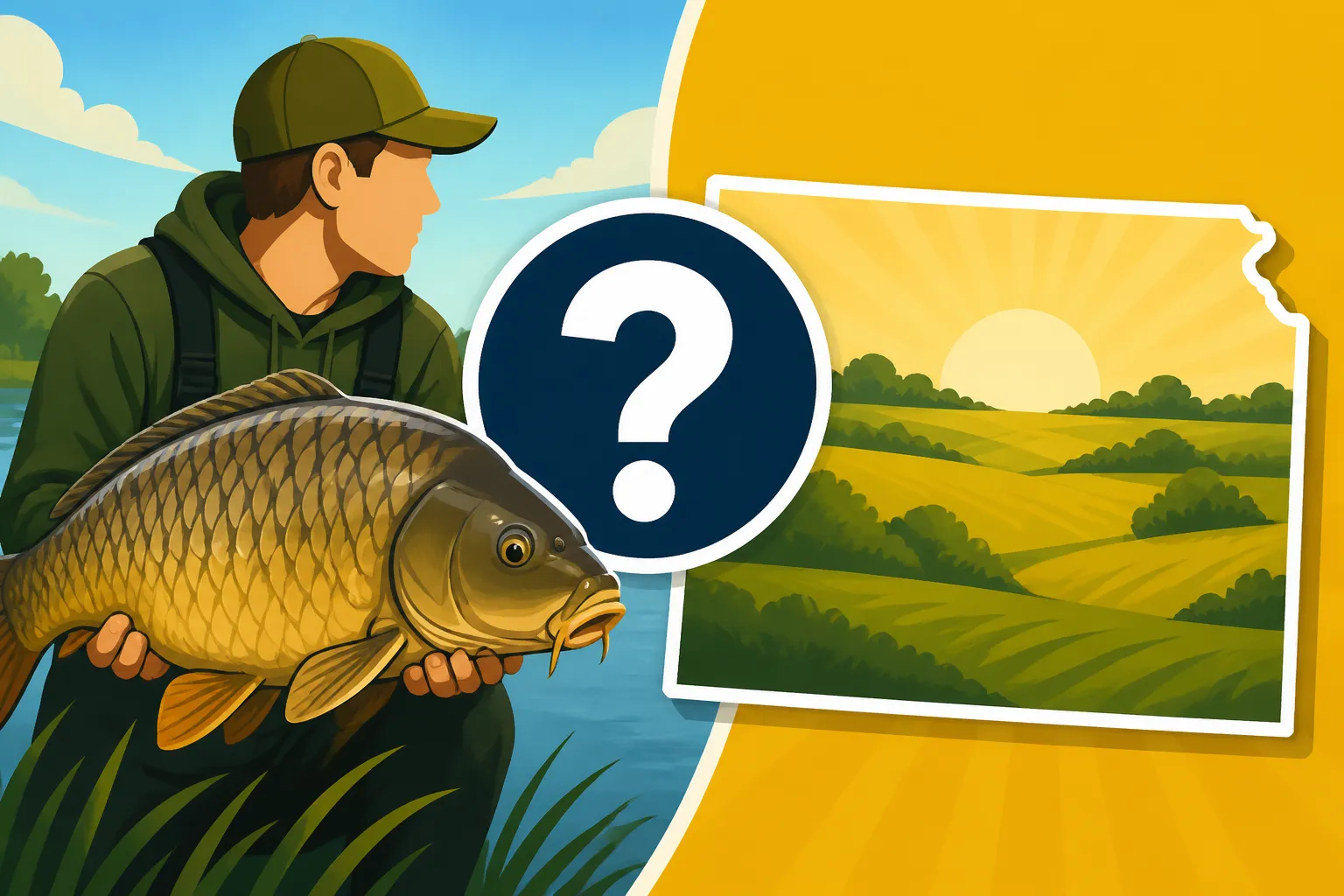
Is Carp Fishing Popular in Kansas?
For many anglers in Kansas, the mention of carp often conjures images of bottom-feeding fish caught almost by accident, or perhaps seen as more of a nuisance than a prized catch. But for a passionate and growing segment of the fishing community, targeting carp is not just popular, it's a dedicated pursuit offering thrilling fights and abundant opportunities. This guide will explore the often-misunderstood world of carp fishing in Kansas, revealing why these robust fish have garnered a loyal following and how you can join the ranks of those who appreciate their unique challenge.
The Shifting Perception of Carp Fishing in Kansas
It’s true that carp have historically faced a bit of an image problem among many traditional anglers. Often labeled as "trash fish" or "rough fish," they haven't always received the same respect as a trophy walleye or a hard-fighting bass. However, times are changing, and a new wave of anglers, recognizing the incredible sport they offer, is embracing carp fishing.
From Nuisance to Prized Sport Fish
For a long time, common carp were seen primarily as an invasive species in many Kansas waters, often blamed for muddying up lakes and rivers. This perception, while stemming from some legitimate ecological concerns, overshadowed their true potential as a game fish. They're widespread, grow to impressive sizes, and when hooked, they put up a battle that can humble even experienced anglers. Think about it: a fish that can easily top 20 pounds, sometimes much more, and demands powerful gear and strategic thinking? That's a challenge many are now seeking out. This shift in perspective means that what was once overlooked is now actively celebrated by a dedicated community.
This evolution in thinking isn't just happening on an individual level; it's a broader cultural shift within the fishing world. Magazines, online forums, and even YouTube channels are increasingly featuring carp fishing, highlighting the excitement and skill involved. It’s no longer just about catching a fish; it’s about understanding the species, its habits, and employing specialized tactics to outsmart it. This growing appreciation has opened the eyes of many to the incredible resource carp represent in Kansas.
The Dedicated Carp Angler Community
While perhaps not as universally popular as chasing crappie or walleye, the carp fishing community in Kansas is vibrant and deeply committed. These anglers often gather for specialized tournaments, share tips on forums, and even travel to specific waters known for producing giant carp. They approach carp fishing with a level of dedication that rivals any other sport fishing discipline, focusing on advanced rigging, bait preparation, and long-session angling.
This community isn't just about catching fish; it's about camaraderie. You'll find passionate anglers who are eager to share their knowledge, help newcomers, and celebrate each other's catches. They understand the thrill of a screaming reel as a monster carp makes its first powerful run, and the satisfaction of landing a fish that truly tested their gear and patience. If you're looking to dive into carp fishing, connecting with this group can significantly fast-track your learning and enhance your enjoyment of the sport. You might be surprised to learn how many folks are out there specifically targeting these often-underestimated giants.
Why Carp are Worth Chasing in Kansas
So, beyond the changing perceptions, what exactly makes carp such a compelling target for Kansas anglers? It boils down to a few key factors: their fighting ability, their widespread availability, and the unique techniques required to consistently catch them.
The Fight and Challenge
If you've ever hooked into a large carp, you know exactly what I'm talking about. These fish are absolute powerhouses. Once they realize they're hooked, they make blistering runs, often stripping line from your reel with an incredible force. It's not uncommon for a decent-sized carp to pull like a freight train, testing your drag system and your arm strength to their limits. A 15-pound carp can feel like a 50-pound fish, especially in current.
This immense fighting power is a huge draw for many anglers. There's a certain satisfaction that comes from battling a strong fish, gradually gaining line, and finally bringing it to the net. It's a game of patience, finesse, and brute strength, all rolled into one. Unlike some other species that might give a few head shakes and then come in, a carp will fight until the very last moment, ensuring that every catch is a memorable experience. Many dedicated carp anglers invest in specialized gear like long, powerful rods and strong lines precisely because they know what kind of battle these fish deliver.
Abundance and Accessibility
One of the greatest advantages of carp fishing in Kansas is the sheer abundance and widespread distribution of these fish. You don't need to travel to remote wilderness areas or pay for expensive charters to find them. Carp thrive in many of Kansas's public waters, including large reservoirs, rivers, and even smaller community lakes. This makes them incredibly accessible for anglers of all experience levels and budgets.
Whether you're fishing the mighty Kansas River, a local farm pond, or one of our state's large reservoirs like Milford Lake Fishing Guide or Cheney Reservoir Fishing Guide, you're likely to find a healthy population of carp. They're adaptable fish, able to tolerate a wide range of water conditions, which means they can be found in places where other game fish might struggle. This accessibility translates into more opportunities to fish, more chances to hook into a big one, and less pressure on popular game fish species. Plus, if you're looking for Bank Fishing Techniques in Kansas, carp are often a prime target right from shore.
The Culinary Aspect
While many anglers choose to release their carp, especially the larger ones, there's a segment of the community that appreciates carp for their culinary value. Often, smaller carp from clean, clear waters are considered the best for eating. Preparing carp can be a bit different from filleting a crappie or walleye due to their unique bone structure and darker, coarser flesh. However, with the right techniques, such as smoking, grinding for patties, or even pickling, carp can be quite delicious.
Some anglers swear by recipes passed down through generations, transforming what others might discard into a tasty meal. The key is often in the preparation and choosing the right size and source of fish. While not as universally sought after for the dinner table as catfish or bass, the option to harvest and prepare a carp adds another dimension to the fishing experience for those who choose to do so. It's a testament to the versatility of this fish that it can be enjoyed both for the fight and for the plate.
Essential Tips for Kansas Carp Anglers
Ready to give carp fishing a try? It’s an incredibly rewarding experience, but a little preparation can go a long way. Understanding the right gear, knowing where to find them, and employing effective techniques will drastically increase your chances of success.
Go-To Gear and Bait for Carp
When it comes to carp fishing, you’ll want to move beyond your typical ultralight panfish setup. These fish demand sturdy gear. A medium-heavy to heavy action spinning or baitcasting rod, about 7-10 feet in length, paired with a reel capable of holding at least 150-200 yards of 12-20 pound test monofilament or braided line, is a good starting point. You can often find great deals on specialized carp fishing rods and reels on Amazon that are designed for longer casts and fighting powerful fish. Remember, you're targeting fish that can easily hit double digits in weight! For more ideas on setups, check out Best Rod and Reel Combo for Catfish, as some of those recommendations can cross over for carp.
As for bait, carp are notorious bottom feeders with a varied diet, which means you have many options. The classic go-to is often corn, either canned or specifically prepared for fishing. Other popular choices include dough balls, boilies, and various flavored "stink baits" or dip baits. Boilies, a popular carp bait, are readily available from various sellers on Amazon, sometimes even in bulk, and come in countless flavors and sizes. Many anglers create their own secret recipes for dough baits, incorporating ingredients like flour, cornmeal, molasses, and even flavorings like vanilla or anise. For hooks, a strong, wide-gap hook in sizes 2 to 6 is usually appropriate, often tied in a hair rig presentation, which allows the bait to sit freely next to the hook.
| Bait Type | Description | Best Use | Notes |
|---|---|---|---|
| Canned Corn | Sweet, yellow kernels. | Quick & Easy | Extremely popular, highly effective, cheap. |
| Dough Balls | Homemade mixture of flour, cornmeal, flavors. | Versatile | Can be customized, good for slower bites. |
| Boilies | Hardened, flavored dough balls. | European Style | Excellent for larger carp, durable, come in many flavors. |
| Stink/Dip Baits | Strong-smelling, paste-like baits. | Attractant | Attracts carp from a distance, can be messy. |
| Worms (Nightcrawlers) | Live earthworms. | All-Purpose | Carp will eat them, also attracts other species. |
Prime Carp Fishing Spots in Kansas
Finding carp in Kansas isn't usually the biggest challenge; they're almost everywhere! However, knowing where to focus your efforts can make all the difference. Rivers are fantastic places to target carp, especially the larger ones. Look for slower moving sections, deep holes, eddies behind structure, and areas where creeks or tributaries flow in, bringing in food. The Kansas River Catfish Spots are often productive for carp as well, as these species share similar habitat preferences.
In reservoirs and lakes, carp tend to congregate in shallow, muddy flats, coves, and areas with aquatic vegetation, especially during warmer months. They'll also be found near submerged timber, rock piles, and points. Look for signs of carp activity, such as muddy water plumes where they've been feeding, or even carp rolling on the surface in the early morning or late evening. Public fishing access points at state parks and community lakes are often prime locations, providing easy Best Bank Fishing Spots in Kansas. Don't be afraid to try different spots; carp can move around quite a bit based on food availability and water temperature.
Effective Carp Fishing Techniques
Carp fishing, especially for the larger specimens, often involves a patient, strategic approach. While you can certainly catch them on a bobber and worm, dedicated carp anglers typically employ more refined techniques. Bottom fishing is the most common method. This involves using a slip sinker rig or a hair rig, which presents your bait on the bottom, where carp naturally feed. Casting out your bait and letting it sit in a promising spot, often with multiple rods, is a standard tactic.
Chumming or pre-baiting an area can also be highly effective. This involves regularly introducing small amounts of bait (like corn or boilies) into your chosen fishing spot over a period of time to attract and hold carp in the area. This strategy can condition carp to associate that specific spot with a reliable food source, making them more likely to take your hook bait. When you're out there, observation is key. Watch for any signs of feeding carp, listen for splashing, and pay attention to areas that look "carpy" – places with soft bottoms, cover, and a good food source. For those looking to upgrade their tackle boxes, a quick search on Amazon reveals countless options for specialized carp rigs and bait additives that can give you an edge. From bite alarms to rod pods, the world of modern carp fishing gear is vast, and Amazon is a great starting point for exploring these innovations. Don't forget essentials like a good unhooking mat and a quality landing net, both of which you can easily source from Amazon to ensure safe handling of your catch.
Disclaimer
This article is for general informational purposes only and does not constitute professional advice. Laws, prices and regulations vary by location and change over time. Consult a qualified professional for guidance on your specific situation.