Is Flathead Catfish Good to Eat?
Many anglers in Kansas, especially those new to targeting the formidable flathead catfish, often wonder if their efforts will be rewarded with a tasty meal. After all, these big, predatory fish can look a bit intimidating, and there's always a question about how different species compare on the dinner plate. This comprehensive guide will dive deep into the culinary appeal of flathead catfish, exploring their unique flavor, best preparation methods, and how they stack up against other popular catfish species found in our Kansas waters.
The Distinctive Flavor and Texture of Flathead Catfish
When you're reeling in a flathead from a murky river or a sprawling reservoir, you might be thinking more about the fight than the feast. But let me tell you, a properly handled and prepared flathead catfish can be an absolute delight. Unlike some of its whiskered cousins, the flathead brings a unique profile to the table that many anglers and foodies truly appreciate.
What Sets Flatheads Apart on the Plate
Flathead catfish are primarily piscivores, meaning they mostly eat other fish. This diet plays a huge role in their flavor. Instead of the "muddy" taste sometimes associated with bottom-feeding channel catfish, flatheads tend to have a cleaner, firmer, and milder white flesh. It's often compared to snapper or even cod, especially the meat from smaller to medium-sized fish. The texture is less flaky and a bit more robust than channel catfish, holding up well to various cooking methods. You won't find the reddish, darker meat near the skin that some other catfish possess; flathead meat is generally consistent in its pale, white appearance throughout the fillet.
This distinct characteristic makes flatheads a sought-after catch for those who might be hesitant about the stronger, more "catfishy" taste of other species. It's a versatile fish that can appeal to a broader palate, even for folks who claim they don't like catfish. The lean nature of their diet ensures a clean-tasting protein source that can be the star of many meals, from a classic fish fry to more sophisticated preparations. For those who prioritize flavor, understanding what flatheads eat provides a strong hint as to why they taste so good.
Factors Influencing a Flathead's Taste
While flatheads generally boast a superior flavor, a few key factors can definitely influence the final taste. The environment where the fish lives is paramount. A flathead caught from a clear, flowing river like the Kansas River or from the cleaner waters of a large reservoir like Milford Lake will almost always taste better than one pulled from a stagnant, muddy pond or an area with poor water quality. Their diet also changes slightly based on what's available, and this can subtly alter the flavor. A flathead feasting on shad and bluegill will likely have a different, perhaps more delicate, taste than one that's had a steady diet of crawfish or other invertebrates in a slower-moving, murkier section of water.
Size is another crucial factor. Smaller flatheads, typically those under 10 pounds, are often considered the prime eating size. Their meat is at its firmest and mildest. As flatheads get larger, especially those massive, trophy-sized specimens, their flesh can become tougher, more fibrous, and sometimes develop a stronger, more pronounced flavor that some might find less appealing. While still edible, the sheer size can also make them more challenging to clean and cook evenly. For these reasons, many anglers practice catch-and-release with the giants but keep the "eaters" for the dinner table. You can learn more about Kansas Flathead Catfish Facts and Limits to understand legal sizes.
Post-Catch Care for Optimal Flavor
The journey from the water to your plate is critical for any fish, and flathead catfish are no exception. Proper handling immediately after the catch can make all the difference in flavor and texture. The most important step is to dispatch the fish quickly and humanely, then get it on ice as soon as possible. Allowing a fish to thrash around or sit in warm water for too long releases stress hormones and can negatively impact the meat quality. A cooler filled with ice is your best friend on a fishing trip. Lay the fish directly on the ice, not just in ice water, to cool it down rapidly.
Bleeding the fish is another technique that many seasoned anglers swear by. By cutting a gill arch or the throat immediately after catching, you allow the blood to drain from the flesh, resulting in a cleaner, milder flavor and whiter meat. This step, combined with rapid cooling, prevents blood from coagulating in the muscle tissue, which can lead to a stronger, "fishier" taste. Once back home, promptly clean and fillet your catch. Don't let it sit in the refrigerator for days before processing. The sooner you get those fillets cleaned, packaged, and either cooked or frozen, the better the eating experience will be. Having a quality cooler, perhaps one you picked up from a selection on Amazon, is an investment in your culinary success.
Preparing Your Flathead Catch for the Kitchen
Once you've decided to keep a flathead for dinner, the real fun begins in the kitchen. Preparing this fish correctly ensures that its natural mild flavor shines through, and its firm texture is utilized to its full potential. From initial cleaning to the final seasoning, each step contributes to a delicious meal.
Essential Cleaning and Filleting Steps
Cleaning a flathead can be a bit more involved than, say, a panfish, due to their tough skin and larger size, but it's a manageable process with the right tools. First, you'll need a sharp, flexible fillet knife – you can find excellent options online at places like Amazon that are perfect for the job. Start by laying the fish on its side. Make a cut behind the pectoral fin and down to the backbone. Then, turn the blade and run it along the backbone towards the tail, keeping the knife as close to the bone as possible to maximize meat yield. Repeat this on the other side.
After you have your two fillets, the next step is skinning them, which is where flatheads differ significantly from scalier fish. Flathead skin is very tough and not typically eaten. Lay the fillet skin-side down, make a small cut at the tail end, and grip the skin firmly with pliers while working your knife at a slight downward angle between the skin and the meat. It takes a little practice, but once you get the hang of it, it's quite efficient. Many anglers also trim off the darker red meat that can sometimes be found along the lateral line (the visible line running down the side of the fish) or directly under the skin, as this can contribute to a stronger flavor. This careful trimming ensures you're left with pure, white, delicious flesh. If you're new to this, a quick search for "How to Fillet a Channel Catfish" will give you a visual guide, and the technique for flatheads is very similar once you get past the initial skinning.
Popular Culinary Techniques for Flathead
Flathead catfish's firm, white flesh makes it incredibly versatile in the kitchen. One of the most popular and arguably quintessential ways to cook it is deep-fried. Cut your fillets into strips or nuggets, coat them in a seasoned cornmeal or flour mixture, and fry until golden brown and flaky. The firm texture holds up beautifully, giving you that satisfying crunch on the outside and moist tenderness within. This is a classic for a reason and often the go-to for fish fries after a successful day on the water.
Beyond frying, flathead excels with other cooking methods too. Baking or broiling with a simple lemon-butter sauce and a sprinkle of herbs allows the fish's mild flavor to truly shine without heavy breading. Grilling is another fantastic option; marinate the fillets briefly in some olive oil, garlic, and your favorite spices, then grill over medium-high heat until cooked through. The meat won't fall apart on the grill like some softer fish. Smoking flathead catfish is also growing in popularity, imparting a rich, smoky flavor that complements its firm texture perfectly. Remember to cook fish to an internal temperature of 145°F to ensure it's safe and delicious.
Spice, Seasoning, and Recipe Inspirations
Given the flathead's mild flavor, it's a fantastic canvas for a wide array of seasonings. For a classic Southern-style fish fry, a simple dredge in cornmeal seasoned with salt, pepper, garlic powder, onion powder, and a touch of cayenne pepper is usually all you need. You can find pre-mixed fish fry seasonings that are fantastic, many available through retailers like Amazon, making preparation even easier. If you prefer baking or grilling, fresh herbs like dill, parsley, and chives pair wonderfully, as do citrus notes from lemon or lime. A dash of paprika for color and a bit of heat always brightens things up.
For something a little different, consider making flathead tacos. Flake the cooked fish into soft tortillas, top with a crunchy slaw, a creamy sauce, and a squeeze of lime. It's a fresh, vibrant meal that works well with the fish's mild profile. Another great idea is a hearty fish stew or chowder. The firm meat won't disintegrate, adding substance to your comforting broth. Don't be afraid to experiment with different culinary traditions—flathead catfish can easily adapt to Cajun blackening spices, Asian stir-fries, or Mediterranean herb blends. The key is to start with a fresh, clean fillet and let your culinary imagination take over.
Health, Sustainability, and Comparative Flavors
Beyond taste, many anglers are increasingly interested in the nutritional aspects of their catch and the broader environmental impact. Flathead catfish offer a healthy protein source, and understanding their place in the Kansas ecosystem is important for responsible angling.
Nutritional Benefits and Consumption Considerations
Flathead catfish, like most fish, are an excellent source of lean protein. A serving provides essential amino acids vital for muscle growth and repair, making it a great food choice for active individuals. They are also generally low in saturated fat. While not as high in omega-3 fatty acids as some cold-water fatty fish like salmon, they still contribute beneficial fatty acids to your diet. Omega-3s are known for their heart-healthy benefits, supporting brain function, and reducing inflammation.
When considering consumption, general guidelines for eating wild-caught fish often recommend moderation, especially for sensitive populations like pregnant women or young children. However, flathead catfish from healthy, flowing Kansas waters are typically considered a safe and wholesome food source. As with any wild game, the key is to be aware of the specific water body you're fishing. Different bodies of water can have different advisories depending on factors like local industrial activity or natural mineral deposits. Always check with the Kansas Department of Wildlife, Parks and Tourism for any local consumption advisories for specific lakes or rivers.
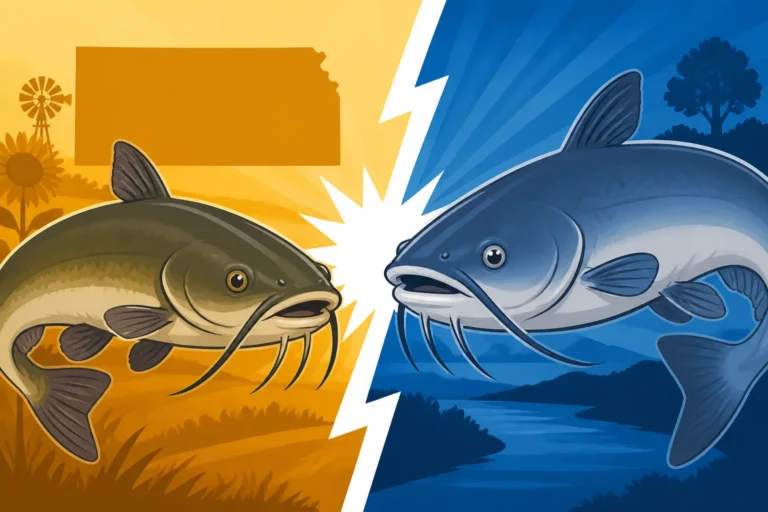
Flathead Catfish vs. Other Kansas Catfish Species
Kansas is home to several species of catfish, and while all are popular targets for anglers, their culinary qualities do vary. Understanding these differences can help you decide which fish you'd like to keep for dinner.
| Feature | Flathead Catfish | Channel Catfish | Blue Catfish |
|---|---|---|---|
| Primary Diet | Mostly live fish (piscivorous) | Omnivorous (insects, crustaceans, small fish, plants) | Omnivorous (fish, mussels, crawfish) |
| Flavor Profile | Mild, clean, firm, white flesh; often compared to snapper | Moderate, distinct "catfishy" flavor; can be earthy | Mild, rich, firm, flaky white flesh; very clean taste |
| Texture | Firm, robust, less flaky | Softer, flakier | Firm, flaky |
| Preferred Size | Under 10 lbs for best eating | All sizes generally good, 1-5 lbs ideal | All sizes generally good, smaller for flakiness |
| Water Preference | Rivers, larger reservoirs, cleaner water | Wide range of habitats | Rivers, large reservoirs |
As you can see, flatheads hold their own distinct place. Many anglers consider flatheads and blue catfish to have the cleanest, most desirable flavor profile among the three main species, largely due to their more piscivorous diets and preference for cleaner, flowing water. Channel catfish, being omnivorous and more adaptable to various water conditions, can sometimes exhibit a stronger, more "muddy" taste depending on where they were caught and what they were eating. If you're wondering Is Blue Catfish Good to Eat?, the answer is usually a resounding yes, and they share many positive attributes with flatheads.
Navigating Personal Preferences and Local Tastes
Ultimately, whether a flathead catfish is "good to eat" is a matter of personal preference. While many people laud their mild flavor and firm texture, taste is subjective. Some lifelong channel cat anglers might prefer the more robust, classic "catfishy" taste they've grown up with. It's also worth noting that regional preferences play a significant role. In areas where flatheads are abundant, they are highly prized, and local traditions often revolve around specific cooking methods that highlight their best qualities.
My advice? Try it for yourself! If you've never had flathead catfish, grab a smaller one (within Kansas Catfish Daily Limits, of course), prepare it with care, and give it a taste test. You might just discover your new favorite table fish from the Kansas waters. What one person considers the Best Eating Fish in Kansas Lakes, another might argue for a different species. Experiment with different cooking methods and seasonings. What makes fishing so enjoyable is the entire experience, from the catch to the camaraderie to the meal shared afterward. The opportunity to try different species, like learning Is Crappie Good to Eat?, only adds to the adventure.
Disclaimer
This article is for general informational purposes only and does not constitute professional advice. Laws, prices and regulations vary by location and change over time. Consult a qualified professional for guidance on your specific situation.