Kansas Walleye Slot Limit Explained
It's easy to feel a bit lost when you hear terms like "slot limit" thrown around, especially when you're just trying to enjoy a day of fishing on one of Kansas's fantastic reservoirs. Many anglers get confused about exactly what a walleye slot limit means and how it applies to their catches here in the Sunflower State. This guide is here to clear up that confusion, explain the nuances of walleye regulations in Kansas, and help you understand how to stay compliant while pursuing those elusive, tasty walleye.
Understanding Fishing Length and Size Limits
Before we dive into the specifics of walleye in Kansas, it’s helpful to understand the general concept of length and size limits in fisheries management. These rules aren't just there to make your life harder; they're critical tools for ensuring healthy, sustainable fish populations for generations to come.
What is a Minimum Length Limit?
A minimum length limit is exactly what it sounds like: any fish you catch that measures below a specified length must be immediately released. The purpose of this regulation is to protect younger, smaller fish, giving them a chance to grow larger and, crucially, to reproduce at least once before being harvested. This helps maintain a strong breeding population, which is essential for the long-term health of the fishery. For many species, especially popular game fish like walleye, protecting these younger fish from harvest means a more robust population overall. It's a common and effective management strategy seen across many states and water bodies.
Imagine you're out on Milford Lake, and you're reeling in walleye after walleye. If there's a 15-inch minimum length limit, any walleye you measure at 14.5 inches, no matter how plump, has to go back in the water. This ensures those smaller fish get to experience another year or two of growth and contribute to future spawns. This is often the most straightforward type of regulation for anglers to understand and comply with.
What is a True Slot Limit?
A true "slot limit," on the other hand, is a bit more nuanced. In a slot limit scenario, anglers are required to release fish that fall within a specific size range, often referred to as the "slot." For example, a slot limit might dictate that all walleye between 15 and 18 inches must be released. However, fish smaller than 15 inches and fish larger than 18 inches might be legal to keep, up to a certain creel limit.
The primary goal of a true slot limit is typically to protect the prime breeding-size fish. These fish, often in that middle "slot" range, are the most reproductively active and vital to the population's future. By protecting them, fisheries managers aim to ensure a continuous supply of offspring. Simultaneously, it can allow for the harvest of smaller, younger fish (often plentiful) and sometimes larger, older "trophy" fish (which might be past their prime reproductive years or are simply a reward for dedicated anglers). It's a balancing act designed to manage population structure more precisely.
This type of regulation requires a bit more thought and careful measuring on the part of the angler. You need to know not only if your fish is too small, but also if it's too big to keep within the slot. It's a common strategy for species where maintaining a robust breeding stock of a specific size is paramount.
Kansas Walleye Regulations: Dispelling the Slot Limit Myth
Now, let's talk about walleye fishing specifically in Kansas. This is where the term "slot limit" can sometimes cause confusion because, for most public waters in Kansas, the regulations for walleye actually center around a minimum length limit, not a true slot limit.
The Statewide Kansas Walleye Regulation
As a general rule, for most Kansas public waters, the statewide regulation for walleye is a minimum length limit of 21 inches and a daily creel limit of two fish. This means that any walleye you catch that measures less than 21 inches must be immediately and carefully released back into the water. You can only keep walleye that are 21 inches or longer, and you are allowed to keep a maximum of two such fish per day.
This is a significant difference from a true slot limit. There isn't an upper bound that you must release fish above; rather, it's about protecting all walleye until they reach a substantial size. The intention behind this 21-inch minimum length limit is primarily to allow walleye to reach a mature size and contribute significantly to the spawning population before they are harvested. Walleye are highly sought-after, and without such protections, their populations could quickly diminish in heavily fished waters. This ensures that the majority of fish have a chance to spawn multiple times, maintaining healthy numbers in popular spots like Cheney Reservoir or Wilson Lake. You can find more details on general statewide rules in Kansas Fishing Regulations Explained.
Why People Might Confuse It with a Slot Limit
It's understandable why some anglers might hear "walleye length limit" and automatically think "slot limit." Both types of regulations deal with specific fish sizes that must be released. The key difference is whether there's an upper limit to the size you must release, or only a lower limit.
In Kansas, because you must release all walleye under 21 inches, it creates an effective release mechanism for smaller fish. The goal is similar to part of a slot limit – protecting fish until they are larger and more mature. However, it doesn't involve releasing the largest, most desirable fish, which a true slot limit often does to protect prime breeders. Instead, the 21-inch minimum allows for the harvest of larger, often "trophy-sized" walleye, as long as they meet the length requirement and the daily creel limit of two fish is observed. This provides an excellent opportunity for anglers seeking to catch and keep a significant walleye.
Local Variations and Exceptions
While the 21-inch minimum and two-fish daily limit is the general statewide rule for walleye in Kansas, it is absolutely crucial to remember that local regulations can and do exist. Some community lakes or specific reservoirs might have different rules, especially for specific fish species or during certain times of the year. These exceptions are typically implemented to address unique population dynamics or management goals for that particular body of water.
For example, a smaller urban pond managed for youth fishing might have a "no length limit" rule for certain species to encourage harvest, while a highly managed trophy lake might have even stricter length limits. Always, and I mean always, check the current Kansas Department of Wildlife, Parks and Tourism (KDWPT) fishing regulations summary for the specific water body you plan to fish before heading out. This information is usually available online or in printed guides wherever fishing licenses are sold. Familiarizing yourself with these details can save you from an accidental violation and ensure you're fishing responsibly.
Practical Implications for the Kansas Walleye Angler
Knowing the regulations is one thing, but applying them on the water is another. Here’s what the Kansas walleye length limit means for you as an angler, from measuring your catch to avoiding penalties.
Proper Measuring Techniques for Walleye
When you land a walleye that feels substantial, the first thing to do (after admiring it, of course!) is to measure it. Proper measurement is key to compliance.
- Lay the Fish Flat: Place the fish on a flat surface, such as a measuring board or a boat deck with a tape measure. It's helpful to have a dedicated fish ruler or measuring tape. Many tackle shops, and even online retailers like Amazon, offer convenient, waterproof measuring devices that are perfect for this.
- Close the Mouth: Ensure the fish's mouth is completely closed and touching the zero mark of your measuring device. Don't force it closed; just gently position it.
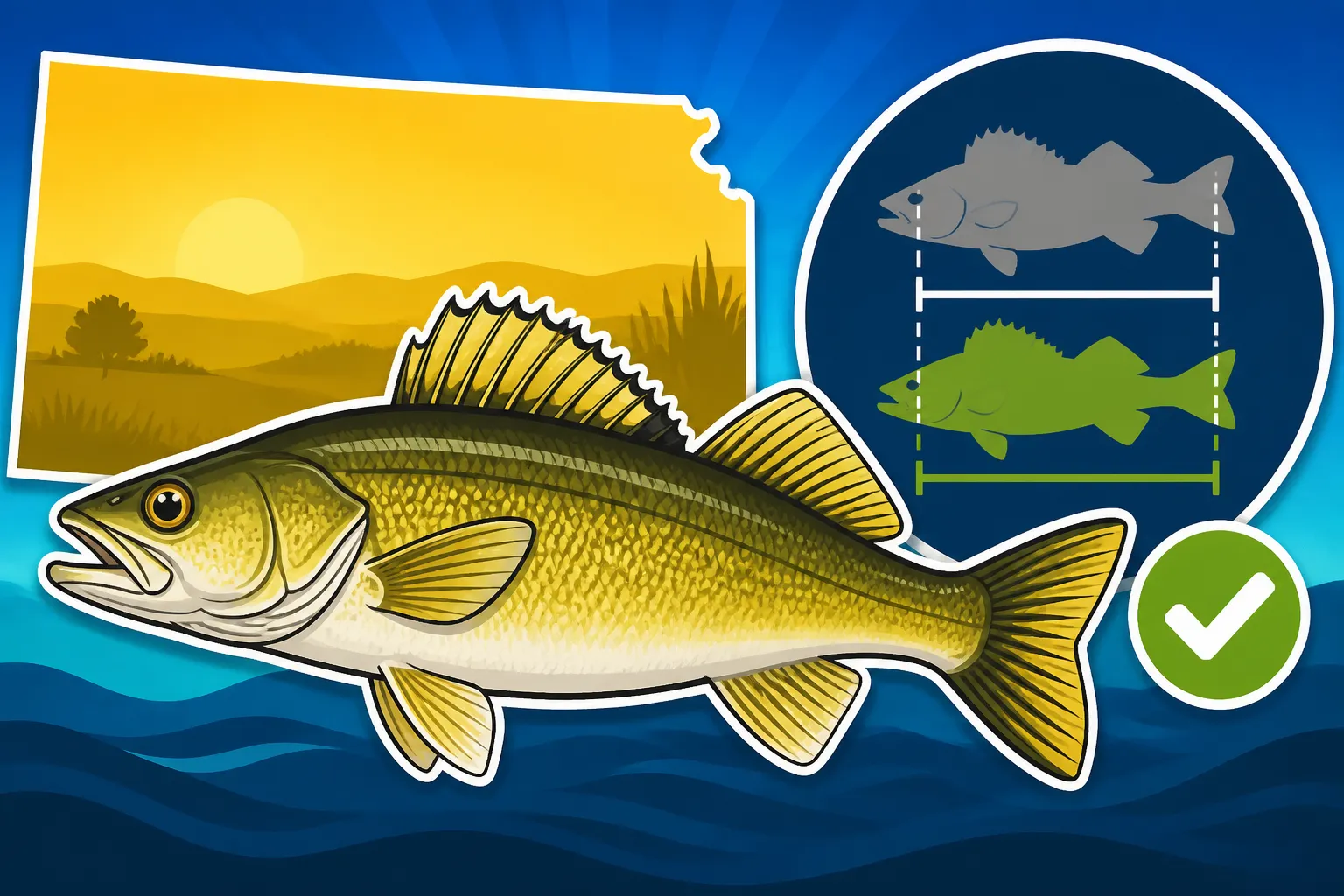
- Squeeze the Tail: Gently squeeze the tail lobes together to get the maximum possible length. The regulation refers to "total length," which is from the tip of the snout to the end of the tail with the tail compressed.
- Read the Measurement: Take a clear reading. If the walleye is exactly 20 inches, it goes back. If it's exactly 21 inches, you can consider keeping it (up to your daily limit). Don't try to stretch it or guess; be precise.
A quick and accurate measurement tool is indispensable. You can find robust, easy-to-read measuring tapes or bump boards on Amazon that can withstand the elements and provide accurate readings every time.
Catch and Release Practices for Undersized Walleye
If your walleye doesn't meet the 21-inch minimum, it must be released. Performing a quick and careful release is vital for the fish's survival.
- Minimize Handling: Try to handle the fish as little as possible. If you can, unhook it while it's still in the water or in a net.
- Wet Hands: If you must handle the fish, wet your hands first. Dry hands can remove the fish's protective slime coat, making it vulnerable to disease.
- Support the Fish: Support the fish horizontally, especially larger ones, to avoid damaging internal organs. Avoid holding it vertically by the jaw if it’s a big fish.
- Quick Unhooking: Use needle-nose pliers or a hook remover to quickly extract the hook. If the fish is deeply hooked and removing the hook will cause significant trauma, it's often better to cut the line as close to the hook as possible.
- Revive If Needed: If the fish seems sluggish, hold it gently in the water, facing into the current, until it regains strength and swims away on its own.
Practicing these responsible catch and release techniques contributes directly to the health of the walleye population, allowing those smaller fish to grow and spawn, eventually becoming legal-sized catches for you or another angler. For more information on responsible fishing, check out Kansas Fishing Techniques for Beginners.
Consequences of Non-Compliance
Fishing without adhering to length limits or daily creel limits is a serious offense in Kansas. Law enforcement officers from KDWPT regularly patrol fishing areas, and they are well-versed in the regulations. If you are found with undersized walleye or more than your daily limit of two fish, you could face significant penalties.
These penalties can range from substantial fines to the forfeiture of your fishing gear, and even the suspension of your fishing privileges. It's simply not worth the risk. Understanding and respecting the regulations is part of being a responsible angler. The best way to avoid any issues is to always know the rules, measure your fish accurately, and be prepared to release any walleye that doesn't meet the legal requirements. If you're curious about general penalties, Fishing Without a License Penalties in Kansas provides a good overview of the severity of violations.
The Broader Impact of Walleye Length Limits in Kansas
These regulations aren't just arbitrary rules; they are carefully designed to achieve specific ecological and recreational goals. The 21-inch minimum length limit for walleye in Kansas plays a crucial role in shaping the fishing experience and the health of the walleye populations.
Promoting a Healthy Walleye Population
The primary goal of the 21-inch minimum is population management. Walleye are relatively slow-growing fish, and allowing them to reach this size ensures they have had ample opportunity to mature and spawn. Spawning success is vital for recruitment – the process by which young fish enter the fishable population. By protecting the sub-21-inch fish, KDWPT helps ensure a continuous cycle of reproduction, preventing overharvest of younger age classes. This leads to more stable and healthy populations in the long run.
Think about a major walleye fishery like Milford Lake. Without careful management, constant harvest of smaller fish could quickly deplete the breeding stock. The length limit acts as a protective shield, allowing those fish to reach their full potential and contribute to the next generation of walleye, keeping the fishery vibrant. Kansas Walleye Fishing Guide explores more about where these populations thrive.
Enhancing Trophy Potential for Anglers
An excellent side effect of the 21-inch minimum length limit is the enhanced potential for anglers to catch true "trophy" walleye. By requiring smaller fish to be released, the regulation encourages those fish to grow into larger, more impressive specimens. Over time, this management strategy can lead to a greater proportion of big walleye in the population, offering exciting opportunities for anglers seeking a memorable catch.
Catching a walleye over 21 inches in Kansas is a rewarding experience. These fish often represent years of growth and survival. The regulations directly contribute to creating more of these larger fish, making the pursuit of walleye in Kansas even more thrilling. It's a testament to good conservation practices that anglers can still target and occasionally keep these magnificent fish. If you're wondering Why the Kansas Walleye Limit Is Only Two Fish, it ties directly into this strategy of balancing harvest and trophy potential.
Shaping Angling Strategies
The length limit also influences how anglers approach walleye fishing in Kansas. Many anglers might adjust their techniques to target larger fish, using different baits or lures that are more appealing to bigger walleye. For instance, using larger crankbaits or live bait like big shiners might become more common. Other anglers might focus on catch-and-release, enjoying the fight of every fish, regardless of size, and only keeping a legal walleye for a special occasion.
Understanding the limits helps anglers make informed decisions about their gear and approach. If you know you're only looking for those 21-inch-plus fish, you might invest in tackle that can handle bigger bites. This strategic thinking adds another layer of enjoyment and challenge to Kansas walleye fishing. Regardless of your strategy, being prepared with the right measuring tools and understanding of the rules ensures a successful and compliant outing.
| Aspect of Regulation | True Slot Limit Example (e.g., 15-18" release) | Kansas Walleye Minimum Length Limit (21" minimum) |
|---|---|---|
| Protected Fish Size | Fish within 15-18 inches | Fish below 21 inches |
| Fish Allowed for Harvest | Fish < 15 inches AND fish > 18 inches | Fish > 21 inches |
| Primary Conservation Goal | Protect prime breeding stock (middle age) | Protect young fish until maturity/first spawn |
| Impact on Anglers | Careful measurement of all fish; release some large fish | Release all small fish; keep large fish up to limit |
| Typical Daily Limit | Varies (e.g., 4 fish total, only 1 over 18") | 2 fish |
This table highlights the clear distinction between a true slot limit and the minimum length limit primarily used for walleye in Kansas. Always remember that the 21-inch minimum length applies, ensuring smaller walleye live to fight another day, contributing to a thriving fishery for all to enjoy.
Disclaimer
This article is for general informational purposes only and does not constitute professional advice. Laws, prices and regulations vary by location and change over time. Consult a qualified professional for guidance on your specific situation.