Fish Stocked in Kansas Community Lakes
One of the biggest joys of living in Kansas, especially if you love to fish, is the fantastic network of community lakes and urban ponds. It can be incredibly frustrating to want to go fishing but feel like you have to drive hours to a major reservoir, especially if you're just looking for a quick outing with the family or a reliable spot close to home. This guide is all about shining a light on those accessible, often overlooked gems and exactly what kinds of fish you can expect to reel in from these local hotspots, thanks to strategic stocking programs.
Why Community Lakes Are Special for Anglers
Let's be real, not everyone has a fancy bass boat or the time to plan an all-day excursion to a massive reservoir like Milford or Cheney. That's where our community lakes truly shine. They offer a much-needed, convenient, and often less intimidating option for anglers of all skill levels, from seasoned veterans looking for a quick bite to parents introducing their kids to the magic of fishing.
Accessibility and Convenience
Think about it: many community lakes are literally nestled right within our towns and cities. You can often get there in a matter of minutes, sometimes even on your lunch break! This proximity means less travel time, less gas money, and more actual fishing time. For folks who might have mobility challenges or simply prefer a paved path to a rugged shoreline, these lakes often boast accessible piers and well-maintained banks. It's about breaking down those barriers that sometimes keep us from getting out on the water. You don't always need a big boat or complex gear; a simple spinning rod and a bucket of worms can be all you need for a successful afternoon.
These smaller bodies of water also tend to be less intimidating than vast reservoirs. Learning to cast, understanding how fish react, and experimenting with different baits feels a lot less overwhelming when you're on a smaller, calmer pond. This makes them perfect for practicing new techniques or just enjoying a peaceful moment by the water without the hustle and bustle you might find at larger, more popular fishing destinations. Plus, the ease of access often means you can pop over for an hour or two without it becoming a huge production.
Family-Friendly Fishing Opportunities
For many of us, fishing isn't just a hobby; it's a way to connect with family and pass on a love for the outdoors. Community lakes are absolutely perfect for this. They're often well-maintained, sometimes even featuring playgrounds, restrooms, and picnic areas, making them ideal for a full family outing. There's nothing quite like seeing the pure joy on a child's face when they catch their first fish, and these accessible lakes provide endless opportunities for those memorable moments. You might even find local fishing derbies or events specifically geared towards youth at these locations.
The predictability of stocked lakes also plays a huge role in making them family-friendly. While there are no guarantees in fishing, the consistent stocking of popular species means a higher chance of success, which is crucial for keeping young anglers engaged and preventing frustration. Imagine bringing your kids, setting up their tiny rods, and knowing there’s a good chance they’ll actually get a bite. This builds confidence and fosters a lifelong love for fishing. Remember to check out Kansas Youth Fishing License Rules to know when the little ones need a license, though many younger children can fish for free!
Common Fish Species You'll Find in Community Lakes
When you visit a community lake in Kansas, you're not just hoping for any fish; you're often targeting specific species that thrive in these environments and are regularly stocked to ensure good angling opportunities. The Kansas Department of Wildlife and Parks (KDWP) works hard to manage these fisheries, creating diverse ecosystems that appeal to a wide range of anglers.
Panfish Paradise: Crappie, Bluegill, Redear Sunfish
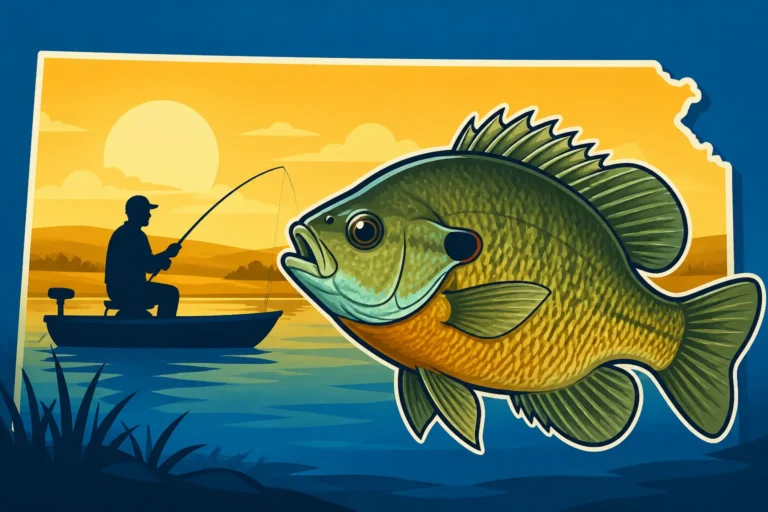
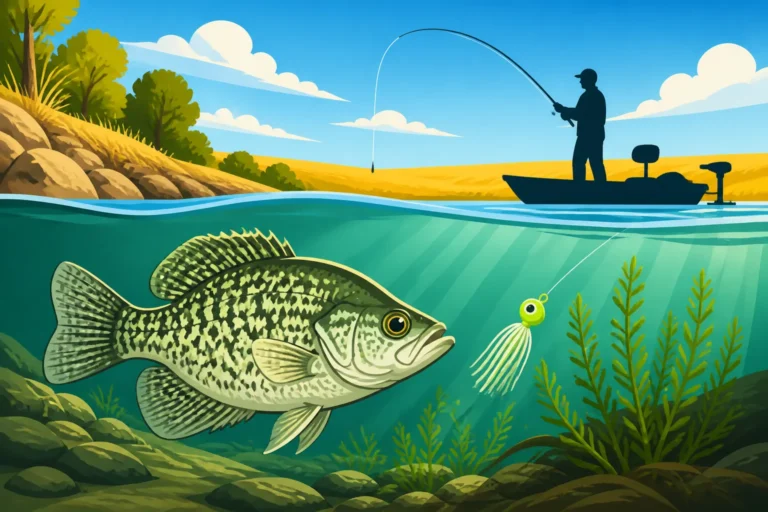
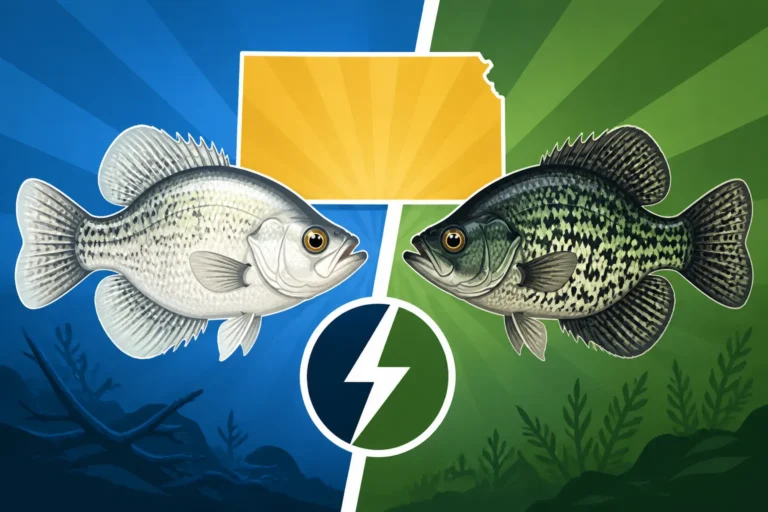
Panfish are the bread and butter of many community lakes, and for good reason. They're abundant, relatively easy to catch, and absolutely delicious! You'll often find both White Crappie and Black Crappie, which are fantastic fun on light tackle. Bluegill, with their vibrant colors, are a favorite for kids and adults alike, known for their aggressive bites. Redear Sunfish, often called "shellcrackers," are another delightful catch, often growing to impressive sizes in well-managed ponds. They all provide consistent action that can make any trip enjoyable.
These species are often stocked because they reproduce well, provide excellent table fare, and don't require highly specialized gear. A small hook, a bobber, and a worm or a tiny jig are often all you need to get into them. Many anglers carry a small tackle box, easily found on Amazon, filled with a variety of small hooks, sinkers, and bobbers specifically for panfish. Learning how to identify Kansas White Crappie Identification versus Kansas Black Crappie Identification can also add a fun educational element to your fishing trip.
Catfish Galore: Channel Catfish and Beyond
If you're looking for a harder fight and some serious dinner, Channel Catfish are a staple in Kansas community lakes. They are incredibly popular and are stocked regularly to maintain healthy populations. These whiskered beauties are known for their strong pull and their willingness to bite on a variety of baits, making them a fantastic target for anglers of all ages. You'll often find them lurking near deeper holes, submerged structure, or along drop-offs.
While Channel Catfish are the most common, some community lakes might occasionally see other catfish species, especially if they are connected to larger river systems. However, for most urban and community ponds, it's the Channel Catfish that reigns supreme. They’re adaptable, grow to a decent size, and put up a great fight. Plus, they’re excellent eating! If you're really into catfishing, our Kansas Catfish Species Guide goes into much more detail about the different types you might encounter across the state and the best ways to catch them.
Bass for the Thrill: Largemouth Bass
For those who enjoy the thrill of a topwater strike or the challenge of finesse fishing, Largemouth Bass are another common resident in many community lakes. While not always stocked in the same numbers as panfish or catfish, healthy populations often exist naturally or are supplemented, especially in lakes with good habitat. These aggressive predators provide exciting action and are a favorite target for sport anglers.
Catching Largemouth Bass in community lakes often requires a bit more technique and understanding of their habits. They love structure – think submerged trees, lily pads, or even old tires if they're present. Using a variety of lures, from soft plastics to crankbaits, can be effective. If you’re just starting out with bass fishing, there are tons of beginner-friendly lure kits available on Amazon that can get you started. Remember to check the Kansas Bass Fishing Guide for more in-depth tips and tricks to land these exciting fish.
Winter Wonders: Rainbow Trout
One of the unique stocking programs for many Kansas community lakes is the winter trout program. When the water temperatures drop in the cooler months (typically from fall through spring), certain lakes are stocked with feisty Rainbow Trout. This offers a fantastic cold-weather fishing opportunity that you wouldn't typically find in these waters during the warmer parts of the year. It's a special treat for anglers and a great way to extend the fishing season.
The trout program is very specific, and not all community lakes participate. The KDWP will announce which lakes are part of the program and when stockings will occur. A special trout permit is often required in addition to your regular fishing license when fishing in designated trout waters, so be sure to check the regulations. Our Kansas Trout Fishing Guide has all the details on where and when to find these beautiful fish. Anglers often use light tackle with power bait, corn, or small spinners to entice these cold-water beauties. Small, ultralight spinning reels and rods, perfect for trout, can be easily ordered from Amazon and delivered right to your door.
How Stocking Programs Work in Kansas
Have you ever wondered why some small ponds seem to consistently have fish, even when they don't seem to be connected to larger rivers? That's the magic of strategic stocking! In Kansas, the KDWP plays a pivotal role in ensuring that our community lakes and urban fishing ponds remain viable and exciting fishing destinations for everyone. It's not just about dumping fish in the water; it's a carefully planned operation designed to enhance recreational opportunities.
The Role of KDWP (Kansas Department of Wildlife and Parks)
The KDWP is the unsung hero behind much of the great fishing we enjoy in Kansas, especially in community waters. They operate several state fish hatcheries where millions of fish are raised each year. These fish are then distributed to various lakes, rivers, and, importantly, our community lakes. The decisions on what, where, and when to stock are based on scientific assessments of water quality, habitat, angler demand, and the overall health of the fishery.
For community lakes, stocking is often a tool to create "put-and-take" fisheries, particularly for species like Channel Catfish and Rainbow Trout. This means they stock fish that are already of catchable size, providing immediate angling gratification. For other species like bass and panfish, stocking might be done to establish a initial population or to supplement natural reproduction if a lake's population has declined. These efforts ensure that even smaller, more isolated water bodies can offer excellent fishing opportunities right in our backyards. You can often find information on specific stocking events on the KDWP website, which can be invaluable for planning your next trip.
Benefits of Stocking for Anglers
The benefits of these stocking programs for Kansas anglers are immense. First and foremost, they provide consistent fishing opportunities close to home. Without stocking, many urban ponds would struggle to maintain healthy fish populations, especially given varying water levels, angler pressure, and natural mortality. Stocking ensures a reliable resource. This is particularly true for Kansas Community Fishing Lake Rules, where the goal is often high angler success.
Secondly, stocking introduces a diversity of species. While a pond might naturally support bluegill, adding Channel Catfish or winter trout significantly expands the types of fishing experiences available. This means you can target different fish throughout the year, keeping the sport fresh and exciting. Imagine being able to catch trout in winter and then switch to catfish or bass as the weather warms up – all at the same local lake! It helps foster a sense of community around these lakes as well, creating shared experiences and local traditions. This is a big reason why checking Kansas Fishing Seasons Guide is crucial, as what's biting can change dramatically.
Tips for Fishing Stocked Community Lakes
Fishing a stocked community lake is often a bit different from tackling a vast reservoir or river. While the basics of fishing remain the same, there are some specific strategies and considerations that can significantly improve your chances of success and ensure you're making the most of these convenient fishing spots.
Checking Stocking Schedules
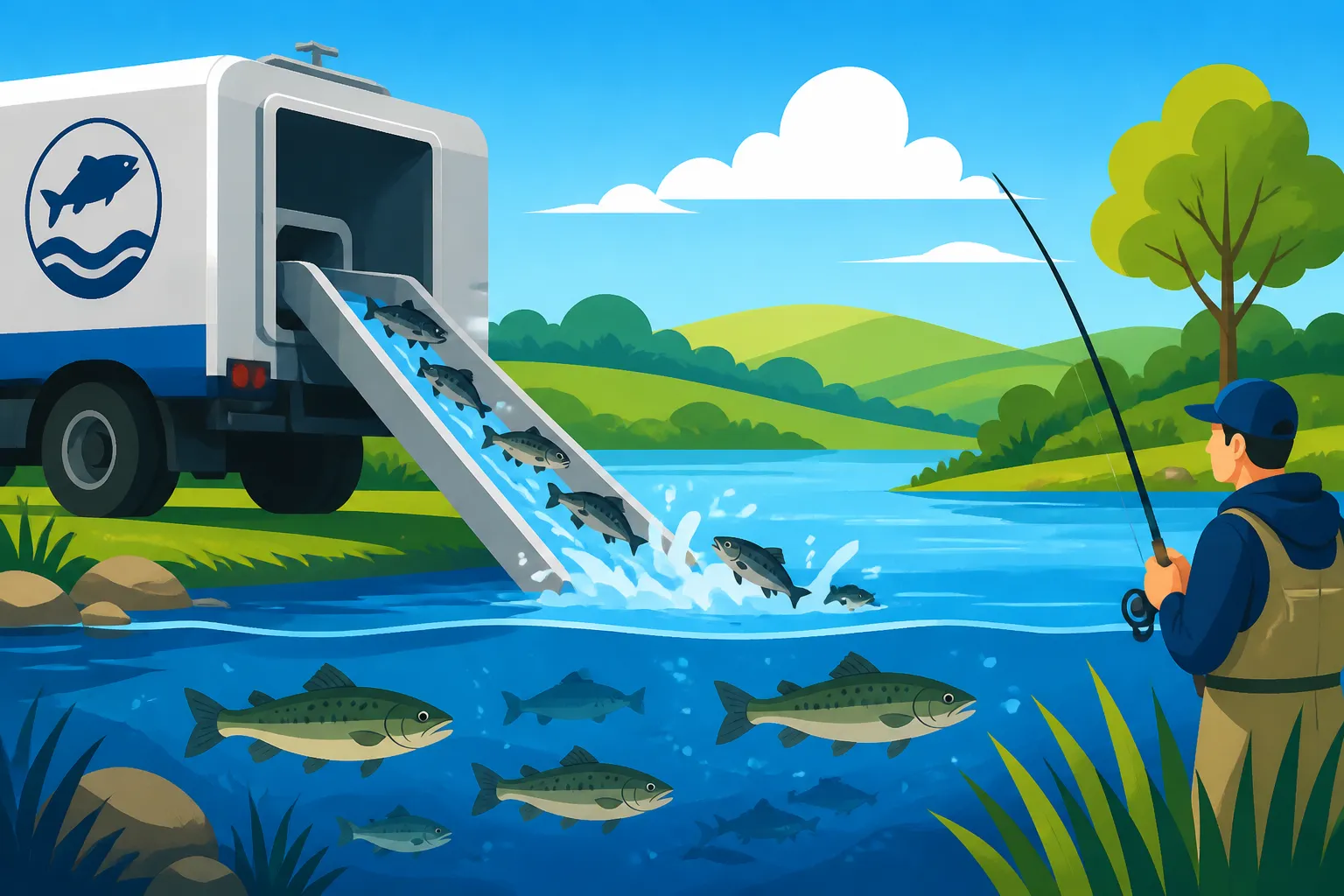
One of the absolute best tips for fishing stocked community lakes, especially for species like Channel Catfish and Rainbow Trout, is to keep an eye on the KDWP stocking schedules. These schedules are often published online and will tell you exactly which lakes are being stocked, with what species, and roughly when. Timing your trip shortly after a stocking event can dramatically increase your catch rate, as the newly introduced fish are often hungry and less wary.
Imagine showing up to a lake right after a fresh delivery of trout. Those fish are often disoriented and eager to bite, leading to some fast and furious action! However, remember that these areas can get crowded immediately following a stocking, so be prepared to share the bank. It's all part of the community lake experience. Being in the know about Kansas Trout Stocking Schedule for December or other months can be a game-changer for your winter fishing plans.
Effective Baits and Lures
For stocked fish in community lakes, simple often works best. You don't always need the latest, most expensive lures. For panfish like bluegill and crappie, small worms, crickets, or tiny jigs (1/32 or 1/64 ounce) under a bobber are incredibly effective. You can find these essentials at any local bait shop or even pick up a starter kit on Amazon for convenience.
Channel Catfish, being opportunistic feeders, respond well to a variety of baits:
- Stink baits: These are specifically designed to attract catfish with their strong odor.
- Cut bait: Small pieces of shad or other oily fish work wonders.
- Prepared baits: Hot dogs, chicken livers, or even a simple piece of corn can be surprisingly effective.
- Worms: Good old nightcrawlers are always a reliable choice.
For stocked Rainbow Trout, popular choices include PowerBait in various colors (often chartreuse, orange, or rainbow), small spoons, spinners, or even just a kernel of canned corn. For Largemouth Bass, soft plastic worms, spinnerbaits, or small crankbaits that mimic baitfish are generally good starting points. Experimentation is key, but don't overthink it for these waters.
Understanding Community Lake Rules
Just like any other public fishing spot, community lakes have their own set of rules and regulations, and it's your responsibility as an angler to know and follow them. Beyond needing a valid Kansas Fishing License Guide (unless you're exempt, like very young children or during Kansas Free Fishing Days Guide), pay attention to specific limits and regulations that might apply only to that particular body of water.
These rules often cover things like:
- Creel and length limits: Some lakes might have specific size or bag limits for certain species to promote healthy populations, such as Kansas Crappie Length and Bag Limits.
- Tackle restrictions: Occasionally, specific baits or methods might be prohibited (e.g., no trotlines or jug fishing in smaller, high-use ponds).
- Hours of operation: Urban parks with lakes might have specific open and close times.
- Boating regulations: Many community lakes are "no wake" or prohibit gasoline motors, making them ideal for kayaks, canoes, or small electric trolling motorboats.
Always check the signage at the lake or consult the current KDWP fishing regulations booklet (available online or at license vendors like Walmart). Ignorance of the rules is no excuse, and adhering to them helps ensure these precious community resources remain enjoyable for everyone.
| Species | Common Stocking Status | Best Baits/Lures (Community Lakes) | Special Notes |
|---|---|---|---|
| Channel Catfish | High | Stink bait, cut bait, worms, chicken liver | Great for eating, strong fighters. |
| Bluegill | High | Worms, crickets, tiny jigs | Excellent for kids, consistent action. |
| Crappie (White/Black) | High | Minnows, small jigs, worms | Excellent table fare, often school. |
| Largemouth Bass | Moderate | Soft plastics, spinnerbaits, crankbaits | Sport fish, often target structure. |
| Rainbow Trout | Seasonal (Winter) | PowerBait, corn, small spoons, spinners | Requires special permit, stocked cold months. |
| Redear Sunfish | Moderate | Worms, crickets | "Shellcrackers," often larger than bluegill. |
Disclaimer
This article is for general informational purposes only and does not constitute professional advice. Laws, prices and regulations vary by location and change over time. Consult a qualified professional for guidance on your specific situation.