Kansas Black Crappie Identification
You've just landed what you think is a beautiful crappie, but then you start wondering: is it a black crappie or a white crappie? It's a common dilemma, and one that can actually impact your fishing experience, especially when specific regulations come into play. This guide is here to help you confidently identify black crappie in Kansas waters, breaking down the unique features that set them apart from their white crappie cousins and other similar panfish.
Understanding Kansas Crappie: More Than Just "Crappie"
For many of us, a crappie is simply a crappie, a delicious catch perfect for a fish fry. But in Kansas, there are actually two distinct species of crappie that anglers regularly encounter: the black crappie and the white crappie. While they share many similarities and often inhabit the same waters, understanding the subtle differences between them isn't just a matter of biological curiosity. It can be vital for adhering to regulations and even for targeting them more effectively.
The Crappie Conundrum: Why Identification Matters
Imagine you're out on a beautiful Kansas lake, the sun is shining, and the crappie are biting. You're having a fantastic day, putting a nice mess of fish in the livewell. Later, you might be checking your catch against the Kansas Daily Creel Limits by Species or specific Kansas Crappie Length and Bag Limits. This is where accurate identification becomes critically important. While Kansas often has general crappie regulations, sometimes there can be specific nuances or even "slot limits" that might differentiate between the two species in certain bodies of water. Misidentification could lead to inadvertently breaking a rule, which is the last thing any angler wants. Knowing what you've caught ensures you're a responsible steward of our fisheries.
It's not just about the rules, either. Black crappie and white crappie, while similar, can have slightly different preferences when it comes to habitat and feeding. Understanding which species you're catching can inform your future fishing strategies, helping you choose the right spots or techniques. For instance, if you're consistently catching one type, you might adjust your Kansas Crappie Fishing Techniques to better suit that specific species' habits.
Black Crappie vs. White Crappie: A Common Confusion
At a quick glance, black crappie and white crappie can look remarkably similar. Both are typically silvery-white with dark spots or blotches, and both have that distinct, compressed body shape. This visual overlap is precisely why so many anglers struggle to tell them apart, especially if they're not actively looking for the key distinguishing features. You might catch a fish and just think, "Yep, that's a crappie!" without giving it a second thought.
However, once you know what to look for, these fish reveal their unique characteristics. It’s like telling apart two types of apple – at first glance, they're both red and round, but a closer inspection of their shape, skin texture, and stem can reveal their specific variety. We'll dive into those specific features in the following sections, making it easier for you to confidently say "That's a black crappie!" next time you pull one from the water.
Key Physical Characteristics of Black Crappie
When you're trying to figure out if you've got a black crappie on your line, there are a few primary physical traits that are usually dead giveaways. These aren't just subtle differences; once you train your eye, they become quite clear and reliable for distinguishing this popular game fish. Forget the guesswork and focus on these telltale signs.
Spotting the "Black" in Black Crappie: Dark Markings
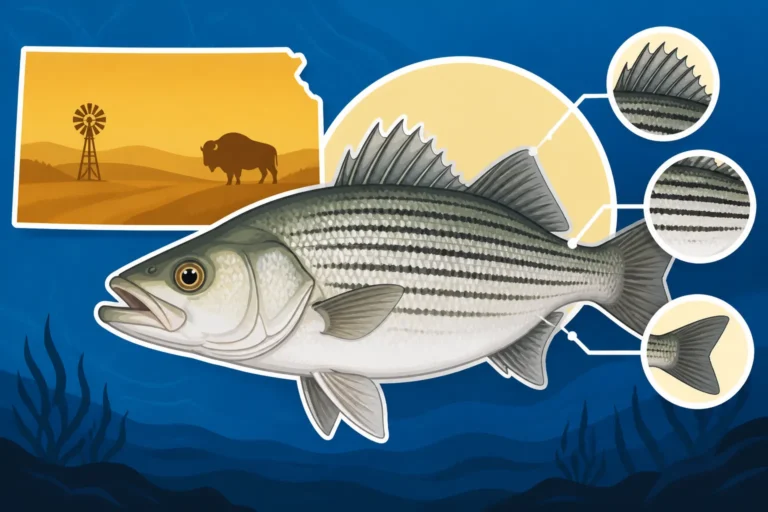
The most obvious clue, as their name suggests, lies in their coloration and patterning. Black crappie typically display irregular, scattered dark spots or blotches across their silvery or greenish-gold bodies. These spots don't usually form distinct vertical bars, which is a key differentiator from white crappie. Instead, they look more like a random sprinkle of pepper or splotches of dark paint. These markings extend onto their dorsal, caudal (tail), and anal fins, creating a mottled appearance.
Sometimes, especially during spawning season, male black crappie can become quite dark, almost completely black, giving them a striking appearance. This dark spawning coloration is a clear sign, but even outside of that time, the irregular spotting pattern is a reliable indicator. Think of it as a camouflage pattern designed for hiding in densely vegetated areas or around submerged timber, which is often where they prefer to hang out.
Dorsal Fin Differences: Counting the Spines
This is perhaps the most definitive way to tell a black crappie from a white crappie, and it requires a simple count. The dorsal fin (the fin on the fish's back) of a black crappie will almost always have 7 or 8 sharp, spiny rays. You can gently feel them with your finger – they’ll be stiff and pointy. In contrast, white crappie will generally have only 5 or 6 dorsal spines. This anatomical difference is consistent and doesn't change with age, size, or spawning condition, making it an invaluable identification tool.
So, the next time you reel in a crappie, carefully count those dorsal spines. If you're consistently getting 7 or 8, you've got yourself a black crappie. It's a quick and easy check that can clear up any confusion you might have based on coloration alone, especially since water clarity or a fish's mood can sometimes alter its visual appearance slightly.
Body Shape and Overall Appearance
Beyond the spots and spines, black crappie also tend to have a slightly different body profile compared to white crappie. Black crappie generally have a more round or "disk-shaped" body, giving them a somewhat stockier appearance. Their length is typically less in proportion to their depth, making them look a bit more compact. Their dorsal fin base length is usually equal to the length of the anal fin base, or at least very close.
Their mouth is also something to observe. While not as pronounced a difference as the dorsal fin count, black crappie tend to have a larger mouth that extends further back towards the eye than a white crappie. Combine this with the dark, irregular speckling and the higher dorsal spine count, and you'll quickly develop an eye for these beautiful fish. You can find more details on Kansas White Crappie Identification for a direct comparison, helping solidify your understanding of both species.
Habitat and Behavior Clues for Identification
While physical characteristics are the gold standard for crappie identification, understanding where and how black crappie tend to live can offer additional clues, especially when you're out on the water. Their preferred environments and seasonal habits often contribute to their unique appearance and can help you anticipate what you're likely to catch.
Where Black Crappie Like to Hide in Kansas Waters
Black crappie are generally lovers of clear, relatively calm water with abundant submerged vegetation, brush piles, or standing timber. Think of quiet coves, areas with lily pads, or flooded timber on many of Kansas's larger reservoirs like Milford Lake or Cheney Reservoir. They appreciate cover that offers both ambush points for feeding and protection from predators. You'll often find them suspended near these structures, especially in deeper water than their white crappie counterparts might frequent, although there's definitely overlap.
When you're targeting areas like this with a Best Rod and Reel Combo for Crappie and catching fish that fit the physical description of a black crappie, it often reinforces your identification. If you're pulling fish out of dense cover, it's a good bet you're encountering black crappie, as they are exceptionally well-adapted to these types of environments. They're masters of blending in with their mottled patterns, patiently waiting for unsuspecting baitfish or insects to swim by.
Spawning Habits and Coloration Changes
Spawning season is a fascinating time for black crappie, and it's when their coloration can become most pronounced. Typically occurring in spring when water temperatures reach into the low 60s Fahrenheit, male black crappie undergo a dramatic transformation. Their entire body, especially the head and belly, can turn a very dark, almost velvety black. This vibrant spawning attire is designed to attract females and ward off competing males.
During this period, which often coincides with Kansas Spring Crappie Fishing Tips, you might find them in shallower water, around 2-8 feet deep, near the same type of cover they prefer year-round. They fan out nests on the bottom, usually around gravel or sand, close to protective structures. Catching a deeply colored, almost black crappie during spring in shallow, brushy areas is a strong indicator you've found a black crappie. Once spawning is complete, their coloration will revert to the more speckled appearance.
Diet and Feeding Patterns
Black crappie are opportunistic feeders, but they tend to have a strong preference for small baitfish, insects, and crustaceans. Their larger mouth, compared to white crappie, allows them to be more effective predators on minnows. They often feed actively during low-light conditions, such as dawn, dusk, or even at night, making them a popular target for Kansas Night Fishing Guide. You'll often find them lurking near cover, ready to dart out and ambush prey.
If you're using small minnows or jigs that imitate baitfish as your Best Bait for Kansas Crappie and consistently catching crappie that exhibit the physical traits of black crappie, it’s another layer of confirmation. Their feeding behavior, often involving quick strikes on small lures or live bait presented near structure, aligns with their predatory nature and preferred hunting grounds.
Common Misidentifications and How to Avoid Them
It's easy to get confused when identifying fish, especially when species share similar traits or inhabit the same waters. Knowing the most common misidentifications can help you focus on the key differences, ensuring you correctly identify a black crappie every time you reel one in.
Separating Black Crappie from White Crappie
This is by far the most common identification challenge. While we've touched on it, let's consolidate the key differences in a handy table. Remembering these three main points will make you a crappie identification expert in no time.
| Feature | Black Crappie | White Crappie |
|---|---|---|
| Dorsal Fin Spines | 7-8 spines | 5-6 spines |
| Body Markings | Irregular, scattered dark spots/blotches | More defined vertical bars of spots/stripes |
| Body Shape | More round or disk-shaped, stockier | More elongated, oval-shaped |
| Mouth | Larger, typically extends beyond middle of eye | Smaller, typically does not extend beyond pupil |
By focusing on the dorsal fin spine count first, you can often make an immediate and accurate call. Then, confirm with the body markings and overall shape. It's a foolproof system once you get the hang of it. You can review our Kansas White Crappie Identification guide for more specific details on their characteristics.
Distinguishing Black Crappie from Other Panfish
While less common, some anglers might occasionally confuse a black crappie with other panfish, particularly larger sunfish species like bluegill or redear sunfish, especially if the crappie is small or the sunfish is exceptionally large. However, there are distinct differences that make this relatively easy to avoid.
Crappie, both black and white, have a much more compressed, disc-like body shape and are generally much thinner from side to side than a bluegill or other sunfish. Sunfish tend to be rounder and thicker-bodied, almost like a miniature dinner plate. Another key difference is the mouth size. Crappie have larger mouths suitable for ambushing baitfish, whereas bluegill have much smaller, upturned mouths designed for picking insects and small invertebrates off surfaces or from the water column. The presence of irregular dark spots or blotches is also a crappie specific trait, distinct from the uniform coloration or vertical bars often seen on sunfish. Our Crappie vs Sunfish Differences article offers a deeper dive into these nuances.
Why Accurate Identification Is Crucial for Anglers
Beyond simply satisfying curiosity, accurate identification is a cornerstone of responsible angling. Many specific regulations, especially in Kansas, might hinge on species identification. For example, a lake might have a Kansas Crappie Length and Bag Limits that applies to all crappie, but other bodies of water could have a specific slot limit for one species but not the other. You don't want to accidentally keep a fish that falls outside the legal parameters due to misidentification.
Furthermore, correct identification contributes to better conservation efforts. Fisheries biologists rely on accurate catch data from anglers to understand population dynamics and health. Your ability to correctly identify and report your catch, even if just mentally, helps paint a clearer picture of what's thriving in our waters. It also makes you a more informed and skilled angler, allowing you to tailor your techniques and gear, such as the Best Bait for Kansas Crappie, to the specific species you're targeting.
Tools and Tips for On-the-Water Identification
Even with a good understanding of the key characteristics, it can still be tricky to make a definitive identification when you're out on the water, especially if the fish is flopping around! Luckily, there are a few practical tools and tips you can employ to make the process easier and more accurate.
Using Visual Aids and Field Guides
One of the simplest yet most effective tools is a good, waterproof fish identification guide. Many state wildlife agencies, including Kansas, provide excellent resources, often available for free online or as small, laminated cards you can keep in your tackle box. These guides typically feature clear illustrations or photographs, highlighting the key identification markers we've discussed. Having one handy allows you to do a quick, side-by-side comparison with your catch.
You can also find numerous fish identification apps for smartphones and tablets. While these shouldn't replace your own keen observation, they can be helpful as a supplementary tool. When you're standing on the bank of a lake or out on your boat, a visual reference from a reliable source like Kansas Wildlife, Parks and Tourism can make all the difference in confidently saying, "Yes, that's a black crappie!" You might even find some excellent digital versions on platforms like Amazon that are specifically tailored to regional fish species.
Photography for Later Review and Confirmation
Don't be afraid to take a quick, clear photo of your catch before you release it or put it on the stringer. A good photo, especially one that clearly shows the dorsal fin and the overall body markings, can be invaluable. If you're unsure about the identification at the moment, you can review the photo later at home, consult your field guide, or even ask a more experienced angler for their opinion.
Make sure your photos are well-lit and show the fish from the side, with its fins spread if possible. This makes counting spines and observing patterns much easier. Remember, the goal isn't just to snap a picture for bragging rights (though that's certainly a bonus!), but to capture enough detail to aid in accurate identification. This also helps if you're ever considering breaking a potential state record, although you'd need certified measurements and a witness for that!
Practice Makes Perfect: Learning Local Variations
Just like anything else, identifying fish becomes easier with practice. The more crappie you catch and examine, the quicker and more accurate your identification skills will become. You'll start to recognize the subtle nuances in shape, coloration, and patterning that might not be immediately obvious to a beginner.
It's also important to remember that fish, like all living creatures, can have some natural variations. A black crappie from a murky pond might look slightly different from one caught in a clear reservoir. Environmental factors, diet, and even genetics can influence appearance. However, the core anatomical features, like the dorsal spine count, remain constant. By practicing your identification across different waters and conditions in Kansas, you'll develop a robust understanding of what defines a black crappie, no matter where you catch it. Whether you're targeting them with Jigging Techniques for Kansas Crappie or simply enjoying a relaxing day, this knowledge will enhance your entire fishing experience.
Disclaimer
This article is for general informational purposes only and does not constitute professional advice. Laws, prices and regulations vary by location and change over time. Consult a qualified professional for guidance on your specific situation.