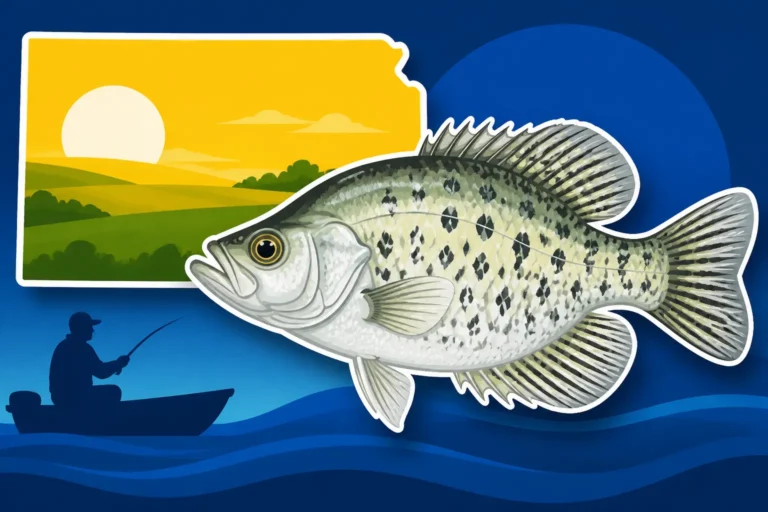
Kansas Drum Fish Identification
It’s a common scenario in Kansas: you’ve reeled in a stout, silvery fish from one of our big reservoirs or murky rivers, and you’re scratching your head, wondering what exactly you’ve caught. Is it a carp? Maybe some kind of buffalo? Well, chances are you’ve encountered the often-misunderstood freshwater drum, a unique and robust resident of our Kansas waters. This guide will help you confidently identify the drum fish, understand its characteristics, and learn where you're likely to find these fascinating creatures across the state.
Understanding the Freshwater Drum
The freshwater drum, often simply called a "drum" or sometimes a "sheephead" by old-timers, is a truly distinctive fish in Kansas. It's often overlooked or misidentified by anglers who are more familiar with species like walleye or bass. But once you know what to look for, these fish stand out, not just for their appearance but for their unique behaviors too. They're a significant part of our aquatic ecosystems, playing a vital role in the food chain and offering a different kind of angling challenge.
What Makes a Drum a Drum?
Imagine a fish that looks a bit like a beefed-up sunfish, but silvery and deep-bodied, with a humped back and a distinctive, downward-pointing mouth. That's a good starting point for picturing a freshwater drum. They are the only freshwater member of the Sciaenidae family, which primarily consists of marine species like red drum and black drum – hence the name. They are built for bottom-feeding, with a body structure designed to root around for food.
One of their most fascinating attributes is their ability to produce a "drumming" sound, which gives them their name. This low-frequency hum is made by vibrating specialized muscles against their swim bladder and is most often associated with spawning or territorial displays. It's a sound you might even hear if you're holding one, especially a larger one, right after catching it – a truly unique experience on the water! You'll often find them mentioned in a comprehensive Kansas Fish Species Guide.
Common Misconceptions and Nicknames
Because they spend a lot of time on the bottom and can grow to a decent size, drum are frequently confused with other bottom-dwelling fish, particularly various carp species or buffalo fish. However, a closer look reveals clear differences. While carp have barbels (whiskers) around their mouths, and buffalo fish have smaller, upturned mouths, the drum has neither. Its mouth is distinctive, designed for suction feeding on the bottom.
In different parts of the country, and even within Kansas, you might hear a drum called by various nicknames. "Sheephead" is quite common, likely due to their somewhat blunt head profile. Other, less common names can include gaspergou, grunt, or thunderpumper, all hinting at their behavior or the sounds they make. Dispelling these misconceptions is key to appreciating this unique Kansas resident, rather than dismissing it as merely another "rough fish."
Key Physical Characteristics for Identification
When you pull a fish from the water and suspect it might be a drum, there are several tell-tale physical features that will help you confirm your suspicion. Forget the old wives' tales and focus on these clear indicators that distinguish a freshwater drum from anything else swimming in Kansas.
Body Shape and Coloration
Freshwater drum have a very distinctive body. They tend to be deep-bodied and somewhat compressed laterally, giving them a taller rather than wide appearance. Their backs are notably arched or humped, especially in larger specimens, sloping down to a more flattened belly. The overall coloration is typically silvery-gray, often with a brownish or greenish tint on the back, fading to a whiter belly. Sometimes, you might notice a subtle pearlescent sheen, especially when wet. This coloration allows them to blend in with the silty or rocky bottoms where they often forage. Unlike carp, which can have golden or olive hues, drum maintain a more consistent silver to bronze appearance.
Their scales are relatively large and rough to the touch, another good indicator. Running along their side, from just behind the gill plate all the way to the tail, you’ll find a prominent lateral line that extends distinctively onto the tail fin. This is a crucial sensory organ that helps them detect vibrations in the water, a significant adaptation for a fish that spends much of its time in murky conditions or near the bottom.
Fin Structure and Mouth Appearance
The fin structure of a freshwater drum is quite telling. They possess a long dorsal fin that is deeply notched, almost appearing as two separate fins: a spiny front section and a soft-rayed rear section. The spiny part usually has 10 or 11 spines, while the soft-rayed part is much longer, with 29 to 32 rays. Their anal fin is also quite unique, featuring two stout spines, with the second spine being noticeably longer and thicker than the first, followed by 7 to 8 soft rays. Their pectoral fins are relatively long and pointed, and their caudal (tail) fin is often slightly rounded or truncated, not deeply forked like a walleye or sharply pointed like some catfish.
Perhaps the most defining feature is their mouth. It’s subterminal, meaning it’s located on the underside of their head, designed for bottom feeding. The mouth is relatively small and can be extended to create suction, helping them vacuum up invertebrates and small crustaceans from the substrate. They lack the barbels (whiskers) that are characteristic of catfish or many carp species. Inside their mouth, they have impressive pharyngeal teeth – crushing plates located in their throat – which they use to grind up mollusks, crayfish, and other hard-shelled prey. If you're looking for a good field guide to keep in your tackle box that highlights these features, you might find some excellent options on Amazon.
Distinguishing Drum from Similar Kansas Species
It's easy to confuse a freshwater drum with other species, especially if you're not intimately familiar with all the fish swimming in Kansas waters. Many bottom-feeding fish share some general characteristics, but there are distinct differences that, once learned, make identification straightforward. Knowing these differences can save you from misidentifying your catch and help you better appreciate the diversity of Kansas’s aquatic life.
Drum vs. Carp Species
One of the most common mix-ups is between a freshwater drum and various carp species, particularly common carp or buffalo fish. While both are often found near the bottom, their appearances are quite different upon closer inspection.
| Feature | Freshwater Drum | Common Carp | Bigmouth/Smallmouth Buffalo |
|---|---|---|---|
| Mouth | Subterminal (under snout), protractile, no barbels | Terminal/Subterminal, usually with 2 pairs of barbels | Subterminal/Terminal, no barbels, upturned (Buffalo) |
| Body Shape | Deep-bodied, humped back, compressed | Robust, somewhat cylindrical, less compressed | Deep-bodied, very compressed, large scales |
| Coloration | Silvery-gray, brownish/greenish back | Golden, olive-brown, brassy | Dark olive to bronze, often mottled |
| Dorsal Fin | Long, deeply notched (spiny & soft-rayed) | Very long, single, serrated spine at front | Long, single, soft-rayed dorsal fin |
| Anal Fin Spines | 2 stout spines, second longer/thicker | 1 serrated spine | No spines, soft rays only |
| Lateral Line | Prominent, extends onto tail fin | Prominent, does not extend onto tail | Prominent, does not extend onto tail |
| Sounds | Can make "drumming" sounds | No distinct sounds | No distinct sounds |
The absence of barbels on a drum is a key differentiator from common carp. Common carp also have a single, long dorsal fin with a serrated spine at the front, whereas the drum's dorsal fin is clearly divided into spiny and soft-rayed sections. Buffalo fish, while also deep-bodied and silvery, typically have smaller, more upturned mouths compared to the drum's downward-pointing, protractile mouth. Take a moment to check for these features, and you'll quickly confirm whether you have a drum or a carp. If you're interested in other species, a guide like Kansas Carp Fishing Facts might be helpful.
Drum vs. Catfish and Other Bottom Feeders
Another group of fish sometimes confused with drum are catfish, especially channel catfish, particularly smaller ones or those found in murky water. However, the differences here are even more stark. Catfish are easily identified by their smooth, scaleless skin and prominent barbels around their mouths. Drum, conversely, have noticeable scales and no barbels. Catfish also have an adipose fin (a small, fleshy fin between the dorsal and tail fins), which drum completely lack. Their fin structures are also very different, with catfish having strong, often serrated spines in their dorsal and pectoral fins, but generally lacking the two distinct dorsal fin sections of the drum.
Other less common mix-ups might include freshwater drum with suckers or even some larger sunfish. Suckers generally have fleshy, protrusible lips that are often wrinkled or papillose, which is very different from the drum’s smoother, more rigid mouth structure. While some sunfish like bluegill can be deep-bodied, they are typically much smaller, have different fin ray counts, and lack the distinctive large, crushing pharyngeal teeth of the drum. Knowing these specific identification points will help you distinguish your catch accurately every time you're out fishing in Kansas. A good Kansas Catfish Species Guide can also help clarify the differences between drum and various catfish.
Where to Find Drum Fish in Kansas Waters
Freshwater drum are incredibly adaptable and can be found in a wide variety of habitats across Kansas. They aren't particularly picky, which is one reason they're so widely distributed throughout the state's rivers and reservoirs. If you're looking to target them, or just curious about where you might encounter one, understanding their preferred environments is key.
Major Rivers and Reservoirs
Drum thrive in the larger rivers and reservoirs of Kansas. They are particularly abundant in big impoundments like Milford Lake, Cheney Reservoir, and Wilson Lake. These expansive bodies of water offer the deep, open areas they prefer, along with abundant forage. They're also commonly found in our major river systems, including the Kansas River, Republican River, and Arkansas River, especially in stretches with slower currents and deeper pools. Rivers provide them with diverse habitats, from gravel bars to log jams, all of which offer feeding opportunities.
In these larger bodies of water, drum tend to stick to the bottom, often favoring areas with soft, silty, or sandy substrates where they can root around for food. However, they aren't exclusively confined to these areas; they will also frequent rocky points, submerged timber, and drop-offs, particularly if these structures hold concentrations of their prey. Anglers often encounter drum incidentally while targeting other species like walleye or catfish in these same habitats. For instance, if you're fishing the Kansas River Catfish Spots, don't be surprised if a drum takes your bait.
Preferred Depths and Bottom Structures
While drum are bottom-oriented, their preferred depths can vary significantly depending on the time of year, water temperature, and available forage. In summer, they might retreat to deeper, cooler water, often holding in depths of 20 feet or more in our larger reservoirs. During cooler months, or in rivers, they may be found shallower, particularly if there’s a good food source. They are masters of using their lateral line to find food even in turbid conditions, so clear water isn't a prerequisite for finding them.
As mentioned, they have a strong preference for soft bottom compositions – mud, silt, or sand – where they can easily burrow and suck up invertebrates. However, they also frequent areas with a mix of gravel and small rocks, especially those rich in clams and snails, which are a favorite food source they crush with their pharyngeal teeth. Keep an eye out for submerged humps, old creek channels, and the edges of drop-offs. These structural features concentrate bait and often provide cover, making them prime spots for drum. Many anglers rely on modern fish finders, which you can explore on Amazon, to pinpoint these bottom structures and potential fish schools.
Behavior and Habits of Kansas Drum
Beyond their appearance and habitat, understanding the behavior and habits of freshwater drum can greatly enhance your appreciation for this unique species. From their distinctive communication to their feeding strategies, drum are an active and integral part of the aquatic ecosystem.
Feeding Habits and Diet
Freshwater drum are primarily bottom feeders, and their diet reflects this lifestyle. They are opportunistic carnivores, and their powerful pharyngeal teeth are put to good use grinding up the shells of various invertebrates. Their main diet consists of insect larvae (like chironomids and mayflies), crayfish, small clams, and snails. They'll also readily consume small fish, particularly slower-moving or injured baitfish, if the opportunity arises. This varied diet is why they can thrive in so many different environments, from the muddy bottoms of rivers to the rockier areas of reservoirs.
Their feeding strategy involves rooting around in the substrate, using their sensitive mouths to locate prey, and then using suction to pull food into their mouths. This makes them particularly susceptible to baits presented on or near the bottom. When they are actively feeding, you might notice subtle disturbances on the water surface in calm areas, or if you're watching your sonar, you might see them moving along the bottom, often in small schools, as they forage.
Spawning and Social Behavior
Drum typically spawn in late spring to early summer, when water temperatures rise, generally into the mid-60s to low 70s Fahrenheit. They are broadcast spawners, meaning they release eggs and milt into the open water, where fertilization occurs. There's no nest building or parental care involved. The eggs are buoyant and drift in the current until hatching. This strategy allows them to utilize large areas for reproduction, increasing the chances of offspring survival in open water environments.
During the spawning season, the famous "drumming" sound becomes more frequent and pronounced. Males are primarily responsible for this sound, believed to be a courtship display to attract females or to defend spawning territories. While often found in schools, especially when feeding or congregating for spawning, drum can also be found solitary, particularly larger, older individuals. They are generally considered a schooling fish, which can be advantageous for anglers who locate a productive area, as catching one often means more are nearby. If you are interested in their general activity throughout the year, checking a Kansas Fishing Seasons Guide can give you an idea of when different species are most active.
Fishing for Drum in Kansas
While not always the primary target for anglers, freshwater drum offer a fun fight and can be quite abundant, making them an excellent species for casual fishing or for kids learning to fish. They're often caught incidentally while targeting species like catfish or walleye, but once you understand their preferences, you can certainly fish for them specifically.
Best Baits and Techniques
Since drum are bottom feeders with a love for invertebrates, your bait selection should reflect this. Live bait is almost always the most effective. Earthworms, especially nightcrawlers, are a top choice. Cut bait, like pieces of shad or carp, can also be very effective, appealing to their opportunistic nature. Small crayfish or even clams (if you can get them fresh and open them) are excellent natural offerings. Many of the same baits used for channel catfish, as detailed in Best Bait for Kansas Catfish, will also work wonders for drum.
As for techniques, bottom fishing is the way to go. A simple slip-sinker rig with a short leader and a circle hook is highly effective. You want your bait to be right on the bottom, where they are foraging. Fishing from the bank or a boat can both be productive. Cast your bait out, let it sink, and wait for the distinctive taps and pulls. They have a softer mouth, so a firm, steady retrieve to set the hook (especially with circle hooks) is better than a hard jerk. Many anglers prefer medium-light to medium-action rods with 8-12 pound test line to handle their strong pulls.
Edibility and Handling Your Catch
The edibility of freshwater drum is a topic that often sparks debate among anglers. In many circles, they have a reputation as a "rough fish" and are often released. However, cleaned properly, especially smaller to medium-sized fish (under 5 pounds), drum can be quite good to eat. Their flesh is firm, white, and has a mild flavor. The key is to fillet them promptly and remove any red meat or "mud vein" along the lateral line, as this can impart a stronger, less desirable flavor. Many compare their taste to that of walleye or crappie if handled correctly. They can be baked, fried, or grilled.
When handling drum, be mindful of their dorsal and anal fin spines, which can be quite sharp. A good pair of pliers or a fish gripper, easily available on Amazon, can help manage them safely for hook removal and release or retention. Always treat any fish with respect, whether you plan to keep it or release it. Understanding local regulations is also important, though drum typically don't have strict size or bag limits, it's always good to check the Kansas Fishing Regulations Explained for any updates.
Identifying Age and Growth
Understanding the age and growth of freshwater drum adds another layer of appreciation for this resilient species. While you won't be able to tell a fish's exact age by looking at it, knowing how they grow and the factors influencing their size can offer insights into the health of Kansas fish populations.
General Size and Lifespan
Freshwater drum typically reach a size of 1 to 5 pounds in Kansas waters, though much larger specimens are certainly caught. A 10-pound drum is considered a trophy, and they can grow significantly larger, with the state record being a testament to their potential. These larger fish are usually older, having survived many seasons in our lakes and rivers. Their lifespan can be quite impressive; drum have been documented to live for over 20 years in some systems, though 7-13 years is more typical in Kansas.
Their growth rate depends heavily on food availability, water quality, and environmental conditions. In rich, productive waters with abundant forage, they'll grow faster and reach larger sizes sooner. Conversely, in less productive or overcrowded areas, their growth might be stunted. This variability means that a 3-pound drum caught in one lake might be younger or older than a 3-pound drum caught in another, highlighting the unique characteristics of different fisheries. For more information on trophy fish in the state, you can refer to the Kansas State Record Fish Guide.
Otoliths and Age Determination
One of the most fascinating aspects of the drum is found inside its head: the otoliths, or "ear bones." These small, stony structures are crucial for the fish's balance and hearing. What makes them particularly interesting is that they grow in annual rings, much like tree rings. Fisheries biologists can remove these otoliths, slice them thinly, and count the rings under a microscope to accurately determine the age of the fish.
These otoliths, particularly the larger ones from older drum, are sometimes referred to as "lucky stones" by anglers. They are convex on one side, bearing an "L" shape (for the left side of the fish) or an "R" shape (for the right side), and are often kept as trinkets or good luck charms. Finding one of these unique stones from a drum you've caught is a cool memento of a successful fishing trip, connecting you directly to the biology of this often-underestimated Kansas fish.
Disclaimer
This article is for general informational purposes only and does not constitute professional advice. Laws, prices and regulations vary by location and change over time. Consult a qualified professional for guidance on your specific situation.