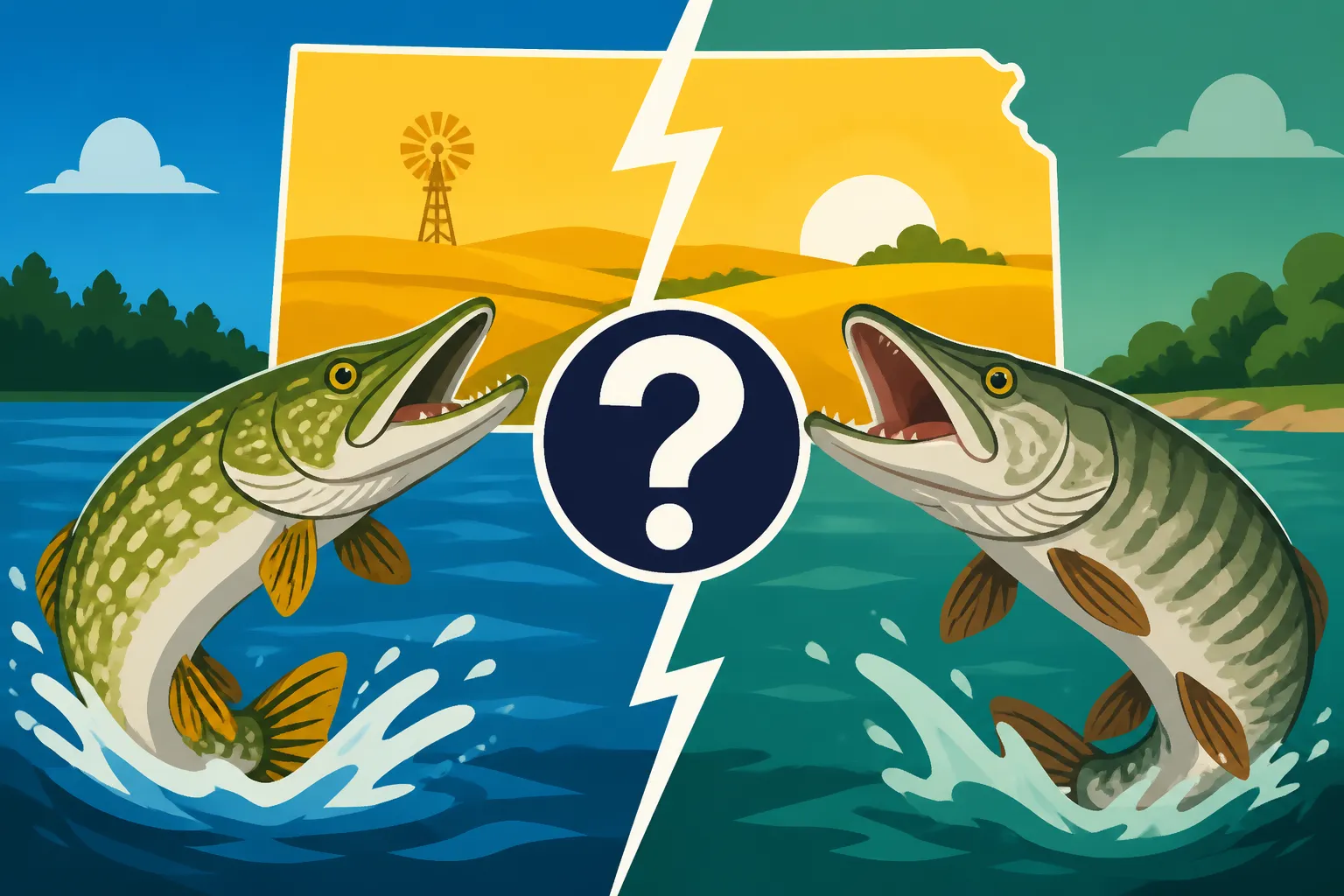
Do Kansas Lakes Have Muskie or Pike?
It's a common dream for many anglers, myself included, to hook into a monstrous muskie or a ferocious northern pike – those toothy, torpedo-shaped predators that offer an unforgettable fight. But if you're casting your line in Kansas, you might be wondering if that dream is even a possibility within our state's waters. This guide will dive deep into whether muskie or pike call Kansas lakes home, what you can realistically expect to find, and which other exciting predatory fish are abundant here.
The Truth About Muskie and Northern Pike in Kansas
Let's get right to it, because there's often a bit of confusion, and sometimes even wishful thinking, when it comes to these iconic game fish in the Sunflower State. While their reputations precede them, their presence in Kansas is a nuanced story.
Muskie: A Rare or Non-Existent Trophy in Kansas?
When it comes to the true muskellunge (often simply called "muskie"), the news for Kansas anglers is, unfortunately, largely disappointing. Muskie are highly specialized fish that require very specific habitats to thrive and reproduce naturally. Their native range primarily includes the Great Lakes region and parts of the upper Mississippi River basin, where they inhabit large, cool, clear lakes and rivers with ample weed cover and abundant prey fish. They need extensive areas of clean, shallow water for spawning, and their slow growth rate means they require stable, healthy ecosystems over many years to reach trophy sizes.
Kansas's predominant reservoir system, characterized by fluctuating water levels, warmer summer temperatures, and often turbid conditions, simply doesn't align with the ideal muskie habitat. While neighboring states might have had experimental stocking programs for muskie or tiger muskie (a sterile hybrid of muskie and northern pike), Kansas has historically focused its management and stocking efforts on species better suited to our aquatic environments. This means that if you're dreaming of a Kansas muskie, it's highly improbable you'll ever encounter one, as they are not stocked or known to have any naturally reproducing populations here. Your best bet for muskie fishing would involve a road trip to northern states.
Northern Pike: A Niche Fishery in Specific Kansas Waters
Now, when we talk about Northern Pike, the story shifts slightly. While still far from abundant or widespread, Northern Pike have been present in some Kansas waters historically, and trace populations might still exist in very specific, isolated locations. Unlike their larger muskie cousins, Northern Pike are a bit more adaptable, tolerating a wider range of water conditions, though they still prefer cooler water and significant aquatic vegetation for ambush hunting and spawning.
In the mid-20th century, particularly in the 1960s and 70s, there were some efforts to introduce Northern Pike into certain Kansas reservoirs, with the hope of establishing a new, exciting sport fishery. Lakes like Milford Lake, Perry Lake, and Cedar Bluff Reservoir were among those that received pike stockings. For a time, anglers did report catches, and a small, albeit localized, fishery developed. However, these stockings often didn't lead to sustained, naturally reproducing populations that could withstand the typical Kansas environmental pressures, such as hot summers, limited spawning habitat, and competition from other predatory species. Today, Northern Pike are considered a very rare catch in Kansas. Finding one is usually a matter of luck, often occurring when an angler is targeting other species. While they are present, they are certainly not a primary target for most Kansas anglers due to their scarcity.
Where to Potentially Encounter a Northern Pike (and Why It's Challenging)
If the idea of hooking into one of these elusive predators still sparks your interest, understanding where they might still exist and what it takes to find them is key. Just be prepared to temper your expectations, as patience and a healthy dose of luck will be your best companions.
Former and Current Pike Locales: Managing Expectations
Historically, when Northern Pike were actively stocked, some of the larger reservoirs in the northern half of the state saw the most activity. Milford Lake Fishing Guide highlights Kansas's largest lake, and for a period, it was one of the spots where pike were introduced. Other reservoirs like Perry Lake Fishing Spots in Kansas and Cedar Bluff Reservoir in western Kansas also had some stockings. These efforts, however, didn't create self-sustaining populations for the long haul. The fish either didn't reproduce successfully, struggled with the summer heat, or faced significant competition.
Today, while the Kansas Department of Wildlife, Parks and Tourism (KDWPT) doesn't actively manage for a Northern Pike fishery, an occasional angler might still report a catch from these historic locations. These are likely residual fish from past stockings or isolated pockets where conditions are just barely favorable enough for a few to survive. Finding them is truly a "needle in a haystack" scenario. You won't find specific "pike hotspots" or guide services dedicated to them in Kansas. If you're out fishing for walleye or bass in one of these older reservoirs, and a pike happens to hit your line, consider it a rare and exciting bonus! It's less about targeted fishing and more about being in the right place at the right time.
Gear and Tactics for a Chance Encounter with a Kansas Pike
Given the scarcity of Northern Pike in Kansas, you wouldn't typically rig up specifically for them. However, if you are visiting one of the historically stocked lakes and want to maximize your chance of an encounter while targeting other predators, you can certainly adjust your gear slightly. Northern Pike are aggressive ambush predators, so their preferred lures often mimic injured baitfish or small mammals.
Large spoons (like Dardevles or Johnson Silver Minnows), inline spinners (think Mepps or Blue Fox), and large jerkbaits or crankbaits with erratic actions can all entice a strike. Colors that stand out, like firetiger, chartreuse, or bright silver, can be effective. Pike have incredibly sharp teeth, so using a steel leader or heavy fluorocarbon leader (around 80-100 lb test) is crucial to prevent bite-offs. Without it, you'll simply be donating lures! Medium-heavy to heavy power rods with a fast action, paired with a baitcasting or spinning reel spooled with 15-30 lb braided line, would be appropriate. When it comes to finding robust tackle or specialized lures, many anglers rely on online retailers. You can often find a wide selection of suitable pike lures and heavy-duty leaders on Amazon, making it convenient to stock up before a trip. For a general overview of what tackle to use, our Kansas Fishing Gear Guide offers excellent foundational advice that can be adapted. Keep an eye out for areas with submerged vegetation, sudden drop-offs, or standing timber – classic ambush points for these predatory fish.
Kansas's Abundant Predatory Fish: Exciting Alternatives
While the allure of Muskie and Northern Pike is undeniable, Kansas offers a fantastic array of aggressive, hard-fighting predatory fish that are not only present but thrive in our waters. These species provide consistent action and often grow to impressive sizes, offering a thrilling challenge for any angler.
Walleye, Wiper, and Stripers: The Real Trophy Hunters of Kansas Lakes
If you're looking for a powerful strike and a memorable fight from a large predatory fish, Kansas's reservoirs deliver in spades with walleye, wiper (hybrid striped bass), and pure striped bass. These are the true giants of our waters, actively managed and stocked, providing exceptional angling opportunities.
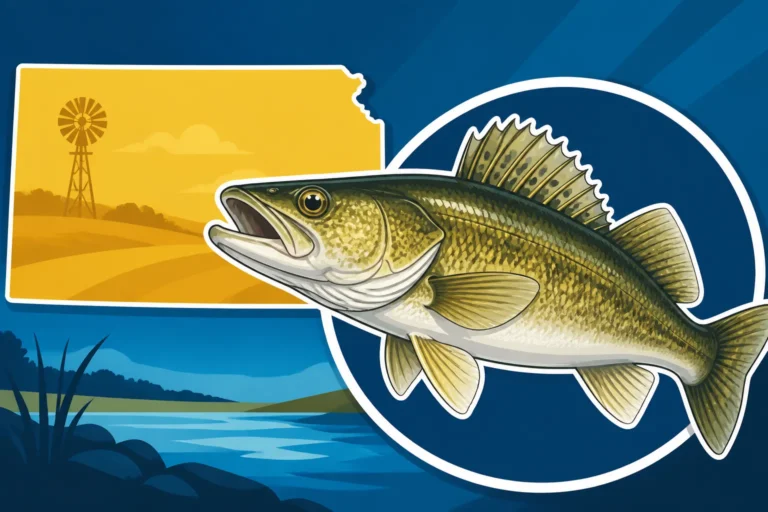
- Walleye: Known for their delicious white meat and elusive nature, walleye are a top target for many Kansas anglers. They are widespread in most major reservoirs and offer excellent fishing, especially during spring and fall. These fish can grow quite large, with many exceeding the Walleye Minimum Length Is 21 Inches and providing a strong, determined fight. Our Kansas Walleye Fishing Guide delves into all the details you need to target them effectively.
- Wiper (Hybrid Striped Bass): A cross between a white bass and a striped bass, wipers are built for battle. They grow rapidly, fight incredibly hard, and are often found in large schools, making for fast and furious action. They are widely stocked and offer some of the most exciting fishing in the state. Lakes like Cheney Reservoir are particularly renowned for their Cheney Reservoir Wiper Fishing.
- Striped Bass: The purebred striped bass are less common than wipers but offer an even more powerful, sustained fight. They can reach impressive sizes in Kansas, often found in deeper, open waters of a few select reservoirs. These fish are true pelagic predators, chasing schools of baitfish, and require robust tackle to land. You can learn more about these powerful fish in our Kansas Striped Bass and Wiper Guide.
These species provide the thrilling, big-fish experience that many anglers seek, without the extreme rarity associated with pike in Kansas.
Key Identification: Don't Confuse Your Catches!
Given that Northern Pike are so rare, and several other fish species share similar torpedo-shaped bodies or predatory habits, it's easy to misidentify a catch. Knowing the key features to distinguish between pike, walleye, saugeye, and even large white bass is essential. This table can help you tell them apart quickly.
| Feature | Northern Pike | Walleye | Saugeye (Hybrid) | White Bass |
|---|---|---|---|---|
| Body Shape | Long, slender, cylindrical | Long, slender, more rounded | Long, slender, intermediate | Deep-bodied, somewhat compressed |
| Dorsal Fins | One prominent dorsal fin, far back (like tail) | Two separate dorsal fins (spiny & soft) | Two separate dorsal fins | Two separate dorsal fins |
| Scales on Cheek | Fully scaled | Partially scaled (lower half typically bare) | Intermediate (some scaling variability) | Fully scaled |
| Scales on Gill Cover | Fully scaled | Partially scaled (lower half typically bare) | Intermediate (some scaling variability) | Fully scaled |
| Teeth | Very sharp, prominent, numerous | Sharp, canine-like teeth | Sharp, canine-like teeth | Small, uniform teeth |
| Tail Fin | Forked | Forked, lower lobe often white-tipped | Forked | Forked |
| Markings | Light spots or beans on a dark background | Irregular dark blotches or bars on sides | Mottled pattern, darker saddles, distinct spots on dorsal fin | Prominent horizontal stripes (broken below midline) |
| Mouth | Large, duck-bill shaped | Large, extends past eye | Large, extends past eye | Terminal mouth, small |
One common point of confusion can be distinguishing sauger, walleye, and saugeye. Our Sauger vs Walleye Identification article provides even more depth on those distinctions. Also, remember that Hybrid Striped Bass Identification has very specific markers that set them apart from other striped fish. Always check local regulations, as length and bag limits can vary significantly between species.
The Future of Pike Fishing in Kansas
Understanding the KDWPT's conservation priorities and how to handle a rare pike catch responsibly helps ensure the health of Kansas fisheries for everyone.
Conservation and Management: Why Pike Aren't a Priority
The Kansas Department of Wildlife, Parks and Tourism (KDWPT) manages its fisheries based on what species can thrive and provide the best recreational opportunities for anglers, given the unique environmental conditions of Kansas. Our reservoirs and rivers are fundamentally different from the natural lakes and vast river systems where muskie and pike flourish in other regions. Factors like extended periods of warm water temperatures, limited availability of critical spawning habitat (dense, shallow aquatic vegetation), and the presence of established, highly productive fisheries for species like channel catfish, crappie, and walleye mean that focusing resources on muskie or pike would likely yield very low returns.
Instead, the KDWPT prioritizes stocking and managing species that can sustain healthy, reproducing populations and offer reliable fishing. This includes robust programs for largemouth bass, smallmouth bass, various catfish species, walleye, wipers, and crappie. These species are better suited to Kansas's climate and hydrological cycles, ensuring that anglers have abundant opportunities to catch quality fish. While some anglers might lament the absence of muskie or widespread pike fishing, this management strategy is crucial for maintaining the overall health and productivity of the state's aquatic resources. For a complete picture of what's regulated, our Kansas Fishing Regulations Explained and Kansas Fishing Seasons Guide are invaluable resources.
What to Do If You Catch a Northern Pike
Catching a Northern Pike in Kansas is genuinely a rare event, a true "trophy of circumstance." If you are lucky enough to hook one, here's what to keep in mind:
- Safety First: Pike have very sharp teeth. Handle them with extreme care, using gloves or a fish gripper if possible. A long-nosed pliers is essential for hook removal.
- Identification: Double-check your catch against the identification table above to confirm it's truly a Northern Pike and not a different species.
- Regulations: While not a primary target, Northern Pike are still a game fish. Check the current Kansas Fishing Seasons and Limits for any specific rules regarding pike, though they are often grouped under "other species" with general length and creel limits.
- Photography: Snap a quick photo! This is a unique catch for Kansas, and it's certainly worth documenting.
- Release or Keep: If legal and within limits, you can choose to keep it. However, given their rarity, many anglers opt for a respectful catch and release to allow these infrequent visitors to continue their life cycle. If you do release, ensure it's done quickly and gently.
- Report to KDWPT: Consider reporting your catch to the KDWPT. Such reports, including location and size, can be valuable data points for their fisheries biologists, helping them track incidental populations. You can typically find contact information on their official website.
Ultimately, while Kansas may not be a muskie or pike mecca, it offers an incredible diversity of other hard-fighting, delicious, and readily available game fish that provide endless excitement for anglers of all skill levels. Embrace the species that thrive here, and you'll find Kansas fishing to be a truly rewarding experience!
Disclaimer
This article is for general informational purposes only and does not constitute professional advice. Laws, prices and regulations vary by location and change over time. Consult a qualified professional for guidance on your specific situation.