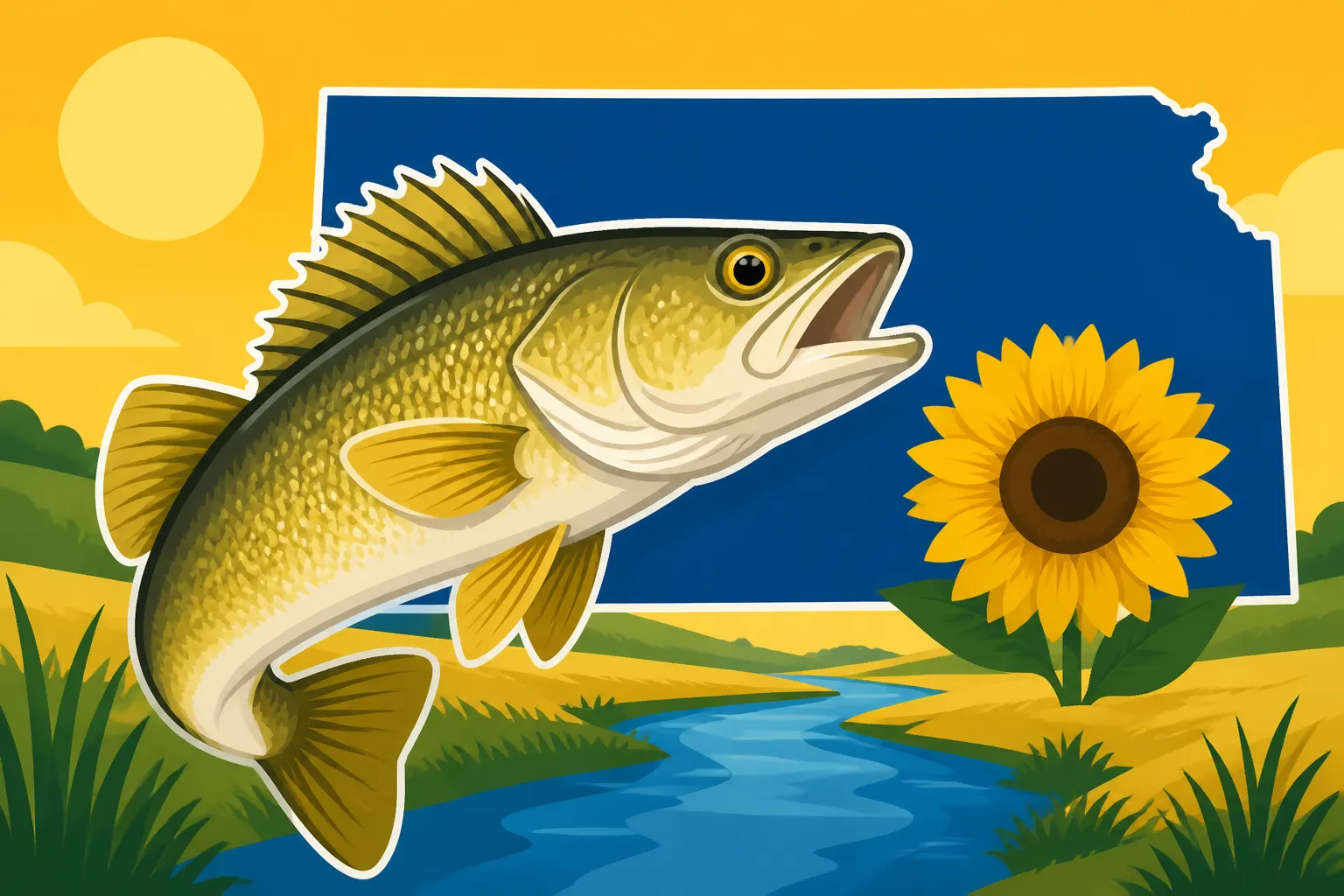
The State Fish of Kansas
Many anglers in Kansas, especially those new to our beautiful state or even long-time residents, often wonder which fish truly embodies the spirit of our waterways. It's a common question, and the answer represents not just a species, but a fishing tradition deeply woven into the fabric of Kansas outdoor life. This guide will walk you through everything you need to know about the official state fish of Kansas, the iconic channel catfish, from its identification and habitat to the best ways to catch and conserve it for future generations of anglers.
Unveiling Kansas's Aquatic Emblem: The Channel Catfish
For good reason, the channel catfish holds a special place in the hearts of Kansans and has been officially designated as our state fish. This isn't just a symbolic gesture; it’s a recognition of a species that is incredibly widespread, readily accessible to anglers of all skill levels, and provides both thrilling sport and delicious table fare. From the smallest farm pond to our largest reservoirs and sprawling river systems, the channel cat is a ubiquitous presence, offering consistent action and an entry point into the joys of fishing for countless individuals.
Its status as the state fish speaks volumes about its cultural significance. Think about those classic summer evenings, gathered around a campfire by a lake, the smell of sizzling catfish wafting through the air – that's the channel cat creating memories. It’s the fish that many of us caught first as kids, the one that taught us the thrill of a bending rod and a strong pull on the line. It's accessible to everyone, whether you're casting from a muddy bank with a simple worm and bobber or drifting cut bait from a boat. This accessibility, combined with its robust populations across the state, makes it a true democratic fish, loved by all.
A Deep Dive into Channel Catfish Identification
Identifying a channel catfish is usually straightforward once you know what to look for, though it can sometimes be confused with its cousins, the blue catfish and flathead catfish. Channel cats typically have a slender, torpedo-shaped body, which is usually olive-brown to slate-gray on the back, fading to white or silver on the belly. Younger channel catfish often display distinct dark spots along their sides, which tend to fade as they mature, sometimes disappearing entirely in older, larger specimens.
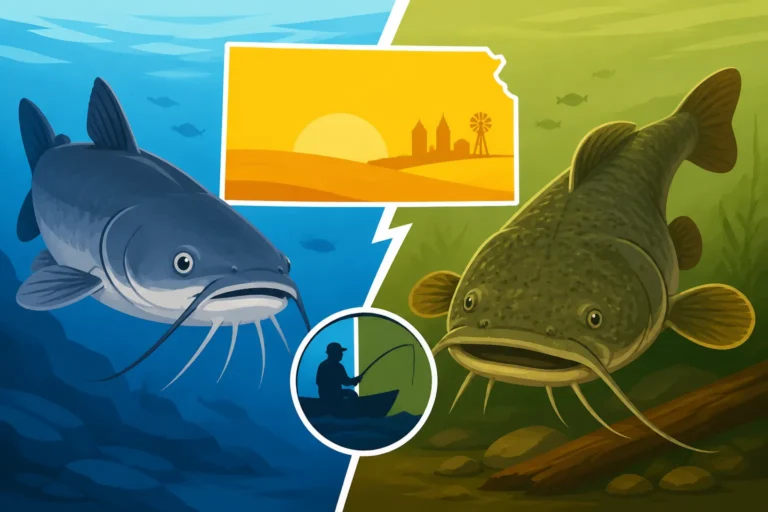
One of the most defining features is their deeply forked tail, which is a key differentiator from the blue catfish (which also has a forked tail but usually less deeply incised) and the flathead catfish (which has a rounded, paddle-like tail). They possess eight barbels around their mouth, which act as sensory organs, helping them locate food in murky waters or low light conditions. The dorsal fin and pectoral fins each have a sharp, serrated spine, so handling them with care, or using a good fish gripper, is always a wise idea. For a more detailed comparison, check out our guide on Channel Catfish vs Blue Catfish Identification, and don't miss learning about Flathead Catfish Identification Tips to fully round out your catfish knowledge.
Where Channel Catfish Thrive in Kansas
The beauty of the channel catfish is its adaptability, allowing it to flourish in almost every type of aquatic environment Kansas has to offer. You'll find them in abundance in the mighty Kansas River, the Arkansas River, and countless smaller tributaries and creeks, particularly in deeper pools, behind log jams, and in current seams. These river systems provide a rich buffet of food and plenty of cover, making them prime habitat.
Our state's numerous reservoirs are also hotspots for channel cat action. Large bodies of water like Milford Lake, Cheney Reservoir, and Tuttle Creek Lake hold impressive populations. Here, you'll find them cruising along mudflats, congregating around submerged timber, or lingering in the deeper channels and old creek beds that once snaked through the landscape before the lakes were formed. Smaller state fishing lakes and even private farm ponds are often teeming with channel catfish, making them an excellent target for a quick fishing trip close to home. If you're looking for prime locations, our comprehensive guide on Best Catfish Lakes in Kansas is a fantastic resource, and for those who prefer moving water, don't forget to explore our article on Kansas River Catfish Spots.
The Life and Habits of a Kansas Channel Catfish
Understanding the life cycle and habits of the channel catfish is key to consistently finding and catching them in Kansas. These fish are opportunistic feeders, essentially the scavengers of the aquatic world, but don't let that fool you – they can be surprisingly picky at times! Their diet is incredibly varied, ranging from insects, crustaceans, and small fish to decaying organic matter and plant material. They use their keen sense of smell and those distinctive barbels to detect food, even in turbid water or complete darkness, which is why night fishing for them can be so effective. What Channel Catfish Eat Lakes gives more insight into their dining preferences.
Spawning for channel catfish typically occurs in late spring to early summer when water temperatures reach the upper 70s. Males will seek out secluded, dark cavities – think hollow logs, undercut banks, rock crevices, or even old tires and culverts – to prepare a nest. The female lays her eggs, and the male then guards them aggressively until they hatch, and often continues to protect the fry for a short period afterward. This dedication to parental care helps ensure the survival of their young and contributes to their robust populations across Kansas. Their growth rate can vary significantly depending on food availability and water conditions, but they generally grow at a steady pace, reaching catchable sizes within a couple of years. You can learn more about their development in Channel Catfish Growth Rate.
Understanding Channel Catfish Behavior Through the Seasons
Just like us, channel catfish adjust their behavior as the seasons change in Kansas, and knowing these patterns can dramatically improve your fishing success.
- Spring: As water temperatures begin to rise in early spring, channel cats become more active after their winter sluggishness. They’ll start moving into shallower areas, especially mudflats and sunny coves, to feed aggressively and prepare for the spawn. This is a fantastic time for bank anglers, as the fish are often more accessible. As spring progresses into early summer, pre-spawn fish will be gorging themselves, and then, during the actual spawn, they'll be focused on nesting.
- Summer: Once the spawn is complete and summer fully sets in, channel catfish become incredibly active, especially during the low-light hours of dawn, dusk, and throughout the night. During the heat of the day, they tend to retreat to deeper, cooler water, often holding in channels, near drop-offs, or in dense cover like submerged timber. This is when trotlines and jug fishing can be particularly effective, as fish are on the move searching for food.
- Fall: As autumn arrives and water temperatures begin to cool, channel catfish enter a period of intense feeding, trying to pack on reserves for the upcoming winter. They'll often move back into shallower areas during the day, following baitfish that are doing the same. This can lead to some fantastic daytime fishing as they become more predictable in their movements and locations, often congregating in transition zones between shallow flats and deeper channels.
- Winter: When winter truly takes hold and water temperatures plummet, channel catfish become much less active. They'll typically move to the deepest parts of lakes and rivers, often stacking up in large schools in deep holes, old creek channels, or near dam structures. While they still feed, their metabolism slows significantly, and bites will be much more subtle. Ice fishing for channel cats is possible but requires patience and targeting those deep wintering holes.
Channel Catfish as a Prized Game Fish
Beyond their official designation, channel catfish are truly a prized game fish in Kansas. The initial strike can be subtle, a gentle tap or a slow bend of the rod, but once hooked, these fish put up a formidable fight. They are strong, tenacious fighters, known for their powerful runs and headshakes that can test even seasoned anglers. Landing a hefty channel cat, especially one pushing double-digits, is a satisfying experience that keeps anglers coming back for more.
Their appeal doesn't stop at the fight; channel catfish are also widely regarded as one of the best-eating freshwater fish available. Their firm, flaky, white meat has a mild flavor, especially when caught from clean, cool waters. Fried catfish is a staple across the Midwest, and there are countless recipes for grilling, baking, or stewing this versatile fish. However, it's crucial to remember that with great popularity comes responsibility. Kansas has specific Kansas Catfish Daily Limits and general Kansas Channel Catfish Daily Limit regulations in place to ensure sustainable populations, and every angler must adhere to these rules. Understanding and respecting these guidelines ensures that the tradition of catching and enjoying channel catfish can continue for generations.
Essential Gear and Techniques for Catching Kansas Channel Catfish
Successfully targeting channel catfish in Kansas doesn't require a tackle shop full of expensive gear, which is part of their charm. A simple setup can be incredibly effective, making it an accessible pursuit for beginners and seasoned anglers alike. However, having the right basic equipment and understanding a few key techniques can significantly increase your chances of success and enjoyment on the water.
When it comes to rods and reels, you'll want something sturdy enough to handle a hard-fighting fish, but sensitive enough to detect those sometimes subtle bites. A medium to medium-heavy action spinning or baitcasting rod, typically in the 7 to 9-foot range, is a great all-around choice. Pair that with a reliable reel spooled with 10-20 pound test monofilament or braided line. Many anglers opt for braided line for its sensitivity and strength, especially when fishing around snags. Our article on the Best Rod and Reel Combo for Catfish offers excellent guidance on selecting the perfect setup.
As for bait, channel cats are not particularly picky, but some options consistently outperform others. Cut bait, such as shad, carp, or even hot dogs, is a perennial favorite. Stink baits, which are commercially prepared concoctions designed to appeal to the catfish's acute sense of smell, are also incredibly popular, especially for smaller to medium-sized fish. Live or dead worms, chicken livers, and even shrimp can also be highly effective. The key is often experimenting until you find what the fish are hitting on that particular day. Don't forget, many of these essential baits and tools can be found conveniently on Amazon!
Recommended Baits and Rigs
Choosing the right bait and knowing how to present it effectively are critical for consistent channel catfish success in Kansas. Here's a breakdown of some tried-and-true favorites:
- Cut Bait: This is often the undisputed champion for larger channel cats. Common choices include shad, carp, bluegill, or even small pieces of store-bought fish like mackerel. The key is to cut the bait into pieces that are about 1-2 inches long, ensuring that the scent can really disperse in the water. For rigging, a simple Carolina rig or a three-way swivel rig works wonders. With a Carolina rig, you'll slide an egg sinker (1/2 oz to 2 oz, depending on current) onto your main line, then tie on a barrel swivel. To the other end of the swivel, attach a leader (12-24 inches) of slightly lighter line, and finally, a sharp circle hook (sizes 2/0 to 6/0). The circle hook is fantastic for catfish, as it often hooks the fish in the corner of the mouth, making for easy release if desired and reducing gut hooks. Learn more about How to Rig Cut Bait for Catfish.
- Stink Baits: These are synthetic or natural baits with a powerful odor, designed to attract catfish from a distance. They come in various forms: dip baits (applied to a special bait holder or sponge), punch baits (pressed onto a treble hook), and dough baits. While generally more effective for smaller to medium channel cats, they can certainly catch bigger ones too. The presentation is simple: get your bait on the hook and cast it out! Many anglers swear by a small treble hook (sizes 4 to 8) for holding these baits effectively. You can find a huge variety of these baits on Amazon, making it easy to stock up before your next trip. Dive deeper into How to Fish Stink Bait for Catfish.
- Live/Dead Worms: Good old nightcrawlers or red wigglers are always a classic. Fished on a simple bottom rig or under a bobber, they are irresistible to many fish, including channel cats.
- Chicken Livers: Messy but effective! The soft texture and strong scent of chicken livers make them a catfish magnet. Use a treble hook or thread them onto a single hook to keep them from flying off during a cast.
Techniques for Different Water Types
Channel catfish can be caught in nearly every type of Kansas water, but adjusting your approach to the specific environment will yield the best results.
- River Fishing: In rivers like the Kansas River or the Arkansas River, current is a major factor. Channel cats often position themselves out of the main current in "current seams" – areas where fast-moving water meets slower water, creating an eddy. These are ambush points where they wait for food to drift by. Look for deeper holes, especially downstream of log jams, bridge pilings, or sharp bends. A heavy slip sinker rig (Carolina rig) allows your bait to stay on the bottom without getting swept away. Casting your bait upstream and letting it drift naturally into these holding areas can be highly effective. How to Catch Catfish in a Kansas River provides specific tactics for moving water.
- Lake and Reservoir Fishing: On larger bodies of water, channel cats often relate to structure and depth changes. During the day, they might be found in deeper channels, along the edges of old creek beds, or around submerged timber and brush piles. Night fishing is incredibly popular on lakes, as catfish move into shallower flats and humps to feed. A boat allows you to explore these deeper areas, drifting baits over structure or anchoring on a productive spot. Bank anglers can focus on points, coves, and areas near channel swings. Using a slip bobber rig can be effective for suspending bait just off the bottom in these areas.
- Pond Fishing: Smaller farm ponds or community fishing lakes are often brimming with channel catfish, making them perfect for beginners or a relaxed outing. In ponds, focus on deeper areas, around any submerged structure (like fallen trees or brush), or near aerators. A simple slip sinker rig or a bobber rig with worms or stink bait can be deadly. Often, the fish are less pressured in these smaller waters, making them more eager to bite. For easy carrying of your favorite tackle and extra bait to these spots, consider a lightweight tackle backpack, many of which are available on Amazon.
No matter the water body, pay attention to the time of day and water temperature. Catfish are generally more active during low-light conditions and in warmer water, but their precise habits will always shift with the local conditions.
Conservation and Sustainable Catfishing in Kansas
As the official state fish and a beloved angling target, ensuring the long-term health and abundance of channel catfish populations in Kansas is paramount. Sustainable fishing practices aren't just good etiquette; they're essential for preserving this valuable resource for future generations of anglers. Every time you head out, you're not just fishing for today; you're contributing to the future of the sport.
The Kansas Department of Wildlife, Parks, and Tourism (KDWP) plays a crucial role in managing our fisheries, and that includes setting and enforcing regulations. These regulations, which specify daily creel limits and sometimes length limits, are carefully designed to prevent overfishing and maintain healthy age structures within the catfish populations. It’s not about restricting your fun, but about smart management. Always make sure you're familiar with the current Kansas Fishing Regulations Explained and Kansas Fishing Seasons and Limits before you cast a line, as they can sometimes change to adapt to ecological needs.
Practicing responsible catch and release, especially for larger breeding-size fish, is another cornerstone of conservation. While channel catfish are excellent table fare, consider keeping only what you plan to eat and releasing the rest. Properly handling fish you intend to release, minimizing their time out of water, and supporting them gently until they swim away strong helps ensure their survival. This mindful approach helps sustain robust populations, allowing more fish to grow to trophy size and contribute to future spawns.
Respecting the Resource
Beyond just following the rules, truly respecting the channel catfish resource means thinking about your impact every time you fish. This starts with proper fish handling. If you're planning to release a fish, try to keep it in the water as much as possible. When you do land it, use wet hands or a wet net to support its body, especially if it's a larger fish, to protect its protective slime coat. Avoid squeezing it or dropping it onto hard surfaces. If using circle hooks, which are highly recommended for catfish, they often hook in the corner of the mouth, making for quick and easy removal with a pair of pliers or a dehooking tool.
It's also important to understand the specific rules for the water body you're fishing. Some community lakes or urban fishing programs might have special regulations for catfish, such as "two pole and line only" restrictions or specific size limits. Always take a moment to read any posted signs at boat ramps or access points. If you're unsure about any rule or regulation, the KDWP website is your best resource. Taking these simple steps demonstrates a commitment to ethical angling and helps ensure that the channel catfish remain plentiful and healthy across Kansas.
The Future of Catfishing in Kansas
The future of channel catfishing in Kansas looks bright, thanks to dedicated management efforts and the enduring popularity of the species. KDWP regularly monitors catfish populations, conducts surveys, and implements stocking programs in various lakes and ponds to supplement natural reproduction and provide ample fishing opportunities, especially in areas with high angler pressure. These stocking efforts often include fingerling channel catfish, giving them a head start and bolstering their numbers.
Furthermore, ongoing angler education initiatives, often through local fishing clinics and online resources like this one, aim to inform the public about best practices, conservation ethics, and the importance of adhering to regulations. By staying informed, practicing responsible angling, and sharing your passion with others, you become an active participant in safeguarding the channel catfish for generations to come. The collective effort of Kansas anglers, working hand-in-hand with wildlife managers, ensures that our state fish will continue to provide countless hours of enjoyment and delicious meals for decades.
| Feature | Channel Catfish | Blue Catfish | Flathead Catfish |
|---|---|---|---|
| Tail Shape | Deeply forked | Moderately forked | Slightly notched to rounded, paddle-like |
| Coloration | Olive-brown to slate-gray; often spotted when young | Slate-blue to gray; no spots | Mottled brown and yellow |
| Head Shape | Moderately rounded | Conical, sloped | Broad, flattened |
| Lower Jaw | Even with or slightly protruding upper jaw | Upper jaw slightly protrudes | Lower jaw protrudes significantly |
| Barbels | 8 (4 chin, 2 maxillary, 2 nasal) | 8 (4 chin, 2 maxillary, 2 nasal) | 8 (4 chin, 2 maxillary, 2 nasal) |
| Max. Size | Common to 10-20 lbs, can exceed 40 lbs | Can exceed 100 lbs | Can exceed 100 lbs |
| Preferred Habitat | Diverse: rivers, lakes, ponds, prefers structure | Large rivers, deep lakes, current | Large rivers, sluggish pools, heavy cover, live fish |
Disclaimer
This article is for general informational purposes only and does not constitute professional advice. Laws, prices and regulations vary by location and change over time. Consult a qualified professional for guidance on your specific situation.