Do You Need a Boat License to Fish?
It's a really common point of confusion for new anglers, and even some seasoned ones: do you need a special "boat license" just to go fishing in Kansas? You’re not alone if you’ve wondered this, especially with all the different permits and regulations out there. This guide is here to clear up that mystery, distinguishing between what a fishing license actually is, what boat registration entails, and when you truly need either one to enjoy the beautiful waters of Kansas.
Understanding the Difference: Fishing License vs. Boat Registration
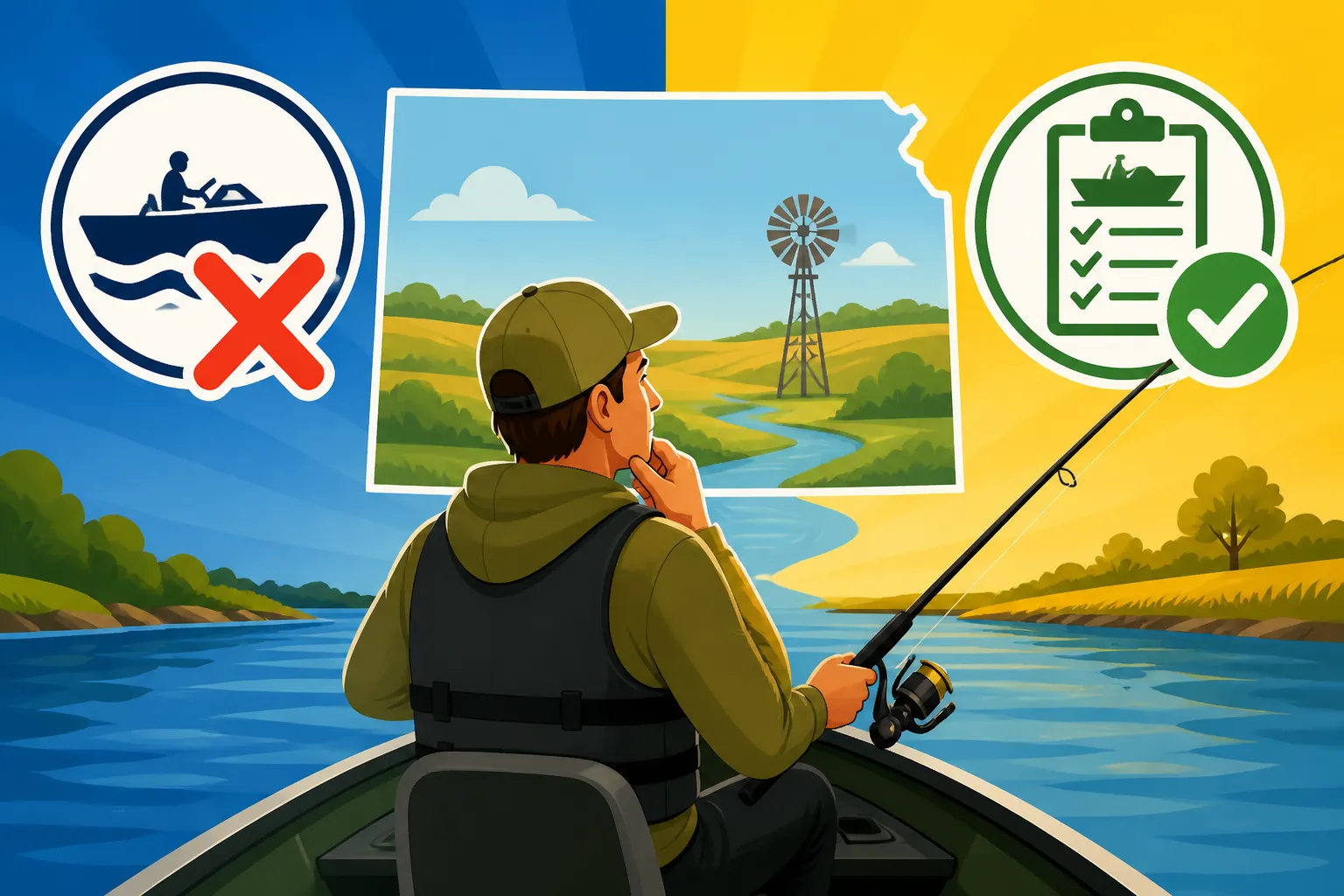
Let’s tackle this head-on, because this is where most of the confusion stems from. People often use terms interchangeably, or assume that if you're in a boat, you automatically need a "boat license" to do anything on the water, including fishing. But in Kansas, these are two very distinct things with different purposes and requirements. Think of it like needing a driver's license to operate a car, but not needing a special "car license" just to listen to the radio inside it.
What is a Fishing License?
A fishing license is essentially your personal permit to fish. It's issued to an individual, not a piece of equipment, and it grants you the legal right to harvest fish from public waters within the state, adhering to all local regulations, creel limits, and seasons. This license helps fund conservation efforts, fish stocking programs, habitat restoration, and enforcement by the Kansas Department of Wildlife and Parks (KDWP). When you purchase a fishing license, you're directly contributing to the health and future of Kansas's fisheries, which is pretty cool when you think about it.
Regardless of whether you're casting from the bank, wading in a creek, or dropping a line from a multi-thousand-dollar bass boat, if you meet the age requirements and aren't exempt, you need a fishing license to legally fish. It's about who is fishing, not how they're fishing, that determines the need for this particular document. This is your personal ticket to the water, covering your right to angle for those elusive walleye or feisty catfish.
What is Boat Registration?
Boat registration, on the other hand, is all about the vessel itself. It's a legal requirement for most motorized boats and sailboats that operate on public waters. When you register a boat, you're essentially providing a unique identifier for that vessel, much like a license plate on a car. This registration allows authorities to identify the boat, track ownership, and ensures that the vessel meets certain safety and operational standards. It's also a source of funding for things like boat ramps, waterway maintenance, and boater safety programs.
The key here is that boat registration pertains to the boat, not the activity of fishing from it. You could own a registered boat and never fish a day in your life, using it only for pleasure cruising, water skiing, or duck hunting. Conversely, you could be an avid angler, only ever fishing from the bank or a non-motorized canoe, and never need to register any vessel. The two are distinct legal obligations tied to different aspects of being on the water. For more details, check out our guide on Kansas Boat Registration Guide.
Why the Confusion?
The confusion often arises because many anglers do use boats, and specifically motorized boats, to get to their favorite fishing spots. If you're out on Milford Lake in a boat with a motor, you need both a fishing license for yourself (if you're fishing) and proper registration for your boat. It’s easy to then mentally combine these two requirements into one idea of a "boat license to fish." However, separating them in your mind is crucial for understanding your legal obligations.
Another source of confusion might be comparing Kansas rules to other states. Some states might have slightly different regulations or even specific permits that blend these ideas more closely. But for Kansas, the distinction is clear: a fishing license is for the angler, and registration is for most motorized vessels. Understanding this fundamental difference will save you a lot of guesswork and ensure you're always legal on the water.
Who Needs a Kansas Fishing License?
Now that we've cleared up the core distinction, let's dive into the specifics of who needs a fishing license in Kansas. It's not a blanket rule for everyone, and there are some important age guidelines and exemptions that can make a big difference for your fishing trip.
Age Requirements and Exemptions
In Kansas, the requirement for a fishing license isn't universal across all age groups. Generally speaking, residents who are 16 years of age or older and non-residents 16 years of age or older must possess a valid Kansas fishing license to fish in public waters. This means that if you've got kids eager to learn the ropes, they likely won't need their own license until they hit that sweet sixteen mark. This is fantastic for encouraging youth participation in fishing! You can find more specific details in our guide on Fishing License Age Requirements in Kansas.
However, there are also some wonderful exemptions to consider. For instance, Kansas offers Kansas Free Fishing Days Guide during certain times of the year, usually in early June, where anyone can fish without a license. This is an incredible opportunity for families or newcomers to try fishing without the initial investment. Additionally, certain individuals, such as resident landowners fishing on their own property, or those with specific disabilities, might also be exempt. It’s always worth checking the latest regulations or our detailed piece on Kansas Fishing License Exemptions to see if you qualify for any of these.
License Types for Different Anglers
Kansas doesn't offer a one-size-fits-all fishing license; instead, there's a variety of options designed to fit different needs and fishing habits. The most common is the resident annual fishing license, which covers you for a full calendar year from the date of purchase. If you're a Kansas resident and plan to fish regularly, this is often the most economical choice. For example, a Kansas Resident Annual Fishing License Costs $25.
But what if you're just visiting or only planning a quick weekend trip? The KDWP has you covered. You can opt for short-term licenses, such as a one-day or five-day option, which are perfect for vacationers or those testing the waters. There are also combination hunt/fish licenses if you enjoy both activities, and even special lifetime licenses, like the Kansas Children's Lifetime Fishing License, that offer long-term value. Non-residents also have their own set of options, including annual and short-term licenses. You can typically pick up any of these licenses at bait shops, sporting goods stores like Bass Pro Shops, or conveniently online through the KDWP website. Our article on Where to Buy a Kansas Fishing License provides a full rundown of your options.
When is a Kansas Boat Registration Required?
Alright, let's switch gears and focus on the other side of the coin: boat registration. As we discussed, this is about the vessel itself, and it has specific rules in Kansas. Understanding these will ensure your boat is legal whether you're fishing, pleasure cruising, or just enjoying a sunset on the water.
Motorized Vessels and Sailboats
In Kansas, nearly all motorized vessels require registration. This includes everything from a small jon boat with a modest outboard motor to a powerful bass boat or a comfortable pontoon. Even if the motor is electric, like a trolling motor, the vessel still falls under registration requirements if it's operating on public waters. The thinking here is that any vessel capable of mechanical propulsion needs to be identified and accounted for. There isn't typically a horsepower threshold; if it has a motor, it generally needs to be registered.
Sailboats also typically require registration if they are 12 feet or longer in length. This is less about propulsion and more about the size and presence these vessels have on the water, ensuring they are identifiable for safety and regulatory purposes. So, whether you're trolling for walleye with your electric motor or hoisting a sail for a leisurely cruise, the state wants to know that your vessel is properly documented.
Exemptions for Non-Motorized Vessels
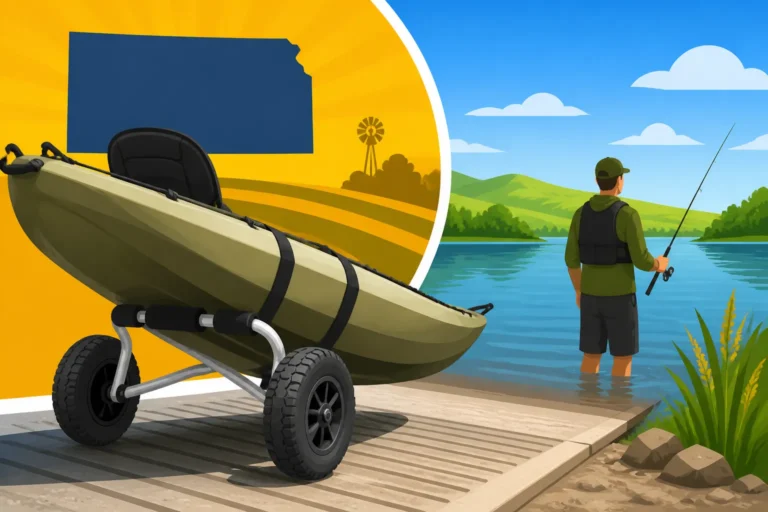
Here's where it gets interesting for many anglers, especially those who prefer a more serene approach to fishing. In Kansas, most non-motorized vessels are exempt from registration requirements. This is fantastic news for kayak anglers, canoe enthusiasts, paddleboarders, and even those who prefer a simple rowboat. If your craft is solely propelled by human power – oars, paddles, or pedals – you generally don't need to register it.
This means you can grab your trusty fishing kayak, load it up with gear from Amazon or your local Bass Pro Shops, and head out to your favorite fishing hole on Milford Lake or Clinton Lake, confident that you only need your personal fishing license (if required by your age) and not a separate boat registration. This exemption makes water access much easier and more affordable for many outdoor enthusiasts. However, even if not registered, it's always smart to mark your non-motorized craft with your name and address in case it ever drifts away. If you're a kayak angler, you might be interested in Do Kayaks Need to Be Registered in Kansas? for more specifics.
The Registration Process
If your vessel does require registration, the process is fairly straightforward. You'll typically need to apply through the Kansas Department of Wildlife and Parks (KDWP). This usually involves providing proof of ownership, like a title or bill of sale, and filling out the necessary forms. Once registered, you'll receive a registration card and decals that must be displayed prominently on your boat.
Registrations are valid for a specific period, usually three years, and must be renewed to remain legal. It’s important to keep your registration current, as operating an unregistered vessel on public waters can lead to fines. While Kansas doesn't "title" boats in the same way cars are titled, proof of ownership is still critical for registration. Make sure you keep all your documentation in order. You can often renew your registration online, making it quite convenient. For everything you need to know about the steps involved, our Kansas Boat Registration Guide is a great resource.
The Bottom Line: Can You Fish Without a "Boat License"?
Let's cut through the confusion and get to the core of your question: do you need a "boat license" to fish in Kansas? The simple, direct answer is no, not in the way many people mistakenly think of it. There isn't a single document called a "boat license to fish" that covers both the act of fishing and the operation of a boat. You need a fishing license to fish, and you need boat registration for most motorized vessels. These are separate requirements.
Fishing from Shore or Non-Motorized Craft
If your fishing adventure involves standing on the bank of the Kansas River, casting from a public pier, or paddling a canoe or kayak across a community fishing lake, then you absolutely do not need a "boat license." In these scenarios, the only license you need to worry about is your personal Kansas fishing license, assuming you're 16 years or older and not otherwise exempt.
This is the most direct way to understand it: your ability to fish is tied to you having a fishing license. The vessel, or lack thereof, doesn't change that primary requirement. So, feel free to enjoy the tranquility of bank fishing or the active pursuit of kayak fishing without worrying about boat registration, as long as your craft is human-powered. Many anglers find immense satisfaction in these simpler, often more accessible, forms of fishing.
Fishing from a Registered Motorized Boat
Now, if you plan to use a motorized boat, whether it's a sleek bass boat, a versatile multi-species rig, or a family pontoon, then your boat will need to be properly registered with the KDWP. However, this is still not a "boat license to fish." It's merely the legal requirement for operating that specific type of vessel on public waters.
As the angler on that registered boat, you still need your personal fishing license (again, if you're 16 or older and not exempt). So, if you're fishing from a registered boat, you'll have two documents to ensure are current: your personal fishing license and your boat's registration. They serve different purposes, but both are necessary for a legal and worry-free day on the water. Make sure to keep both physical documents (or an official digital copy of your fishing license) readily accessible while out on the water, in case a KDWP game warden asks to see them.
Important Safety and Education
While Kansas doesn't require a separate "boat license" for the operator of a vessel (beyond the standard driver's license for operating a vehicle that trailers a boat on the road, for example), boater safety education is highly recommended, especially for those operating motorized vessels. Many states have mandatory boater education courses, and while Kansas does not have a general mandatory requirement for all operators, specific age groups (like those under certain ages operating personal watercraft) may have restrictions or requirements. Taking a boater safety course, often available online or through organizations like the U.S. Coast Guard Auxiliary, is a fantastic idea.
These courses teach you about navigation rules, proper safety equipment (like life jackets – see Kansas Life Jacket and Boating Safety Guide), emergency procedures, and responsible boating practices. Even if it's not a "license," the knowledge gained can be invaluable for keeping yourself, your passengers, and other boaters safe on the water. Being a responsible boater means more than just having the right paperwork; it means understanding how to operate your vessel safely and respectfully.
Here’s a quick breakdown to help clarify:
| Scenario | Fishing License Required? (for angler) | Boat Registration Required? (for vessel) | "Boat License to Fish" Required? |
|---|---|---|---|
| Fishing from the bank | Yes (if 16+, not exempt) | No | No |
| Fishing from a kayak/canoe (no motor) | Yes (if 16+, not exempt) | No | No |
| Fishing from a motorboat | Yes (if 16+, not exempt) | Yes | No |
| Pleasure cruising in a motorboat | No | Yes | No |
| Kids under 16 fishing (any method) | No | N/A (depends on vessel, not child) | No |
| Free Fishing Day (bank/non-motorized) | No | No | No |
| Free Fishing Day (from motorboat) | No | Yes | No |
Disclaimer
This article is for general informational purposes only and does not constitute professional advice. Laws, prices and regulations vary by location and change over time. Consult a qualified professional for guidance on your specific situation.