Best Boat Size for Small Ponds
Many Kansas anglers dream of hitting the big reservoirs, but let's be honest, there's a special kind of magic that comes from fishing a quiet, tucked-away small pond. The challenge often isn't finding the fish, but figuring out how to effectively fish these intimate waters without the benefit of a massive bass boat. Choosing the right boat size for small ponds can feel like a riddle, but this guide is here to walk you through everything you need to know to pick the perfect craft for your pond adventures.
Understanding the Unique Needs of Small Pond Fishing
Fishing small ponds isn't like fishing Milford Lake or Cheney Reservoir. The scale is different, the access is often more challenging, and the way fish behave in a more confined environment can dictate your approach. Thinking about these unique characteristics upfront will steer you toward the right vessel.
The Constraints of Pond Access and Size
One of the biggest realities of small pond fishing in Kansas is that you rarely have a concrete boat ramp waiting for you. Many of these ponds are on private land, tucked away behind fences, or require you to navigate muddy banks and overgrown paths just to get to the water's edge. Hauling a heavy, cumbersome boat is simply not feasible. You need something you can manage by hand, launch easily from an unimproved bank, or even carry for a short distance.
Beyond access, the sheer size of the pond matters. A large, open body of water allows for more freedom of movement, but a small, brush-choked pond demands precision. You're often maneuvering around submerged timber, lily pads, and tight corners. A boat that's too big will be a constant source of frustration, getting hung up or making too much noise and spooking every fish within a 50-foot radius. This is where the mantra "less is more" truly applies.
Prioritizing Stealth and Maneuverability
Fish in small ponds, especially those that see regular pressure, can be incredibly wary. A loud trolling motor, a heavy boat scraping the bottom, or even the splash of an oar can send them scattering. The best small pond boats allow for silent, subtle movements. You want to glide quietly over the water, positioning yourself for that perfect cast without alerting every bass or bluegill in the vicinity.
Maneuverability goes hand-in-hand with stealth. Imagine trying to precisely drop a jig into a small opening in the reeds with a 16-foot boat that struggles to turn. It's a recipe for frustration. A smaller, more agile craft allows you to navigate tight spots, hold your position against a light breeze, and follow fish as they move along cover. This agility is a game-changer for targeting structure and cover, which are often the most productive spots in a pond.
Popular Boat Types Perfectly Suited for Small Ponds
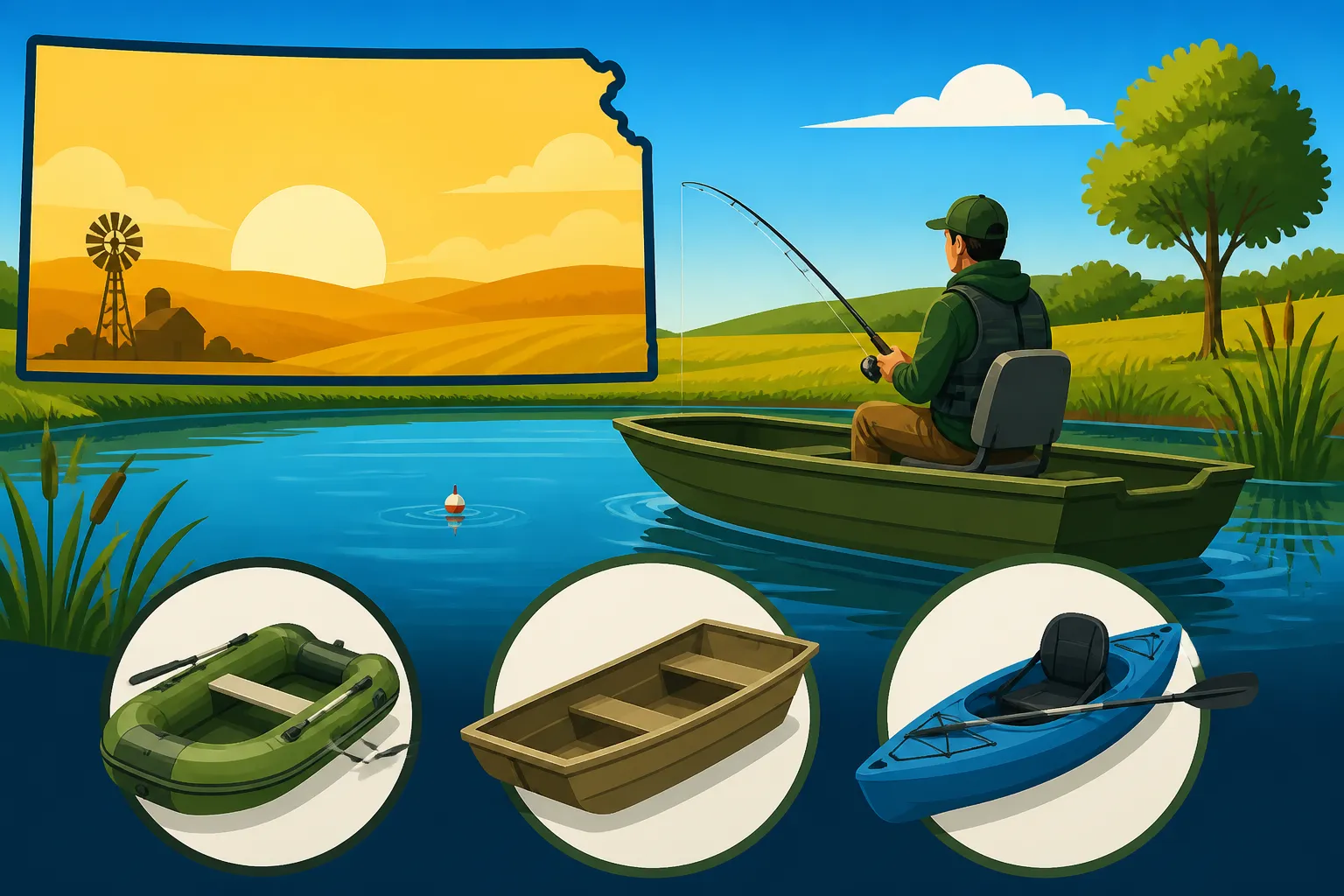
When you consider the specific demands of small pond fishing, a few boat types rise to the top as ideal candidates. Each offers a different balance of portability, stability, and fishing features.
Kayaks and Canoes: Lightweight and Quiet
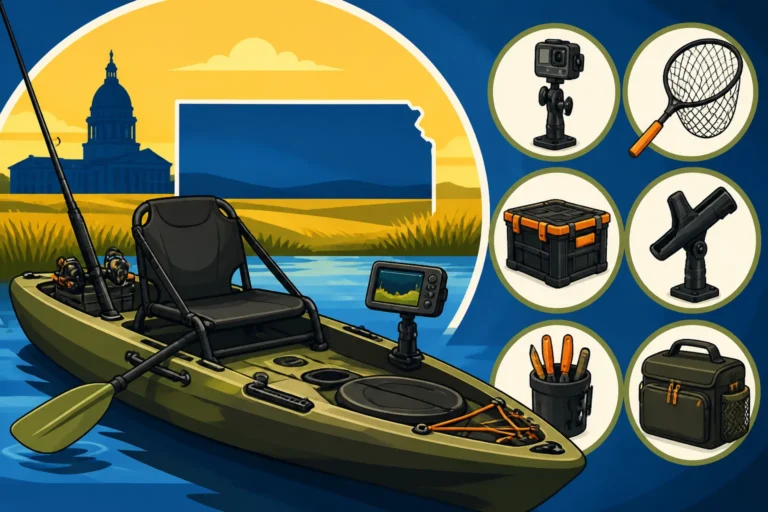
Kayaks and canoes are arguably the champions of small pond access. Their narrow profiles and relatively light weight make them easy to transport, even atop a car, and a breeze to launch from almost any bank. They are incredibly stealthy, gliding through the water with minimal disturbance, which is a huge advantage for targeting skittish pond fish. Kansas Kayak Fishing Gear Guide delves into what you need to get started.
Fishing kayaks, in particular, have exploded in popularity. They are designed with stability in mind, often wider and flatter-bottomed than recreational kayaks, allowing you to stand or at least sit comfortably for casting. Many come equipped with rod holders, gear tracks, and even pedal drives for hands-free propulsion, leaving your hands free for casting and fighting fish. You'll find a wide range of options at retailers like Bass Pro Shops or even online through Amazon, from basic sit-on-tops to advanced models with built-in electronics.
Canoes offer similar benefits in terms of quiet operation and easy launching, with the added advantage of often having more open space for gear or a fishing buddy. They can be a bit more susceptible to wind than kayaks due to their higher profile, but a good anchor system can mitigate this. For a solo angler or two, a 12 to 14-foot canoe provides plenty of room while remaining manageable. Both kayaks and canoes are fantastic for getting into those skinny, hard-to-reach pockets of water that bigger boats can only dream of.
Jon Boats: Sturdy and Versatile
If you're looking for a step up in stability and capacity without sacrificing too much portability, a small jon boat is an excellent choice for a pond. These flat-bottomed boats are known for their rugged construction and open, uncluttered interior, making them ideal for carrying gear, tackle boxes, and even a cooler. Typically ranging from 10 to 14 feet, they strike a good balance between maneuverability and space.
A 10 to 12-foot jon boat can be surprisingly light, with some aluminum models weighing less than 150 pounds, making it possible for two people to carry and launch from an unpaved bank. While they aren't as stealthy as a kayak if powered by a gas motor, a small electric trolling motor can provide silent propulsion, allowing you to navigate ponds quietly. Best Trolling Motor for Kansas Lakes provides more insight into motor choices.
The flat bottom of a jon boat provides incredible stability, allowing you to stand and cast with confidence, which is a huge plus for many fishing techniques. They're also incredibly durable, shrugging off bumps with stumps or rocks that might damage other boat types. For ponds where you might want to bring a bit more gear, or if you regularly fish with a child or a friend, a jon boat offers a versatile platform that can be customized with seats, rod holders, and even a small depth finder.
Inflatable Boats and Float Tubes: Ultra-Portable Options
For the ultimate in portability and convenience, especially for those remote, hike-in ponds, inflatable boats and float tubes are hard to beat. These options pack down small, can be carried in a backpack or duffel bag, and inflate quickly when you reach the water. They are excellent for solo anglers who value being able to explore waters that are inaccessible to almost any other type of craft.
Inflatable fishing kayaks and small inflatable dinghies offer surprising stability and can be surprisingly robust. Many come with multiple air chambers for safety and durable PVC or Hypalon materials that can withstand punctures. While they don't offer the rigidity or storage capacity of a hard-sided boat, they excel at getting you on the water anywhere, anytime. You can find some fantastic, highly-rated models online through retailers like Amazon that are specifically designed for fishing, often featuring reinforced bottoms and accessory mounts.
Float tubes, on the other hand, immerse you in the water, allowing for incredibly stealthy and intimate fishing experiences. You propel yourself with flippers, and your tackle and gear are stored in pockets and pouches around the ring. They are incredibly lightweight and quick to deploy, making them perfect for short trips or exploring extremely small, quiet ponds where minimal disturbance is key. They're not for everyone, but for the angler who prioritizes stealth and simplicity, they are an effective tool.
Key Factors When Choosing Your Pond Fishing Craft
Beyond the type of boat, several practical considerations will influence your final decision. These factors tie directly into your personal fishing style, the specific ponds you frequent, and your budget.
Portability and Transport: Getting Your Boat to the Water
This is perhaps the single most critical factor for small pond fishing. How will you get your boat from your vehicle to the water's edge? If you're relying on a truck bed or roof rack, a lighter kayak, canoe, or inflatable is going to be far more practical. If you have a small utility trailer, a jon boat becomes a much more viable option. Consider the average distance you'll need to carry or wheel your boat. A short, flat path is one thing; a long, muddy descent down an embankment is another entirely.
The actual weight of the boat plays a huge role. Can you comfortably load and unload it by yourself, or will you always need a fishing partner? Some 10-foot jon boats weigh over 100 pounds, while many fishing kayaks are in the 60-80 pound range, making a significant difference in solo handling. If you're keen on kayak fishing, Best Kayak Length for Reservoirs also offers insights into how length impacts transport and handling, which can be applicable to larger ponds. Think about storage too; do you have garage space for a full-sized jon boat, or do you need something that can be deflated and tucked away?
Stability and Comfort for Fishing
There's nothing worse than feeling tippy or uncomfortable when you're trying to concentrate on your line. Stability is paramount, especially if you enjoy standing to cast, sight fish, or just need to stretch your legs. Jon boats, particularly those with wider beams, offer excellent primary stability, meaning they resist tipping when you step in. Fishing kayaks are also designed for this, often with flat hulls that create a stable platform.
Comfort comes down to how you fish. Do you prefer sitting low to the water, or do you need a raised seat? If you spend long hours on the water, a comfortable seat with back support is crucial. Many fishing kayaks offer elevated seats that can drastically improve comfort and visibility. Think about how much gear you typically bring. If you like to have multiple rods, a tackle bag, and a cooler, you'll need a boat with ample deck space and secure storage options. A Best Kayak Fishing Crate Setup can provide organized storage for those smaller crafts.
Propulsion Methods and Power Considerations
How do you plan to move around the pond? Paddles, pedal drives, and electric trolling motors are the most common options for small ponds. Paddling a kayak or canoe is great for stealth and exercise, but can be tiring over long distances or in windy conditions. Pedal drives, found on many modern fishing kayaks, offer hands-free propulsion, allowing you to fish continuously.
For jon boats, a small electric trolling motor is almost essential. Many Kansas ponds have restrictions on gasoline motors, or they're simply too loud and powerful for the intimate setting. A bow-mounted or transom-mounted electric motor provides quiet, precise control, allowing you to hold your position or slowly cruise along the banks. Consider battery life if you plan on fishing for several hours. The general rule is to have enough power to get you where you need to go and back comfortably.
Storage, Maintenance, and Budget Realities
Let's talk practicalities. Where will you store your boat when it's not in use? A large jon boat requires garage space or a secure outdoor spot. A kayak might fit in a shed or hang from a garage ceiling. An inflatable boat or float tube can be stored in a closet. The ease of maintenance is another factor; aluminum jon boats are incredibly durable and require little upkeep, while inflatables need to be cleaned and thoroughly dried to prevent mildew.
Finally, your budget will always be a guiding factor. You can find entry-level kayaks and canoes for a few hundred dollars, while specialized fishing kayaks with pedal drives and advanced features can run into the thousands. Jon boats also vary widely, from basic aluminum hulls to fully rigged fishing machines. Don't forget to factor in essential accessories like paddles, life jackets, anchors, and possibly a trolling motor and battery. Remember, you might not even need a boat license for smaller, paddle-powered crafts, but it's always good to check regulations like Do Kayaks Need to Be Registered in Kansas? or the comprehensive Kansas Boat Registration Guide.
Here's a quick comparison of popular small pond boat options:
| Boat Type | Pros | Cons | Ideal Pond Scenario |
|---|---|---|---|
| Fishing Kayak | Lightweight, stealthy, stable for standing, hands-free options, portable | Limited storage, can feel cramped for larger anglers, slower than powered boats | Remote ponds, solo missions, targeting wary fish, areas with heavy cover |
| Canoe | Good capacity for gear/passengers, very stealthy, easy to paddle | Can be affected by wind, less stable than kayaks for standing, can be long to transport | Family fishing, carrying lots of gear, calm waters, slower exploration |
| Jon Boat | Very stable, durable, customizable, good capacity, electric motor compatible | Heavier than kayaks/canoes, requires trailer or truck bed for transport, less stealthy | Ponds with decent bank access, fishing with multiple people, standing to cast, using electronics |
| Inflatable | Extremely portable, lightweight, easy storage, low cost of entry | Less durable than hard-sided, susceptible to wind, can be slower to paddle | Hike-in ponds, spontaneous trips, minimal storage space, short fishing sessions |
| Float Tube | Ultimate stealth, highly portable, immersive fishing experience | Slow, limited range, exposes body to water temps, minimal gear storage | Ultra-small ponds, sight fishing, incredibly wary fish, warm weather fishing |
Ultimately, the "best" boat size for small ponds isn't a one-size-fits-all answer. It's about finding the perfect blend of portability, stability, and features that match your fishing style and the unique characteristics of the waters you love to explore. Whether you choose a nimble kayak for stealthy approaches, a sturdy jon boat for versatility, or a super-portable inflatable for remote access, getting on the water in the right craft will undoubtedly enhance your Kansas pond fishing adventures. Don't forget to check out Kansas Fishing Techniques for Beginners to hone your skills once you're on the water!
Disclaimer
This article is for general informational purposes only and does not constitute professional advice. Laws, prices and regulations vary by location and change over time. Consult a qualified professional for guidance on your specific situation.