Best Boots for Muddy Kansas Bank Fishing
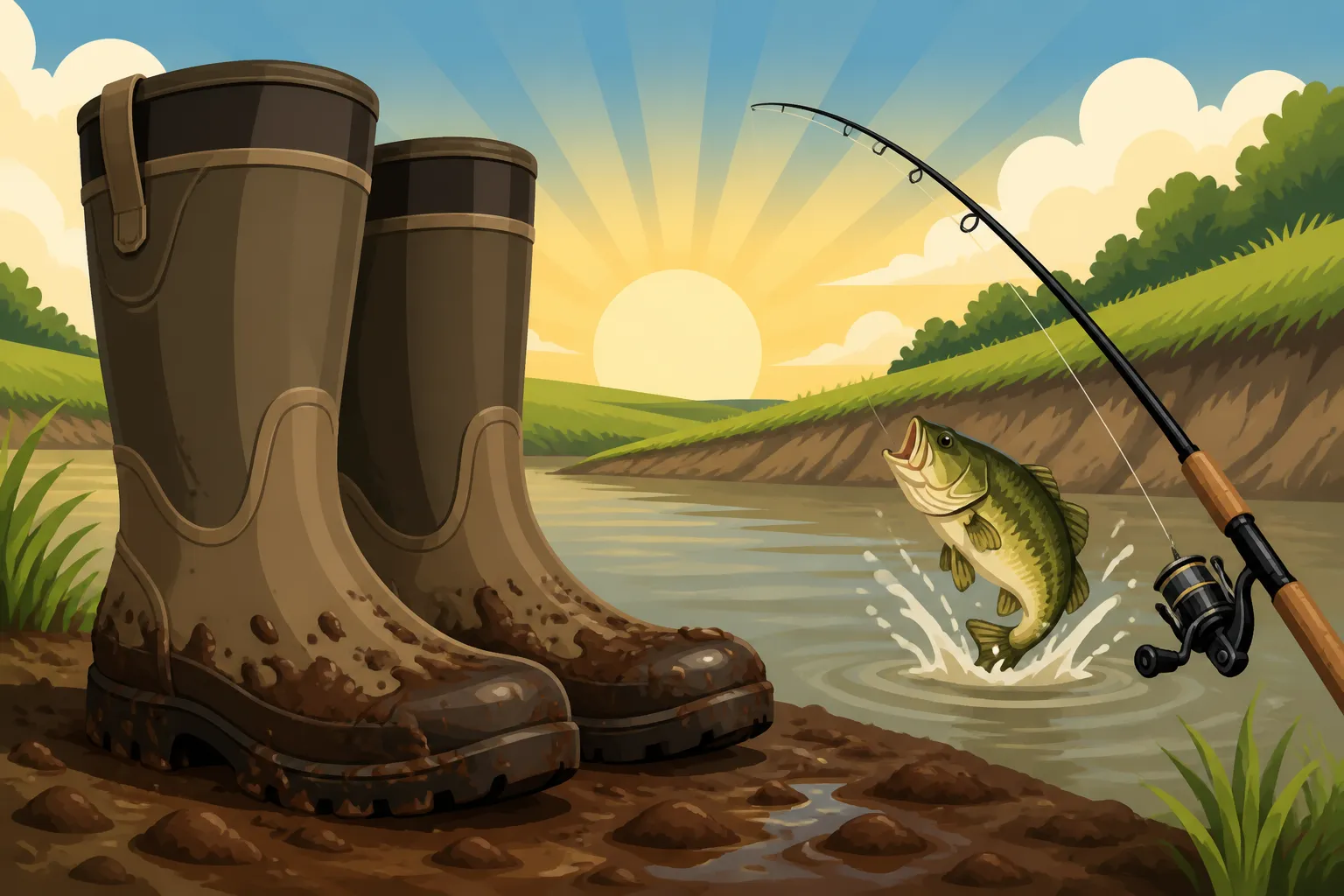
If you've spent any time fishing the banks of Kansas lakes and rivers, you know the struggle: one minute you're casting, hopeful for a bite, the next you're sinking knee-deep into a gooey, gumbo-like mud that threatens to swallow your boot whole. It's frustrating, messy, and can quickly turn a peaceful outing into a mud-caked ordeal. This guide is all about helping you conquer that notorious Kansas mud, focusing on finding the absolute best boots to keep your feet dry, secure, and comfortable, so you can focus on the fish.
The Sticky Reality of Kansas Bank Fishing: Why Proper Footwear is Non-Negotiable
Let's be real, Kansas is beautiful, but our river and lake banks can be… challenging. Whether it's after a spring rain, along a low-water reservoir edge, or simply at your favorite Kansas River Fishing Guide spot that just naturally holds water, encountering mud is almost a guarantee. You've probably been there, trying to gingerly pick your way around a slick patch, only to find yourself sliding or worse, getting stuck.
It’s not just about staying clean, though that’s certainly a bonus. Proper footwear is crucial for safety and comfort. Sinking into deep mud can lead to falls, twisted ankles, or even losing a boot entirely – a predicament no angler wants to face miles from the truck. Beyond that, wet, cold feet can quickly cut a fishing trip short and make for a miserable experience, especially on those chillier days. Investing in the right boots isn't a luxury; it's a fundamental part of your Kansas Fishing Gear Guide.
Navigating the Unique Challenges of Kansas Mud
The mud here isn't always the same. Sometimes it's a thin, slick coating over hard ground, other times it's a thick, clay-heavy concoction that grips onto everything. And then there are those hidden soft spots that seem to appear out of nowhere, waiting to test the resolve of your footwear. These varying conditions demand a boot that can offer more than just basic waterproofing; it needs traction, durability, and enough height to handle unexpected depths.
Consider fishing after a good rain. The ground around many popular spots like Milford Lake or Cheney Reservoir can transform from firm earth to a squishy mess almost overnight. Trying to navigate these areas in regular hiking boots or sneakers is a recipe for disaster. You'll not only get soaked but also risk slipping on the wet clay and potential submerged debris. It’s exactly why specialized footwear becomes so important.
Think about those times you're working your way along a bank, trying to get to a prime casting spot. You might encounter soft grassy areas that give way to slick, bare earth. Having confidence in your footing, knowing your boots won't betray you, allows you to move more freely and cover more ground, ultimately increasing your chances of finding fish. Whether you're targeting catfish along a muddy bend or crappie in a backwater slough, being able to access those spots without worry makes all the difference.
The Cost of Subpar Footwear
Using the wrong boots can impact your fishing in more ways than just discomfort. Imagine spending a morning trying to catch early spring walleye, but your feet are freezing and wet because your old boots leaked. Or perhaps you had to abandon a promising spot because the mud was too deep, and you feared losing a shoe. These missed opportunities, and the general misery, are the hidden costs of wearing inadequate footwear.
Beyond the immediate discomfort, poorly chosen boots can also lead to long-term issues. Constantly wet feet can contribute to fungal infections, blisters, and general foot health problems. And if your boots lack proper support, navigating uneven, muddy terrain can strain your ankles and knees, especially during a long day of Bank Fishing Techniques in Kansas. A good pair of boots is an investment in your comfort, safety, and ultimately, your enjoyment of the sport.
Many anglers initially try to get by with old work boots or rain boots from the garden shed. While these might offer some basic protection, they often lack the grip, flexibility, and insulation needed for serious bank fishing. Work boots can be heavy and unforgiving, while cheap rain boots might split or offer poor traction. Finding footwear specifically designed for outdoor activities, with features tailored to wet and muddy conditions, truly pays off.
Essential Features for Conquering Kansas Mud: What to Look For in Your Fishing Boots
When you're slogging through the sticky shores of your favorite Kansas fishing hole, not just any boot will do. You need specific features that stand up to the challenge. It’s about more than just keeping water out; it's about staying upright, comfortable, and having a boot that can handle the abuse of the elements. From the sole to the shaft, every aspect plays a role in navigating those infamous mud flats.
Unbeatable Waterproofing and Construction
The absolute first thing on your checklist for muddy bank fishing boots is, predictably, waterproofing. But not all waterproofing is created equal. You need boots that are truly impenetrable, designed to keep water out even when submerged. Look for boots constructed from materials like vulcanized rubber or high-quality neoprene that offer a complete barrier. Seams should be sealed and reinforced, leaving no weak points for water to seep through.
Beyond the material, consider the height of the boot. For Kansas mud, which can often be surprisingly deep, a boot that extends at least mid-calf, if not higher, is generally a wise choice. This extra height provides a crucial buffer when you inadvertently step into a deeper-than-expected bog. Many reputable brands offer boots specifically designed for hunting or fishing that reach 15-17 inches, giving you plenty of protection. This is especially true if you find yourself wading into the shallows near the bank to retrieve a snagged lure or get a better casting angle.
When inspecting the construction, pay attention to how the sole is attached to the upper. A seamless or molded construction is often superior to stitched designs, which can create potential leak points over time. Some boots utilize a multi-layer design, combining different materials for flexibility, insulation, and durability. Brands found at retailers like Bass Pro Shops often prioritize these robust constructions because they understand the demands of real-world outdoor use.
Superior Traction and Mud-Shedding Soles
Once you've ensured your feet will stay dry, the next critical feature is traction. Kansas mud isn't just wet; it's often slick. You'll be navigating everything from slippery clay banks to grass-covered slopes that can become treacherous when wet. Your boots need a sole designed to grip, not slide. Look for aggressive, self-cleaning lug patterns. These deep treads are designed to dig into soft earth and provide purchase, while also preventing mud from packing in and turning your sole into a slick, flat surface.
A good mud-shedding sole is crucial. If mud gets stuck in the treads, it defeats the purpose of the aggressive pattern. Boots with wider-spaced lugs and tapered designs help shed the mud as you walk, preventing buildup and maintaining grip. Imagine trying to walk back to your vehicle with several pounds of mud clinging to each boot; it's exhausting and significantly increases the risk of slipping. This is where a well-designed sole truly shines, providing stability as you move across varied and challenging terrain.
Think about those moments when you're perched on a slightly sloped bank, trying to land a feisty channel cat. You need to feel confident that your feet will stay put. Soles made from durable, yet flexible, rubber compounds offer the best combination of grip and longevity. Some higher-end fishing boots might even incorporate specialized rubber formulations designed for optimal performance in wet and muddy conditions, ensuring you have the confidence to focus on the fight, not your footing.
Comfort and Support for Long Days
Fishing, especially bank fishing, can involve a lot of walking, standing, and scrambling over uneven ground. Even the best waterproof boots are useless if they're uncomfortable or don't provide adequate support. Look for boots with cushioned insoles, arch support, and enough room in the toe box to prevent pinching. Your feet will thank you after a long day of casting and trekking.
Neoprene-lined boots often provide excellent insulation, which is a huge plus during cooler Kansas mornings or late fall fishing trips. This insulation not only keeps your feet warm but also adds a layer of cushioning that enhances overall comfort. The flexibility of neoprene also allows for easier movement, which is important when you're crouching, kneeling, or stepping over obstacles.
Furthermore, consider the fit around your calves. Some boots offer adjustable gussets or wider calf openings, which can be a lifesaver for those with larger calves or for tucking in thicker pants. A snug, but not constricting, fit around the ankle and calf helps prevent the boot from slipping off in deep mud – a common and frustrating occurrence! Many anglers appreciate the ease of pulling on and taking off rubber boots, but ensure they don't feel sloppy once on your feet.
Types of Boots for Different Muddy Scenarios: Choosing Your Best Defense
Now that we know what features to look for, let's dive into the types of boots that offer these benefits. Each style has its own strengths and is better suited for certain muddy scenarios you might encounter while Fishing Without a License Penalties in Kansas or trying to land a trophy fish.
Classic Rubber Boots
These are arguably the most popular choice for bank anglers dealing with mud, and for good reason. Classic rubber boots are inherently waterproof, often reaching mid-calf or knee-high. They are easy to clean, durable, and generally more affordable than some other options. They excel in thick, sticky mud where shedding mud from the sole is a primary concern.
| Boot Type | Pros | Cons | Best For |
|---|---|---|---|
| Classic Rubber | 100% waterproof, easy to clean, durable, often affordable | Less insulation (can get cold), less flexible, can be heavy | Deep, sticky mud; quick trips; warmer weather |
| Neoprene Boots | Excellent insulation, flexible, comfortable, durable | Can be warmer in summer, typically higher price point | Cold weather, extended wear, varied terrain |
| Wading Boots | Superb traction, excellent ankle support, lightweight | Require waders for waterproofing, not suitable for standalone mud protection | River wading, rocky banks, pairing with chest waders |
Many brands like Bogs or Muck Boot Company specialize in high-quality rubber boots, often incorporating neoprene linings for added comfort and insulation. You can often find a good selection of these at outdoor retailers like Bass Pro Shops or even through online vendors on Amazon. When selecting rubber boots, pay attention to the thickness of the rubber and the quality of the sole. A heavier-duty rubber will stand up to punctures better, while a well-designed lug pattern will prevent slips. For those looking for simplicity and effectiveness, a good pair of knee-high rubber boots is hard to beat for general Kansas mud.
One common frustration with pure rubber boots is their lack of insulation. If you're planning on fishing in colder weather, or even on a chilly spring morning, your feet can get cold quickly. This is where the next option comes in handy, offering a significant upgrade in warmth and comfort.
Insulated Neoprene Boots
For those chilly mornings, late fall excursions, or even Ice Fishing Rules on Kansas Lakes, insulated neoprene boots are a game-changer. These boots combine the waterproof qualities of rubber with the thermal benefits and flexibility of neoprene, the same material used in wetsuits. The neoprene provides excellent insulation, keeping your feet warm even when standing in cold mud or shallow water. They also tend to be more comfortable and flexible than traditional rubber boots, making them ideal for long days on the bank.
The flexibility of neoprene also translates to a better fit and feel. They often conform more to your foot and ankle, reducing friction and preventing the dreaded "boot-sucking" effect when pulling your foot out of deep mud. Many models feature robust rubber outsoles with aggressive tread patterns, ensuring you maintain excellent traction even on slick, muddy surfaces. These boots are particularly well-suited for Kansas anglers who fish year-round and encounter a wide range of weather and bank conditions.
While typically a bit pricier than basic rubber boots, the added comfort, warmth, and durability often make them a worthwhile investment. Brands like Lacrosse and Muck Boot Company are highly regarded in this category, offering various levels of insulation to match your specific needs. If you find yourself cutting fishing trips short due to cold, wet feet, upgrading to a quality pair of neoprene boots will dramatically improve your experience and allow you to stay out longer, especially when you're trying to figure out How Deep to Fish for Walleye in Summer.
Wading Boots (Used with Waders)
While not a standalone solution for mud, wading boots paired with chest waders offer the ultimate protection for situations where you're not just dealing with mud, but also plan to enter the water. If your fishing style involves wading into rivers, traversing shallow lake edges, or navigating extremely mucky areas where the water might get really deep, a good pair of wading boots is indispensable.
Wading boots themselves are designed for exceptional traction and ankle support in slippery, submerged environments. They typically feature felt soles or aggressive rubber soles with cleat compatibility for superior grip on slimy rocks and muddy riverbeds. When worn with waterproof chest waders, they create a completely dry and protected system, allowing you to move through water and mud with confidence. This setup is particularly effective for those targeting species that prefer deeper edges or when accessing areas otherwise unreachable from the bank.
Of course, the downside is that wading boots are not meant to be worn on their own as primary mud protection. You need the full wader system. However, for serious anglers who truly push the boundaries of bank access, or those who frequently fish spots like the Kansas River where wading is a common tactic, this combination is unbeatable. Just remember to check the Kansas Fishing Regulations Explained regarding wading in certain areas.
Keeping Your Boots (and Feet) Happy: Care and Maintenance Tips
Even the best boots won't last forever or perform optimally if they're not cared for properly. A little maintenance goes a long way in extending the life of your investment and ensuring they're always ready for your next muddy adventure on a Kansas Community Lake Fishing Spots.
Cleaning and Storage Best Practices
After a day of battling Kansas mud, the first step is always to clean your boots. Don't let the mud dry and harden on them, as this can degrade the material over time and make them harder to clean later. A simple rinse with a garden hose is usually sufficient to remove most of the mud and grime. For stubborn spots, a stiff brush and some mild soap can work wonders. Pay close attention to the sole, ensuring all mud is removed from the lug patterns to maintain optimal traction for your next outing.
Once clean, it's crucial to dry your boots thoroughly before storage. Stuffing them with newspaper can help absorb moisture from the inside, or you can use a boot dryer, especially for insulated models. Never store wet boots in a confined space, as this can lead to mold, mildew, and unpleasant odors. Store them in a cool, dry place, out of direct sunlight and away from extreme heat, which can cause rubber to crack and degrade. If you have multiple pairs, consider a dedicated boot rack to allow for proper air circulation.
Periodically, inspect your boots for any signs of wear, such as small cracks or punctures. Addressing these issues early can prevent them from becoming major leaks. Small holes in rubber boots can often be patched with a rubber repair kit, similar to those used for bicycle tires. Taking these simple steps will ensure your boots remain a reliable part of your fishing gear setup for many seasons to come.
Extending the Life of Your Fishing Boots
Beyond basic cleaning, there are a few additional tips to help extend the lifespan of your muddy bank fishing boots. For rubber and neoprene boots, consider using a rubber conditioner or protectant periodically. These products can help keep the material supple, preventing drying and cracking, especially if your boots are stored for long periods. Just a quick application can make a noticeable difference in their longevity.
Another often overlooked aspect is sock choice. Wearing appropriate socks can not only enhance comfort but also protect the inside of your boots. Moisture-wicking socks made from wool or synthetic blends help pull sweat away from your feet, keeping them drier and reducing friction. This in turn reduces the breakdown of internal boot liners and footbeds. Avoid cotton socks, which retain moisture and can lead to discomfort and potential boot damage.
Finally, while quality boots are designed to be durable, avoid unnecessary abuse. Don't use your fishing boots as shovels or constantly drag them over sharp rocks if you can avoid it. Be mindful of how you step and move, especially in challenging terrain. Treating your boots with respect will ensure they continue to perform at their best, allowing you to enjoy countless more successful fishing trips in the diverse waters of Kansas. After all, having reliable gear, like well-maintained boots, makes all the difference when you're focused on the thrill of the catch.
Disclaimer
This article is for general informational purposes only and does not constitute professional advice. Laws, prices and regulations vary by location and change over time. Consult a qualified professional for guidance on your specific situation.